

Understanding Flashing in Control Valves
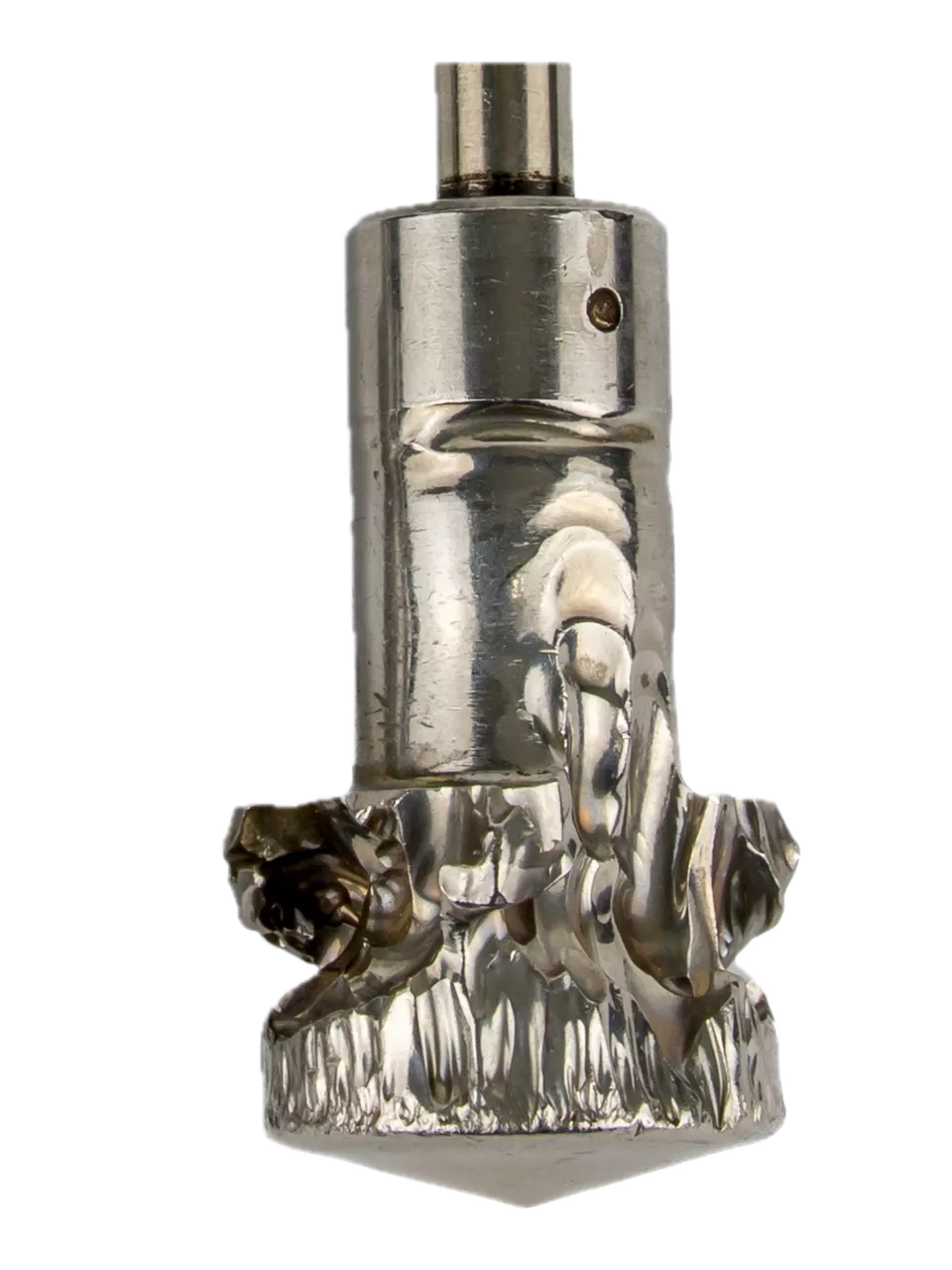
Flashing occurs when liquid flows through a control valve and vaporizes, remaining a vapor. Flashing shares some common features with choked flow and cavitation in that the process begins with vaporization of the liquid in the vicinity of the vena contracta. For a control valve application to be considered a flashing application, the downstream pressure must be less than the vapor pressure (P2 < PV). Flashing is a concern because it limits flow through the control valve and the liquid-vapor mixture is highly erosive. Metal erosion caused by flashing is smooth and shiny in appearance. Since flashing cannot be prevented by the valve, it’s best to select a valve with proper geometry and materials to avoid or minimize damage.
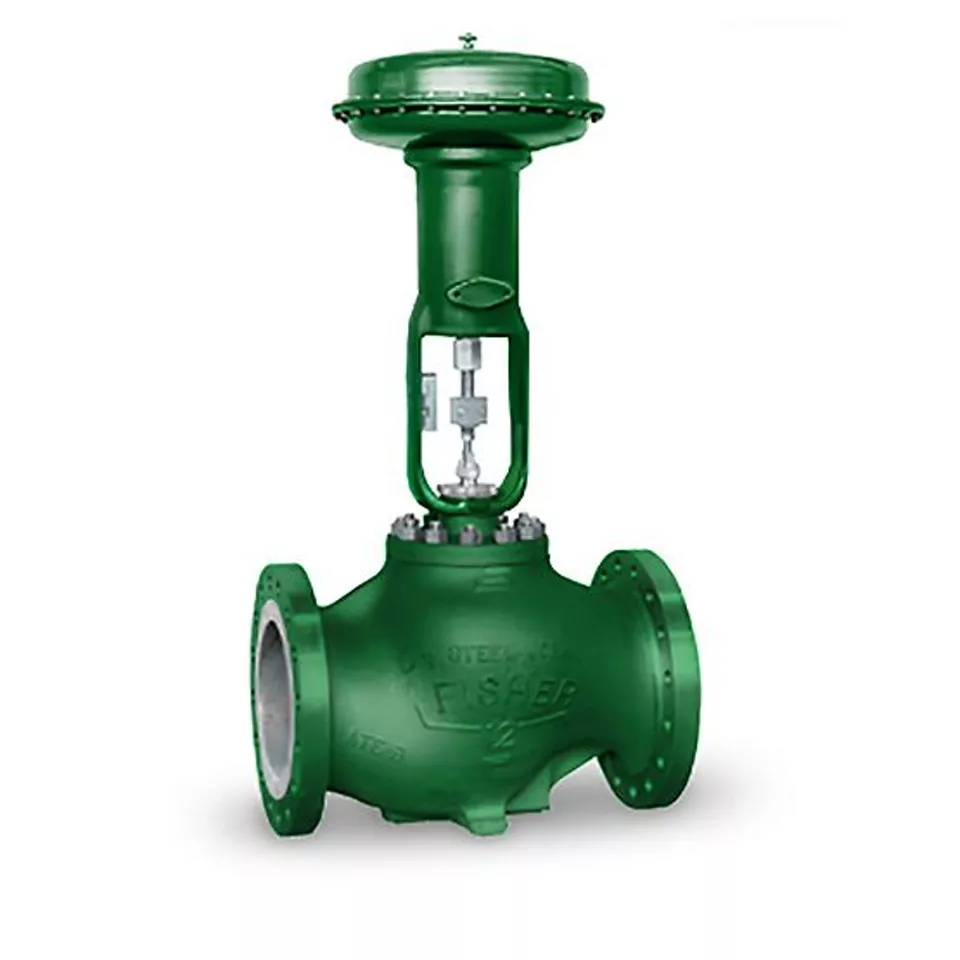
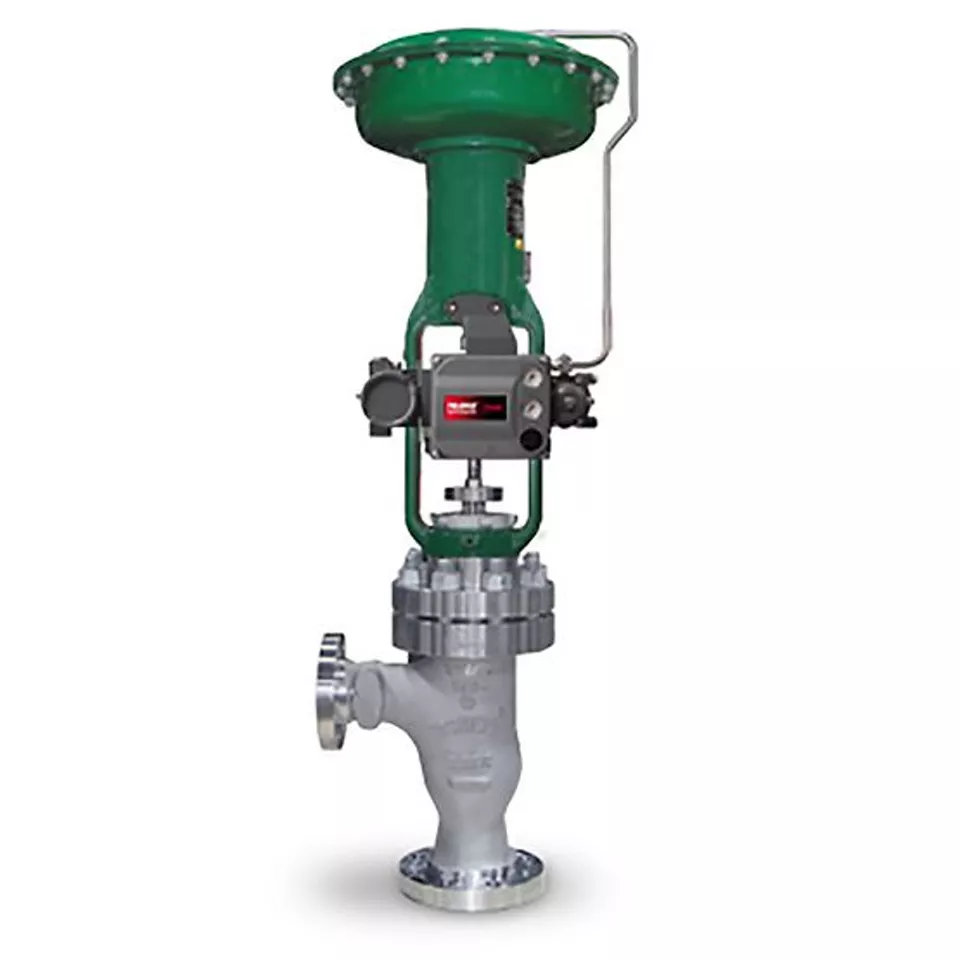
Featured Products
Principles of Control Valve Flashing
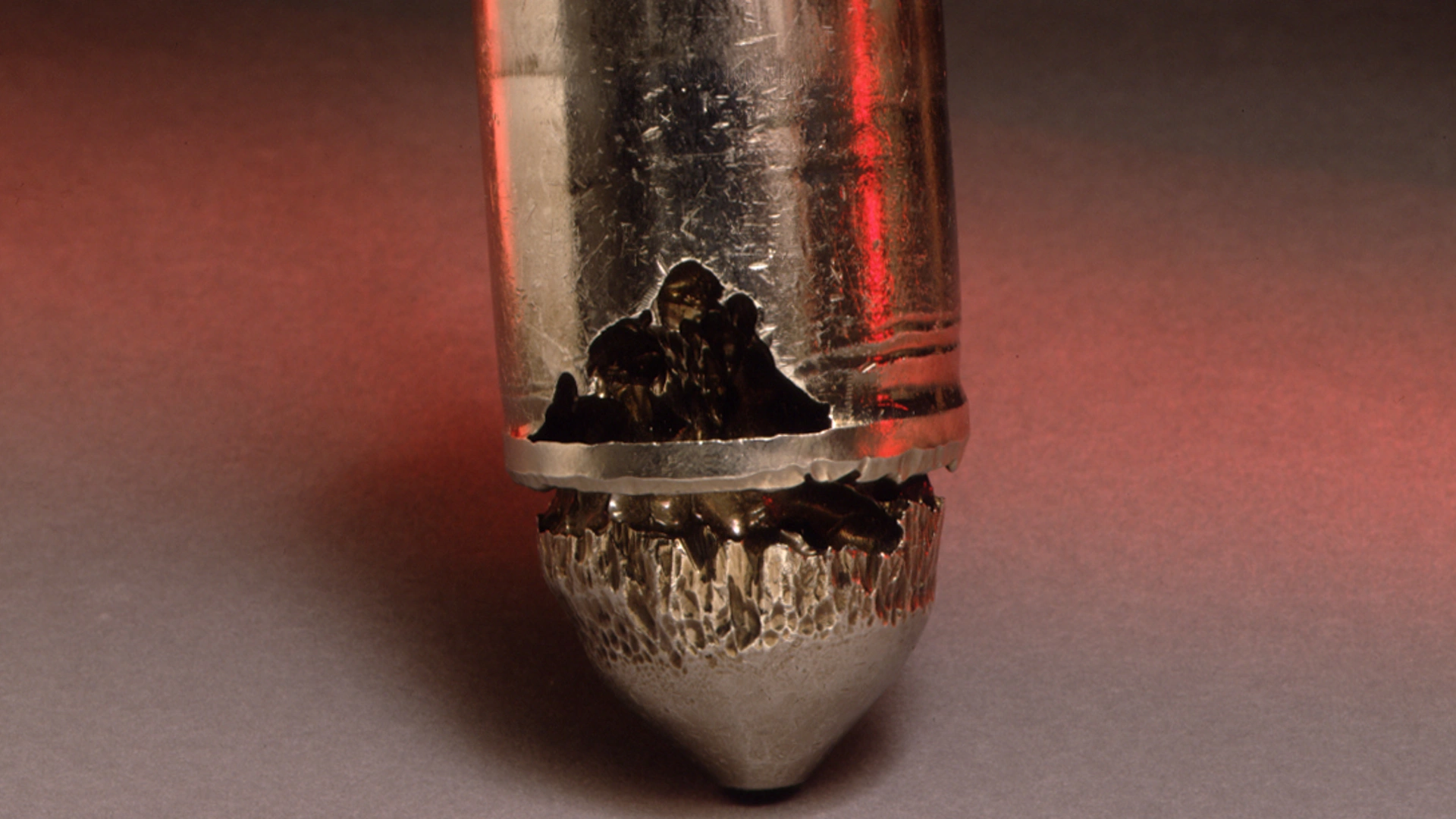
Damage Potential
Flashing is a direct result of application conditions and fluid properties. This means there is no way for any control valve to prevent flashing. Since flashing cannot be prevented by the valve, the best solution is to select a valve with the proper geometry and materials to avoid or minimize damage.
There is no erosion coefficient, no industry standards, and no scientific means for predicting the intensity of flashing damage. However, Emerson understands that flashing damage potential is a function of many factors which include flow rate, fluid velocity, pressure drop, corrosive nature of fluid, body geometry, and valve body and trim material.