Pipeline Inspection Gauge (PIG) Detection
Non-intrusively detect all types of PIGs and debris removal in pipeline maintenance operations.

Non-intrusively detect all types of PIGs and debris removal in pipeline maintenance operations.

The Rosemount™ PDS42 Acoustic PIG Detector is a non-intrusive Pipeline Integrity Management (PIM) tool that detects all type of PIGs, including scraper, cleaning, or batching PIGs, and enables operators to understand the performance and control their pigging operations. The detector is compact, low weight and can provide easy-to-use data directly to your DCS or SCADA systems.
A pipeline pigging operation refers to the process of using a Pipeline Inspection Gauge (PIG) to clean, inspect, or maintain pipelines. The PIG is a cylindrical or spherical device inserted into a pipeline and propelled by the flow of gas or liquid within the pipe. Pigging operations are carefully scheduled with strict timelines, massive resource deployments and tight budgets.
The consequences of “losing track” of a PIG during pigging operations can be costly, as this may often require specialized equipment and labor to locate and retrieve the PIG, resulting in delays, extended timelines, and increased operational costs.
The PIG detector thus plays a critical role in the operation, as it provides the operator with following essential insights:
Actively tracks the PIG inside the pipeline during a pigging operation, knowing when the PIG left the launcher station and entered the main flowline, or when the PIG has reached the receiver station, so that the operator can command the valve opening and trap the pig in the receiver chamber.
Identifies the debris removal during pipeline cleaning operations. This information is crucial for determining if additional cycles are needed until pipe is clean, ultimately optimizing pipeline maintenance and ensuring efficient operations.
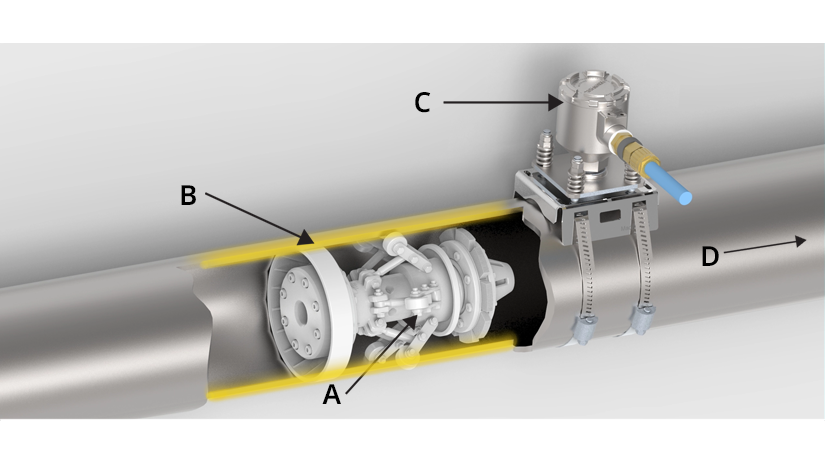
When a PIG (A) moves through a pipe, the friction between the PIG and the pipe generates a distinctive sound signature (B). This sound is analyzed by the algorithm in the Rosemount PDS42 (C) and converted into valuable pigging data. The Rosemount PDS42 provides the following outputs: a “PIG Approach” message, a “PIG Passed” message, and a Debris Indication before the PIG continues moving through the pipe (D). The minimum detectable velocity requirement for Rosemount PDS42 is 0.05m/s, depending on PIG material.
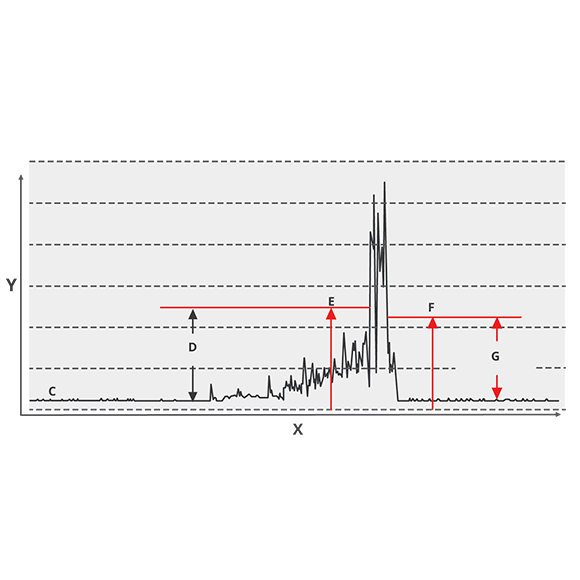
When a PIG is approaching the Rosemount PDS42 PIG detector, the signal noise generated by the PIG rises above the Average Noise Level (C) and the PIG enters the Approach Threshold (D). When the noise level reaches above a defined limit for the PIG approach (E), the “PIG Approach” message is triggered.
The intensity of the signal noise (Y) will increase over time (X) until it spikes as the PIG passes by the detector.
Once the PIG has passed the detector, the noise level drops back to normal level. When the level drops off below a defined limit (F), the “PIG Passed” message is triggered and the PIG enters the Passed Threshold (G) as it continues to move through the pipe.
The Rosemount PDS42 can distinguish between external noise and PIG passage. External noises generated by valve openings or accidental pipe impacts are characterized by higher amplitude and shorter duration of the signal, than the noise generated by the PIG passage. To prevent false detection, it is essential to set up the correct parameters and thresholds during commissioning. Please see more details in the Rosemount PDS42 Quick Start Guide.
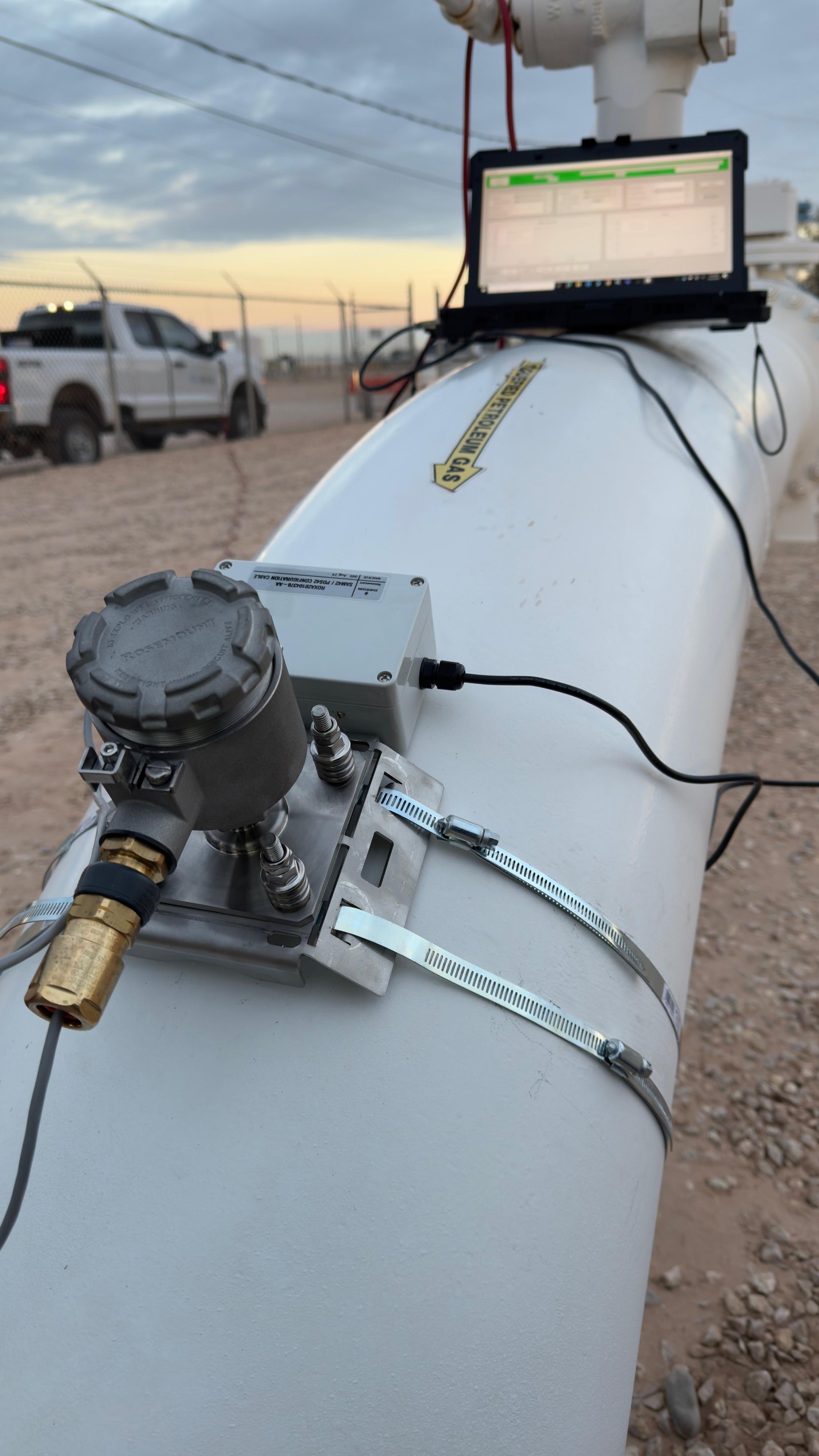
Non-intrusive design allows for easy and quick installation without a process shutdown or pipe modifications
Install anywhere and retrofit or move your PIG detector without an issue on any pipe diameters between 2’’ and 48’’
Detect any type of PIG in any type of fluid, including multiphase flow
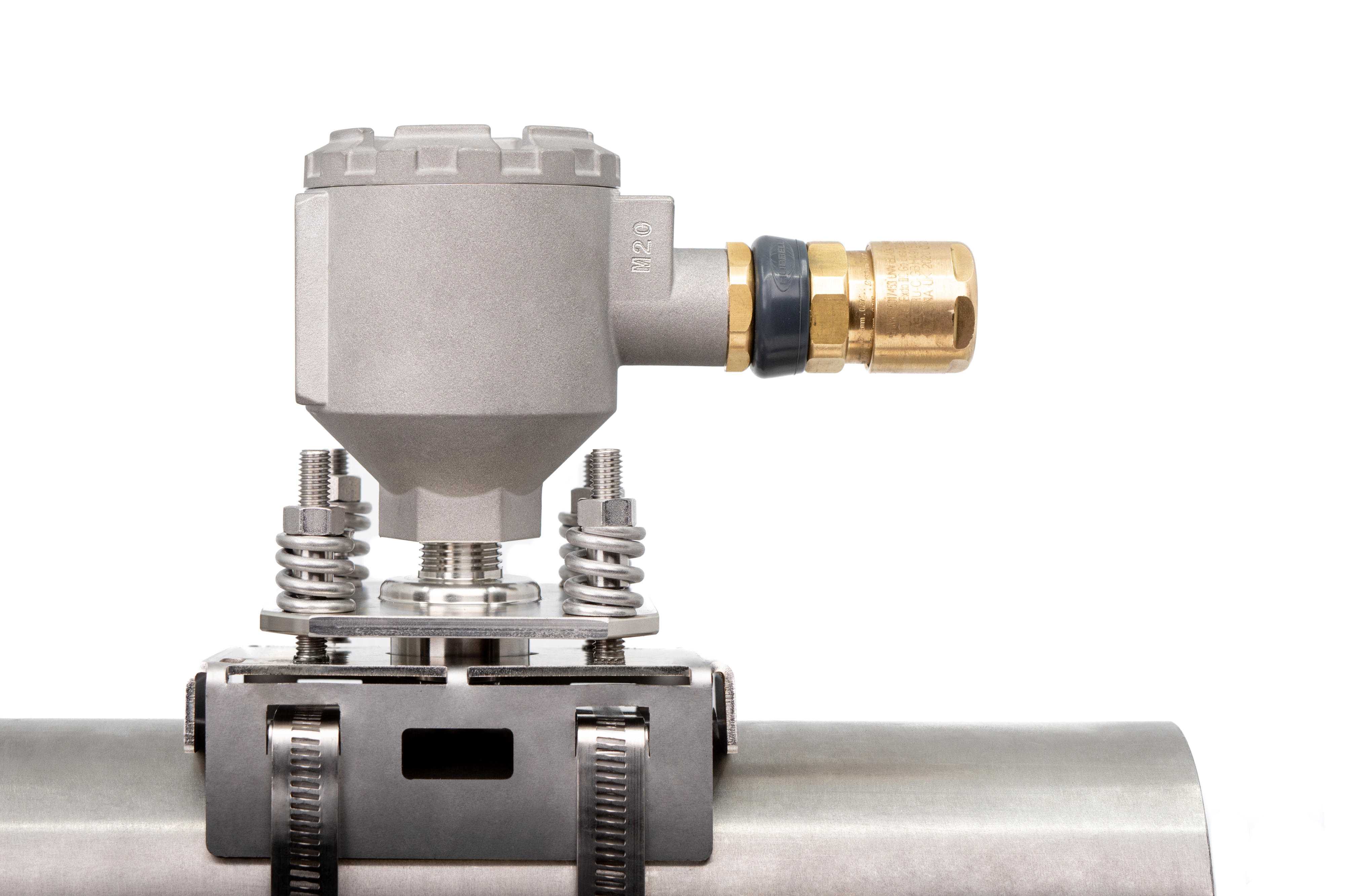
Compact, explosion-proof, and high temperature rated up to 290 °C
Does not require software to detect or communicate PIG passages. Critical parameters are placed on Modbus registers that are mapped in DCS
Common Applications requiring PIG Detection include:
Oil & Gas Upstream and Downstream, Offshore and Onshore
Midstream Transportation Lines
FPSOs
Chemical, Food and Beverage, Water and Wastewater, or any application with liquid passing through pipes

Frequently Asked Questions (FAQs):
Pipeline Inspection Gauges (or PIGs) are devices used to clean, dewater, and examine the inside of pipelines, or remove blockages.
It is important to know if the PIG has successfully made it through the pipeline and was collected in the PIG receiver chamber, as it can be very expensive to retrieve if it gets stuck or lost. The Rosemount PDS42 Acoustic PIG Detector allows operators to know exactly where the PIG is located inside the pipeline, helping you to run a safe and cost-effective pigging operation.
No software is required to operate the Rosemount PDS42 due to embedded digital signal processing. PIG passage events are signaled in DCS directly and/or locally via light indication.
Debris indication is a number that indicates the amount of debris scraped as the PIG passes through the pipeline. With each PIG run, if the debris value decreases, this suggests that the pipeline is becoming cleaner. This is crucial because it allows the operator to save on expenses by avoiding performing unnecessary PIG runs.
The design of non-intrusive PIG detectors, such as the Rosemount PDS42 Acoustic PIG Detector, offers several benefits, including the ability to install at any time without modifying the pipeline or interrupting production. It enables real-time event notifications in the control room to facilitate centralized pigging operations. Additionally, it requires minimal maintenance and reduces operational costs compared to the frequent failures of internal moving parts in mechanical signalers, contributing to overall safer operations.

