Standardize and Govern Process Parameters Across the Product Lifecyle
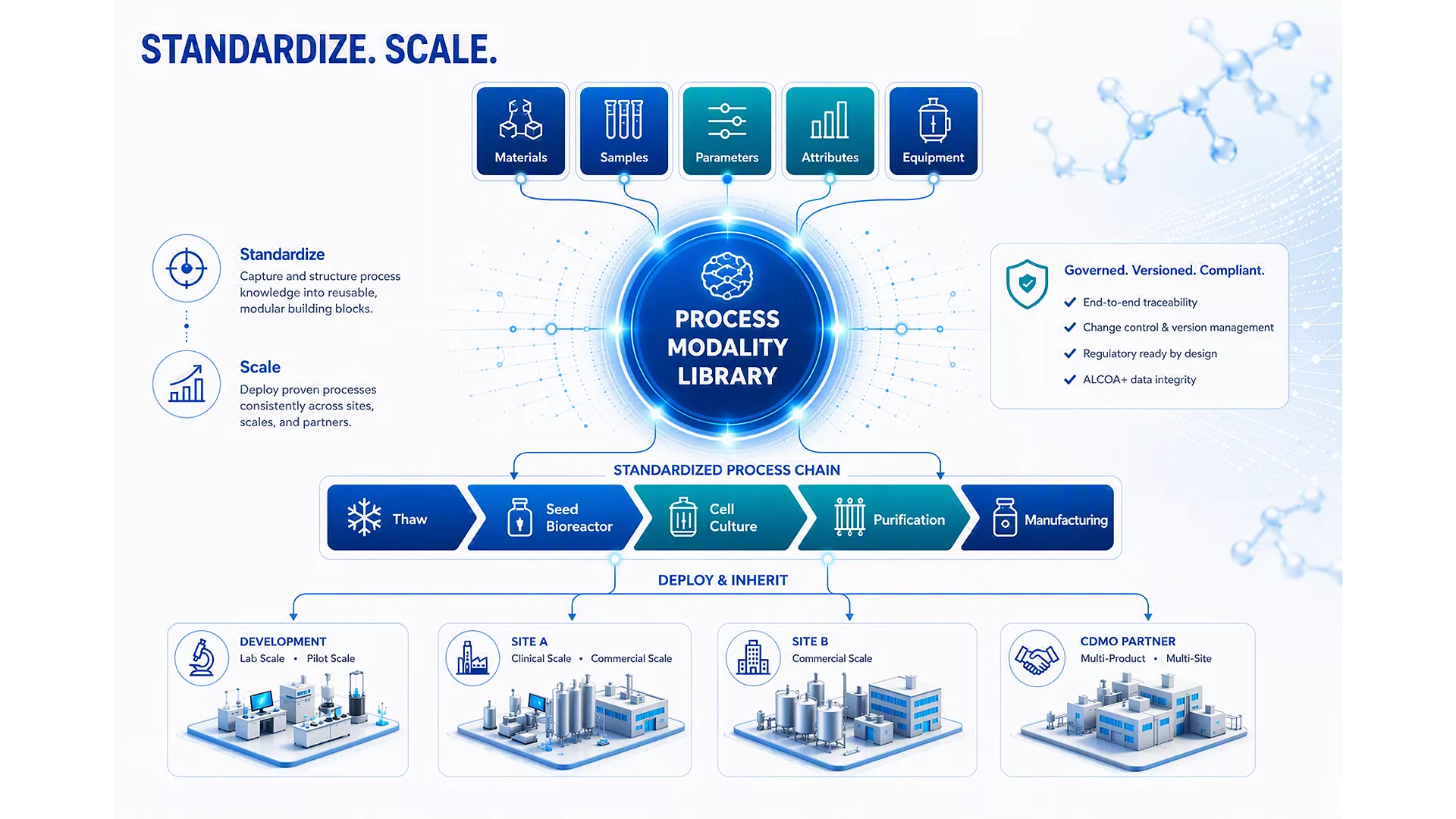
A key functionality of DeltaV Process Knowledge Management (PKM), provides a centralized, governed environment for defining, managing, and transferring critical process parameters from development through commercial manufacturing. By replacing disconnected spreadsheets and manual handoffs with a structured digital framework, organizations can improve traceability, strengthen data integrity, accelerate technology transfer, and ensure consistent execution across manufacturing systems
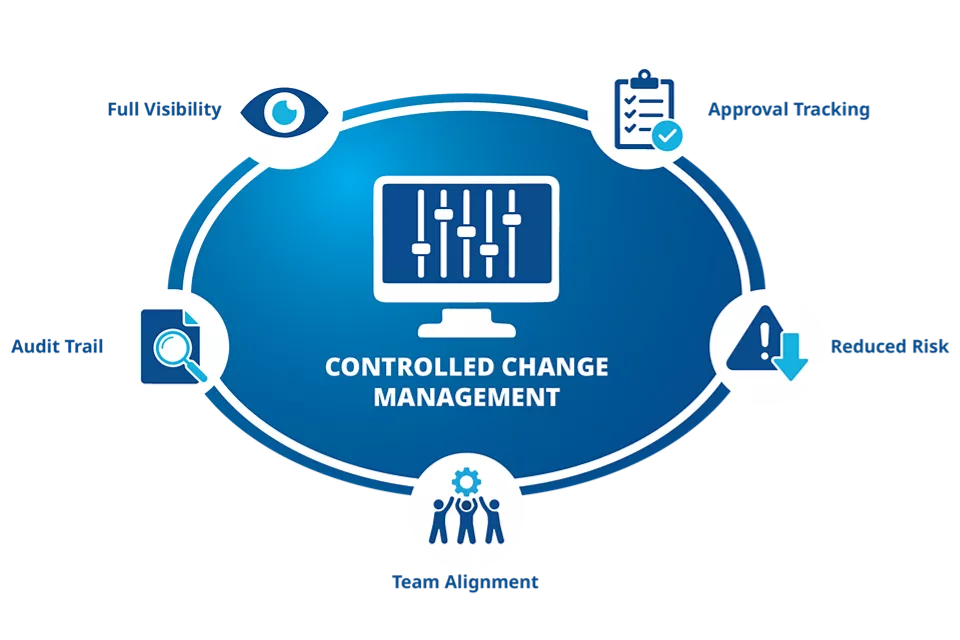
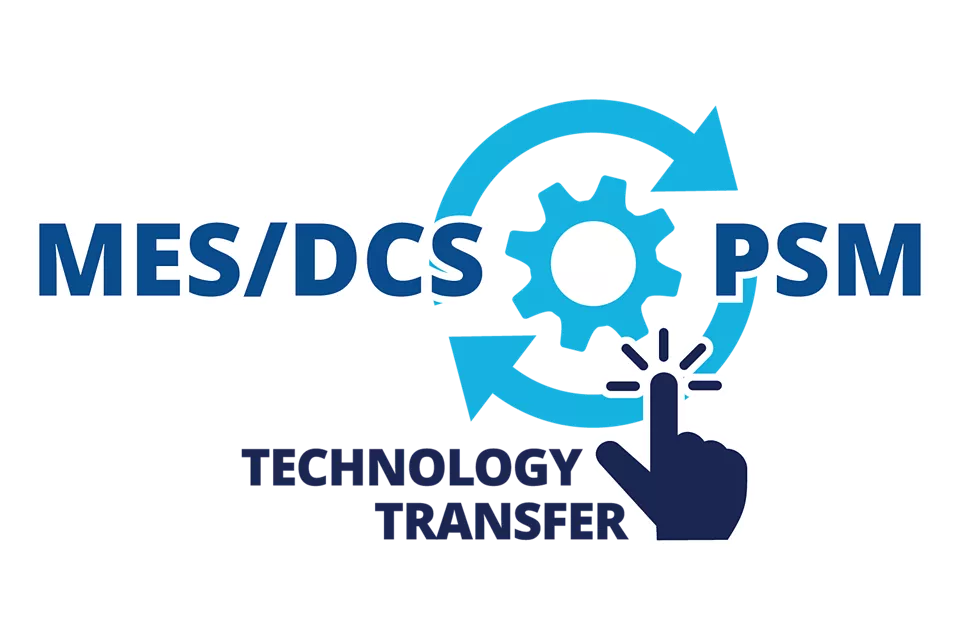
Benefits of Digitized Process Management
Improved Data Integrity and Compliance
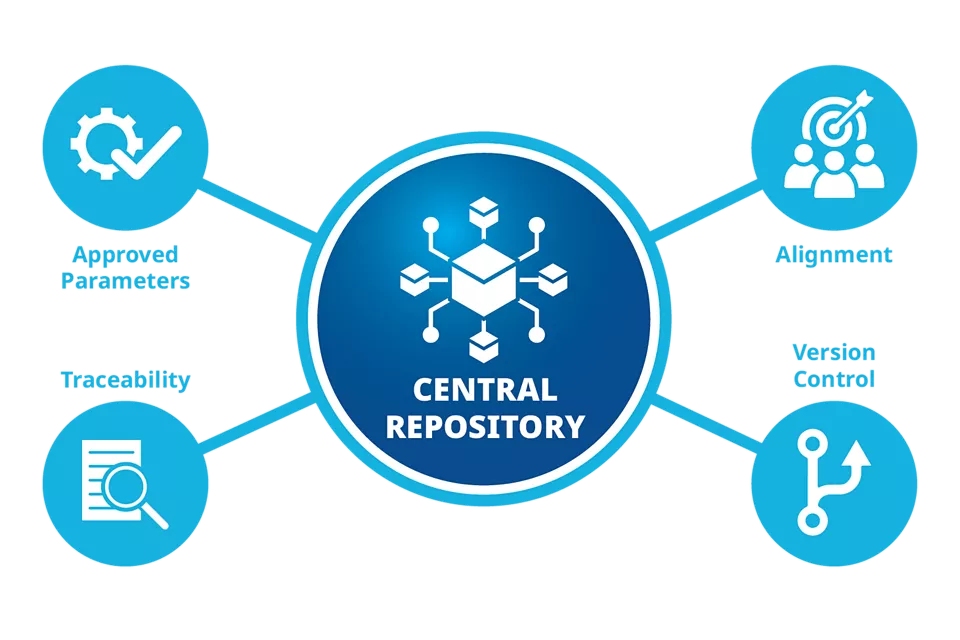
Parameter definitions, limits, and associated metadata are maintained within a controlled digital environment, supporting data integrity requirements and reducing reliance on manual maintained spreadsheets. Full traceability helps organizations maintain inspection readiness and confidence in process knowledge
Reduced Manual Effort and Errors
Direct digital management of parameters eliminates duplicate entry and spreadsheet reconciliation activities. By reducing manual handling of critical process information, organizations can minimize transcription errors and improve operational efficiency
Faster Technology Transfer
Process parameters developed during R&D and scale-up can be transferred consistently to manufacturing systems without extensive manual recreation. This reduces delays during process transfer and helps ensure execution aligns with validate process intent

Better Cross-Functional Collaboration
Development, process engineering, manufacturing, and quality teams work from a common set of approved parameters, improving communication, reducing inconsistencies, and supporting faster decision-making.

Consistent Process Execution
Approved parameters can be made to downstream systems, helping ensure recipes, batch records, and control strategies are executed using current, validated process information.
Foundation for Continuous Improvements
Because process parameters are maintained within a structured digital framework, organizations can more easily analyze trends, manage changes, and build a stronger knowledge base for future products, sites, and manufacturing campaigns.