
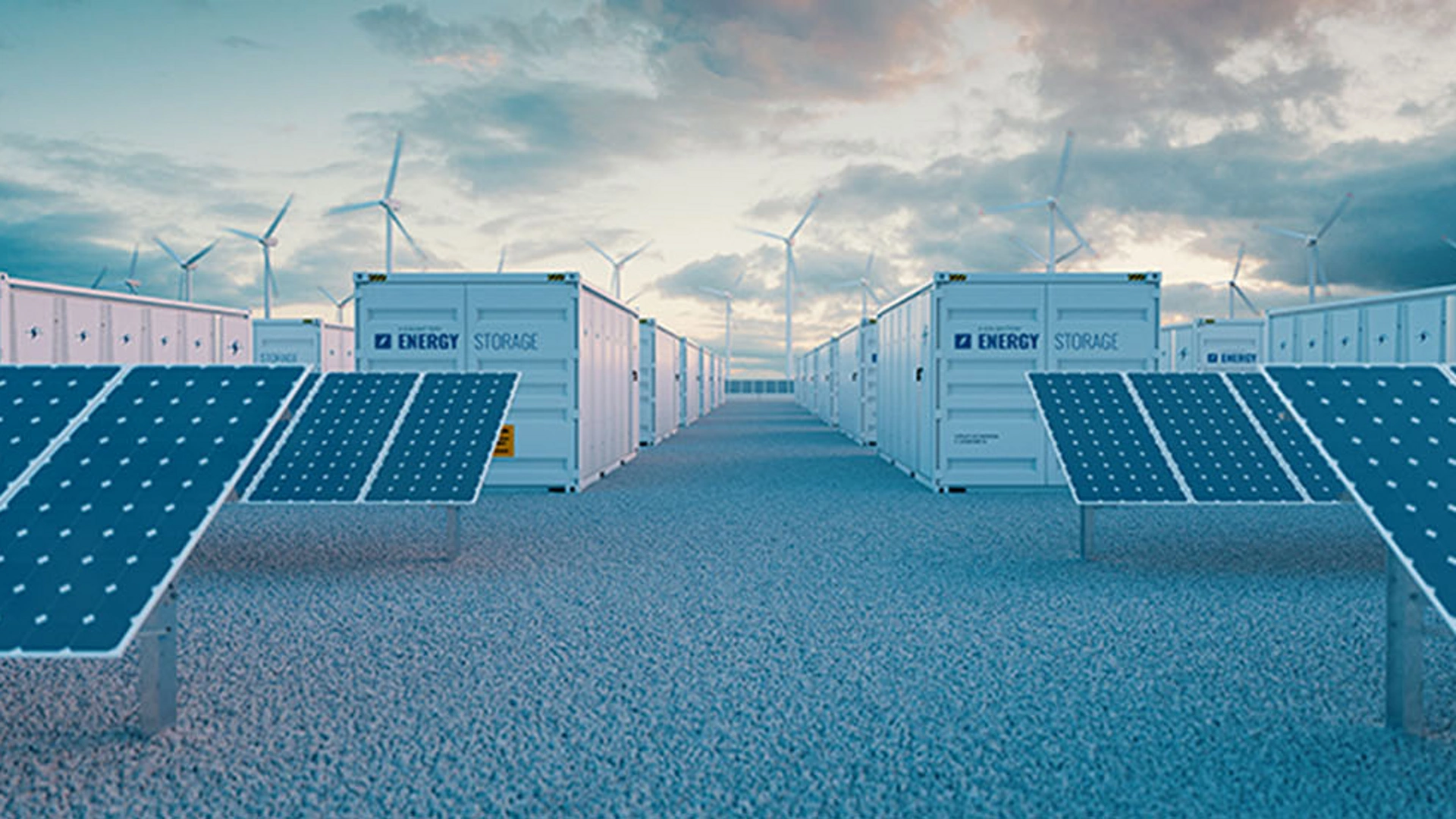
Battery energy storage systems (BESS) are rapidly evolving from backup power resources into foundational components of modern energy infrastructure. As renewable generation, electrification, distributed energy resources, and AI-driven demand growth reshape power systems, energy storage is increasingly being called upon to support reliability, flexibility, and operational performance.
At the same time, operators are managing more data, more assets, and more operational complexity than ever before. Modern energy storage systems must do far more than charge and discharge energy. They must continuously balance generation and load, support grid stability, improve operational efficiency, and help organizations respond to changing conditions in real time.
Meeting these demands requires intelligent infrastructure that combines battery storage with advanced automation, analytics, and operational decision support.

Why Energy Storage Is Becoming Critical Infrastructure
Energy storage is playing an increasingly important role as energy systems become more dynamic and interconnected. Renewable generation introduces variability into the power system, while emerging technologies such as AI-scale data centers can create rapid fluctuations in demand. Together, these trends are increasing the need for flexible resources that can respond quickly to changing operating conditions.
Battery energy storage systems provide that flexibility. They can absorb excess generation, respond to sudden load changes, support power quality, and help maintain system stability across a wide range of applications.
As a result, energy storage is becoming a foundational component of modern power systems, supporting everything from renewable energy integration and microgrid operations to utility-scale generation and large industrial facilities.
Managing Complexity at Battery Storage Scale
While battery storage delivers significant operational benefits, managing large-scale storage assets presents unique challenges.
A single BESS installation may contain millions of battery cells, thousands of independent data points, and continuously changing operating conditions. Operators must monitor battery health, state of charge, charge and discharge performance, environmental conditions, and overall system behavior while maintaining reliability and safety.
Battery chemistry adds another layer of complexity. Performance characteristics evolve over time, and identifying emerging issues before they impact operations can be difficult using conventional monitoring approaches alone.
These challenges generate enormous volumes of operational data. Converting that data into actionable insights requires systems capable of continuously monitoring, analyzing, and interpreting storage system behavior in real time.
Emerson’s Approach: Bringing Intelligence to Energy Storage Operations
As energy storage systems become larger and more critical to operations, organizations require more than visibility into battery performance. They need the ability to transform operational data into actionable intelligence.
Emerson helps operators manage energy storage assets through a unified operational environment that combines deterministic control, energy management, monitoring, and AI-enabled operational intelligence. Platforms such as the Ovation™ Automation Platform provide centralized visibility across storage assets while helping operators identify abnormal conditions and respond more effectively to changing operating conditions.
Advanced analytics and AI-enabled applications can further enhance operational awareness by identifying patterns across temperature, voltage, charge, and discharge behavior that may not be detectable through static alarm thresholds alone. These capabilities can help operators:
- Improve visibility into battery system performance
- Detect abnormal operating conditions earlier
- Strengthen safety and reliability programs
- Support more proactive maintenance strategies
- Enhance operational decision making through AI-assisted guidance
By combining automation, analytics, and operational expertise, organizations can move beyond reactive battery management and toward more intelligent energy storage operations.
Connecting Storage Operations with Forecasting and Optimization
Real-time monitoring and control are only part of the equation. Maximizing the value of energy storage also requires forecasting, scheduling, and optimization capabilities that help operators make informed decisions over longer planning horizons.
Integrated energy management and optimization platforms help organizations evaluate factors such as renewable generation forecasts, anticipated demand, market conditions, and battery availability when determining how storage assets should be utilized.
Solutions such as AspenTech Digital Grid Management (DGM) help operators:
- Forecast energy supply and demand
- Optimize battery charging and discharging strategies
- Support economic dispatch decisions
- Improve renewable energy utilization
- Evaluate opportunities for grid services and energy market participation
This combination of real-time control and predictive optimization allows organizations to improve both operational performance and economic outcomes.
Building the Next Generation of Intelligent Energy Systems
The role of energy storage is continuing to expand. What was once viewed primarily as backup power infrastructure is increasingly becoming a strategic operational asset that supports reliability, resilience, and energy flexibility.
As power systems become more distributed and interconnected, successful organizations will rely on intelligent energy architectures that combine battery storage, automation, optimization, and AI-enabled operational support within a unified framework.
In this environment, the value of energy storage extends beyond stored energy itself. It includes the ability to continuously monitor, analyze, optimize, and orchestrate energy resources in ways that improve safety, operational performance, and long-term business outcomes.
Ultimately, the future of energy storage will be defined not only by energy capacity, but by how intelligently that energy can be managed.
Frequently Asked Questions About Intelligent Energy Storage
Energy storage helps support grid stability, renewable energy integration, power quality, operational flexibility, and resilience across modern power systems.
AI-enabled applications can analyze large volumes of operational data, identify performance anomalies, provide early warning of developing issues, and support more informed operational decision making.
Large-scale battery systems generate significant amounts of operational data and require continuous monitoring of battery health, state of charge, environmental conditions, and overall system performance.
AI-enabled analytics can help identify developing performance issues and abnormal operating conditions earlier, allowing operators to take proactive measures before problems escalate.
A battery energy management system helps coordinate monitoring, control, optimization, and performance management across energy storage assets to improve operational effectiveness.
Emerson provides automation, SCADA, battery management, AI-enabled operational applications, and energy optimization technologies that help organizations manage energy storage assets within a unified operational framework.
Learn More
- Explore how the Ovation™ Automation Platform supports battery energy storage system operations
- Learn how Emerson's BESS Energy Management System improves visibility and coordination across large-scale storage assets
- Discover how AspenTech Digital Grid Management supports forecasting, scheduling, and energy optimization
- Learn how Ovation™ Green helps integrate renewable generation and energy storage within unified control architectures
- Explore how Ovation AI-Enabled Applications support operational intelligence across complex energy systems
Source Acknowledgment
This Emerson perspective expands on industry trends discussed in North American Clean Energy, “From Backup Power to Intelligent Infrastructure: The New Role of Energy Storage” (September/October 2026), by James Fraser. The original article examines how AI, automation, and advanced analytics are transforming battery energy storage systems from passive infrastructure into intelligent operational platforms. This page extends the discussion by highlighting how Emerson's automation, battery management, AI-enabled applications, and energy optimization technologies help organizations improve the safety, performance, and value of modern energy storage systems.