
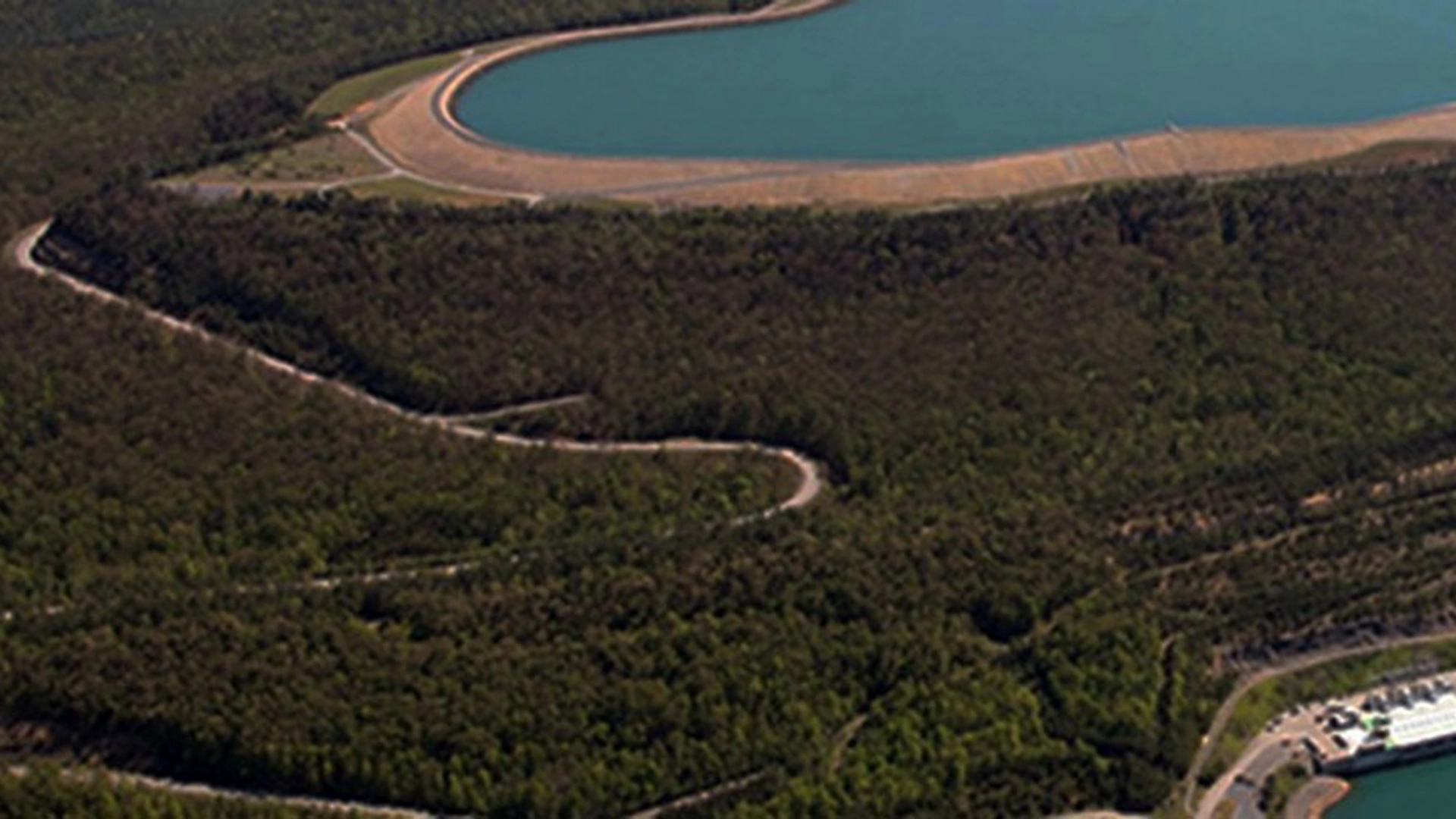
Pumped storage hydropower (PSH) is the backbone of long‑duration energy storage, providing fast response, frequency support, and grid stability as renewable generation grows. Many pumped storage facilities, however, rely on aging controls and equipment that were never designed for today’s frequent cycling, rapid mode changes, or modern cybersecurity requirements. Emerson’s Ovation™ Automation Platform modernizes pumped storage operations by unifying turbine, pump‑turbine, motor‑generator, hydraulic, and balance‑of‑plant controls into a secure, flexible, and resilient architecture. The result is improved operational reliability, tighter unit coordination, safer mode transitions, and better visibility into system behavior across both pumping and generating modes.
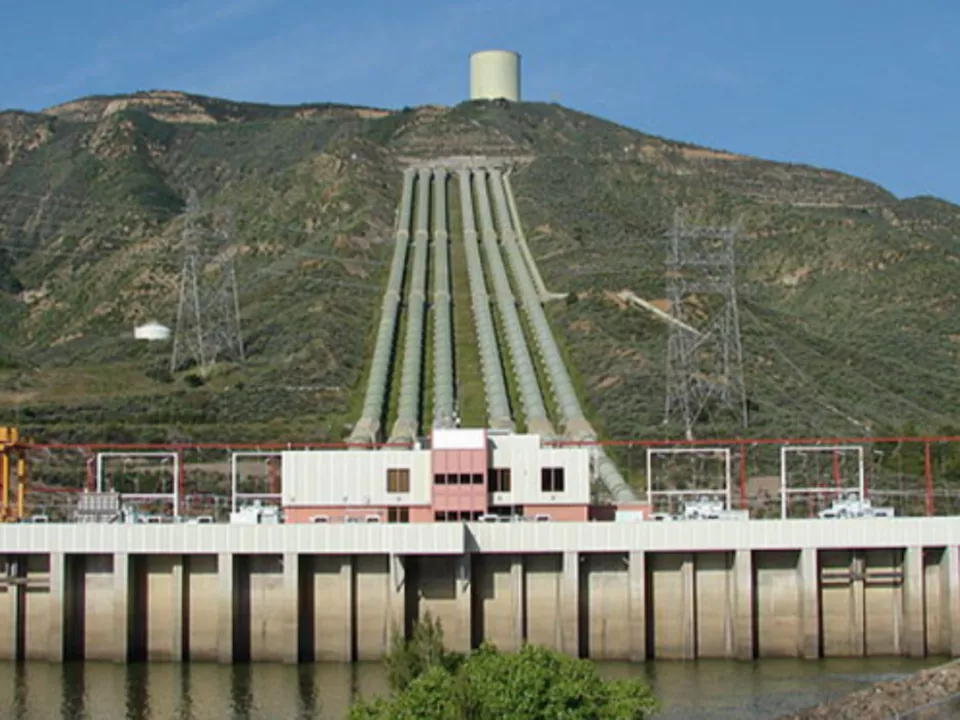
What Is Pumped Storage Hydropower?
Pumped storage hydropower (or pumped storage hydroelectricity) is a form of energy storage that moves water between two reservoirs at different elevations. During periods of low demand or excess renewable generation, the plant operates in pumping mode, pumping water from the lower reservoir to the upper reservoir. During periods of high demand, the plant switches to generating mode, releasing water downward to allow the units to produce power.
Modern pumped storage facilities typically use reversible pump‑turbines and motor‑generator sets that must transition quickly and safely between operating modes. These transitions involve complex interactions among hydraulic systems, electrical systems, and mechanical equipment; thereby making automation critical for reliable, repeatable performance.
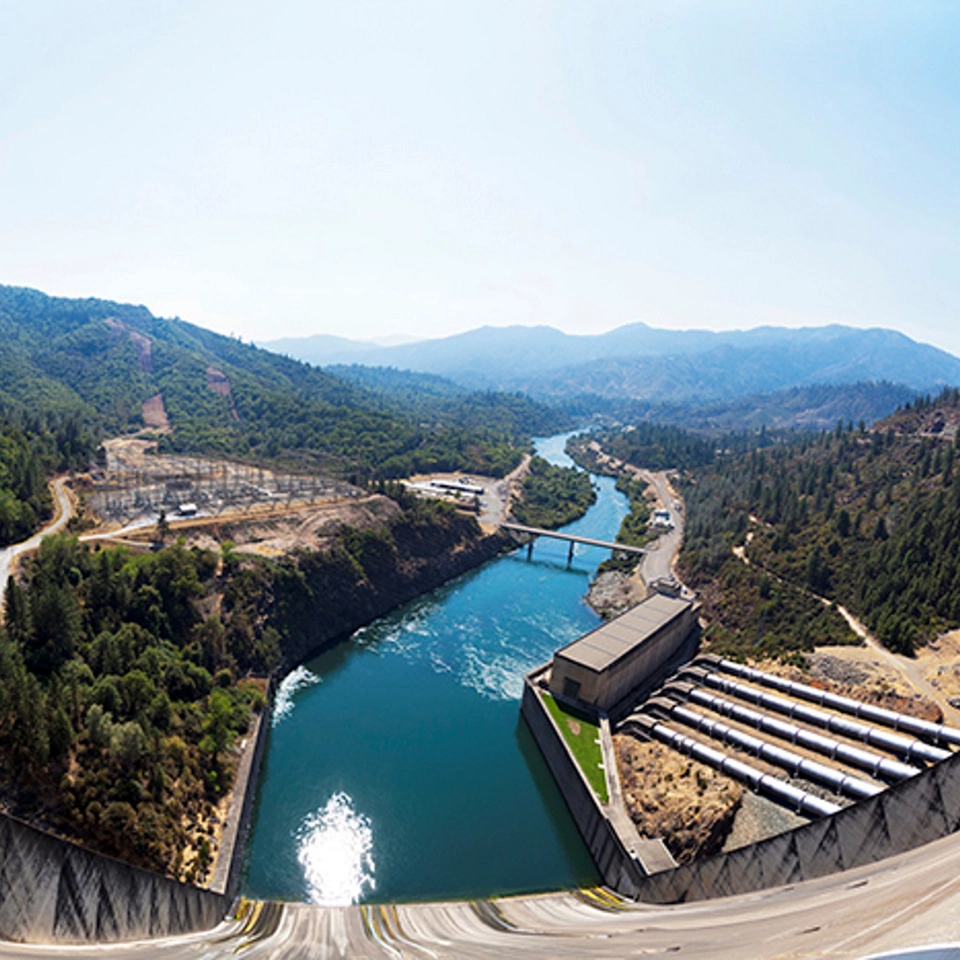
Challenges Facing Today’s Pumped Storage Facilities
Many PSH units still rely on decades‑old governors, exciters, and analog instrumentation that lack the precision, cybersecurity features, and diagnostic capabilities required for flexible operation.
As the grid becomes more dynamic, pumped storage units must start, stop, synchronize, and reverse flow far more often than originally designed. This increases equipment wear and demands tightly synchronized control.
Reversible units require precise coordination between electrical and hydraulic systems to manage torque, speed, synchronization, and loading across both pumping and generating modes.
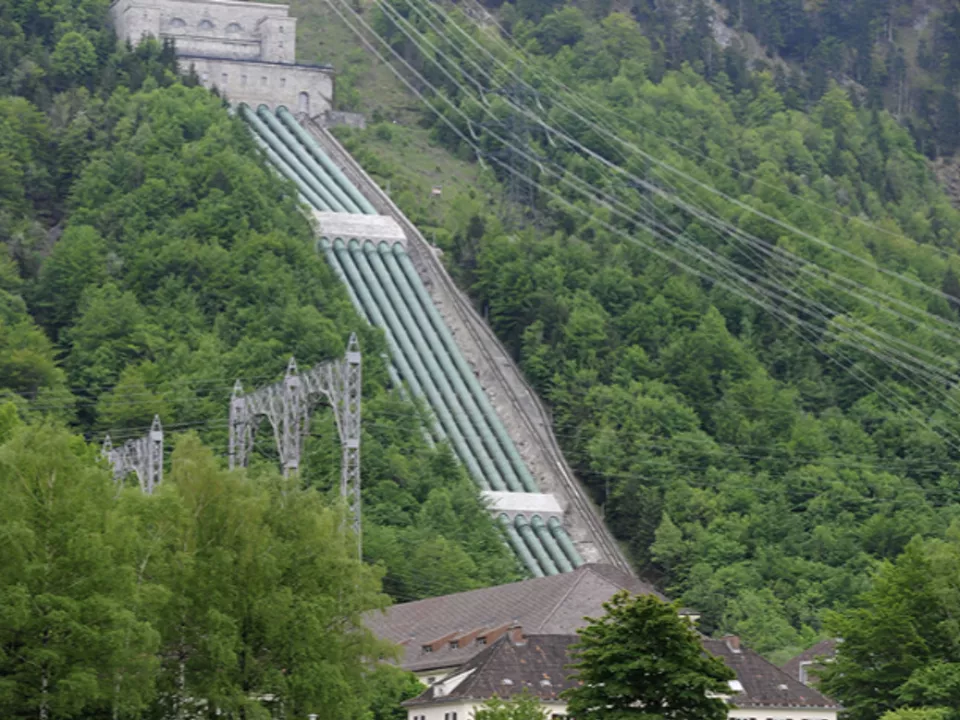
Large hydraulic structures like penstocks, surge tanks, gates, and valves must be controlled precisely to limit pressure fluctuations and avoid equipment fatigue or efficiency losses.
Pumped storage facilities must meet modern NERC CIP expectations and often need secure connectivity for centralized fleet operations or remote support.
Operators may lack unified views of headwater/tailwater levels, unit performance, vibration, efficiency trends, and overall asset condition.
Emerson Capabilities for Pumped Storage Hydropower
Turbine and Pump Turbine Control
- Advanced governor algorithms designed for reversible pump turbine behavior
- Smooth, predictable transitions between pumping and generating modes
- Wicket gate and flow control coordination
- Overspeed and runaway protection to safeguard equipment
- Multi unit coordination to optimize system output and response
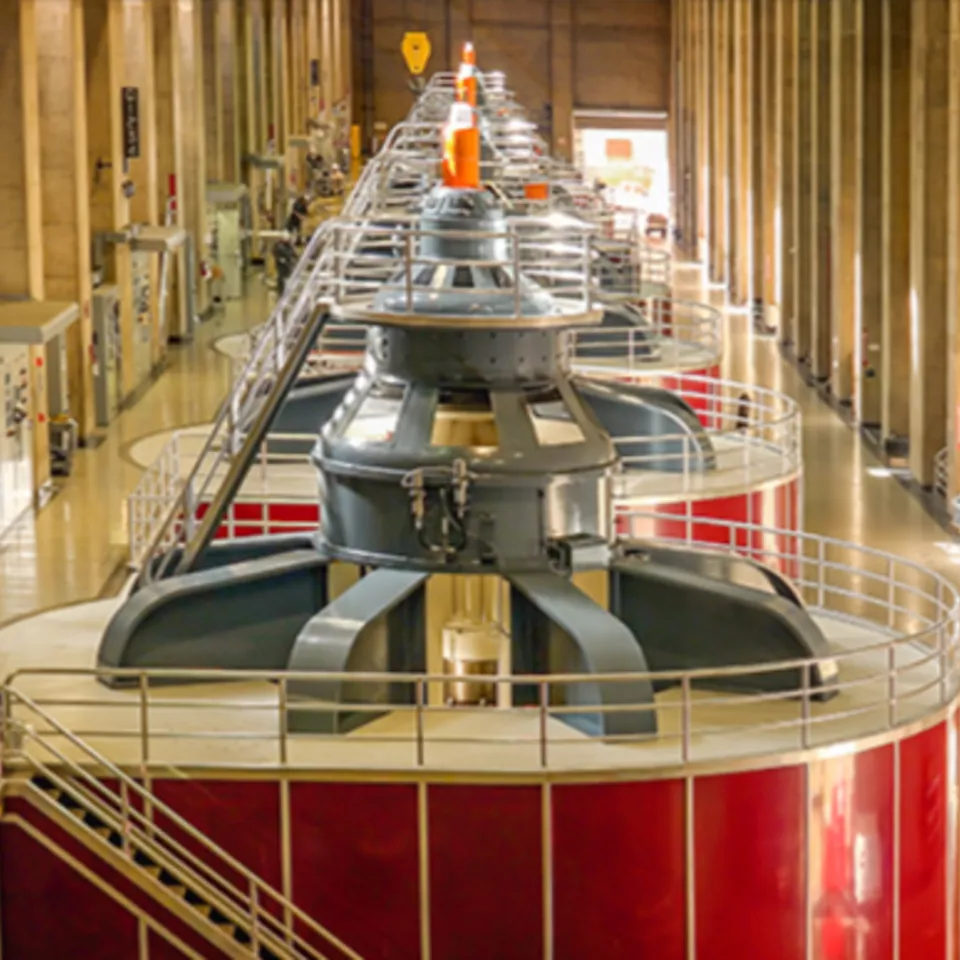
Why Choose Emerson for Pumped Storage?
Emerson and the Ovation Automation Platform brings together control, electrical, hydraulic, and mechanical expertise into a unified environment built specifically for complex hydro conditions. Emerson’s long history in hydropower modernization and deep domain knowledge in power generation provide operators with:
Proven experience in large pumped storage and reversible unit systems
Tight coordination of pump‑turbine, motor‑generator, and hydraulic controls
Predictable, repeatable mode transitions with reduced equipment stress
Scalable architecture for single‑unit plants or large multi‑unit fleets
Simplified engineering and maintenance through a unified platform
Modern cybersecurity and remote capabilities that support evolving grid demands
Emerson helps pumped storage facilities deliver reliable, flexible capacity and ensures they remain strategic assets in a renewables‑heavy energy system.
Frequently Asked Questions about Pumped Storage Automation
It coordinates turbine, pump‑turbine, motor‑generator, hydraulic, electrical, and auxiliary systems to ensure safe, efficient operation in both pumping and generating modes.
Advanced control algorithms manage gate positions, motor/generator control, valve sequencing, synchronization, loading, pressure changes, and hydraulic transients to deliver smooth, repeatable transitions.
It provides long‑duration storage and fast‑response services that help stabilize the grid as more variable wind and solar generation comes online.
By precisely coordinating electrical and hydraulic systems, the Ovation Automation Platform reduces pressure spikes, mechanical loading, and wear during high‑frequency cycling.
Pumped storage requires integration of reversible pump‑turbine behavior, motor‑generator operation, and frequent cycling. These all demand advanced automation strategies.
Yes. Emerson and the Ovation Automation Platform supports staged modernization and can interface with legacy devices, enabling incremental upgrades without extensive downtime.