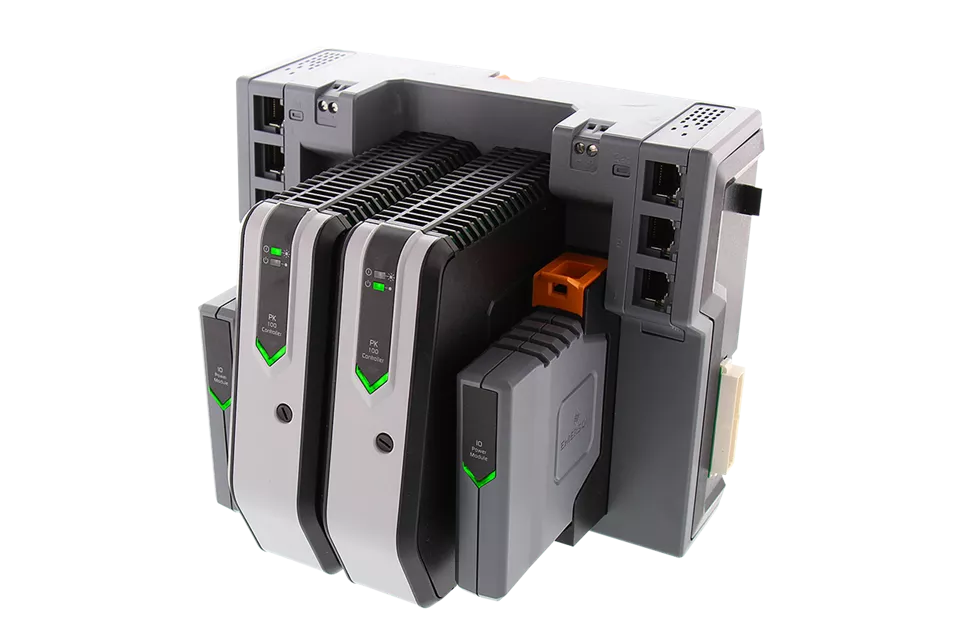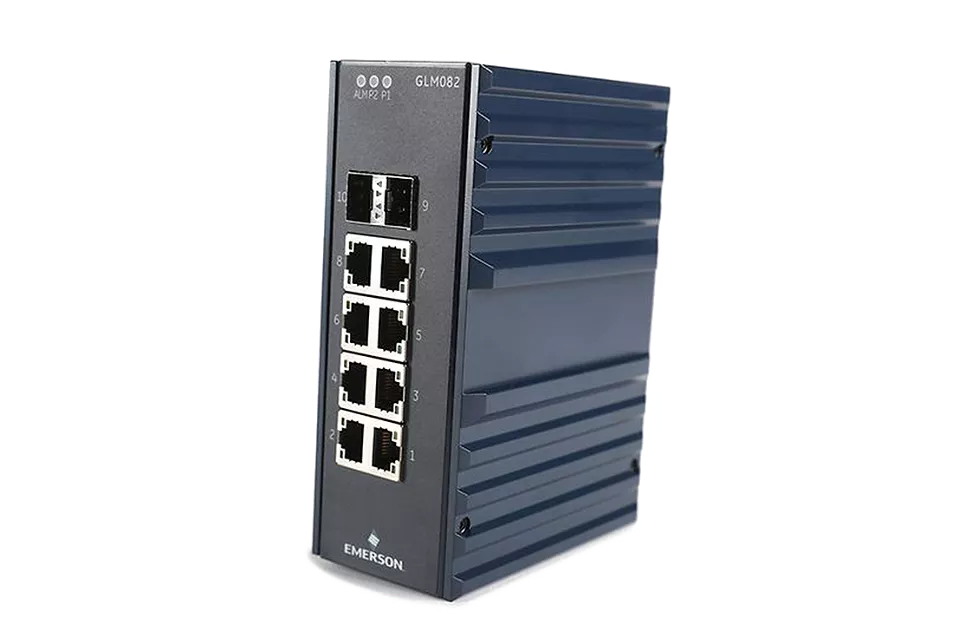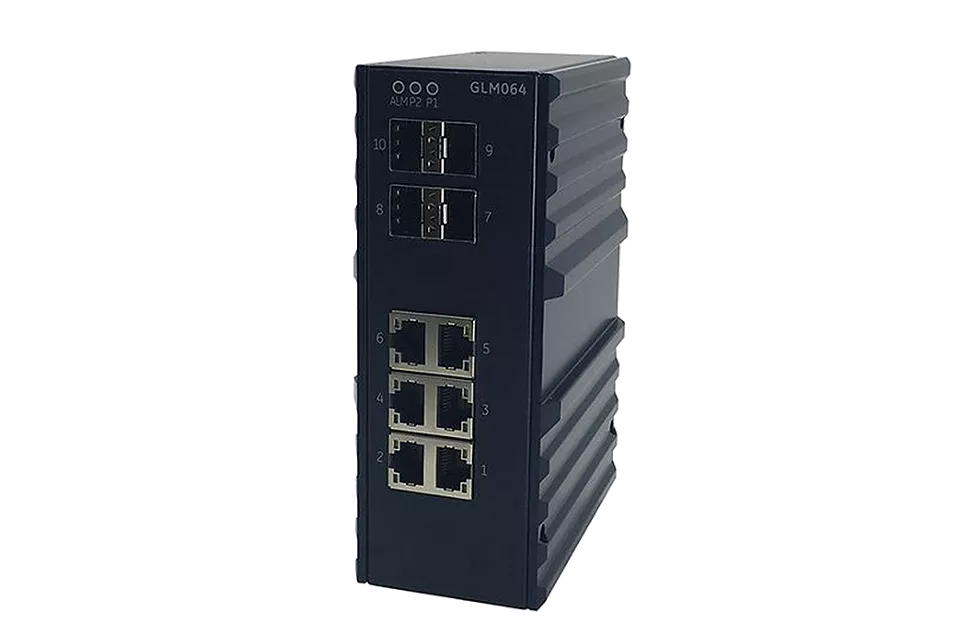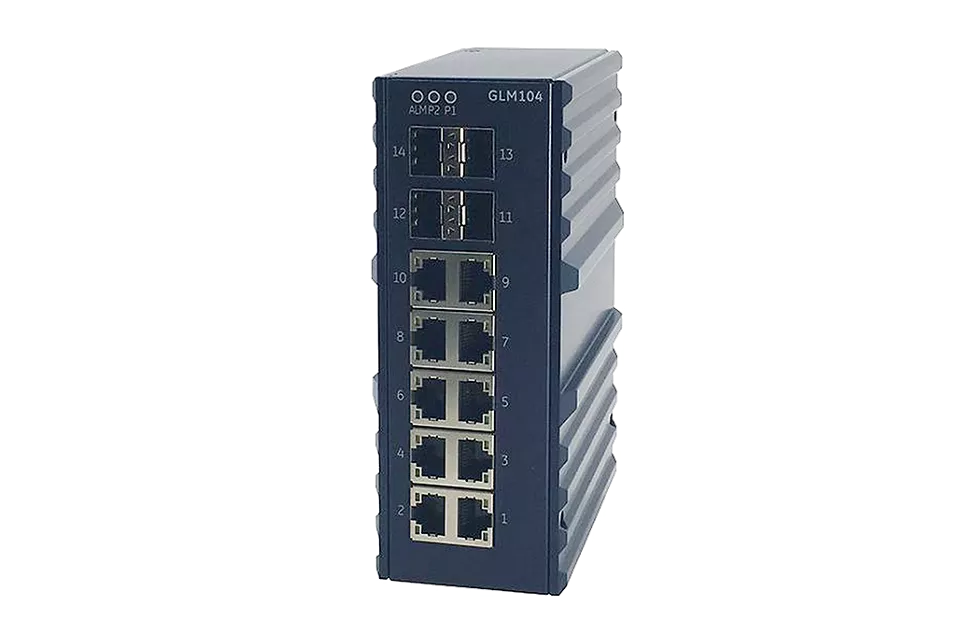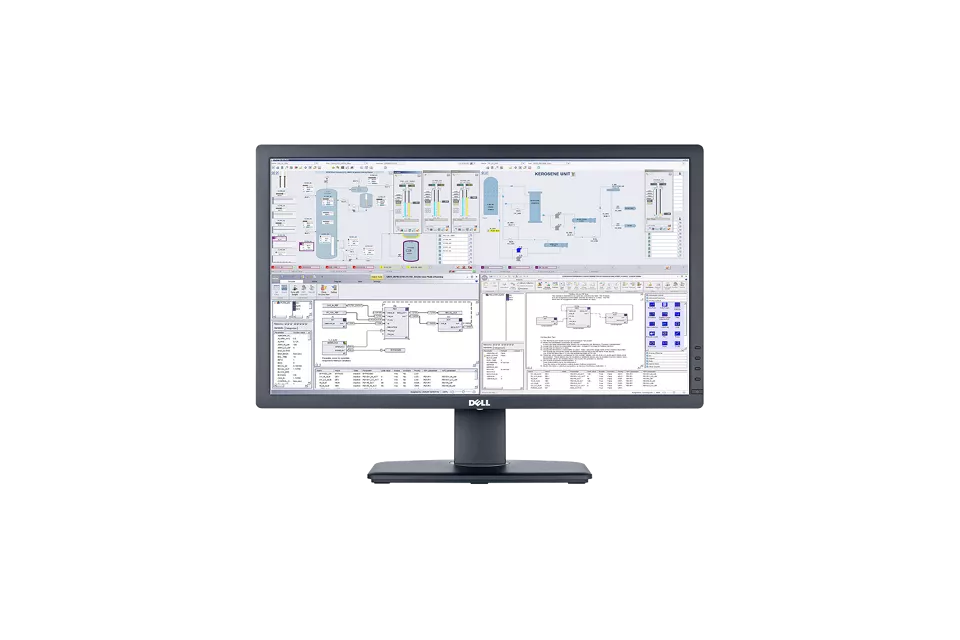
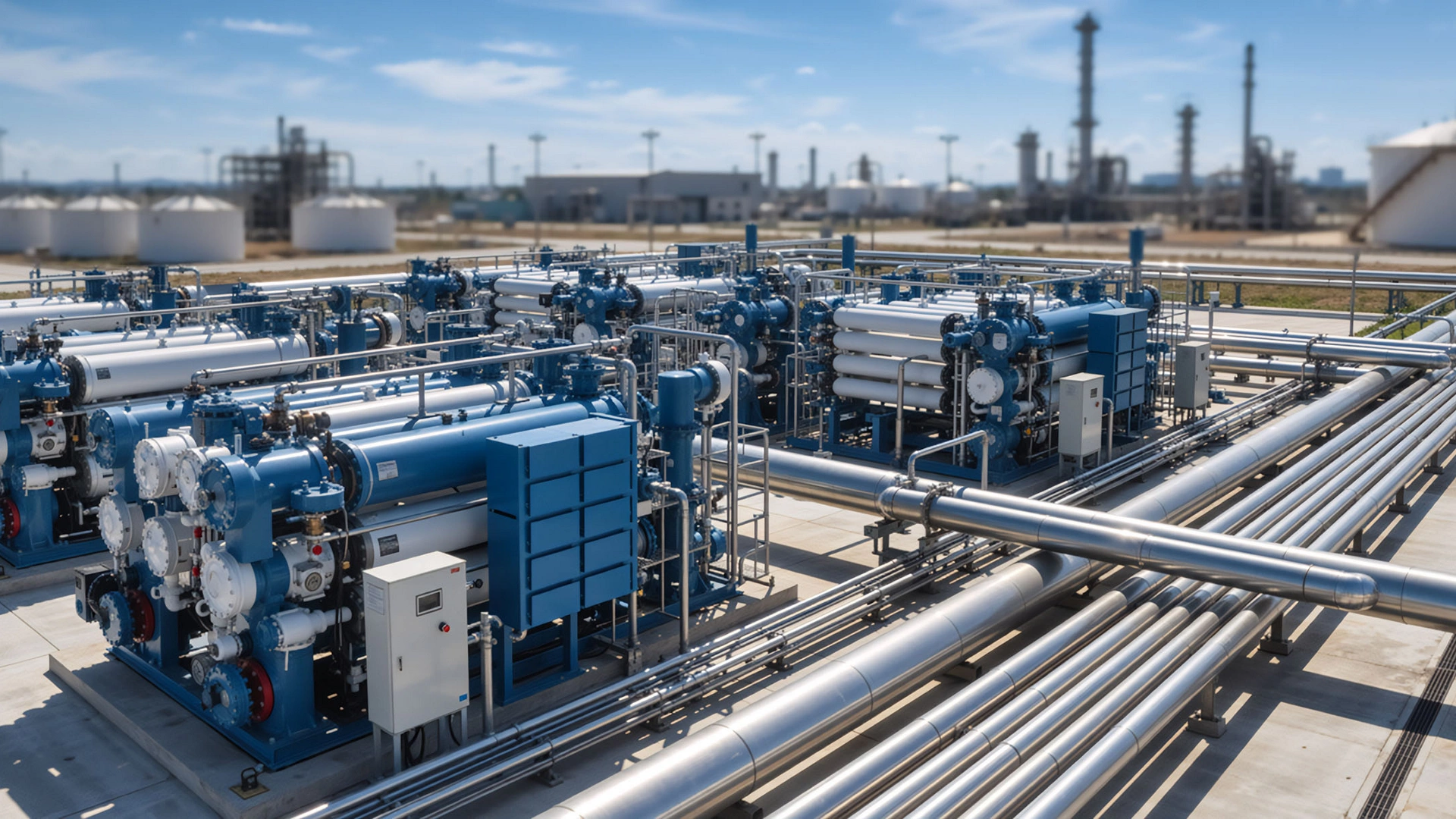
DeltaV Programmable Logic Controllers (PLCs) extend the DeltaV Automation Platform into discrete and hybrid applications, delivering high-speed control in a compact, cost-effective form factor while supporting system-wide integration with process control.
Keep Processes Running Without Delay
Maintain smooth, uninterrupted production with ultra-fast response times that help prevent missed signals, reduce delays, and keep high-throughput processes operating efficiently.

Enable Scalable, Space-Efficient Designs
Deploy discrete control in space-constrained environments with a high-density, compact footprint that integrates easily into your process without sacrificing performance and functionality.

Modular by Design
Adapt quickly to changing requirements with a wide range of I/O and interfaces, all built on a modular architecture that simplifies deployment, expansion, and upgrades.

Optimize Cost of Ownership Across your Operation
Gain industrial-grade automation at a lower total cost, reducing upfront investment and long‑term operational expenses.
Choose the Right PLC for Your Application
Built on modern technologies, the DeltaV PLC portfolio includes two families to fit different application needs.
DeltaV 300-series PLC
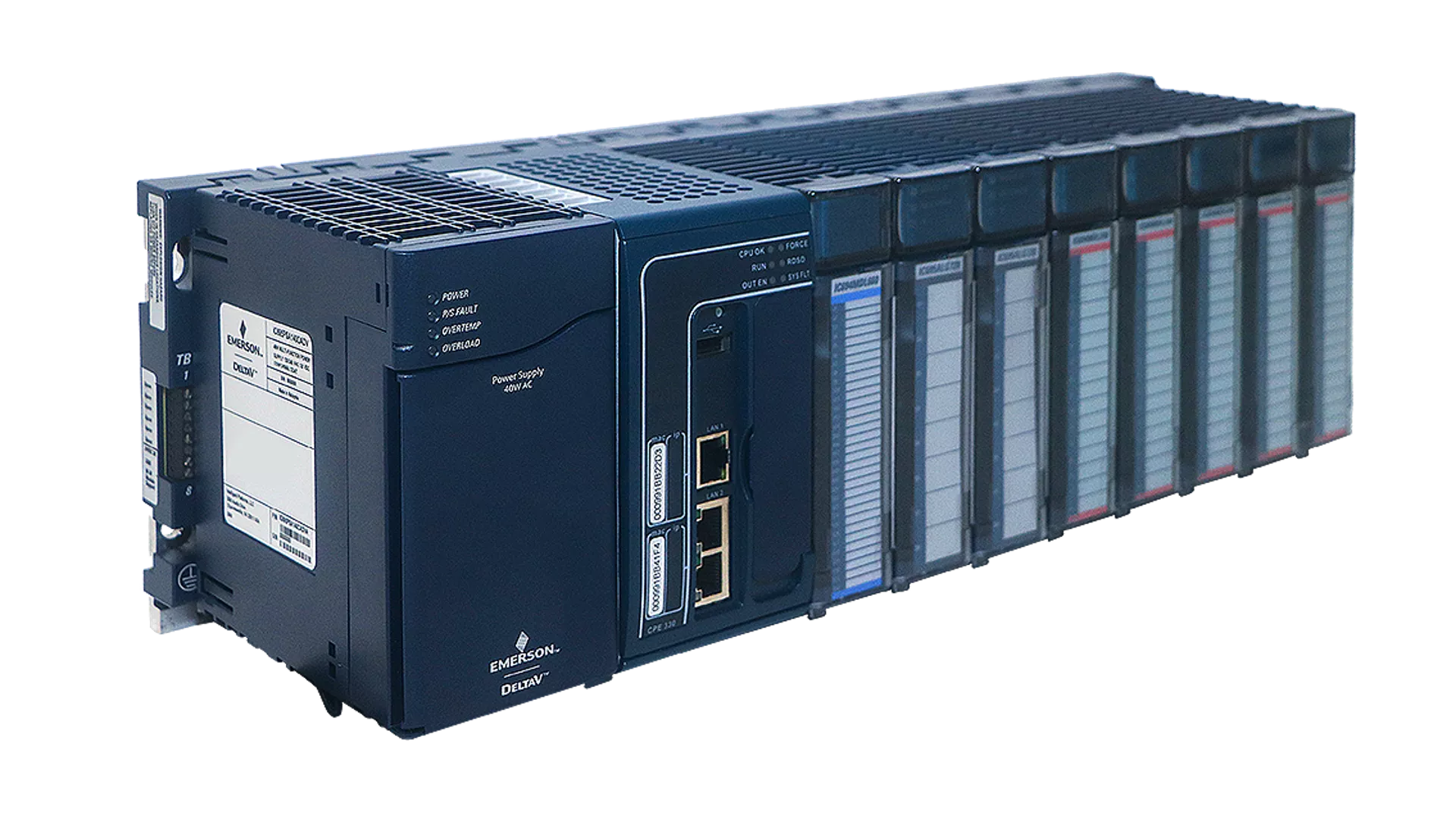
Your go-to for demanding, complex, high-speed (sub 25ms) applications where you need high-performance, high-availability, and the widest selection of I/O modules and interfaces.
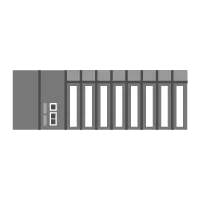
DeltaV 300-series PLC
Provides high-performance control through a modular and scalable platform that integrates rack-based PLCs with an extensive selection of I/O options. This architecture facilitates system expansion and supports hot-swappable modules along with high-speed interfaces, enabling continued operation and reliable access to operational data, which can be utilized within DeltaV applications.
DeltaV 300-series Rack-based I/O
Offers a diverse array of digital, analog, and specialty I/O modules that enables easy installation, online repair, and the customization to meet the needs of your application.
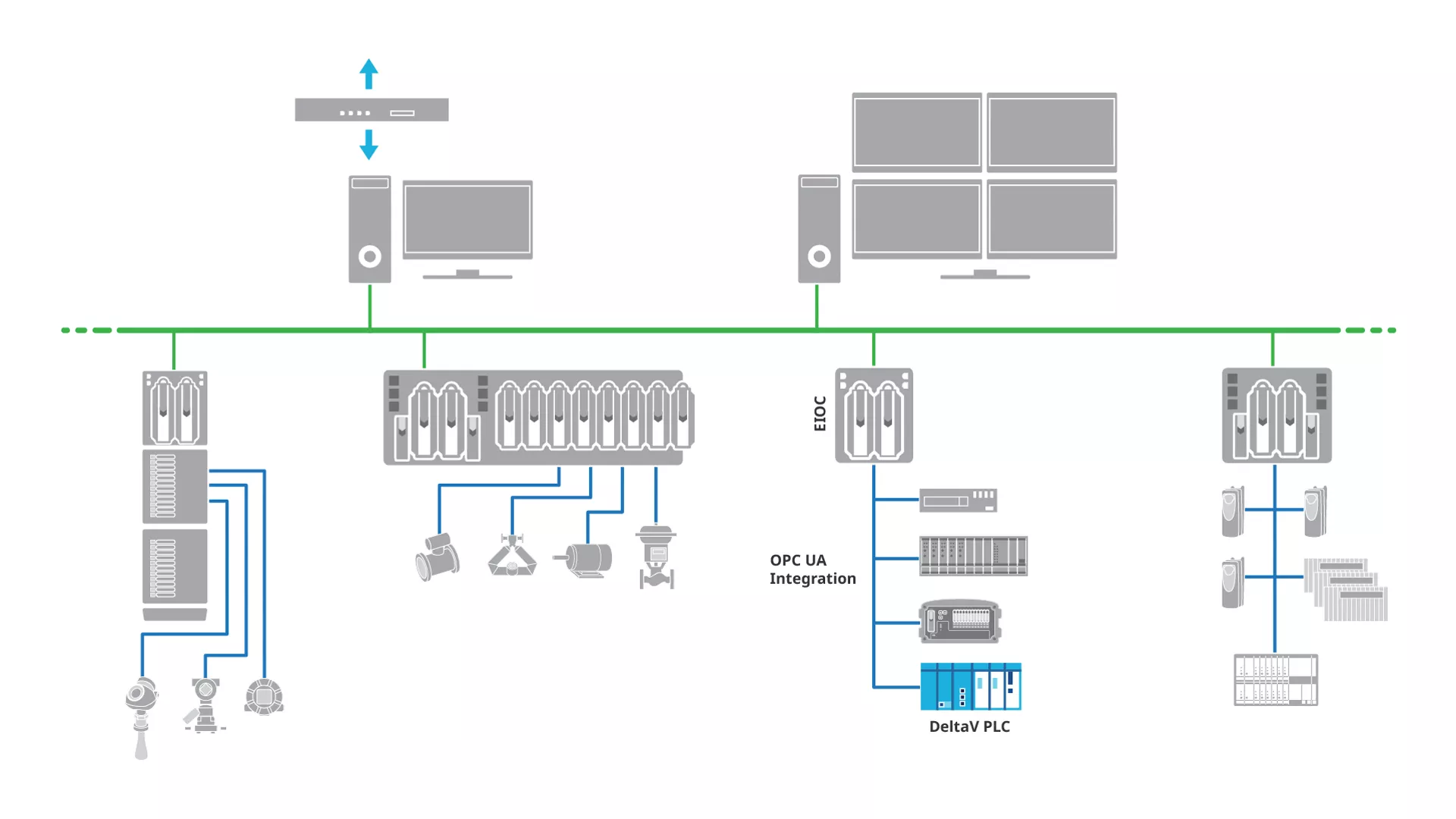
Integrating high-speed control, ladder logic, and modular engineering into the DeltaV system through the deployment of the DeltaV PLC with an EIOC.
Today, DeltaV PLCs can be integrated with the DeltaV Distributed Control System (DCS) via OPC UA using the Ethernet I/O Card (EIOC). Module Type Package (MTP) can be optionally used to simplify and accelerate the integration process.
Industries We Serve





Frequently Asked Questions
The 300-series PLCs deliver high performance with multi-core processors, large working memory, and gigabit-speed communications — enabling rapid, reliable data handling for even the most complex applications. They are designed for scalable machine automation and highly distributed modular architectures, supporting high-speed real-time control and maximum uptime through high availability features. In addition, because all of the PLC platform is programmed through a single configuration environment — PAC Machine Edition (PME) — engineering teams can standardize their development workflow across the entire product family, reducing training overhead and accelerating time to deployment.
The 300-series provides open standard Ethernet communications directly from the controller, along with flexible communication options that make integration with virtually any system straightforward. At the field level, PROFINET I/O connectivity enables seamless interoperability across a wide range of I/O families and third-party devices. At the HMI and SCADA level, OPC-UA delivers secure, standards-based data exchange — and to simplify deployment and ongoing management, the 300-series includes built-in certificate management, removing the complexity that typically comes with securing OPC-UA connections.
300-series PLCs are designed with security in mind, featuring Trusted Platform Modules (TPM), digitally signed and encrypted firmware, and Achilles Level 2 Certification. Encrypted communications are provided through OPC UA, and secure remote firmware update tools are included to keep equipment up to date safely.
The controllers offer simple configuration, maintenance, and operation with built-in Ethernet ports and switches, reducing application complexity and installation time. Application files and operational notes can be stored directly on the controller for quick access.
Yes, the 300-series PROFINET solution allows for device replacement without the need for reconfiguration, improving uptime and reducing maintenance effort.
You must use PME 10.0, which includes full programming support for the 200-series PLCs. For creating C-Blocks for use with 200-series PLCs, users should download the C Programmer’s Toolkit for PACSystems v9.0.
You can use all 200-series IO modules with all 200-series PLCs. The only exception from full functionality is that the IO-Link Master module (EP-5324) does not support online queries when placed in the 200-series main rack. You can, however, configure IO-Link devices with the tool through another IO-Link master interface, save the configuration file and store it to the devices via the 200-series PLCs.
PME 10.0’s configuration GUI for 200-series PLCs has integrated functionality to calculate where power supplies are required and will turn module IDs red if more power is required. The options menu for the CPU will allow you to calculate and insert modules.
No, not at this time.
The 4th port is not operational on models CPE210-240. That is why it is not labelled and is permanently plugged. The port is intended for future functionality in the 200-series PLCs product family.