

Products
Why Choose Emerson Flame Detectors?
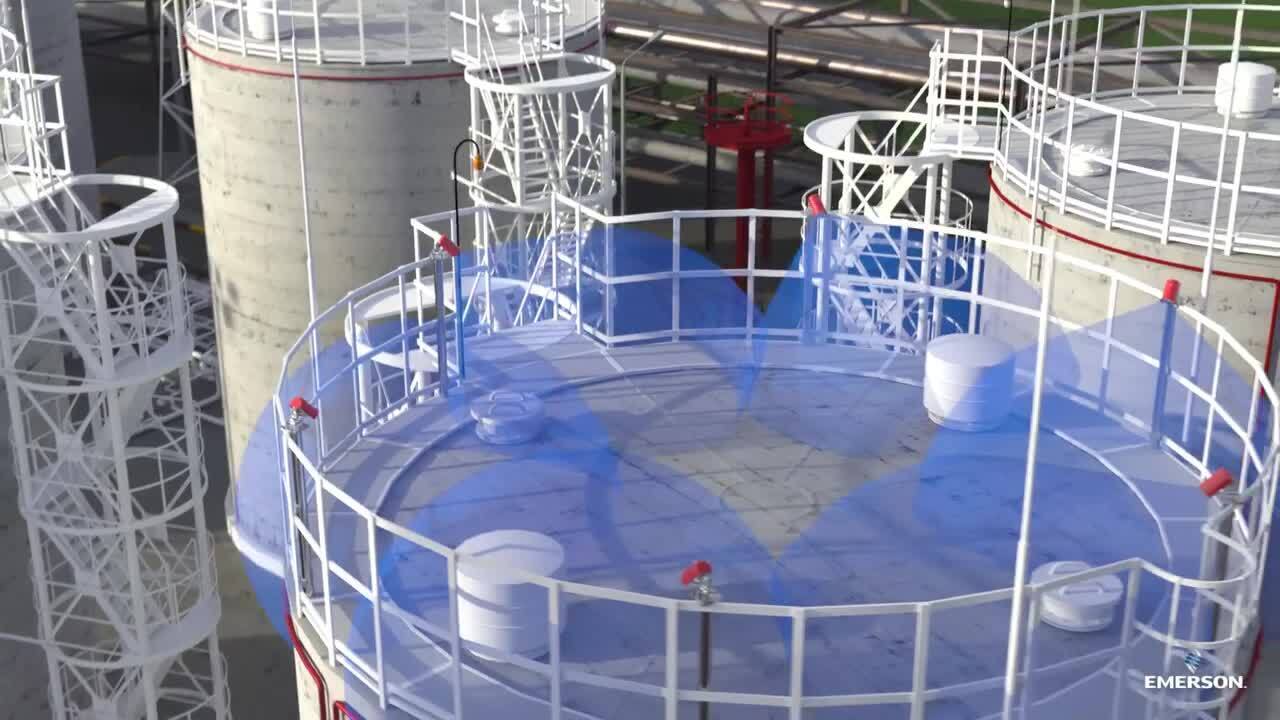
Reduce Maintenance Expenses
Emerson Flame detectors feature a built-in function test that eliminates the need for manual rounds with a flame simulator. The built-in-test (BIT) monitors dirty optics and checks sensor performance, device outputs, and the entire electronic circuitry, providing an automatic maintenance call if the device needs attention.
Flame Detection Technology
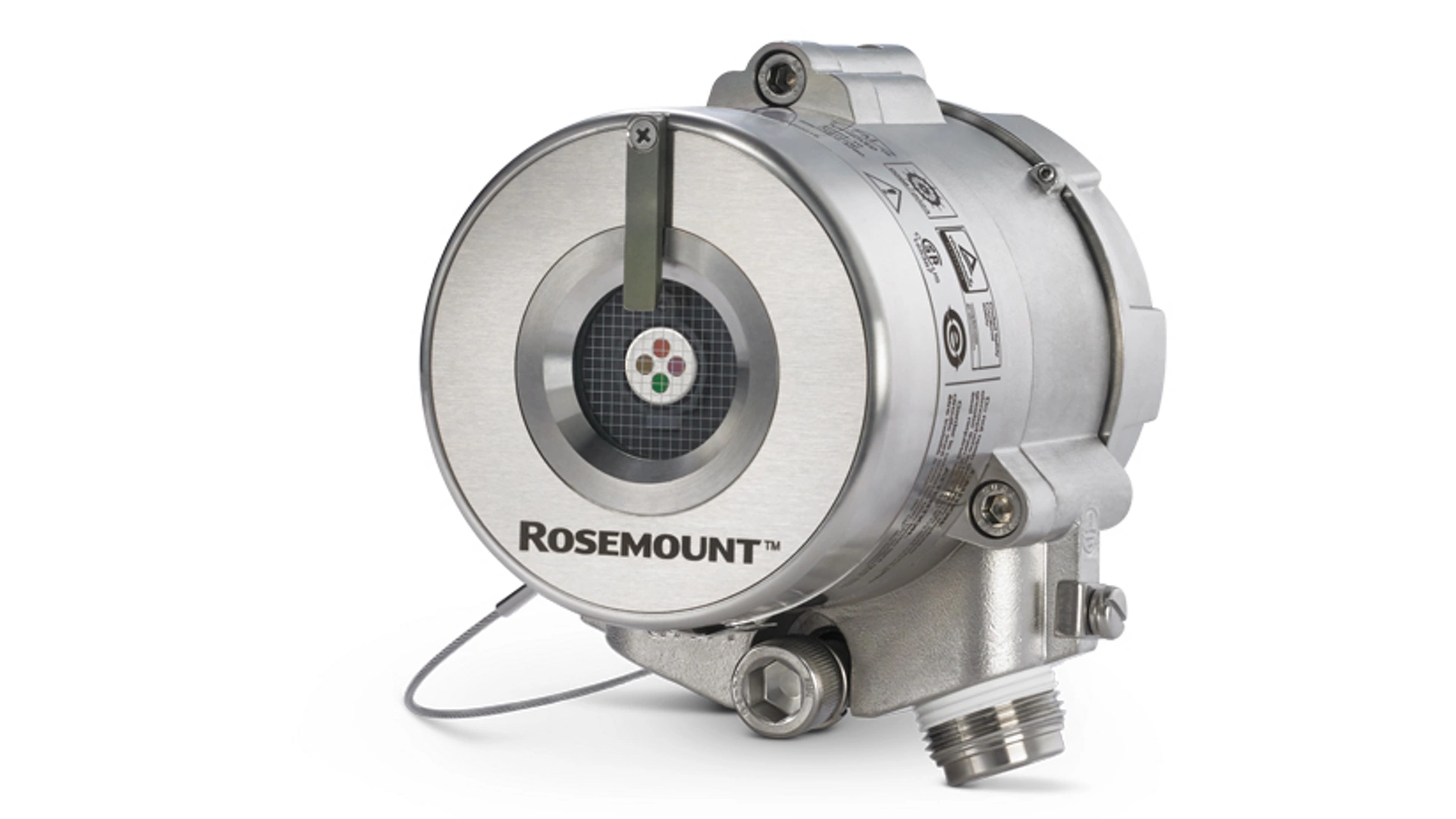
QuadSense™ Triple Infrared (IR3) Flame Detectors
Triple infrared (IR3), or multi-spectrum infrared (MSIR), is a cutting-edge flame detection technology offering long detection range and strong false alarm immunity. It uses three infrared sensors to analyze infrared wavelength ratios. Emerson's QuadSense improves IR3 with four infrared sensors and two IR3 channels, boosting false alarm immunity and extending detection range to 300 ft (90 m).
Which Flame Detector Is Best for You?
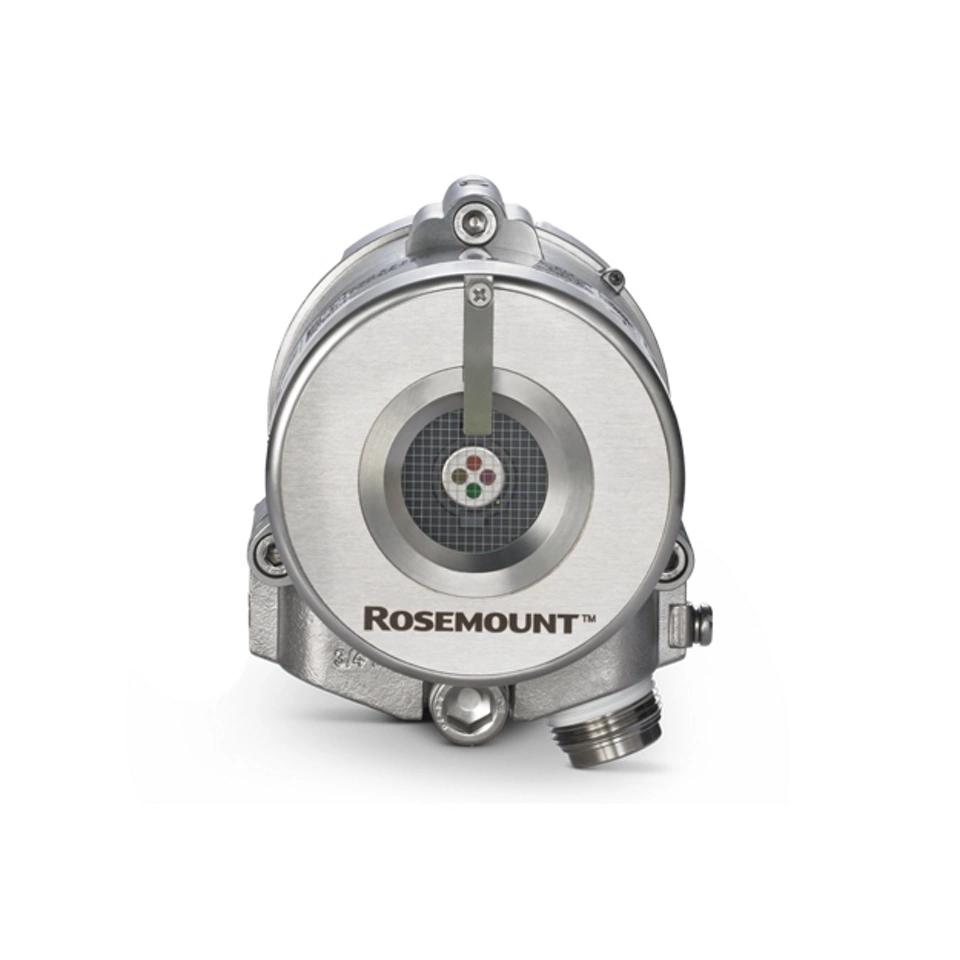
Rosemount 975 with QuadSense Technology
Superior detection of hydrocarbon and hydrogen fires in any application
Key Features:
300 ft (90 m) detection range and widest field of view
Heated optics for reliable performance in challenging applications
Proven false alarm immunity
Ultrafast response
Flash fires and continuous fires detection
Field-of-view integrity test
Increased safety HAZLOC approvals
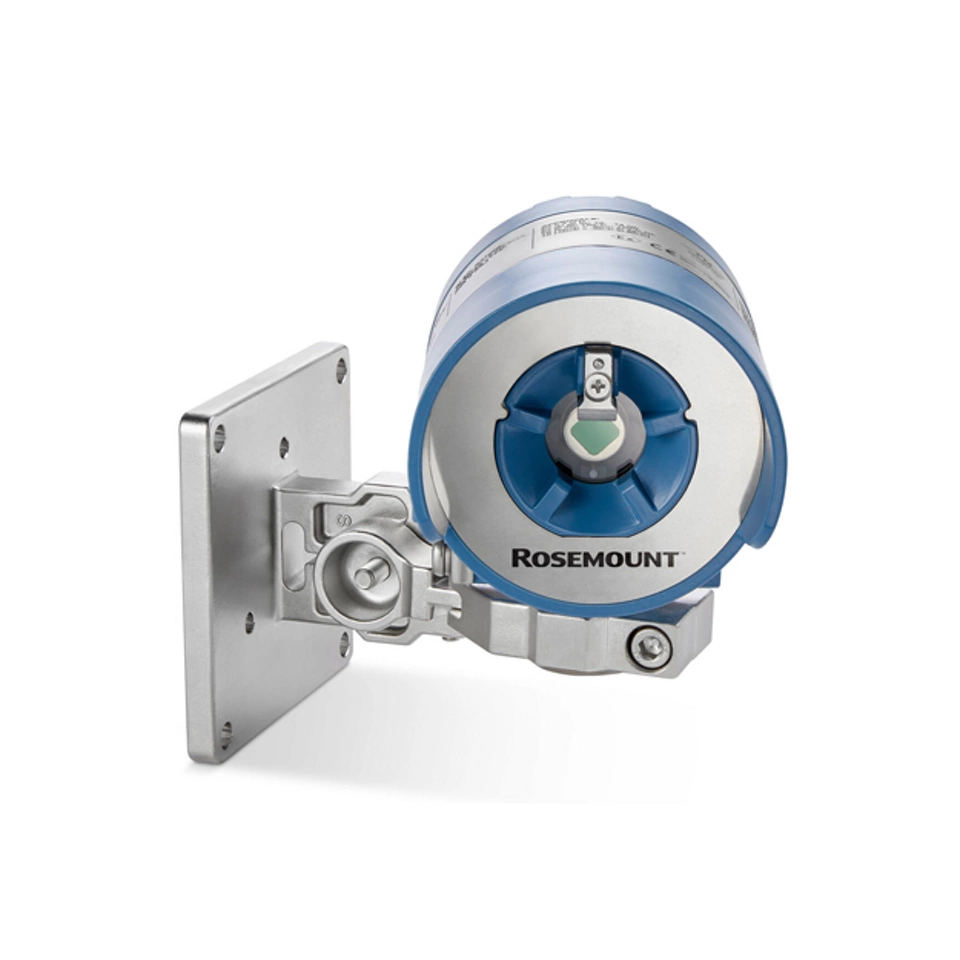
Rosemount 965 with QuadSense Technology
Reliable detection of hydrocarbon fires for commercial and industrial applications
Key Features:
150 ft (45 m) detection range
Compact design
Low power consumption
Available in ordinary locations version and with flameproof/explosion proof HAZLOC approvals
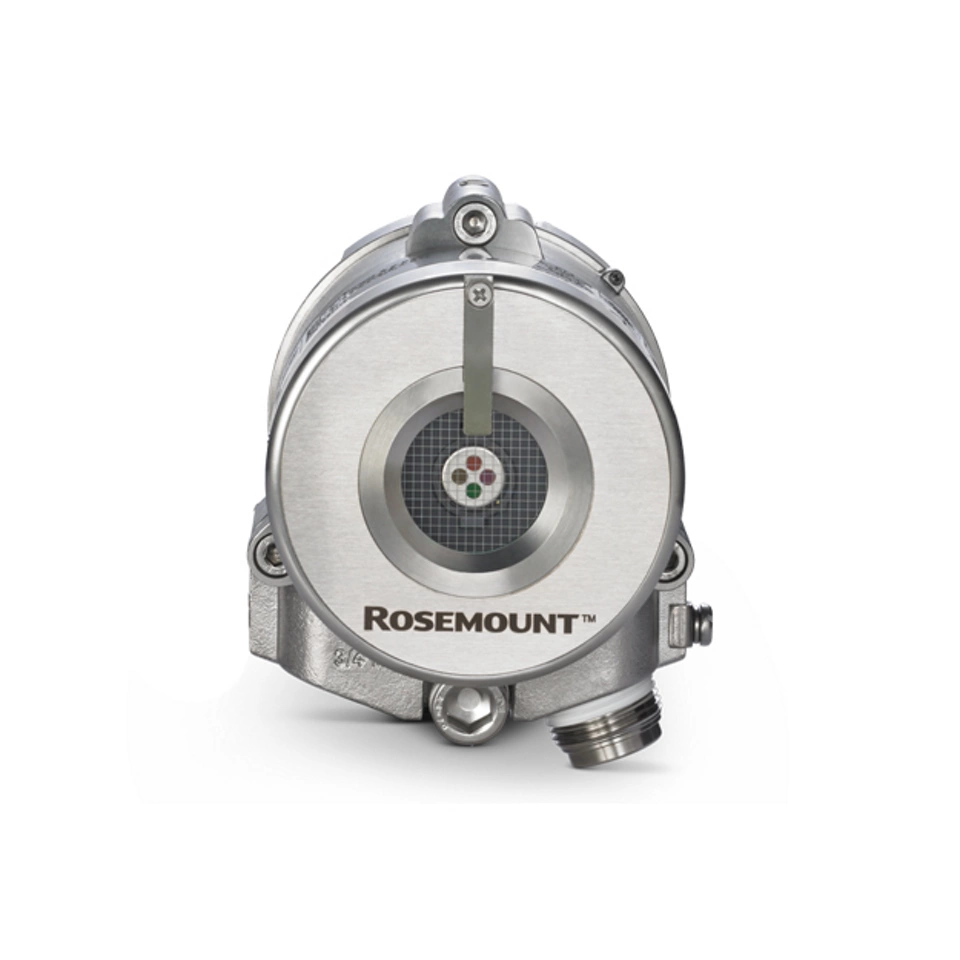
Rosemount 975 with UV/IR Technology
The preferred choice for detecting fires from inorganic fuel sources
Key Features
93 ft (28 m) detection range
Heated optics for reliable performance in challenging applications
Ultrafast response
Flash fires and continuous fires detection
Field-of-view integrity test
Increased safety HAZLOC approvals
Detects hydrocarbon, hydrogen, and inorganic fires
Videos
Explore Emerson's flame detector videos to learn about advanced detection technologies including ultrasonic gas leak detection, point-gas detection, flame detection, and smoke detection.
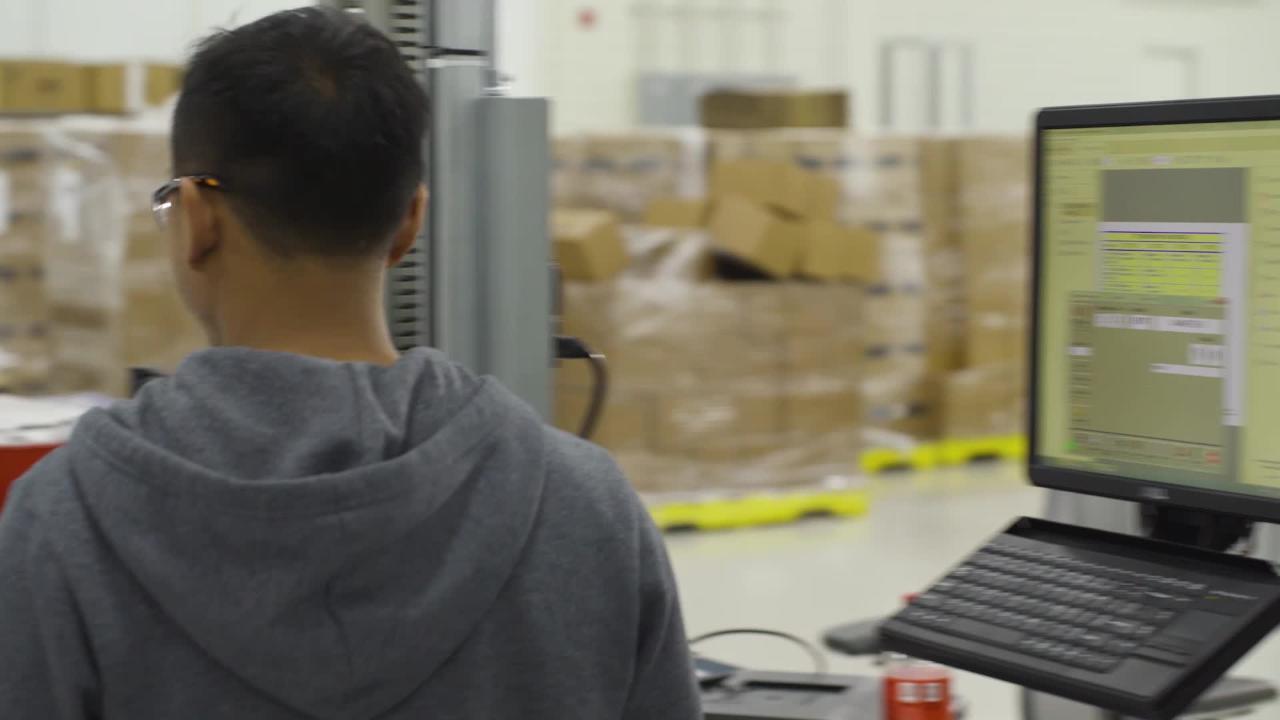
Rosemount™ Flame and Gas Detection Solutions: Readily Available
Rosemount™ Flame and Gas Detection Solutions: Readily Available
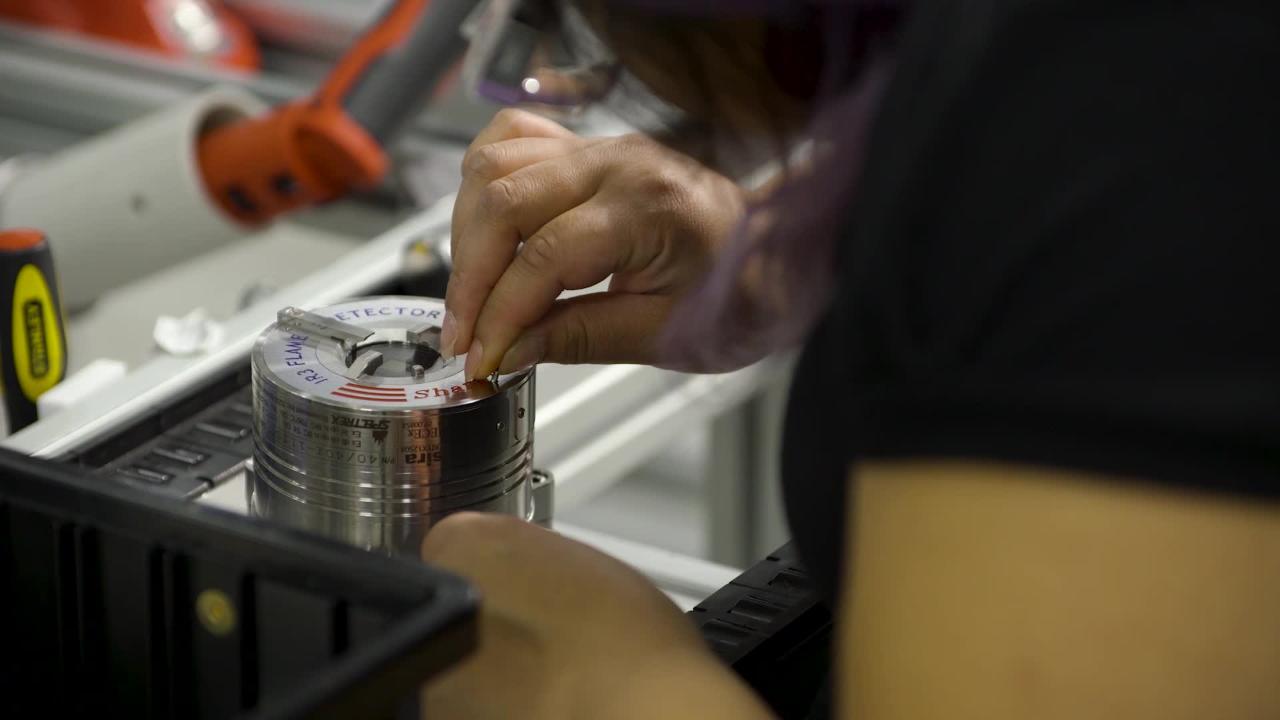
Rosemount™ Flame and Gas Detection Solutions: High Quality Standards
Rosemount™ 975 Series Flame Detectors in Tank Farms
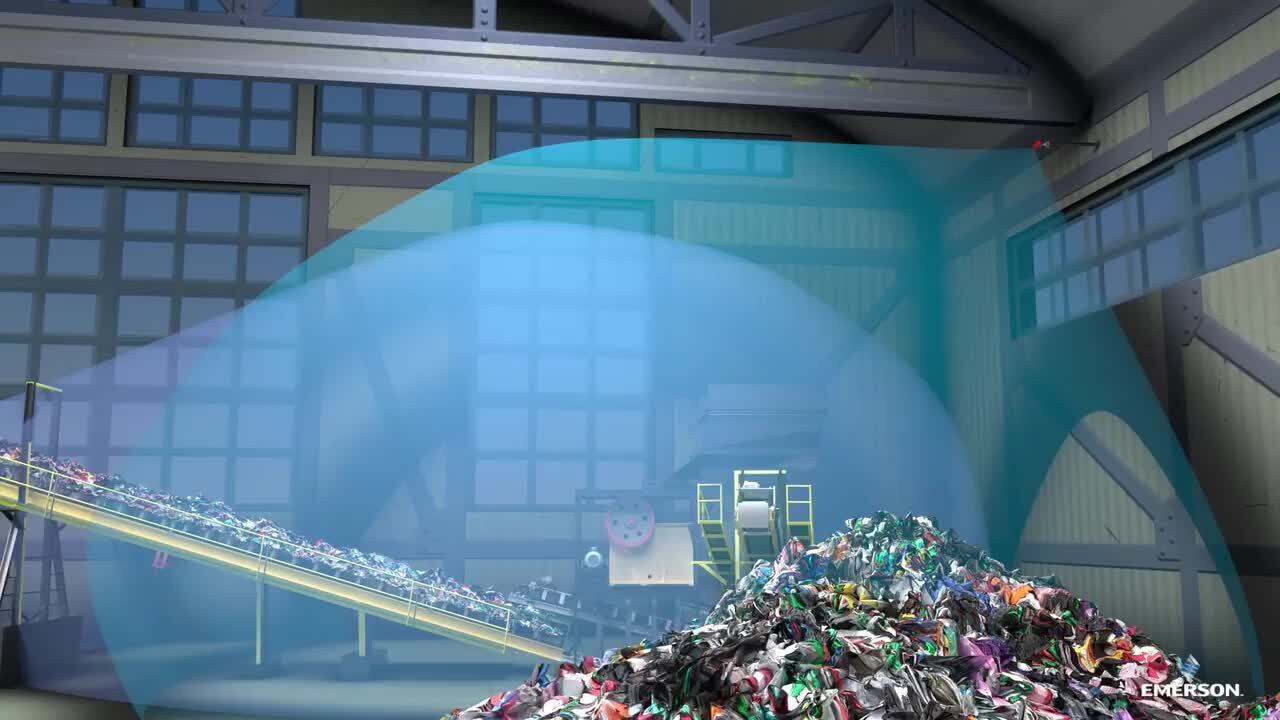
Rosemount™ 975 Series Flame Detectors in Waste Management
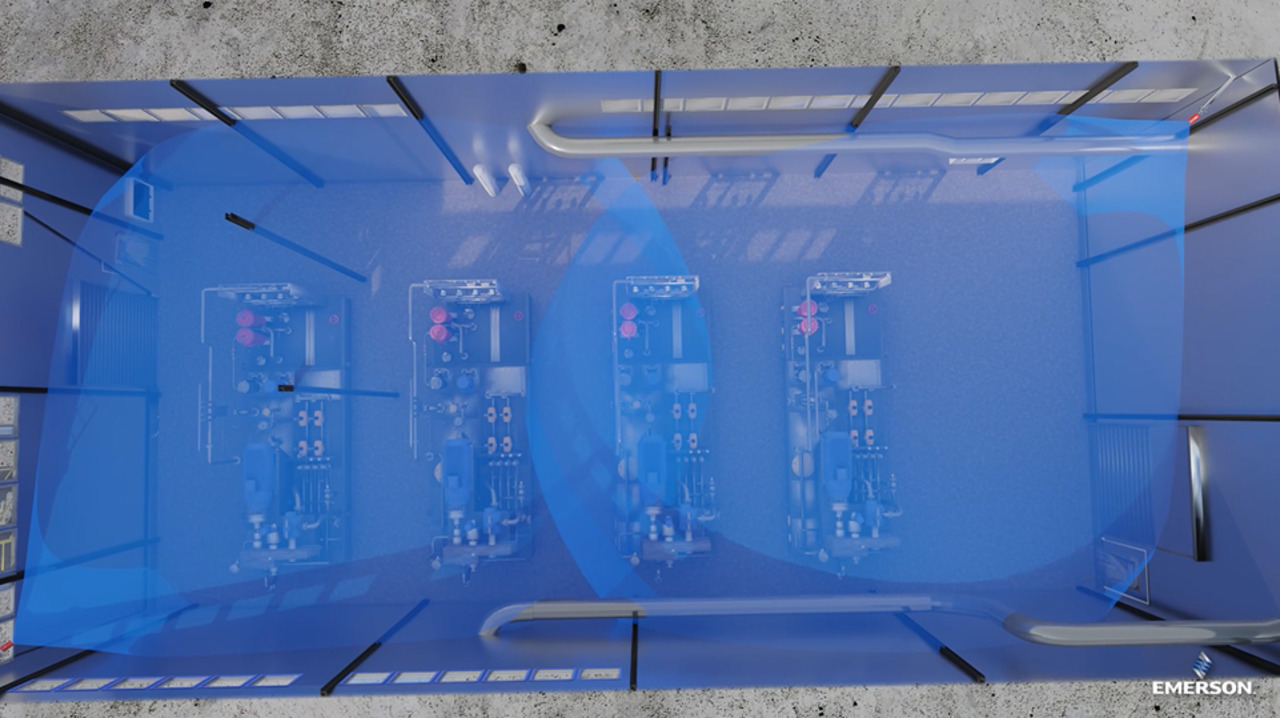
Rosemount™ 975 Series Flame Detectors for Compressor Stations
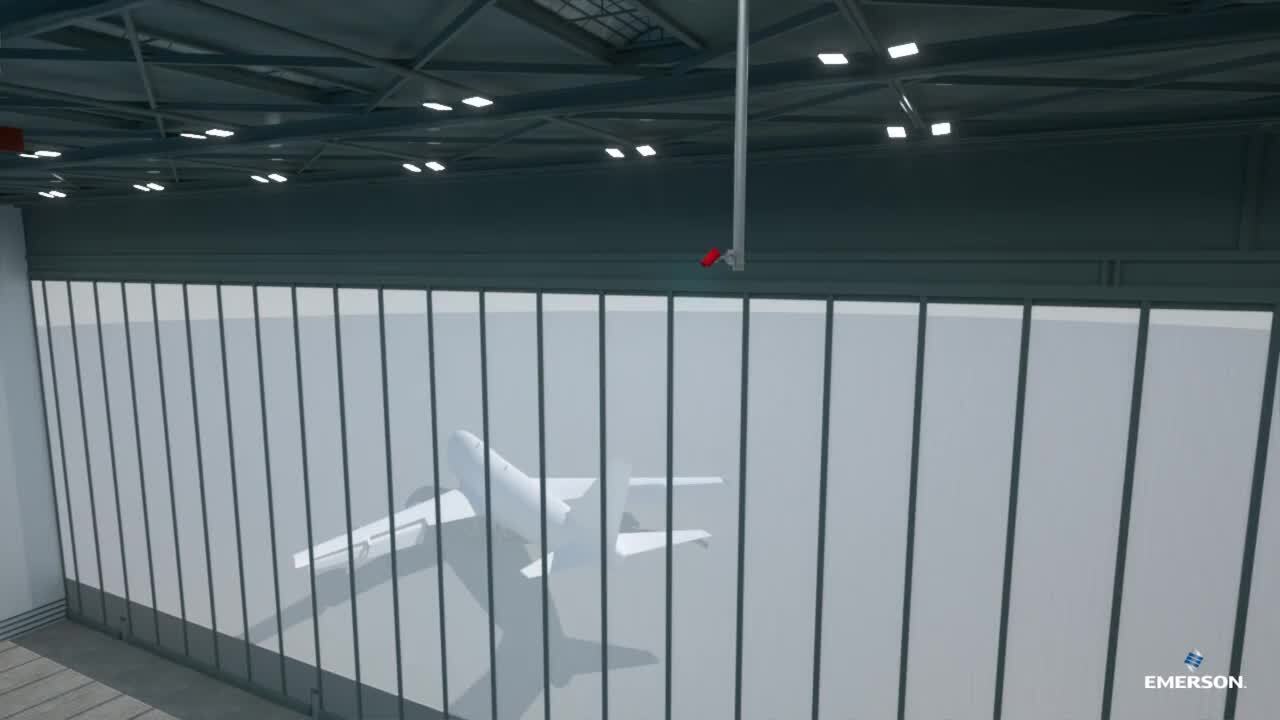
Rosemount™ 975 Series Flame Detectors in Aircraft Hangars
Frequently Asked Questions
Find practical answers to common questions about industrial flame detectors, including detector selection, detection range, false alarm immunity, installation, harsh environments, testing and system integration.
Emerson Rosemount flame detectors combine QuadSense IR3 and UV/IR detection options with long-range coverage, high false alarm immunity, heated optics, built-in testing, flexible communications and rugged construction for harsh industrial environments. Depending on the model and application, these capabilities help improve coverage confidence, simplify maintenance, reduce nuisance alarms and lower lifecycle cost.
QuadSense is Emerson’s enhanced triple infrared (IR3) flame detection technology. Standard IR3 detection uses three infrared bands to help distinguish actual flames from non-fire sources. QuadSense builds on this approach by using four infrared sensors and two independent IR3 detection channels to analyze flame signals with more data and redundancy. Depending on the model and application, QuadSense can improve detection confidence, expand coverage, reduce nuisance alarms and help lower installation and lifecycle costs.
Choose the right flame detector by matching the technology to the fire risk, operating environment and safety system requirements. Prioritize detection range, field of view, false alarm immunity, response time, fuel type, area classification, certifications, communications, proof testing and maintenance access. Output and communication needs may include relays, analog signals, HART, Modbus or integration with fire and safety systems, depending on the model. Flame mapping can confirm detector type, quantity and placement before installation.
The best flame detector technology depends on the flame signature and operating environment. IR3 and multi-spectrum infrared detectors are typically preferred for long-range industrial coverage because they balance detection distance with strong false alarm resistance. UV/IR detectors are a strong fit when fast response or specific flame signatures are the priority. The right technology should match the hazard, background interference and required alarm performance.
Advanced flame detectors reduce false alarms by validating optical flame signatures before triggering an alarm. Stronger technologies compare radiation patterns, wavelength ratios, flicker, signal behavior and multiple sensor inputs to reject non-fire sources such as sunlight, hot work, welding, lightning, heated equipment, vibration and reflected radiation. Better false alarm immunity helps reduce nuisance trips, unnecessary shutdowns, maintenance callouts and operator alarm fatigue.
Flame detector range is driven by detector technology, fuel type, fire size, sensitivity, field of view and site conditions. Longer detection range and wider field of view can improve coverage and may reduce the number of detectors required, depending on the hazard layout and coverage study. Published distances are useful for comparison, but the best coverage decisions come from applying those ratings to the actual installation. Weather, dirty optics, vibration, mounting angle and obstructions can all reduce effective coverage.
Flame detectors should be installed where they provide clear line-of-sight coverage to credible fire sources and minimize blind spots. The strongest placement decisions combine detector range, cone of vision, mounting height, angle, spacing, obstructions, maintenance access and flame mapping results. A wider field of view can simplify layout and improve coverage confidence, depending on the detector and hazard geometry. The goal is verified coverage that remains practical to inspect, clean and test.
Industrial flame detectors can perform in harsh environments when they are selected for the site conditions and maintained correctly. Depending on the model and application, features such as heated optics, dirty-optics diagnostics, ingress protection, corrosion-resistant materials, wide temperature ratings and maintenance alerts can help preserve detection reliability in challenging conditions.
Flame detectors can be tested safely without an open flame using approved verification methods. Depending on the model, these may include built-in self-tests, optical verification, remote test functions and approved flame simulators. These methods help confirm detector response, optics, electronics, outputs and alarm response while reducing the risk and complexity of field testing.