Drive operational flexibility to hit production targets
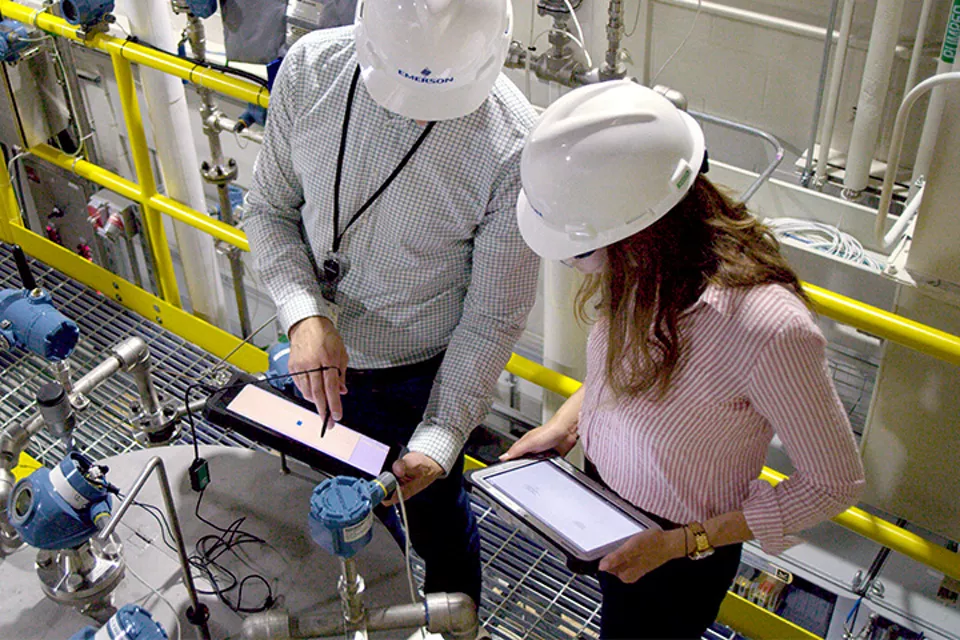
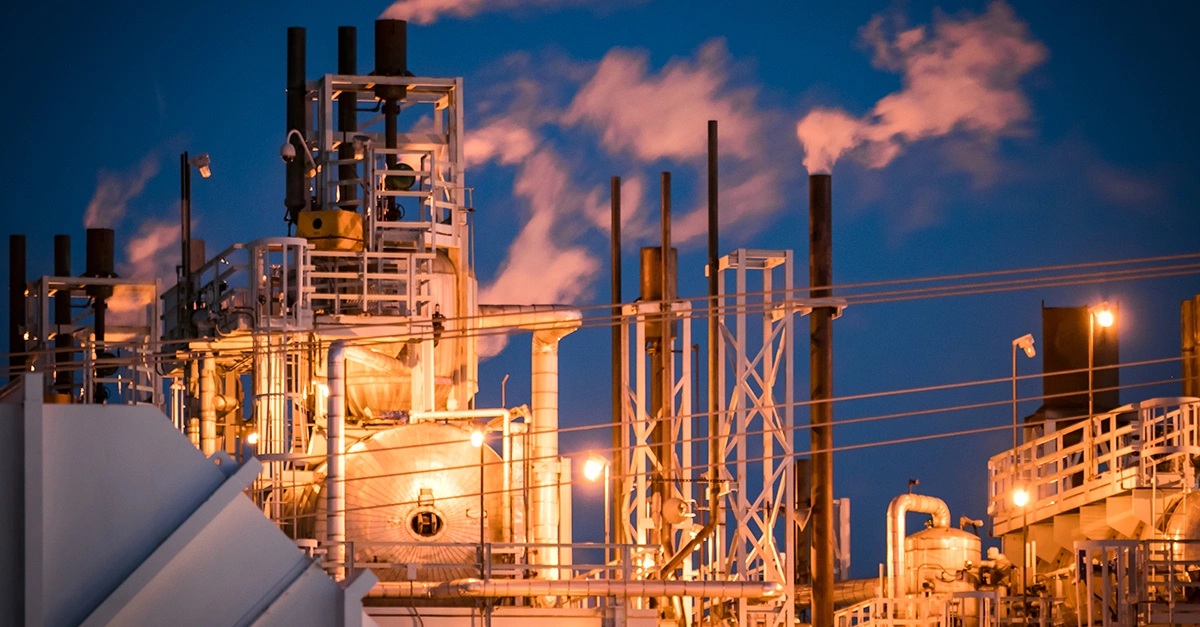
Fluctuating market demands, rising production costs and changing regulations are challenging refineries to find ways to improve operational flexibility. Using modern automation and measurement instrumentation technologies is key to gaining greater agility to hit production targets. A partnership with an automation expert provides a roadmap to achieving operational excellence through a holistic approach of applying automation to enable production flexibility and improve reliability, safety, and sustainability.
Industry Solutions


Measurement Instrumentation Applications
Corrosion Erosion Monitoring

Carbon Capture with Real-Time Corrosion Monitoring

Corrosion Monitoring on Refinery Crude Unit Overheads for Process Optimization
Corrosion Monitoring in Biofuel Refining Applications
Frequently Asked Questions About Measurement Instrumentation for the Refining Industry
For refineries to be flexible enough to accommodate changing demands for different products, they need to process different feedstocks while simultaneously avoiding asset degradation. Measurement instrumentation arms refineries with the data they need to efficiently handle different process conditions and multiple input and output streams. Online measurement sensors enable process control, monitoring, and data quality verification, providing operators with reliable information for timely decision-making. They help build flexibility into a refinery’s frontend so operations can be profitable in any market.
Measurement instrumentation enhances asset reliability and plant availability by moving refining operations from a reactive to a predictive model. In refineries that rely on reactive maintenance, as much as 60 percent of maintenance labor is unproductive or unnecessary.
By leveraging smart measurement technologies and real-time diagnostics, maintenance teams can identify and resolve potential equipment issues long before performance degrades. This data-driven approach dramatically reduces unplanned downtime and creates a safer operating environment.
The leading causes of Tier 1 and Tier 2 incidents in refineries are overwhelmingly tied to mechanical integrity. Some of the mechanical integrity issues are caused by corrosion, erosion, cracking and inadequate monitoring and inspection.
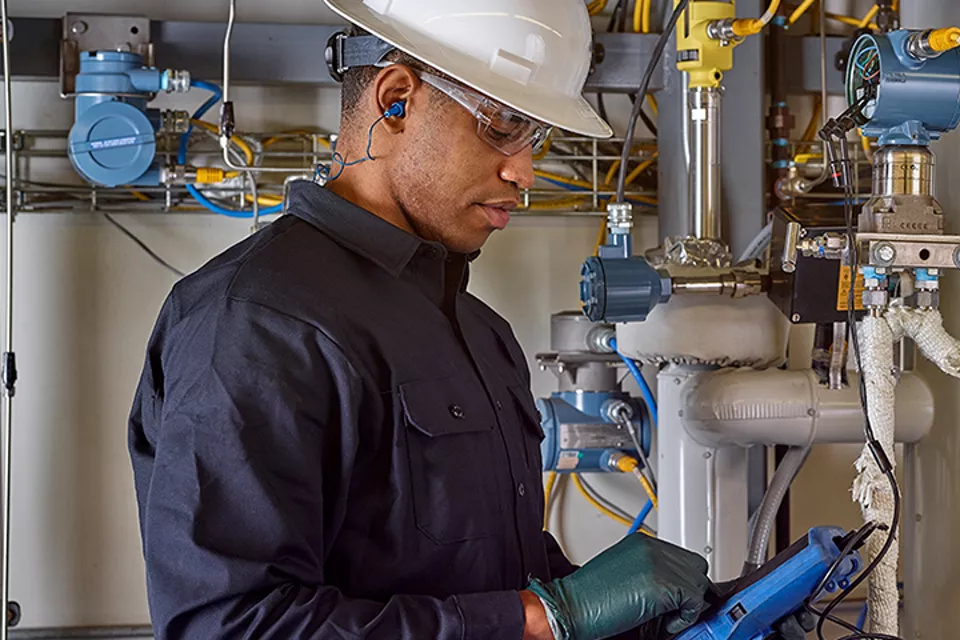
Deploying modern measurement instrumentation technologies enhances safety for both personnel and the plant. This strategy focuses on reducing human exposure to hazards and ensuring the integrity of safety systems. For example, online measurement sensors provide real-time insights into overfills, leaks, and corrosion issues before they escalate. They also ensure the reliability of the Safety Instrumented Systems (SIS) with safety-certified instruments and automated testing to maintain high confidence in system responses.
In refining, energy is normally identified as the second largest operating cost behind crude oil feedstock. Many refineries lack the necessary measurement data to identify and avoid energy losses. Real-time asset monitoring using measurement sensors, predictive diagnostics, and advanced feedstock analysis contributes to lower energy usage and emissions. Also, developing reliable flare management plans with wireless monitoring and efficient gas analyzers is critical to controlling emissions.
Support Services
Lifecycle Services