Optimize Your Process with Precision Flow Measurement Solutions
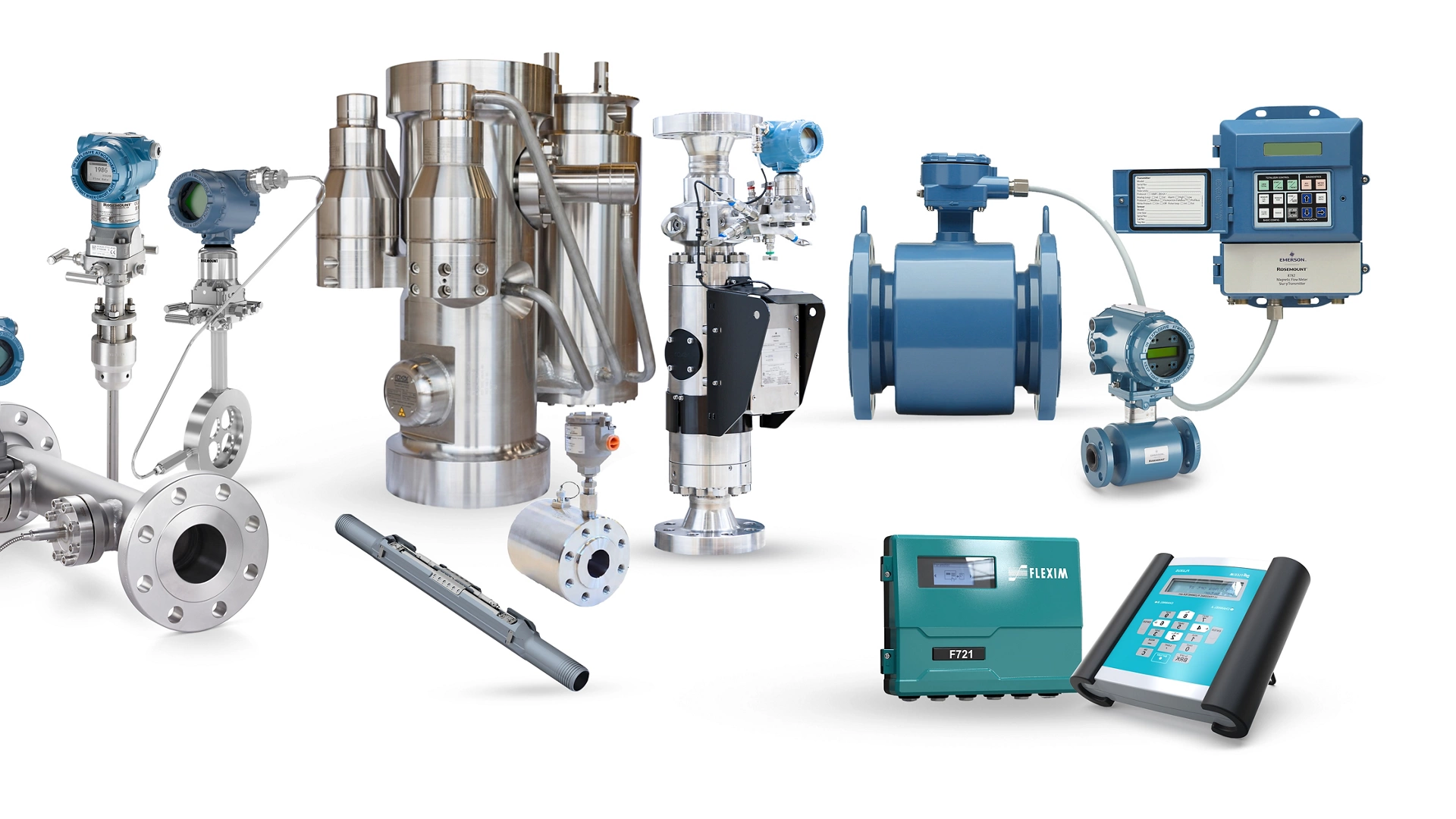
Flow measurement is the process of quantifying the volume, mass, or velocity of a fluid moving through a pipe or open channel. For process engineers, choosing the right technology depends on four variables: fluid type (liquid, gas, slurry, or multiphase), required accuracy, process conditions (temperature, pressure, density, and viscosity), and installation constraints (available straight pipe run, line size, hazardous area classification). Emerson offers seven flow meter technologies: Coriolis, differential pressure, magnetic, vortex, inline ultrasonic, non-intrusive ultrasonic, and multiphase. Each of these technologies are suited to specific applications across oil and gas, chemical, data centers, life sciences, water and wastewater, food and beverage, power generation, metals and mining, marine, and refining industries.
Emerson's flow technologies are designed to deliver precise, real-time insights that help improve efficiency, safety and product quality in any application.
Products
Products
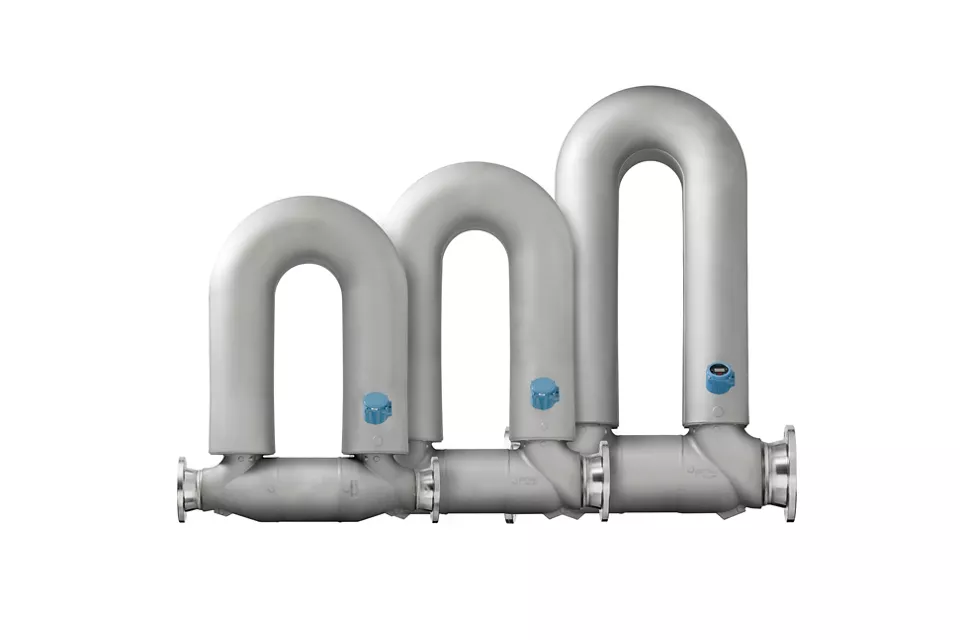
Coriolis Flow Meters
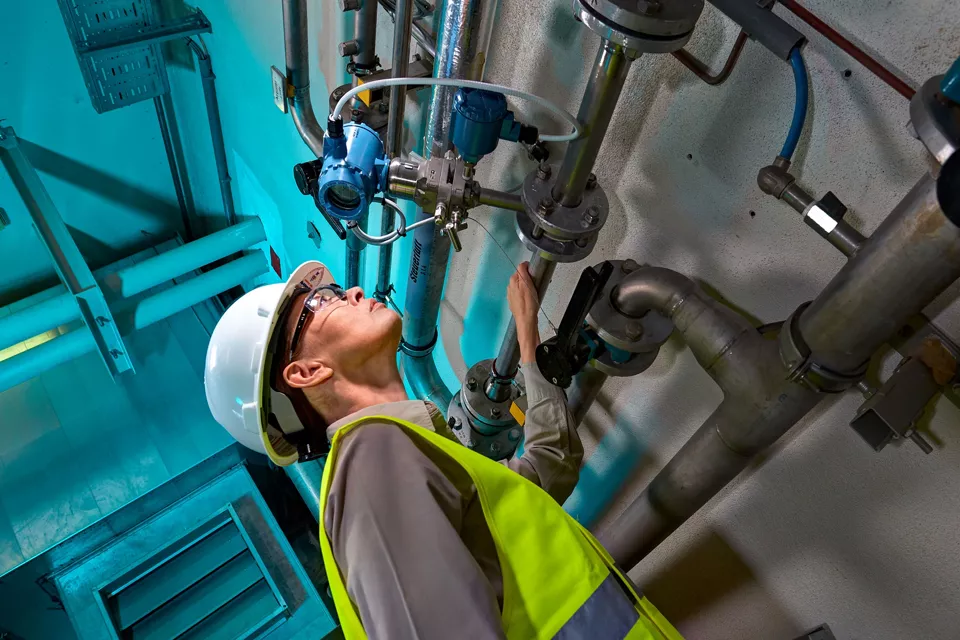
Differential Pressure Flow Meters
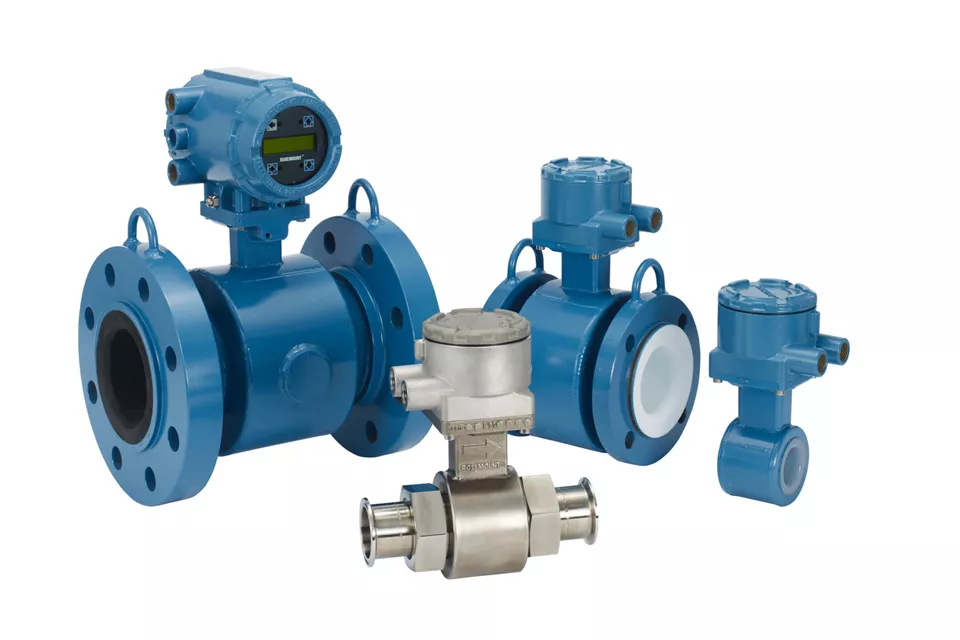
Magnetic Flow Meters
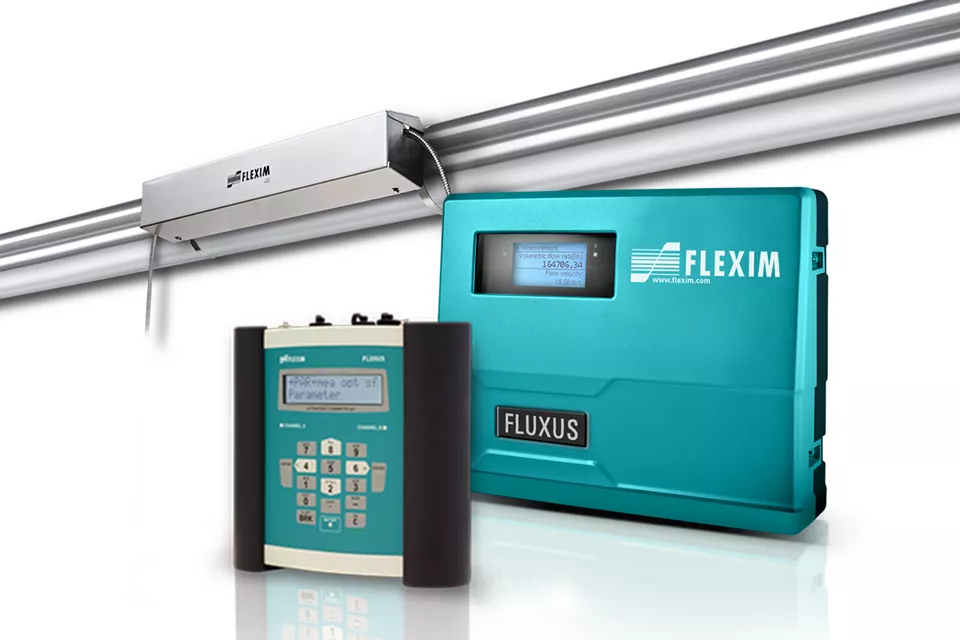
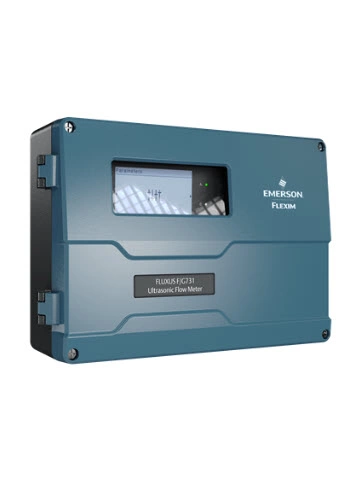
Clamp-on Ultrasonic Flow Meters
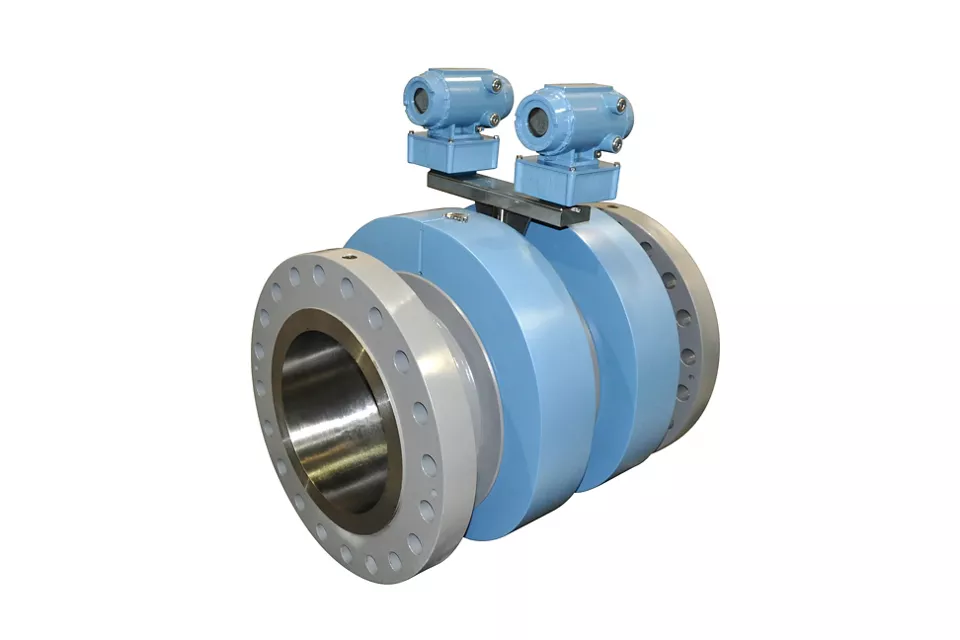
In-Line Ultrasonic
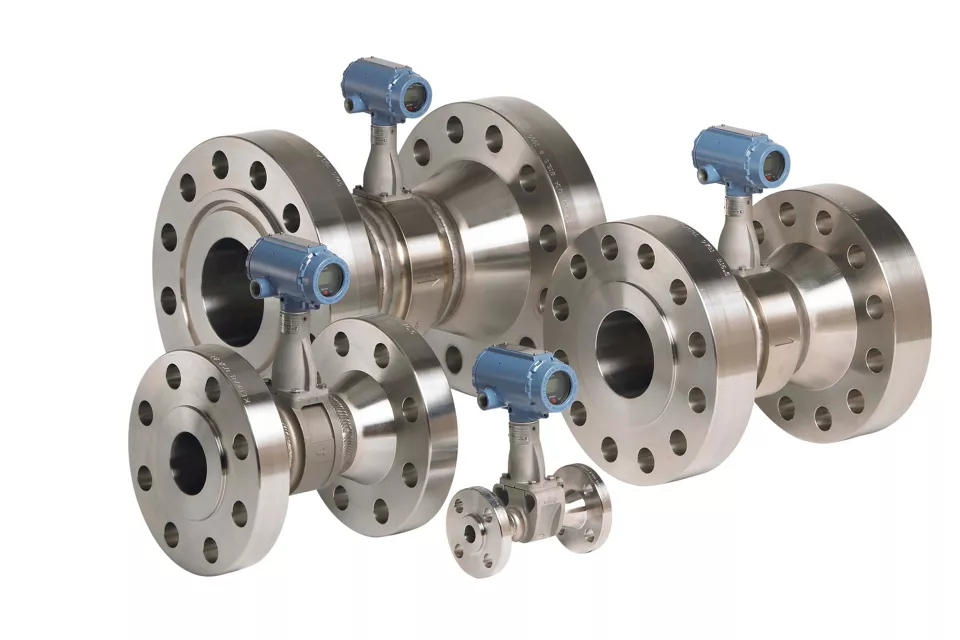
Vortex Flow Meters
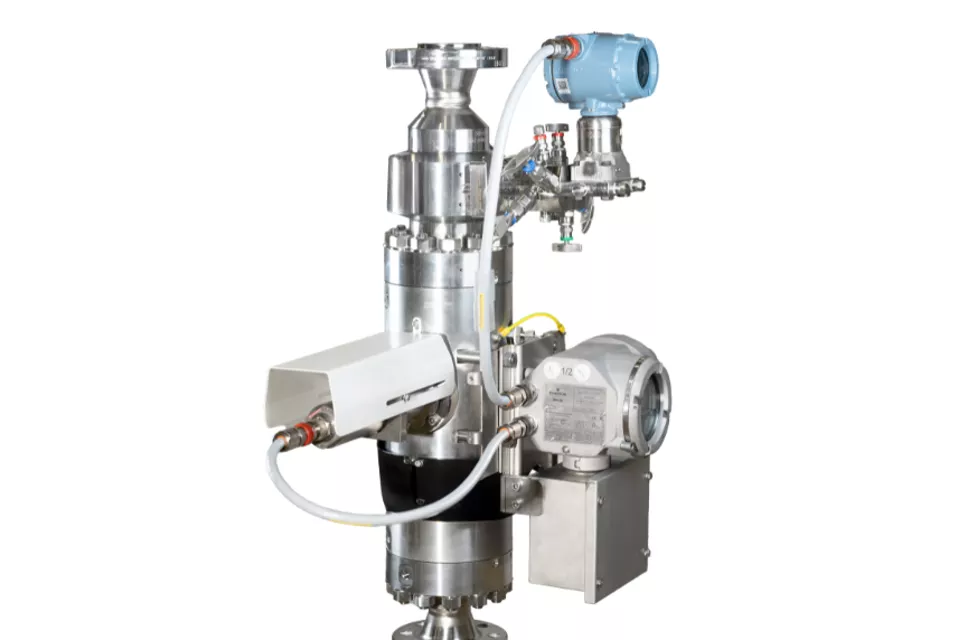
Multiphase Flow Metering
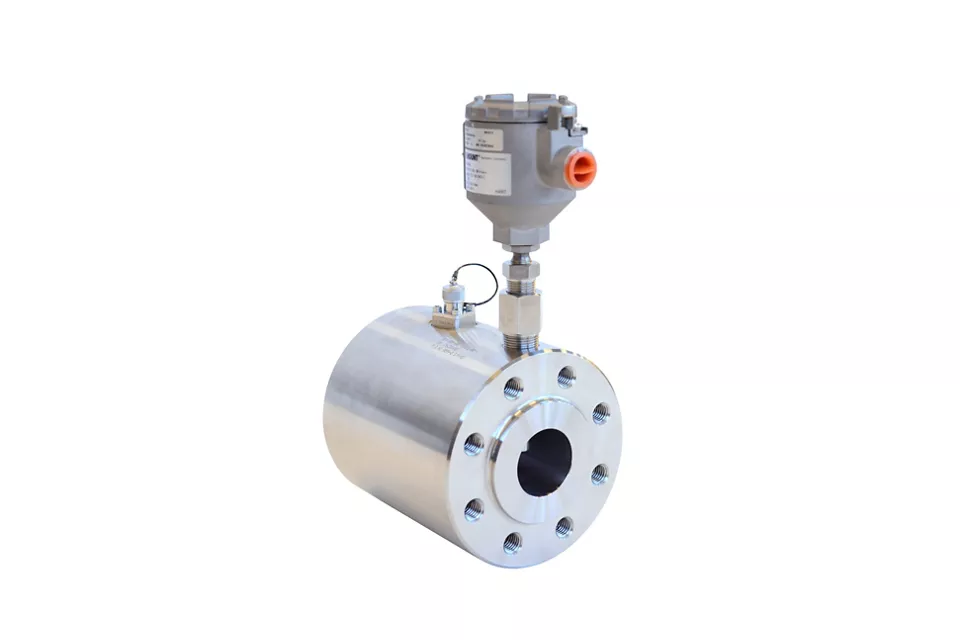
Watercut Metering
Product Applications
Chemical
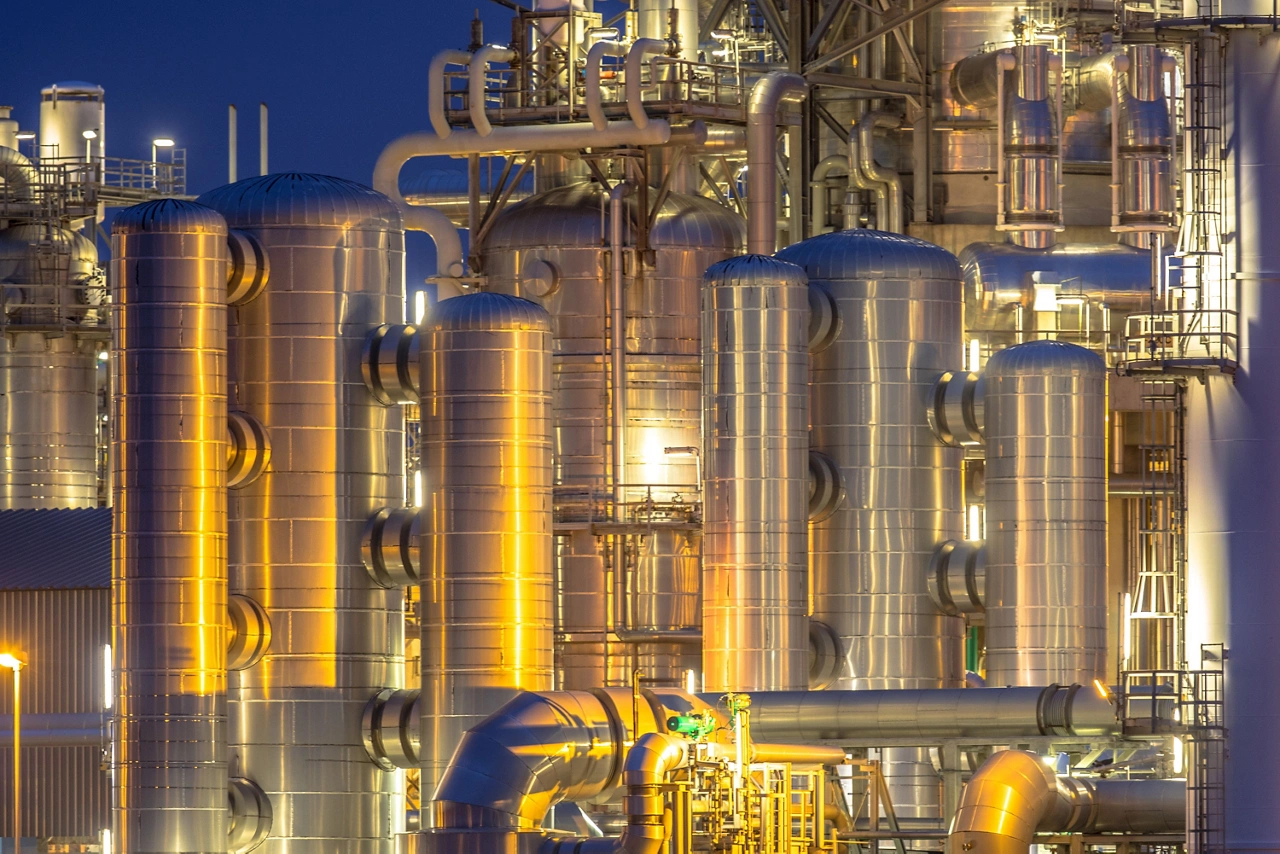
Prioritizing safety and accuracy in the chemical plant

Accuracy in Chemical Blending and Batching Applications
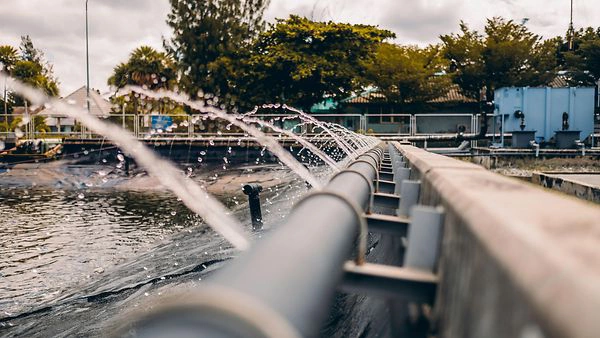
Chemical Injection for Water Treatment
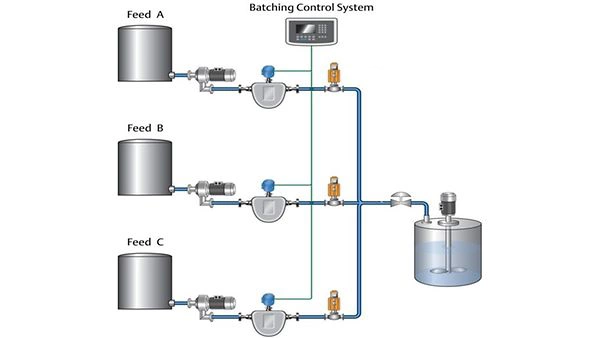
Improve Lithium-ion Battery Anode, Cathode and Electrolyte Batch Manufacturing
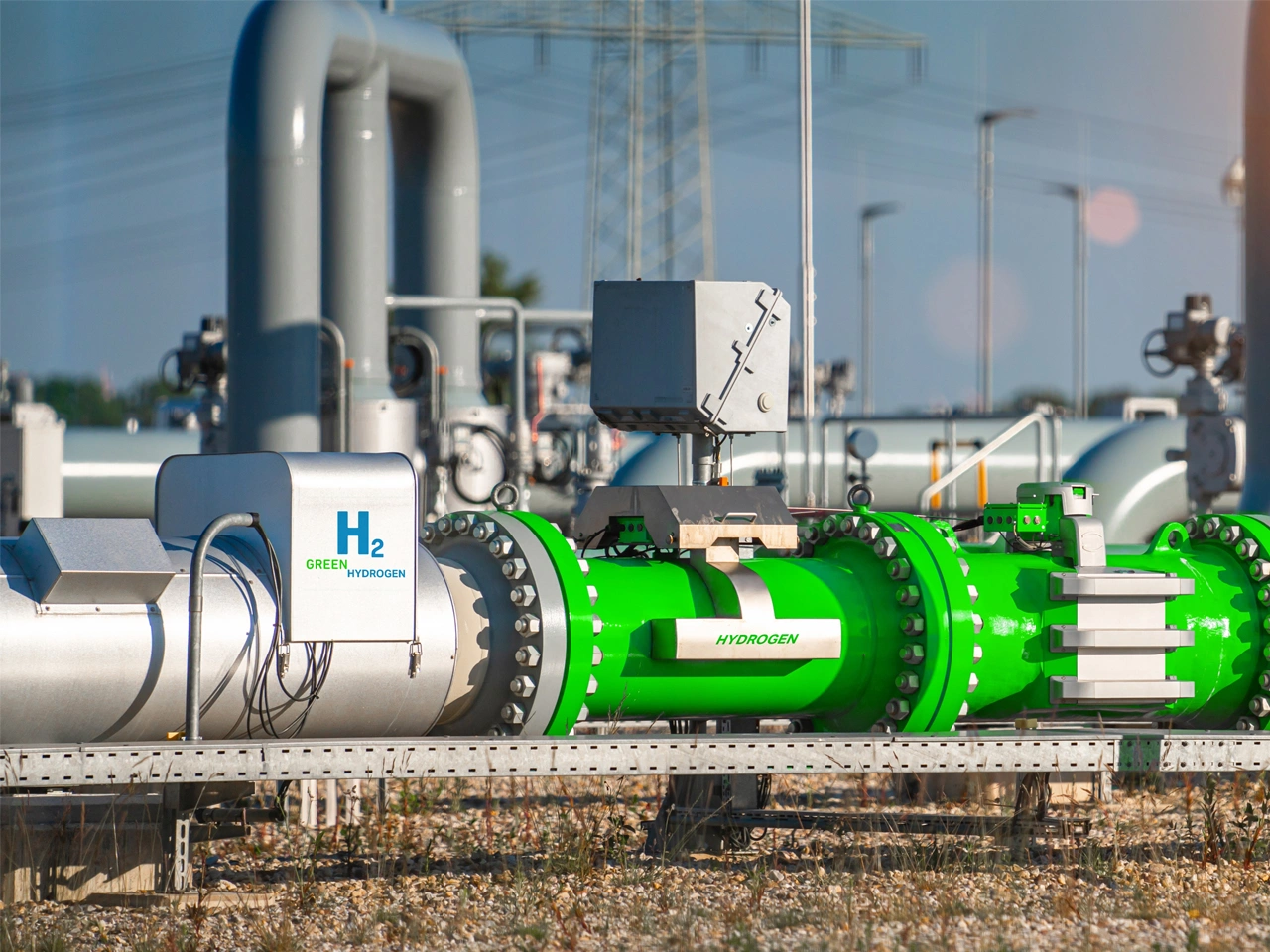
Green Hydrogen Custody Transfer Flow Measurement
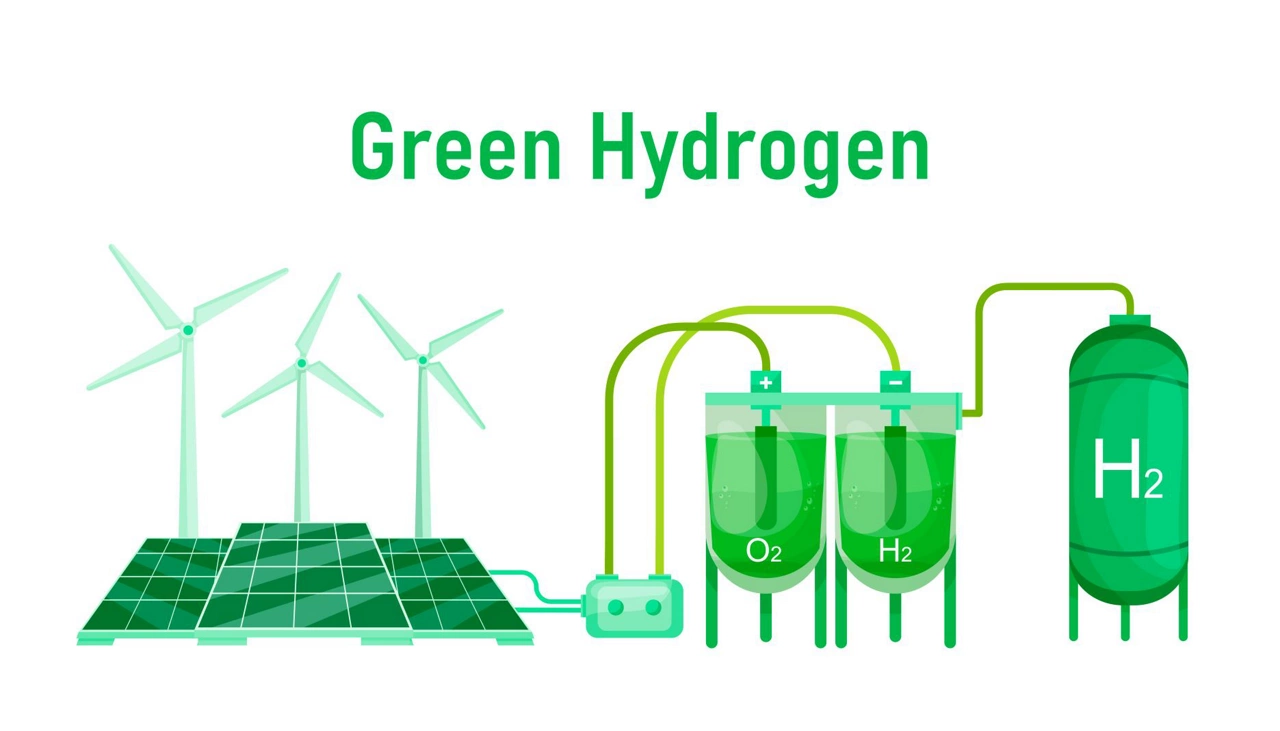
Improved Deionized Water Measurement for Hydrogen Electrolyzer Control

Safety Certified Flow Measurement in Delayed Cokers

Flow Measurement in Safety Instrumented Systems (SIS) for Chemical Applications
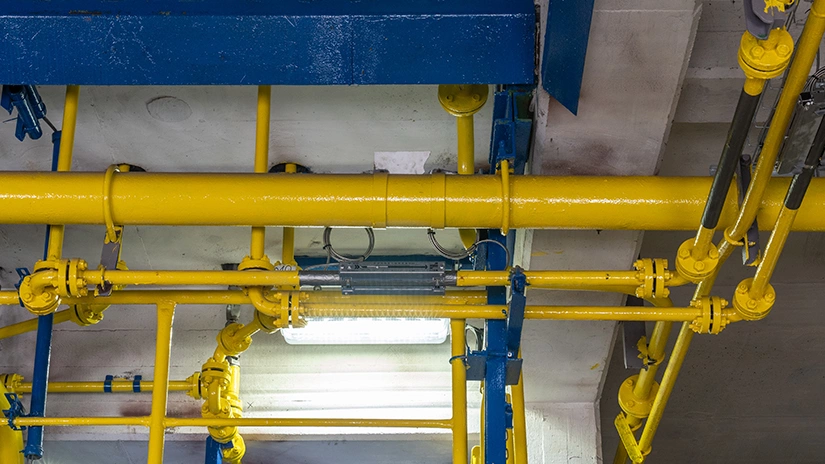
Flow measurement of ethylene
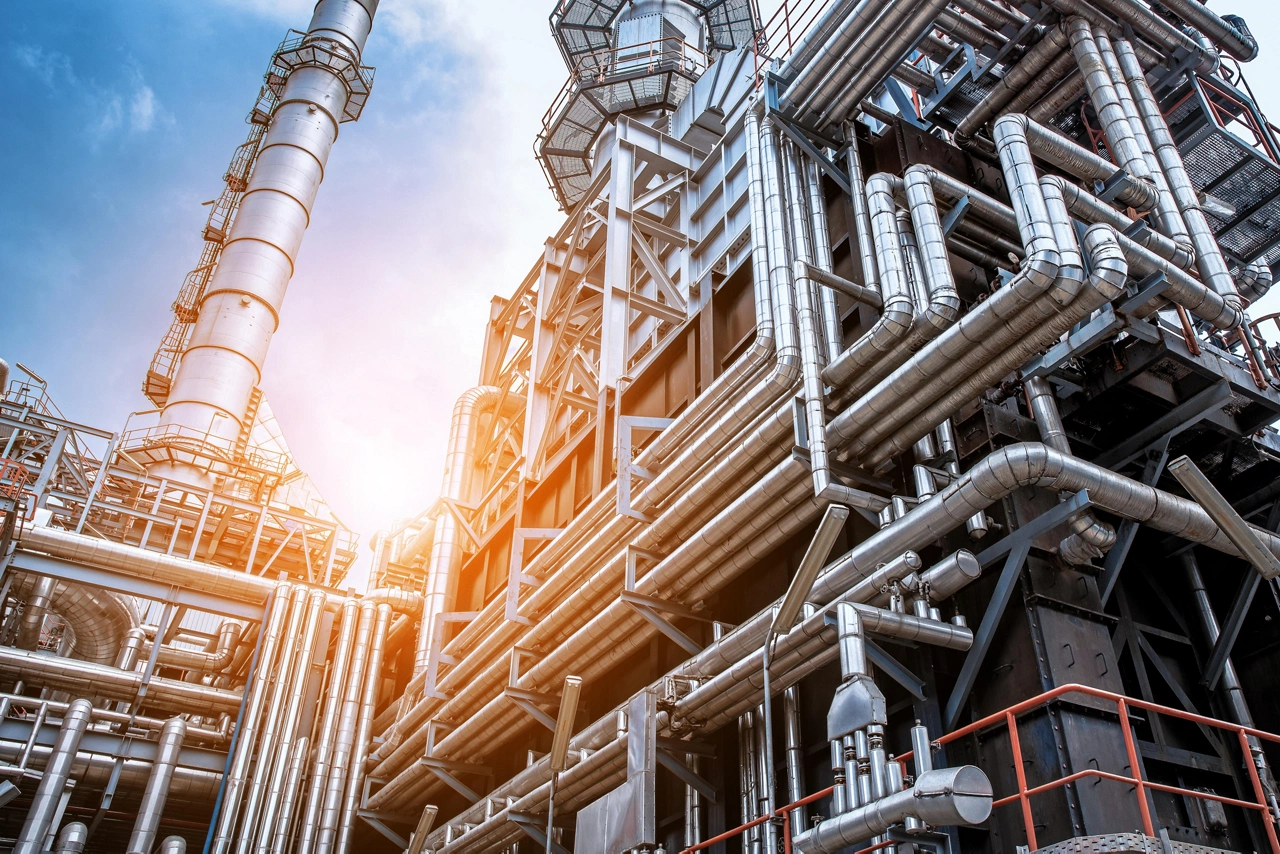
Flow Measurement in Saturated Steam Application for Custody Transfer
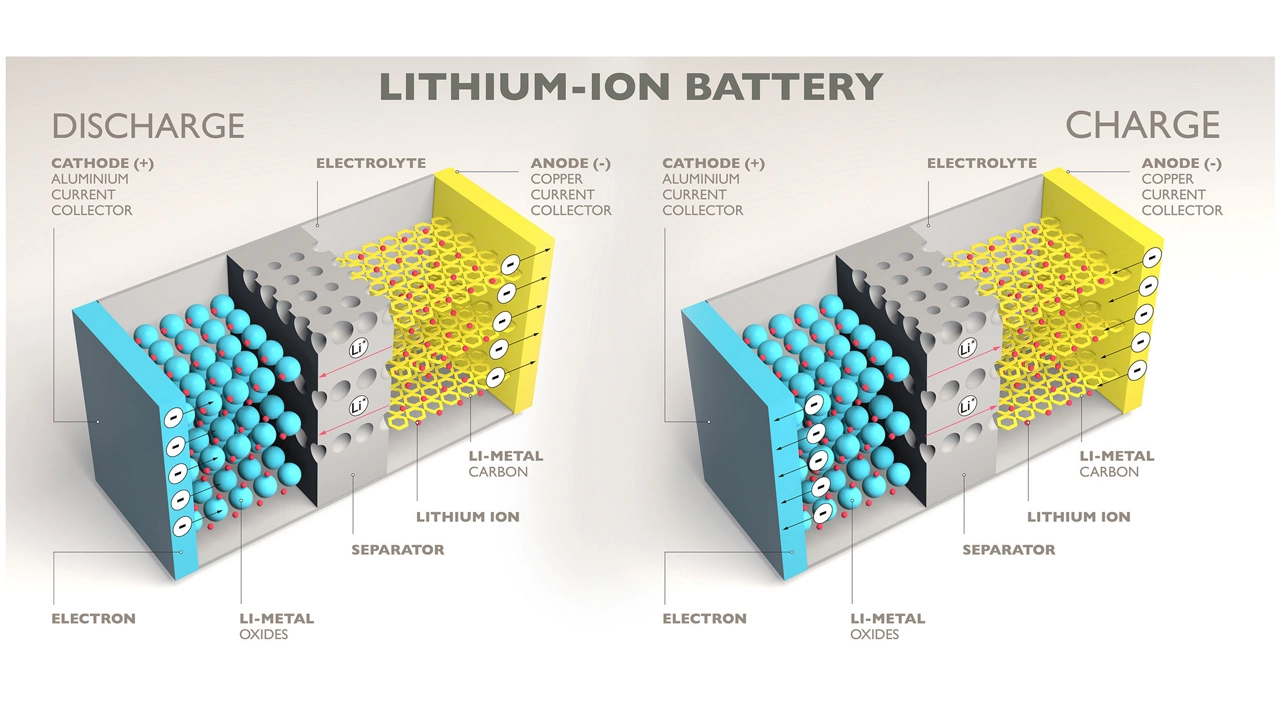
Monitor and Control Anode and Cathode Slurry Quality in Lithium-Ion Battery Production
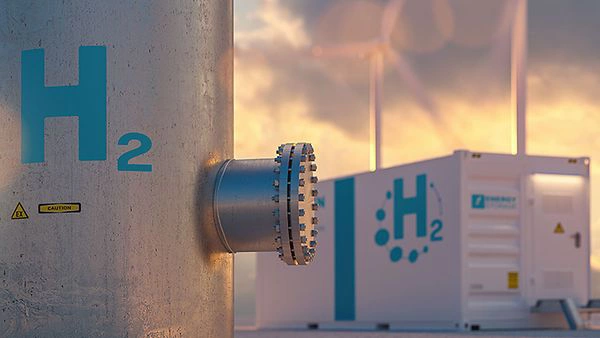
Ensure safe hydrogen operations with sufficient waterflow to the electrolyzer
-1?fmt=webp-alpha&qlt=95 "Flow Measurement for Polyvinyl chloride (PVC) Processes and Waste Recovery")
Flow Measurement for Polyvinyl chloride (PVC) Processes and Waste Recovery
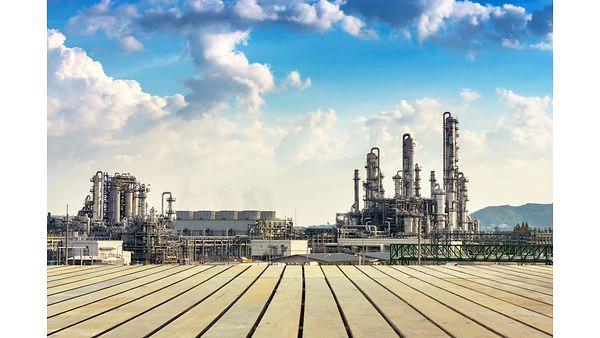
Flow Measurement in Ethylene Plants
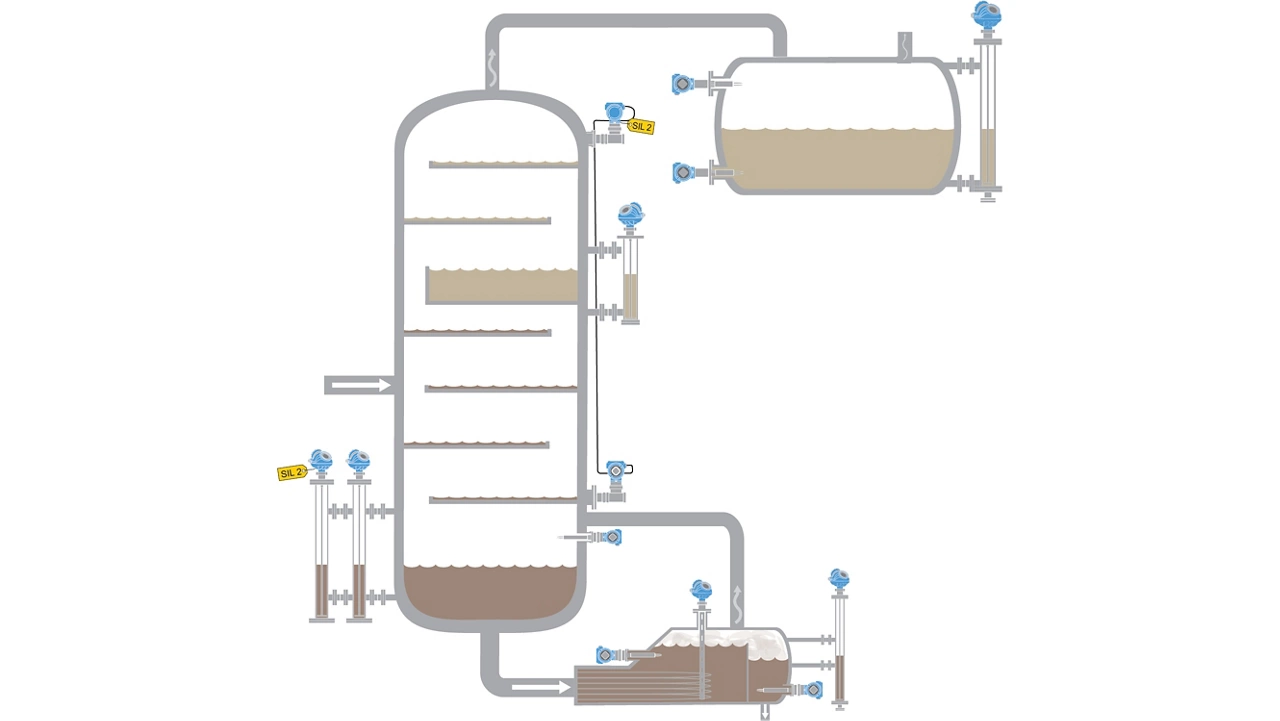
Level Measurement Solutions for Distillation Columns
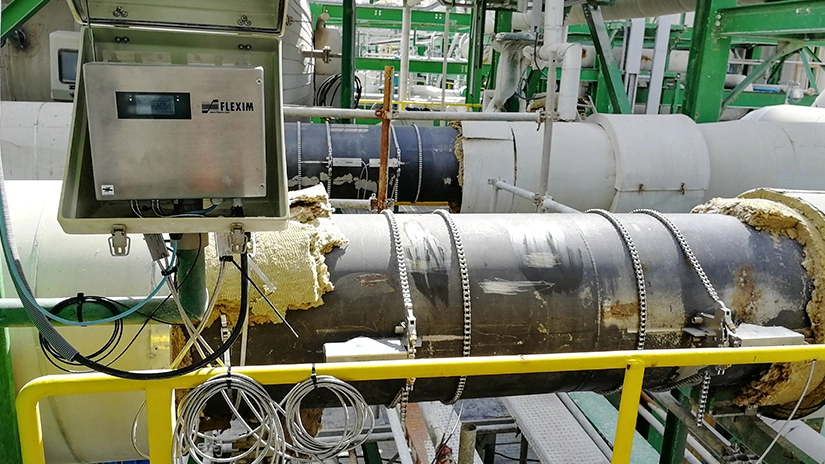
Steam measurement at a sulphuric acid plant
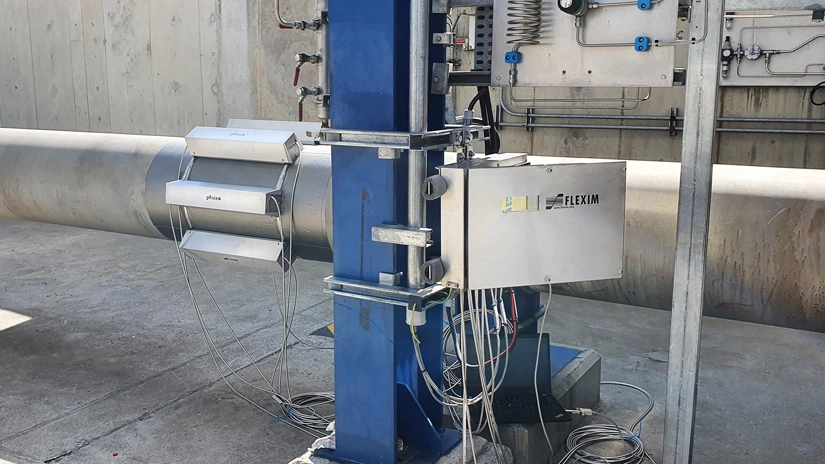
High-precision oxygen measurement
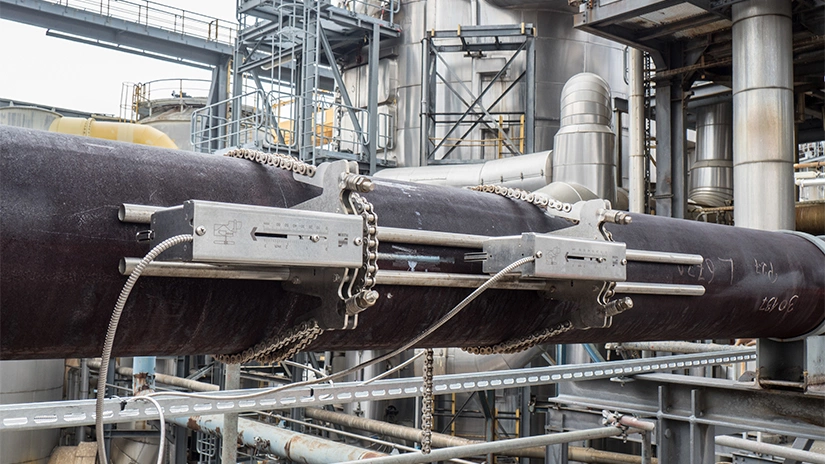
Concentration and flow measurement of sulfuric acid
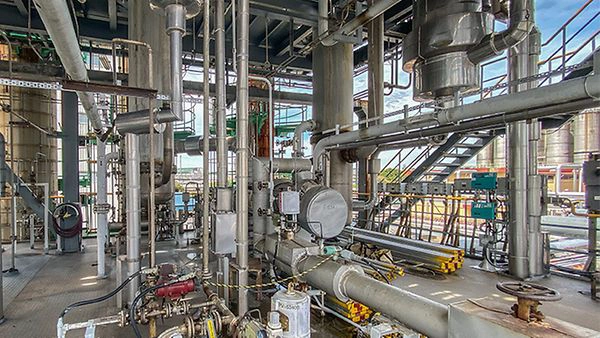
Water flow measurements for energy monitoring
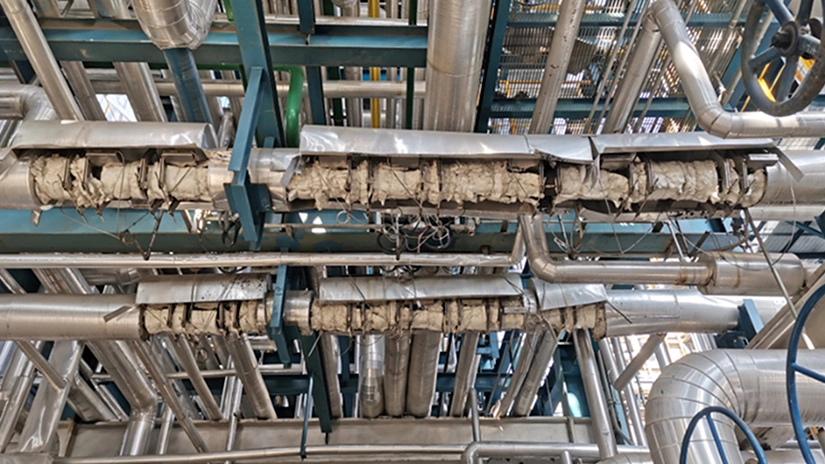
Heavy residue – SIL
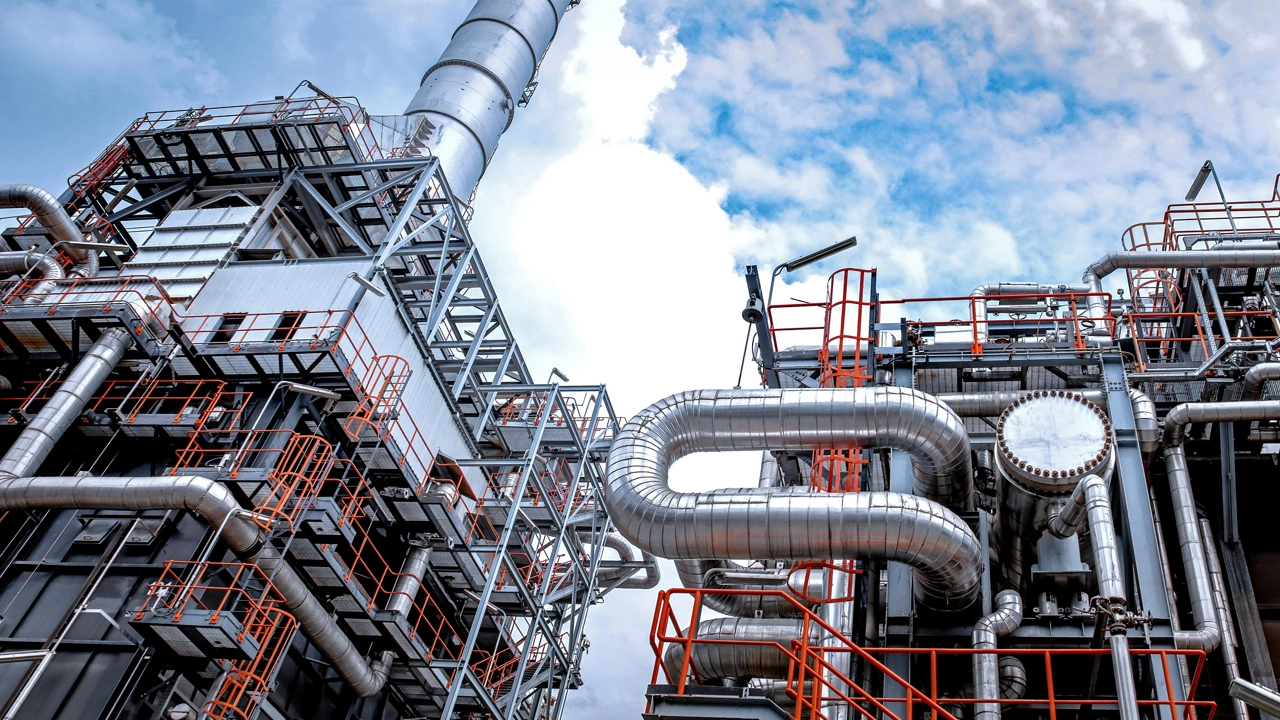
Flow Measurement in Ethylene Cracker
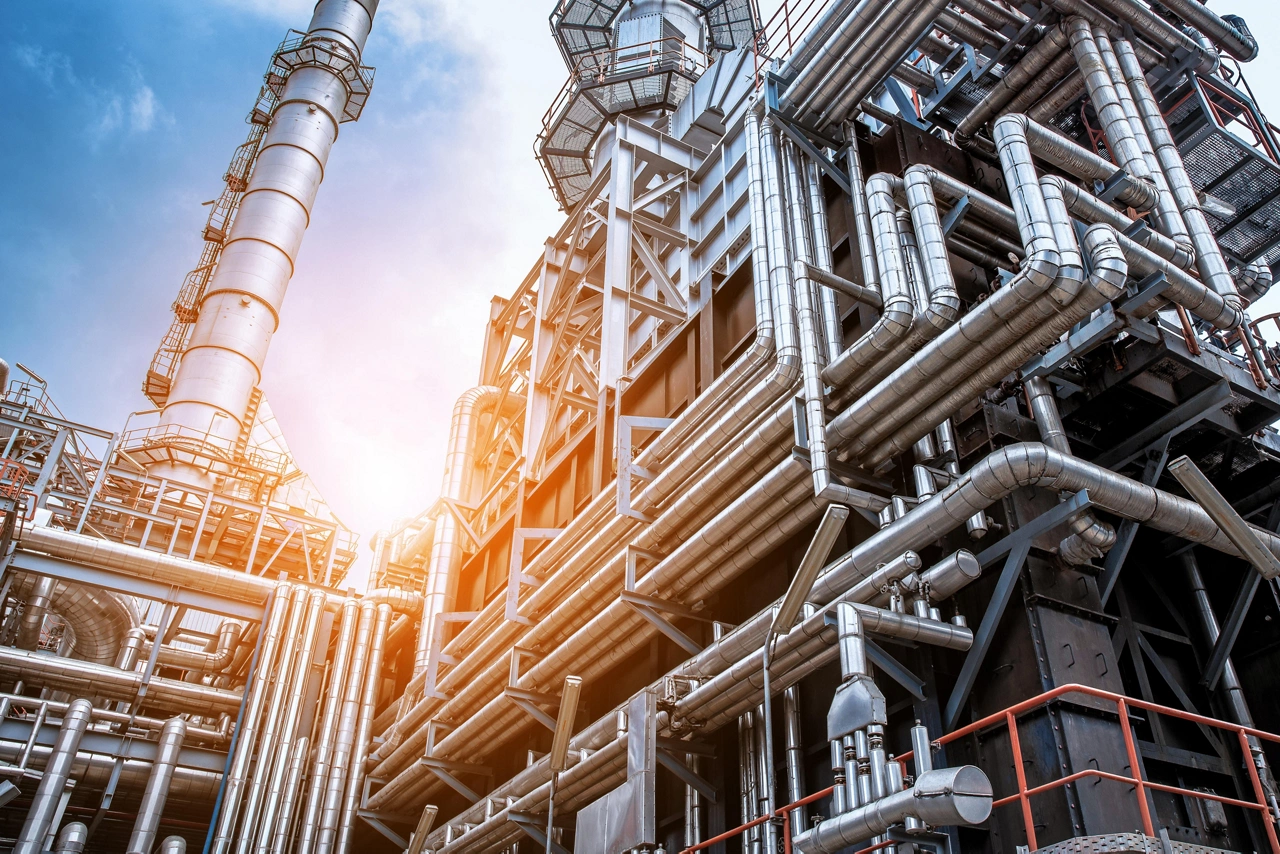
Differential Pressure Flow Measurement in Short Piping and Space
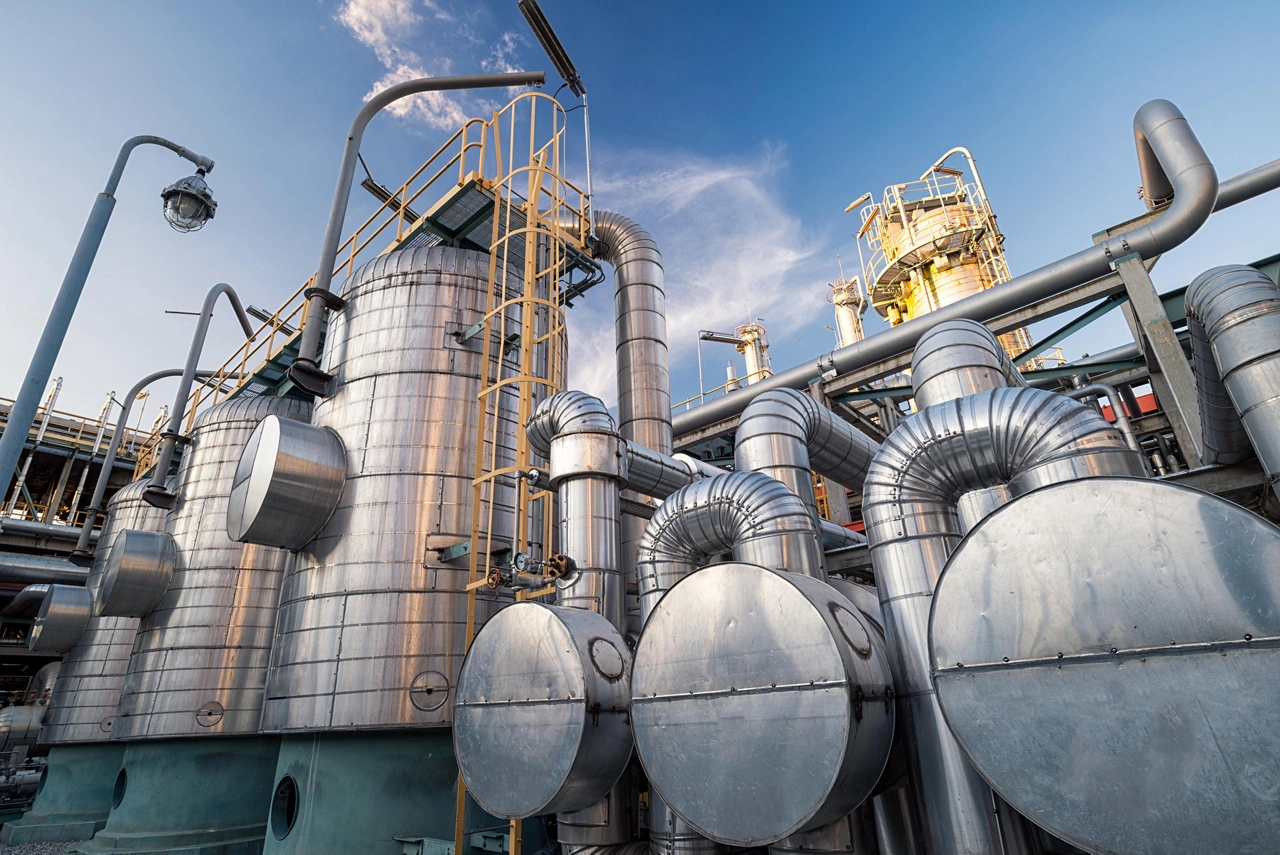
Flow Measurement for Molecular Sieve Water Removal Lines
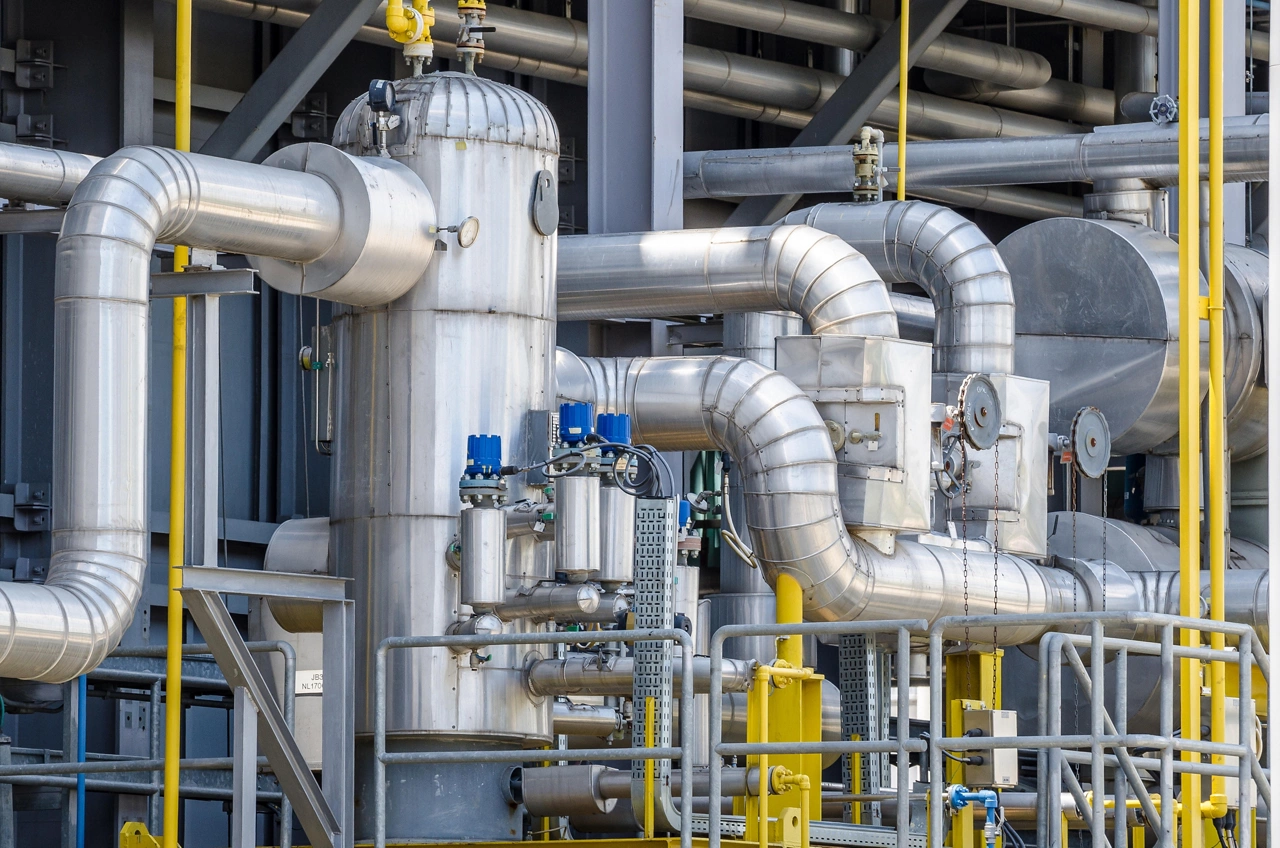
Improve Steam Transport and Distribution Visibility in Petrochemical Facilities
Frequenly Asked Questions
Flow measurement is the quantification of how much liquid, gas, or steam moves through a pipe or process system. Accurate flow measurement is critical for maintaining process control, ensuring product quality, optimizing energy use, and meeting safety and regulatory requirements across industries such as oil and gas, chemical, water and wastewater, life sciences, power generation, metals and mining, marine, refining, and more.
The right flow meter depends on several key factors, including fluid type, required accuracy, process conditions, and installation constraints.
- Coriolis flow meters are ideal for high-accuracy mass flow and custody transfer
- Magnetic flow meters perform best in conductive liquid applications such as water and slurry
- Differential pressure (DP) flow meters are widely used for steam, gas, and legacy installations
- Vortex flow meters are well suited for steam and clean gas measurement
- Ultrasonic flow meters offer non-intrusive or high-precision measurement for liquids and gases
Evaluating these variables ensures the selected technology delivers reliable performance and long-term value.
Each flow measurement technology uses a different principle to measure flow:
- Coriolis measures mass flow directly using tube vibration
- Magnetic measures volumetric flow based on fluid conductivity and electromagnetic induction
- Differential pressure (DP) calculates flow from pressure drop across a primary element
- Vortex detects vortices shed by the flowing fluid to determine velocity
- Ultrasonic uses sound waves to measure flow velocity, either inline or non-intrusive
These differences affect accuracy, maintenance requirements, pressure loss, and suitability for specific applications.
Non-intrusive ultrasonic flow meters are ideal when process interruption is not feasible or when avoiding pipe penetration is a priority. They are commonly used for temporary measurements, energy audits, retrofit installations, or hazardous environments where minimizing installation complexity and downtime is critical.
Coriolis flow meters are typically preferred for high-accuracy applications because they measure mass flow directly and provide exceptional repeatability and stability. They are widely used in custody transfer scenarios where measurement precision directly impacts financial transactions and regulatory compliance.
Key process conditions that influence flow meter selection include:
- Fluid type (liquid, gas, steam, slurry, multiphase)
- Temperature and pressure range
- Flow rate and pipe size
- Fluid properties such as viscosity, density, and conductivity
- Presence of solids, bubbles, or contaminants
Understanding these conditions helps ensure accurate measurement and avoids performance issues over time.
Modern flow measurement technologies are designed to perform reliably in demanding environments, including high pressure, extreme temperatures, corrosive media, and multiphase flow conditions. Advanced diagnostics, durable materials, and application-specific designs help maintain accuracy, reduce maintenance, and improve operational uptime.
Accurate, real-time flow data enables operators to optimize control strategies, reduce waste, improve yield, and identify performance issues before they lead to downtime. When integrated with digital systems, flow measurement also supports predictive maintenance and data-driven decision-making across the plant.
Selecting the optimal flow measurement technology can be complex, but the right tools and expertise make the process easier. Emerson provides application expertise, engineering tools, and digital selection platforms to help evaluate your requirements and recommend the best solution for your process.