
Safety Solutions: Gas Detection and Flame Detection Products
No matter how extreme or demanding the conditions, the health and safety of your people comes first. Our innovative flame and gas detection solutions are designed to excel under the toughest conditions to help you streamline day-to-day operations and keep your people safe.
Products
Explore Product Categories

Gas Detectors
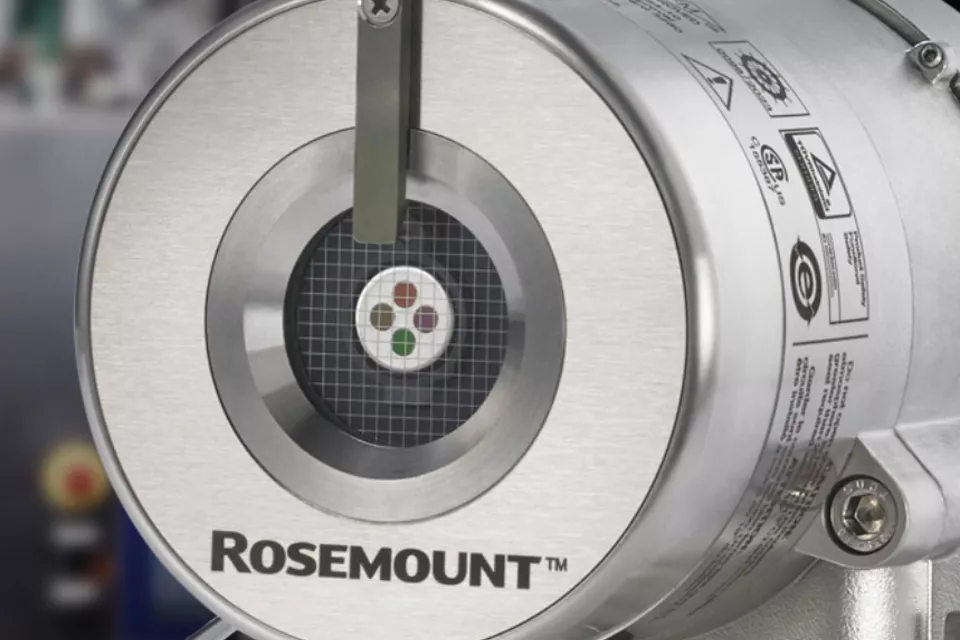
Flame Detectors

Sensors, Accessories & Spare Parts
Product Applications
Chemical

Gas & Flame Detection in Chemical Production
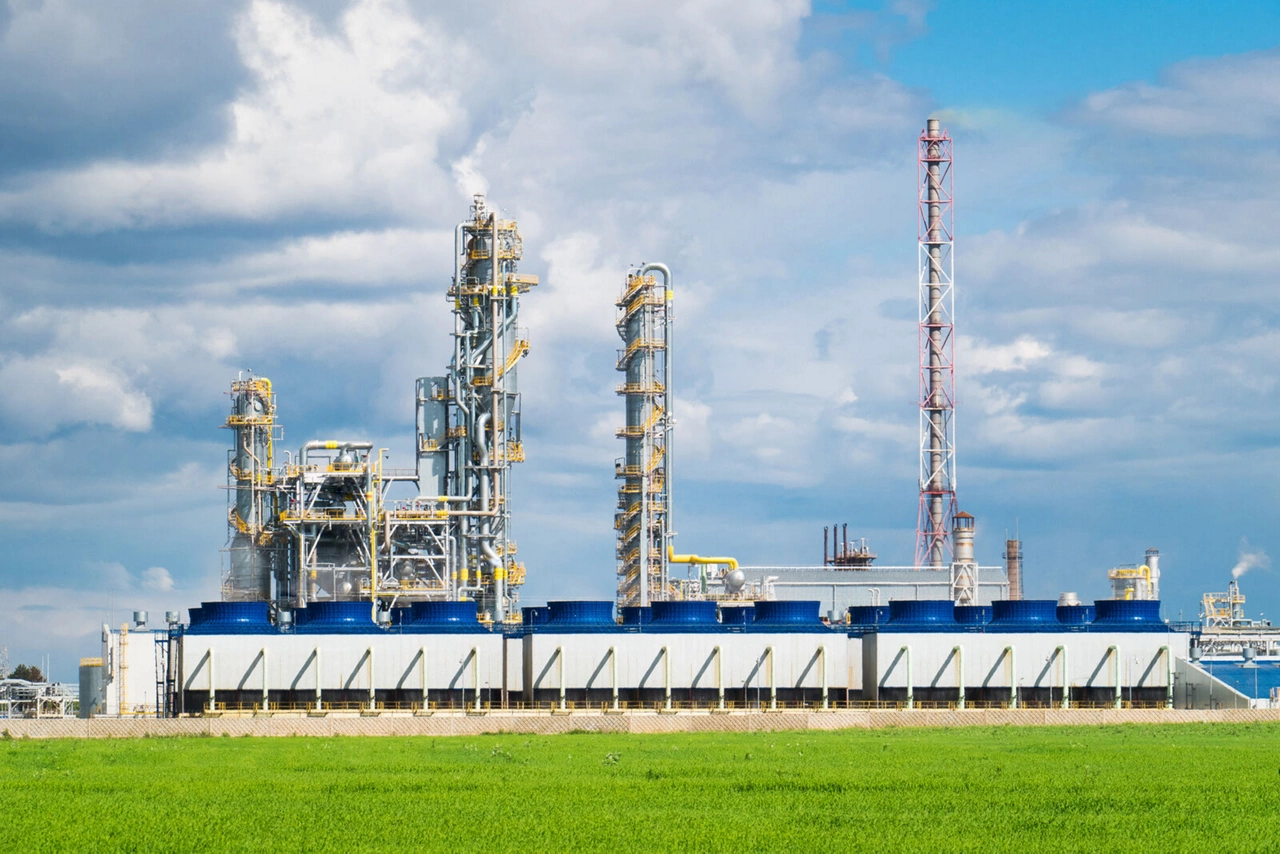
Gas & Flame Detection in Fertilizer Plants
Resources
Top quality, field proven products and technologies to protect life, property, and productivity.
Rosemount™ 928 Wireless Gas Monitor
Optical Flame Detection for the Process Industry

Flame and Gas Detection Frequently Asked Questions
This category covers flame detectors, fixed point gas detectors, open path gas detectors, and ultrasonic gas leak detectors for combustible gas, toxic gas, oxygen hazards, and fire risks in hazardous industrial environments. It helps users compare detector types for oil and gas, refining, chemical processing, power generation, hydrogen, and marine applications.
Flame and gas detection systems detect fire, flammable and combustible gas leaks, toxic gas leaks, and oxygen hazards. These systems are used to identify conditions that can lead to explosions, fires, toxic exposure, or oxygen-deficient atmospheres.
Industrial sites use fixed point gas detectors, open path gas detectors, and ultrasonic gas leak detectors to monitor flammable and combustible gases, toxic gases, and oxygen hazards. Common gas targets include methane, propane, butane, hydrogen, volatile organic compounds, hydrogen sulfide, carbon monoxide, ammonia, chlorine, and nitrogen dioxide.
Industrial flame detection systems commonly use ultraviolet, infrared, ultraviolet infrared, and multi-spectrum infrared flame detectors. The right option depends on fire type, fuel source, response speed, viewing distance, environmental conditions, and false alarm resistance.
Infrared, ultraviolet, and multi-spectrum infrared flame detectors use different sensing methods to identify fire signatures and reduce false alarms. Infrared detectors are commonly used for hydrocarbon fires, ultraviolet detectors respond quickly to certain flame signatures, and multi-spectrum infrared detectors improve fire discrimination in demanding industrial environments.
Point gas detectors measure gas concentration at a specific location, while open path gas detectors detect gas across a beam between a transmitter and receiver. Point detection is used near likely leak sources, while open path detection is used for larger areas, perimeter monitoring, or long-distance coverage.
Flame and gas detection systems are used in upstream oil and gas, offshore platforms, refineries, petrochemical plants, chemical sites, power generation facilities, hydrogen applications, marine environments, and other hazardous industrial areas. They are used wherever combustible gases, toxic gases, oxygen hazards, or fire risks must be monitored continuously.
Choose a flame detector based on fire type, fuel source, field of view, installation distance, environmental conditions, and false alarm resistance. Compare ultraviolet, infrared, ultraviolet infrared, and multi-spectrum infrared technologies based on fire risk, hazardous area needs, maintenance, and system integration.
Choose a gas detector based on target gas, leak behavior, coverage area, and environmental conditions. Compare fixed point gas detection, open path gas detection, and ultrasonic gas leak detection based on gas type, installation layout, obstructions, calibration needs, and response speed.
Flame and gas detectors should be tested and maintained at intervals based on the manufacturer, the application, site conditions, and the facility’s safety program. Typical practices include inspection, functional testing, calibration for applicable gas detectors, and proof testing.