

Products
Made-to-Order Pressure Sensors & Transducers
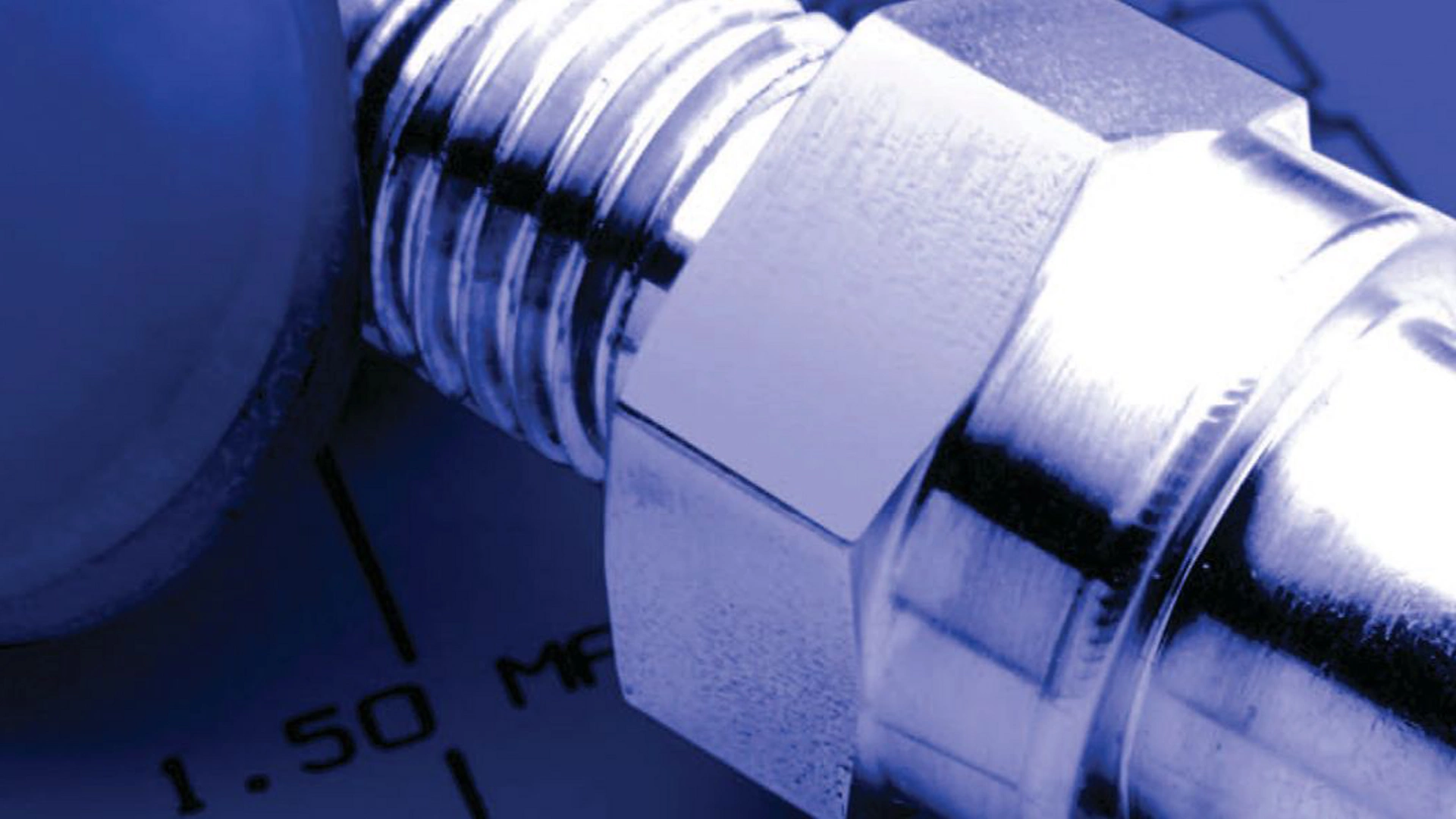
Designed For Your Industry's Needs
We are proud to offer high pressure sensors and high pressure transducers for use in the harshest environments, on earth and beyond, with exceptional performance, accuracy and reliability. With decades of design experience, our engineers have the knowledge and experience to customize or modify an existing design and manufacture a completely new pressure transducer to fit your industry's unique requirements.
Industry Solutions
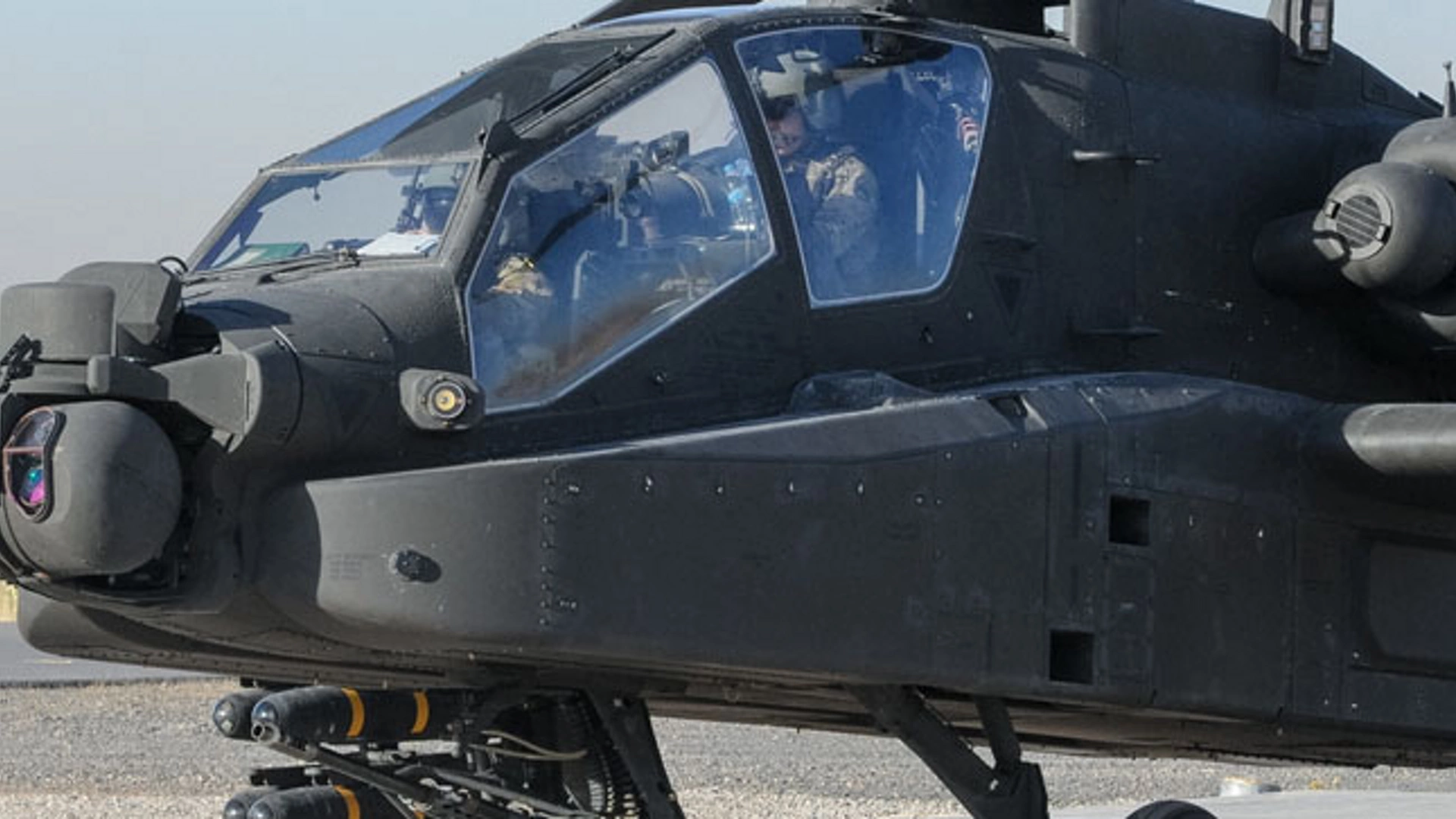
High Accuracy
Highly accurate and reliable pressure and temperature measurements are critical to the success of every mission. Emerson understands this importance. From flight guidance, propulsion, engine monitoring, weapons positioning, test stands, simulators and more, Emerson’s Paine™ pressure transducers are designed to survive, easily customized and meet the highest ISO9001 / AS9100 quality standards.
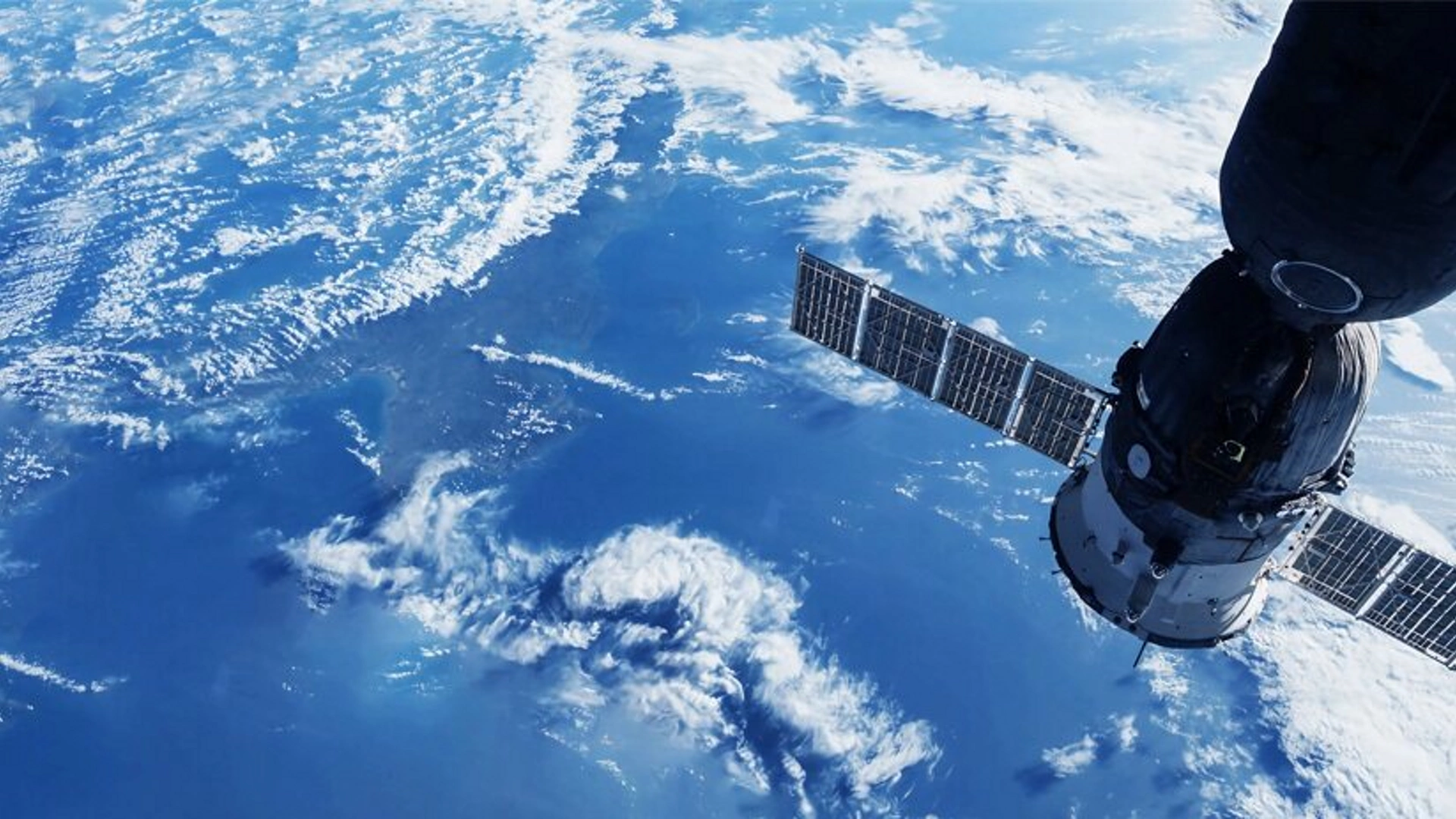
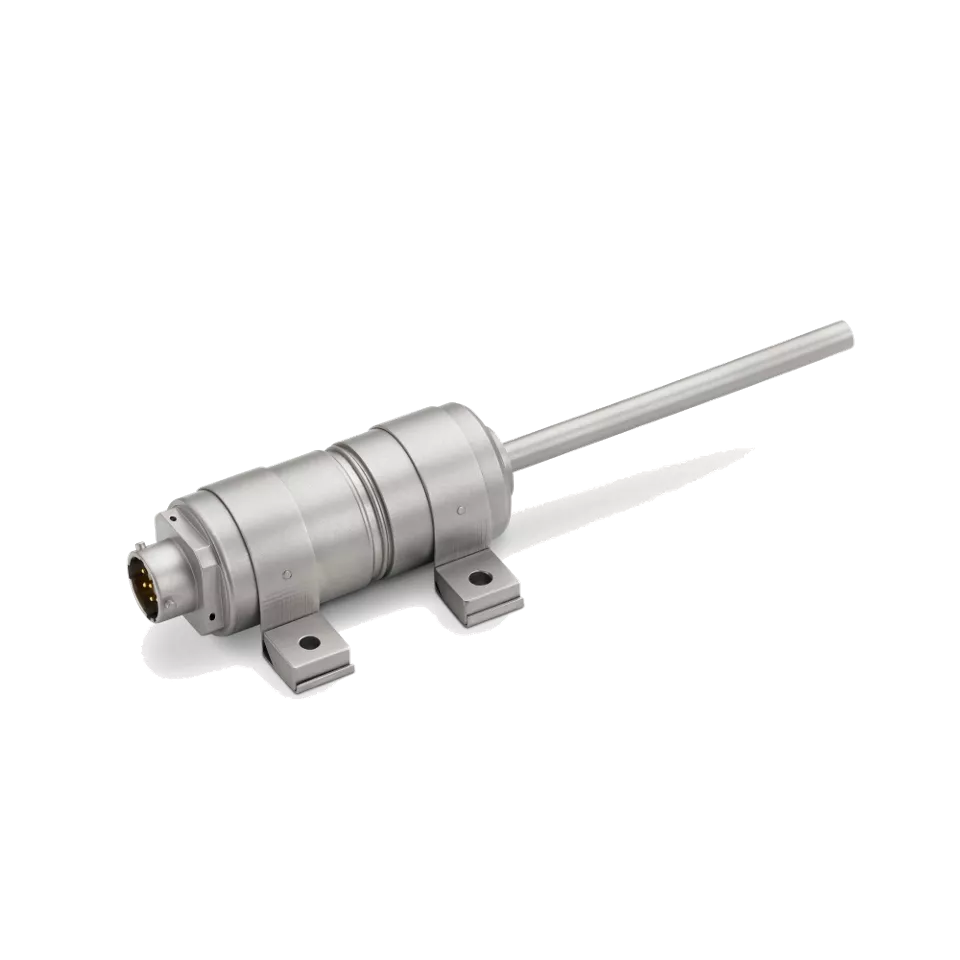
Featured Products for the Space & Satellite Industry
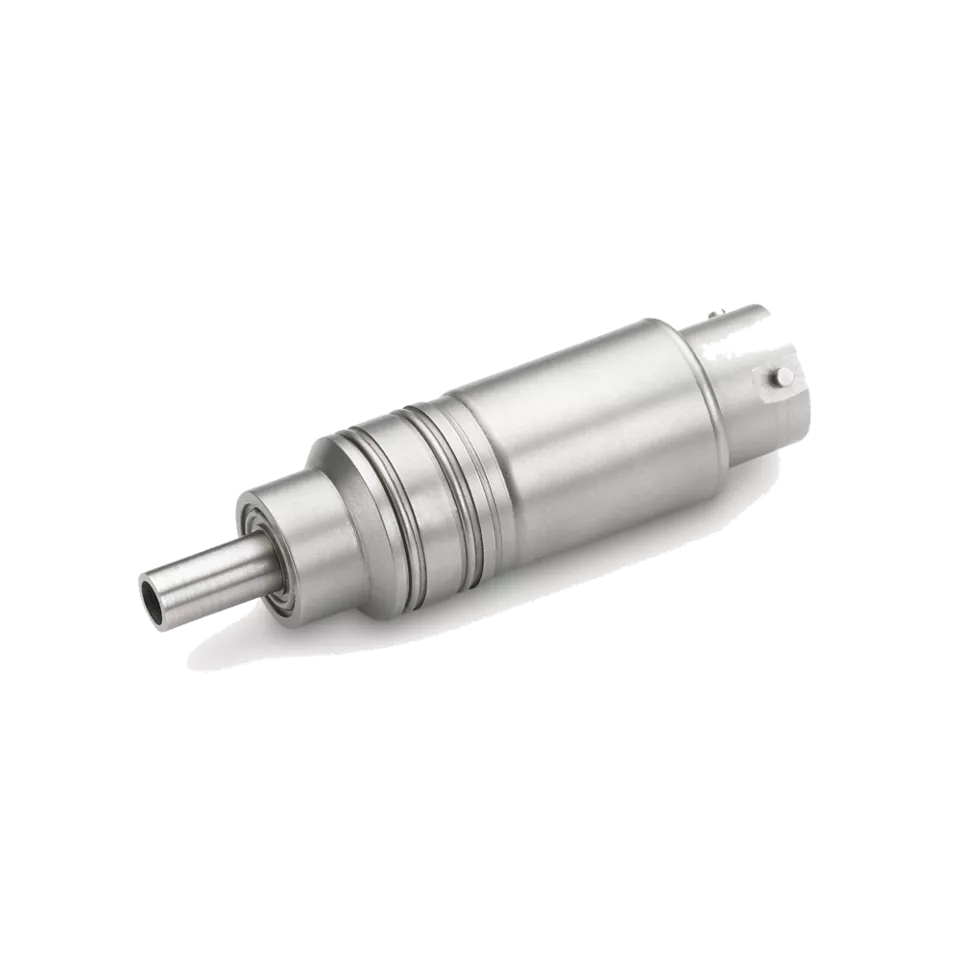
Frequently Asked Questions
If you have additional questions related to Paine Pressure Sensors and Pressure Transudcers, please contact us.
A pressure sensor is a device that detects pressure changes in gases or liquids and converts this data into an electrical signal. Commonly used in aerospace, industrial, automotive and oil and gas applications, pressure sensors help monitor and control pressure in real-time systems to ensure safety and performance.
A pressure transducer is a type of pressure sensor that not only detects pressure, but also converts it into a precise, measurable electrical output - typically voltage, current or digital signal. Pressure transducers are often used in mission-critical environments such as aerospace, military, subsea and industrial automation systems.
The lifespan of a pressure transducer depends on application severity, materials of construction and exposure to temperature or media. High-quality pressure transducers can last 10–20 years or more with proper calibration and care. In harsh environments like subsea or aerospace, life expectancy is often designed around mission-critical durability.
A pressure sensor detects the force exerted by a fluid or gas and converts it into an electrical signal. It typically uses a diaphragm or sensing element that deforms under pressure, triggering a change in electrical characteristics (resistance, capacitance, or voltage), which is then processed as a readable signal.
Pressure transducers operate by converting pressure into an electrical signal. Internally, a sensing element detects mechanical deformation due to pressure. This deformation changes the electrical resistance, which is then converted into a measurable output signal via signal conditioning electronics.
The lead time for a custom pressure transducer can vary based on design complexity, performance specifications and environmental requirements. On average, it can take anywhere from 8 to 30 weeks. At our facility, we specialize in engineered-to-order pressure transducers and work closely with clients to meet demanding timelines without compromising quality.
The best pressure sensor depends on factors such as pressure range, media compatibility, temperature extremes, output requirements and environmental conditions (e.g., subsea, high-vibration or vacuum environments). Contact our engineering team for application-specific guidance and product recommendations tailored to your needs.
Yes, pressure transducers require calibration to ensure accuracy. Calibration involves comparing the pressure transducer’s output against a known reference pressure and adjusting it to minimize error. Over time and with use, recalibration may be needed depending on the application’s criticality and sensor stability.
When choosing a pressure transducer, consider the following criteria:
Pressure range and type (gauge, absolute, differential)
Electrical output (mV/V, 4–20mA, 0–5V, or digital)
Operating temperature range
Material compatibility with media
Environmental ratings (IP, explosion-proof, subsea)
Accuracy and stability requirements
Working with an experienced manufacturer ensures the pressure sensor matches your application's specifications.
Pressure transducer types include:
Strain gauge transducers – rugged and widely used
Capacitive pressure transducers – high sensitivity for low pressure
Piezoelectric transducers – for dynamic pressure changes
Resonant silicon transducers – for high precision and long-term stability
Silicon-on-sapphire (SOS) transducers – for extreme environments
Each pressure transducer type is selected based on application-specific performance and environmental requirements.