
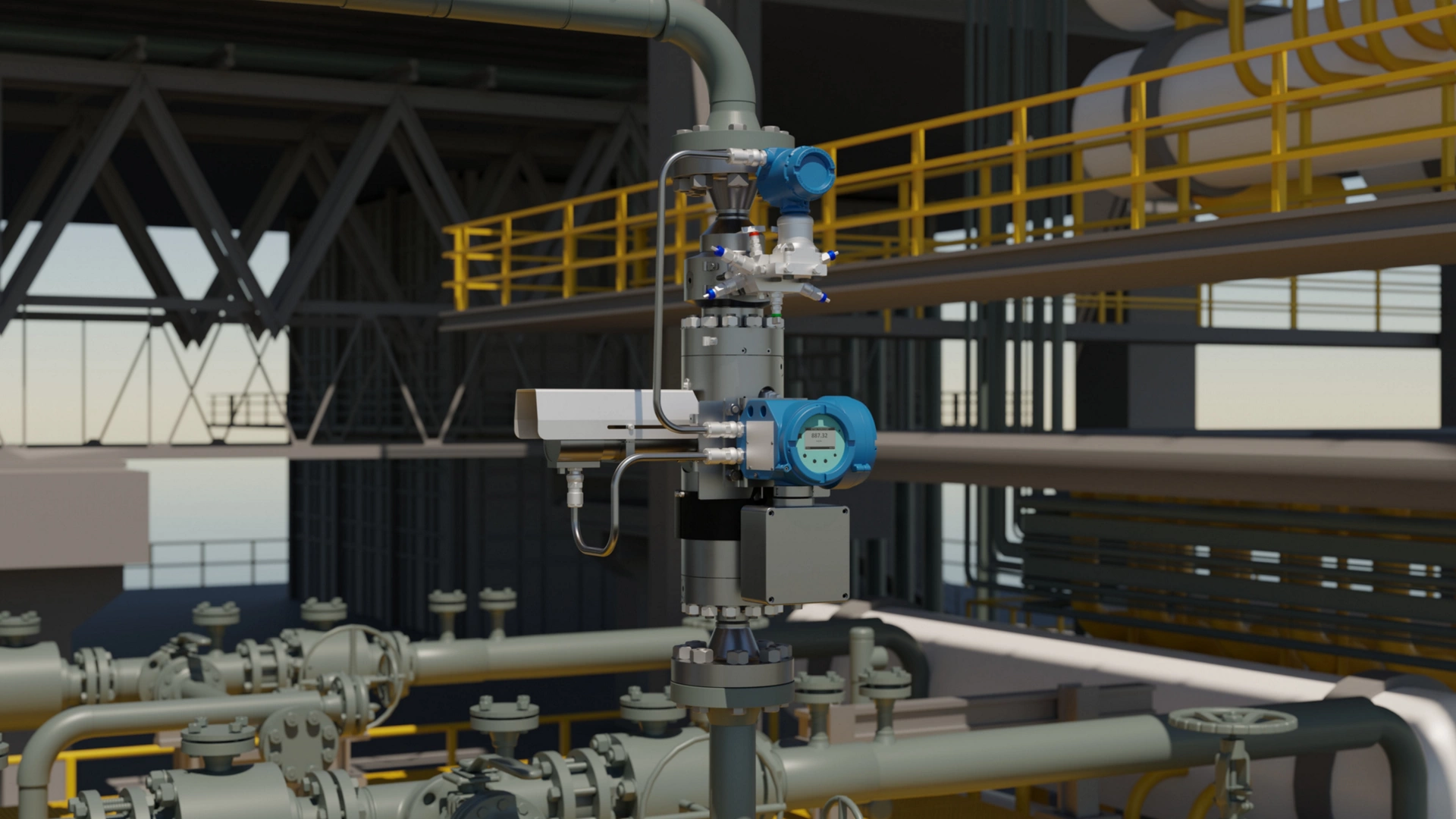
User Friendly Multiphase Flow Meters You Can Rely On
High quality measurement of multiphase flow, without the need for separation, is required in an ever-growing variety of applications and field conditions worldwide.
When selecting a multiphase flow meter from Emerson, you can be assured of robust and reliable measurement performance in any multiphase flow application. With over 30 years of field experience and a global presence, you can be confident of both the measurement instrument and the support you need, from a supplier you know and trust.
Products
Application Examples
Allocation Measurement
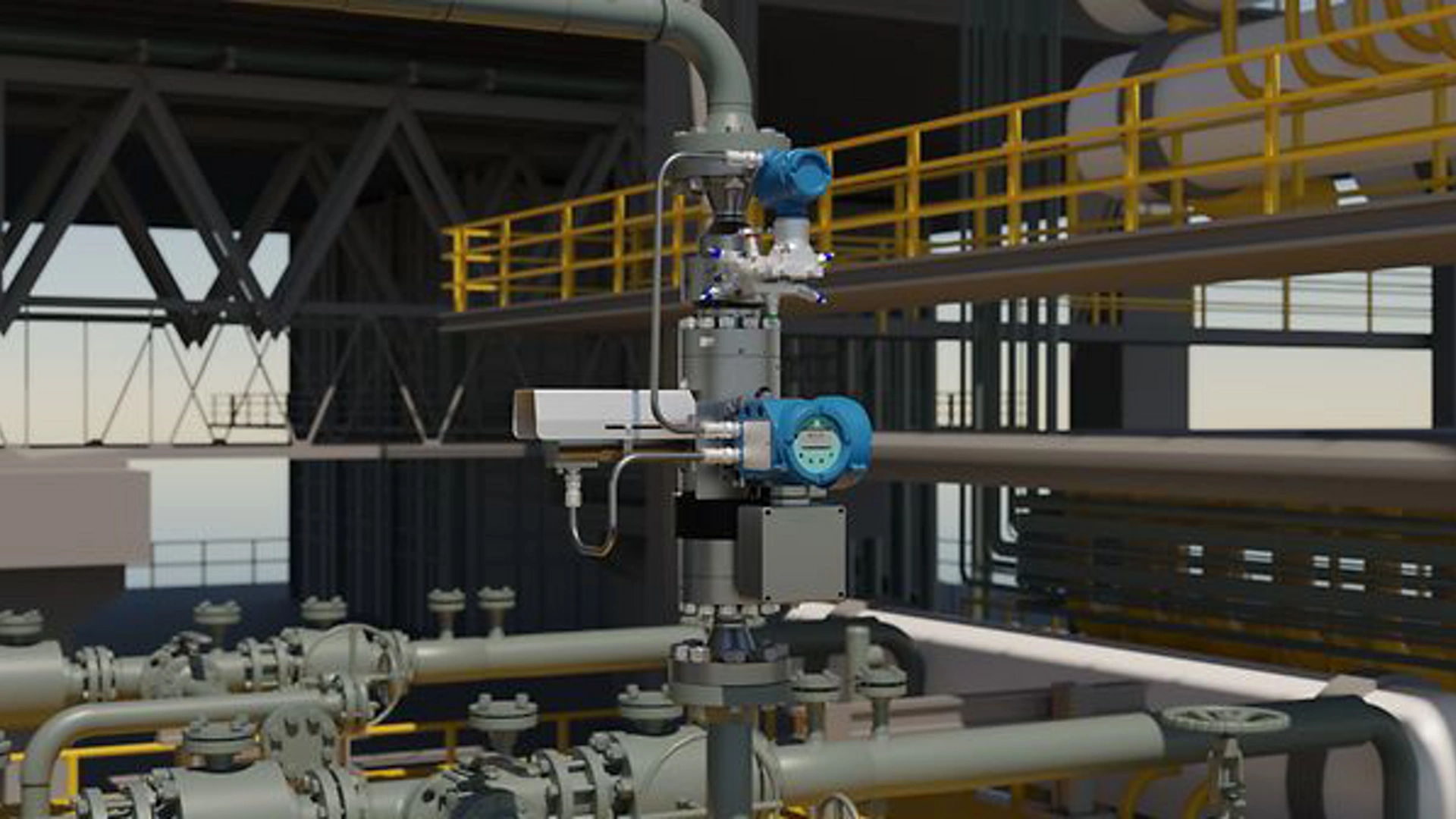
Many assets have joint ownership or points where flow from different assets may comingle. The high-quality, robust, reliable and repeatable measurement data obtained from the Roxar multiphase meters support you in ensuring financial gain is allocated as it should be. By using multiphase flow meters for these applications, there can be huge savings in piping, separators, and equipment footprint, as well as a field proven instrument from Emerson providing a reliable measurement solution.
How It Works
Measurement Techniques
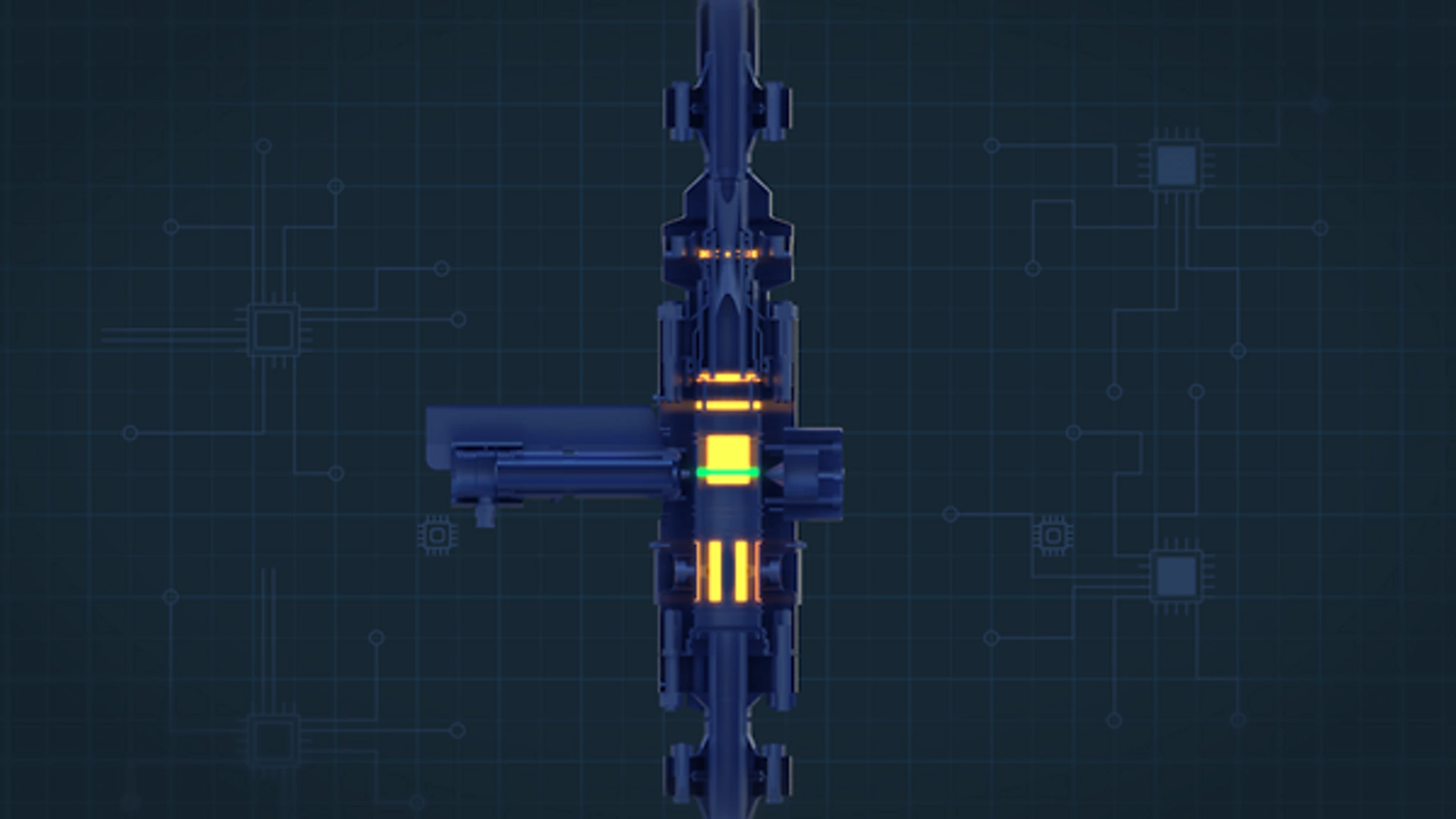
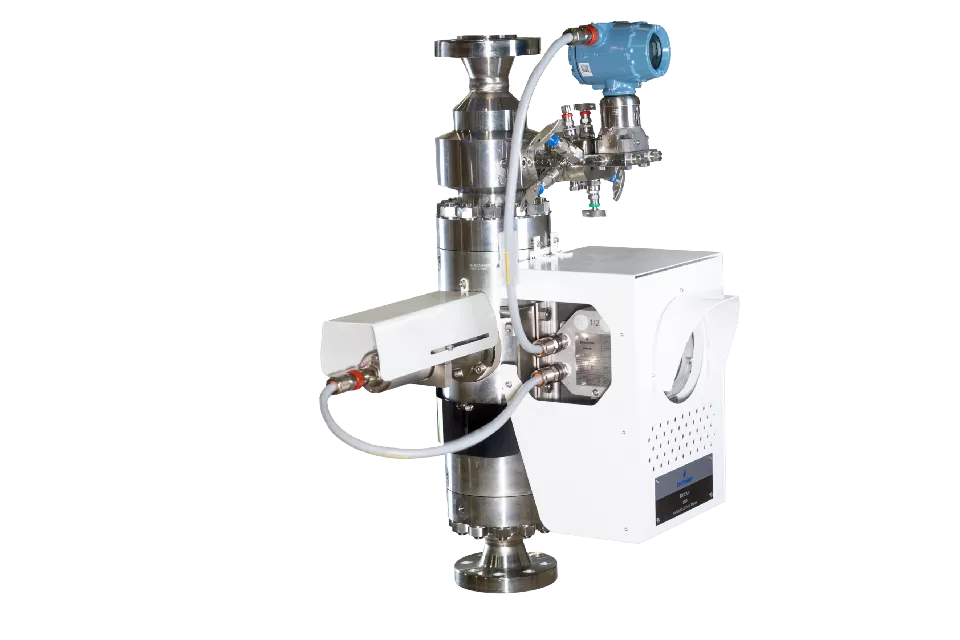
The Roxar 2600 MPFM utilizes a number of raw data measurement techniques. The components included are an electrical impedance section, gamma density measurement when this is included in the supply, a field replaceable venturi section and a Rosemount MVT. These raw data measurements are all that are required to provide high quality data regarding your multiphase flow. The next step is ensuring the data is correctly interpreted within the meter software.
Videos
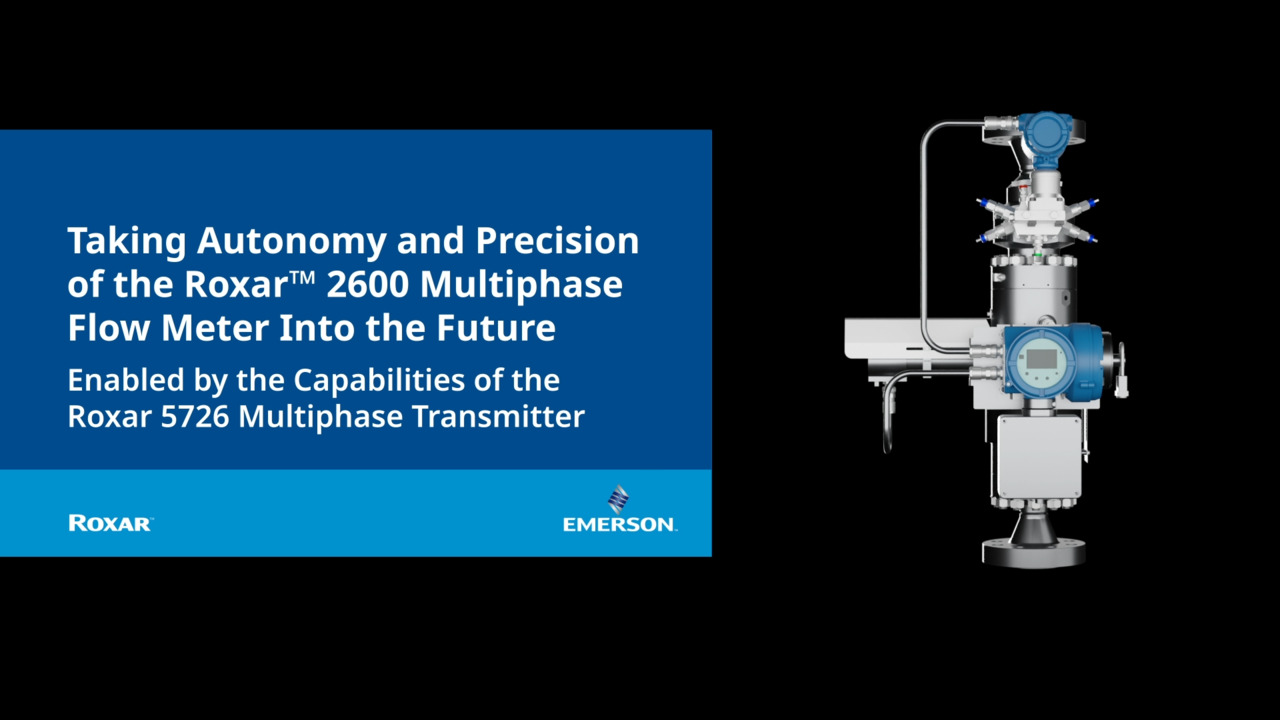
Taking Autonomy and Precision of the Roxar™ 2600 Multiphase Flow Meter Into the Future
Taking Autonomy and Precision of the Roxar™ 2600 Multiphase Flow Meter Into the Future
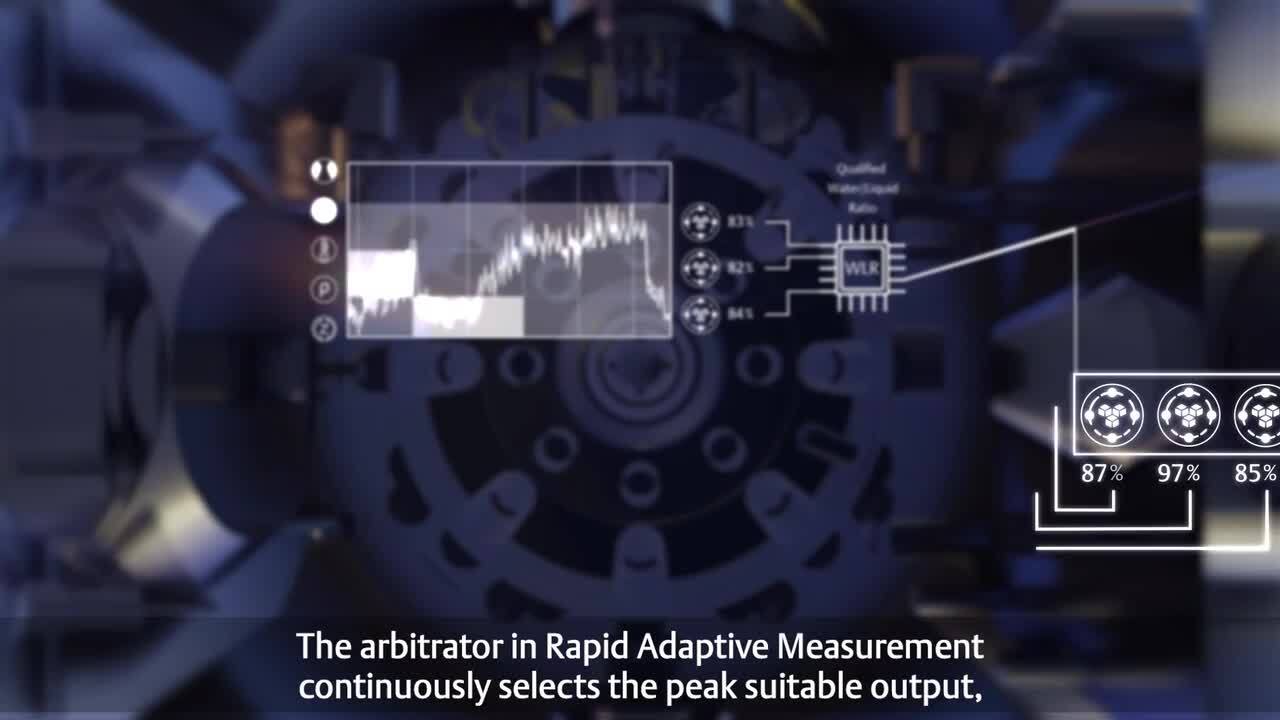
Supporting Automation in Dynamic Multiphase Flow Metering with Roxar Rapid Adaptive Measurement™

Roxar Mulitphase Meter 2600
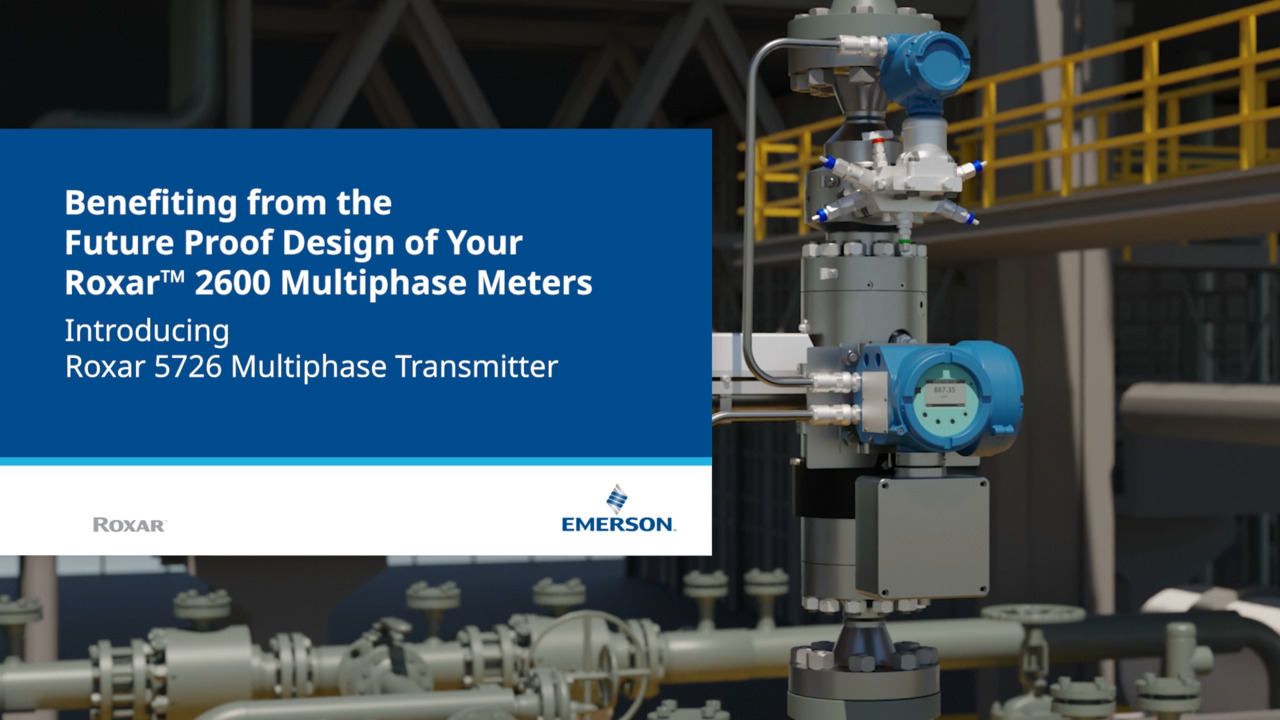
Benefiting from the Future Proof Design of the Roxar™ 2600 Multiphase Meters
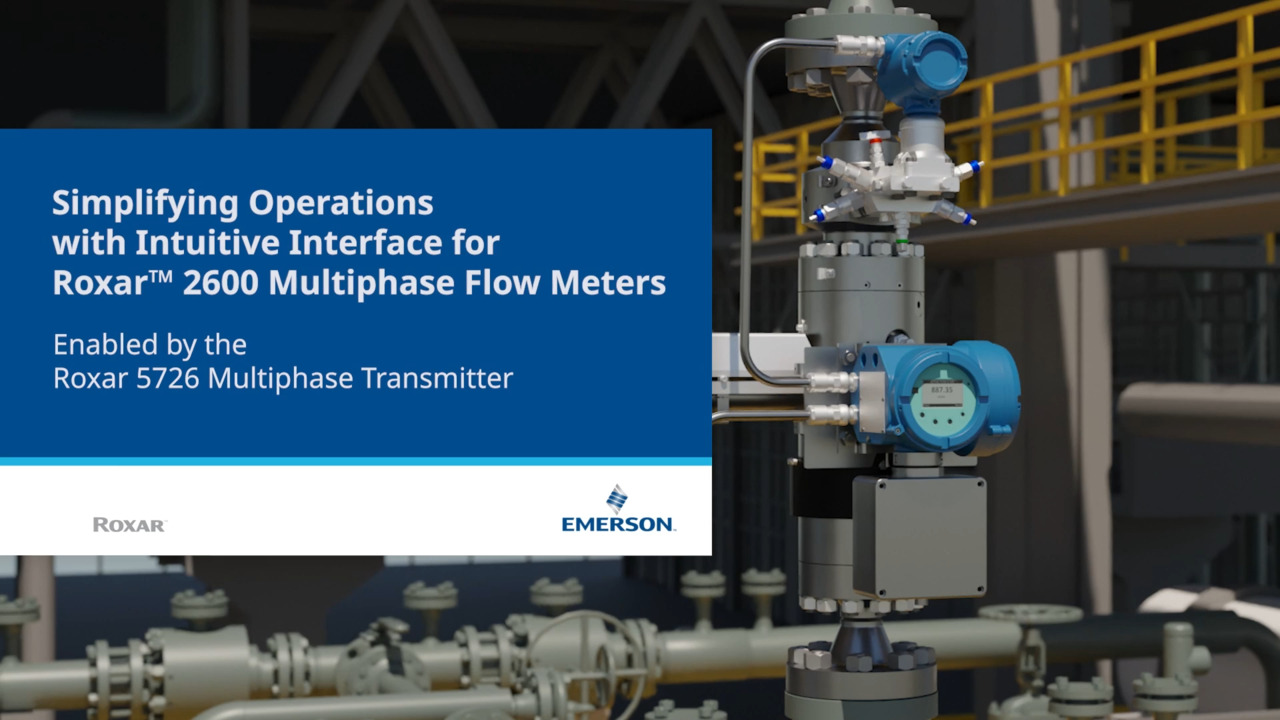
Simplifying Operations with Intuitive Interface for Roxar™ 2600 Multiphase Flow Meters Enabled by the Roxar 5726 Multiphase Transmitter
Saving Time and Resources with Effortless Installation of Roxar™ 2600 Multiphase Flow Meters
Multiphase Meter Electronics Built to Last: Surviving the Harshest Environments - Showcasing Roxar™ 5726 Multiphase Transmitter
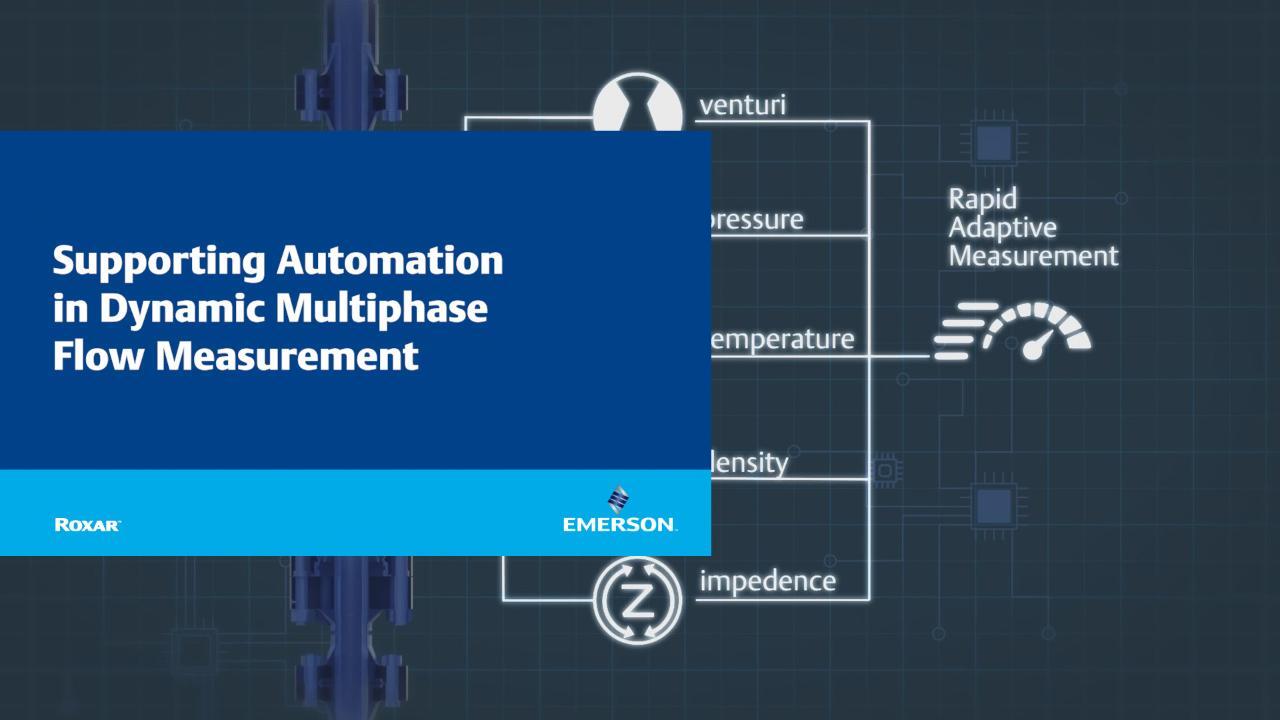
Supporting Automation in Dynamic Multiphase Flow Measurement
Enhancing Autonomous Multiphase Flow Measurement with the Embedded PVT Engine
Assuring Multiphase Flow Measurement Performance in Assisted Recovery Methods
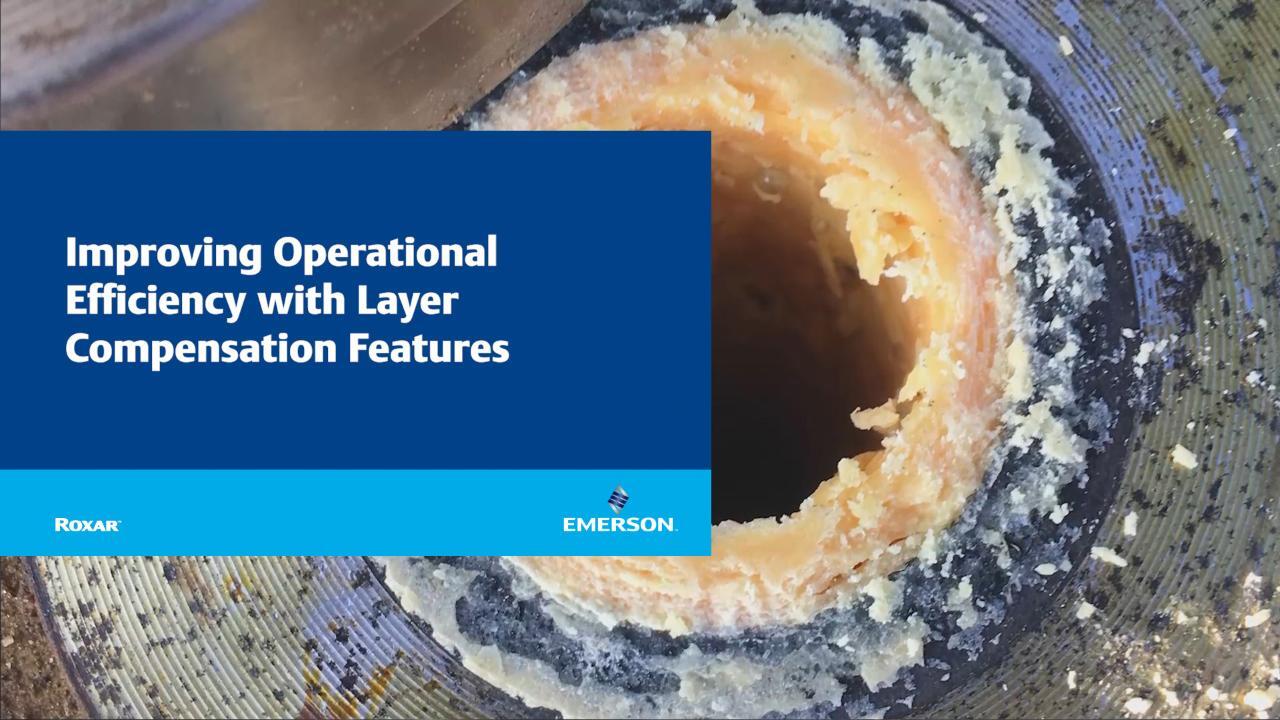
Improving Operational Efficiency with Layer Compensation Features
Optimizing High Gas Fraction Multiphase Flow Measurement with Improved Annularity Modelling
Documents
Flyer: Roxar Rapid Adaptive Measurement for the Roxar 2600 Multiphase Flow Meter
Rapid Adaptive Measurement™ Software – Trustworthy Real-Time Measurement Supporting Automation in Dynamic Multiphase Flow
Blogs

Frequently Asked Questions
Have questions about multiphase flow metering technologies, applications, and performance? This FAQ section provides clear, expert answers to help you understand how multiphase flow meters work, when to use them, and how to select the right solution for your production challenges.
From accuracy and flow conditions to installation, integration, and lifecycle considerations, get the insights you need to make confident decisions.
A multiphase flow meter (MPFM) measures the flow rates of oil, gas, and water simultaneously in a pipeline, without separating them first.
Emerson’s Roxar 2600 Multiphase Flow Meter combines Venturi differential pressure, electrical impedance, and gamma densitometry to calculate phase flow rates in real time. The Venturi element measures total mass flow based on the pressure drop across the meter, while gamma densitometry quantifies phase fractions by detecting density variations in the flowing mixture. A non-gamma version excludes this measurement. Electrical impedance, using both capacitance (dielectric response) and conductance (fluid conductivity), further resolves phase distribution by analyzing how the mixture responds to an applied electrical field. These inputs are combined with flow models in the embedded software, Roxar Rapid Adaptive Measurement, to calculate individual phase flow rates (oil, water and gas) in real time.
This approach is widely used in oil and gas production, well testing, and allocation across offshore and onshore facilities. For allocation service, NORSOK I-104 provides recognized guidance on verification, uncertainty, and validation of MPFM performance.
A radioactive source is not required, but may be recommended for certain applications and well conditions for added measurement robustness.
Emerson's Roxar 2600 Multiphase Flow Meter is available in both gamma and non-gamma configurations, with both the non-gamma and gamma versions delivering reliable performance across 0–100% GVF and 0–100% WLR. When included, gamma densitometry adds another raw data measurement, enabling additional diagnostics and measurement confidence in complex flowing conditions.
This flexibility makes the meter suitable for oil and gas production environments, including difficult offshore wells with unstable flow. Where radioactive sources are used, compliance with international radiation safety standards and local regulatory requirements is mandatory.
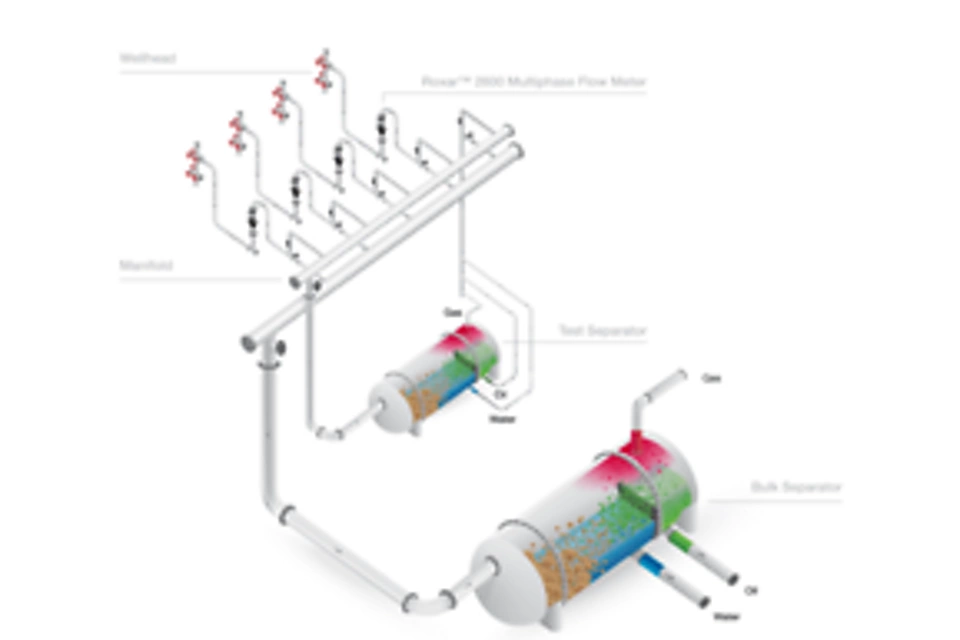
Roxar 2600 Multiphase Flow Meter provides faster, continuous, and lower-cost measurements compared to traditional test separators. It eliminates the need for bulk phase separation by measuring multiphase flow inline, without the need for separation. This reduces space, weight and operational complexity, while enabling real-time monitoring.
While test separators may offer lower uncertainty in controlled conditions, MPFMs provide significantly higher operational efficiency. This is especially valuable in offshore topside facilities with limited space and high well counts, while also offering value onshore, reducing ground disturbance and piping requirements.
Multiphase flow meters are generally accepted for allocation, with regulators often requiring demonstrated performance, uncertainty documentation and validation procedures.
Roxar 2600 Multiphase Flow Meter is designed to comply with industry standards commonly referenced for topside allocation measurement. It is engineered in accordance with Emerson’s design principles and aligned with NORSOK and API guidelines. It supports demonstrated performance, uncertainty documentation and validation procedures for use in oil and gas production allocation systems. Fiscal metering typically still requires single-phase meters or separators, but MPFMs can support verification and optimization.
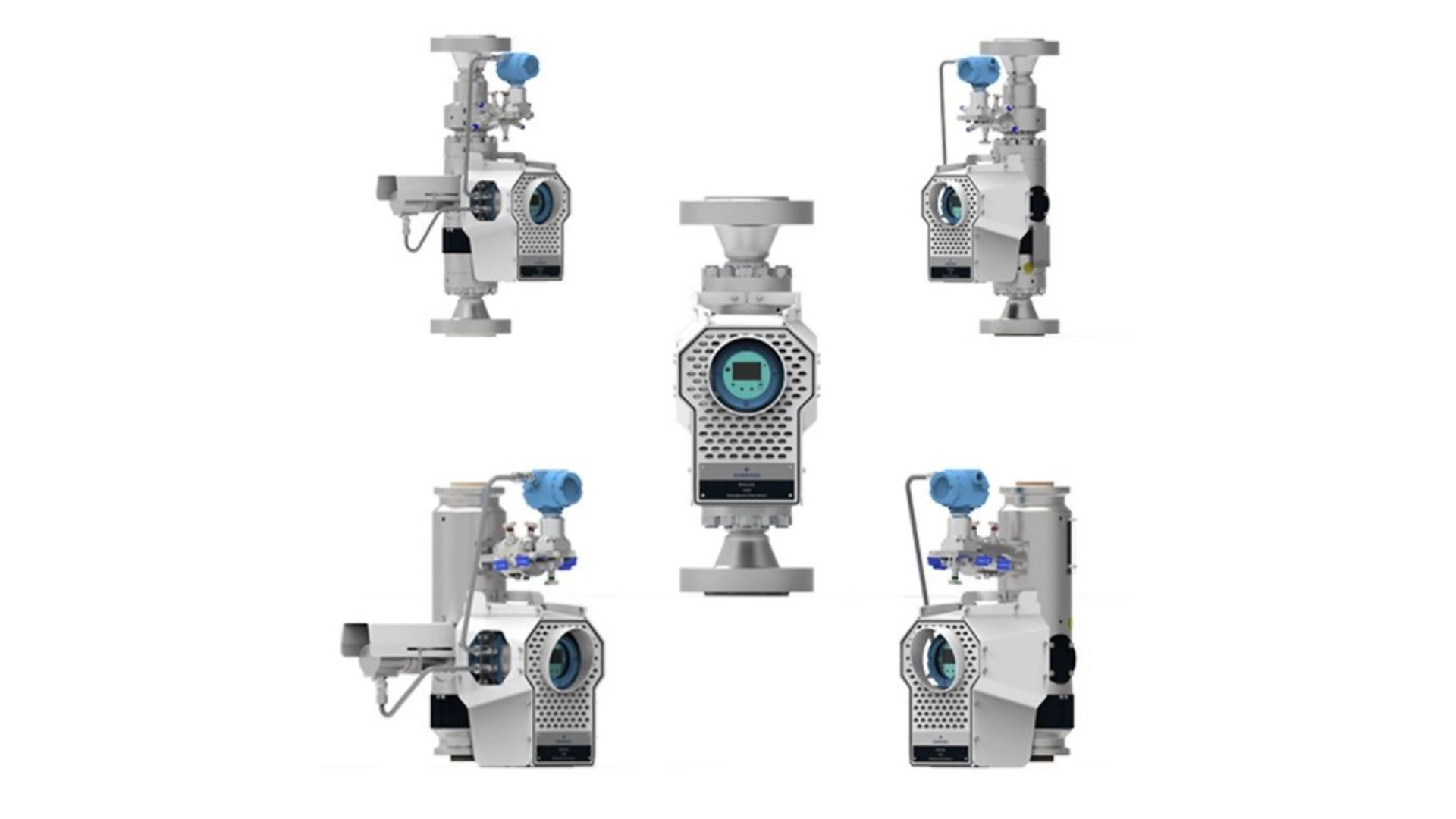
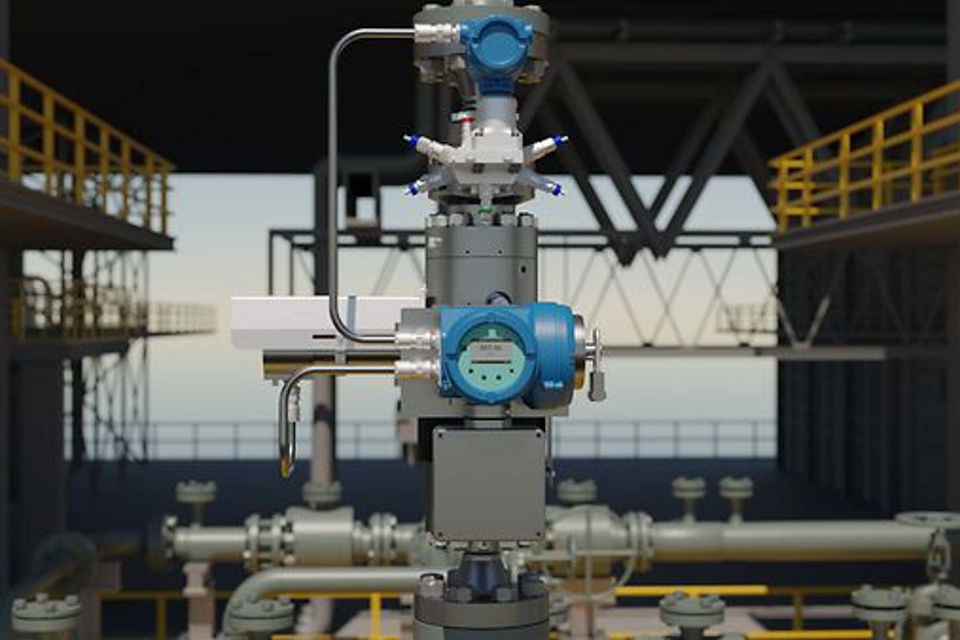
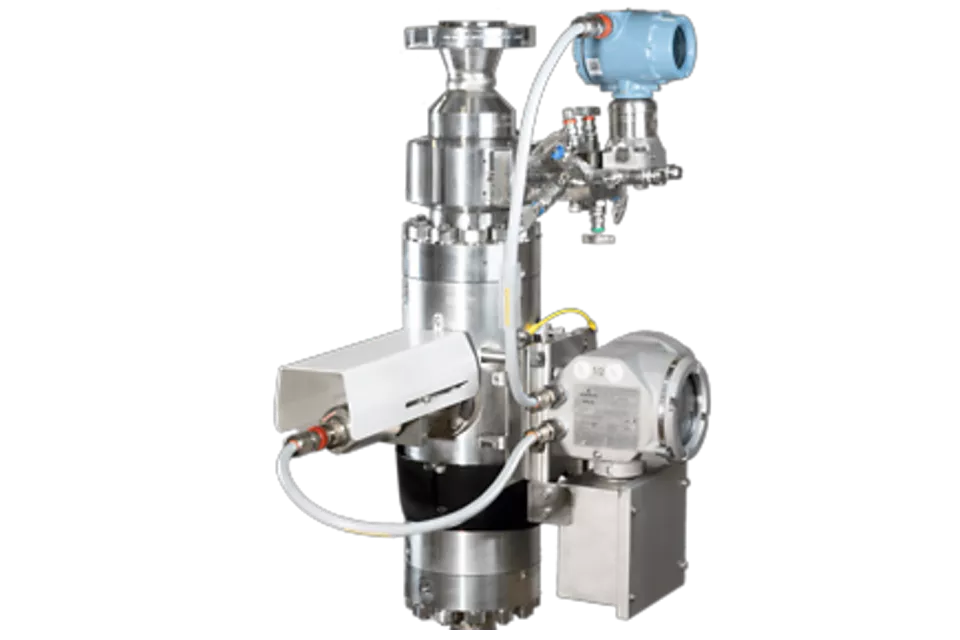
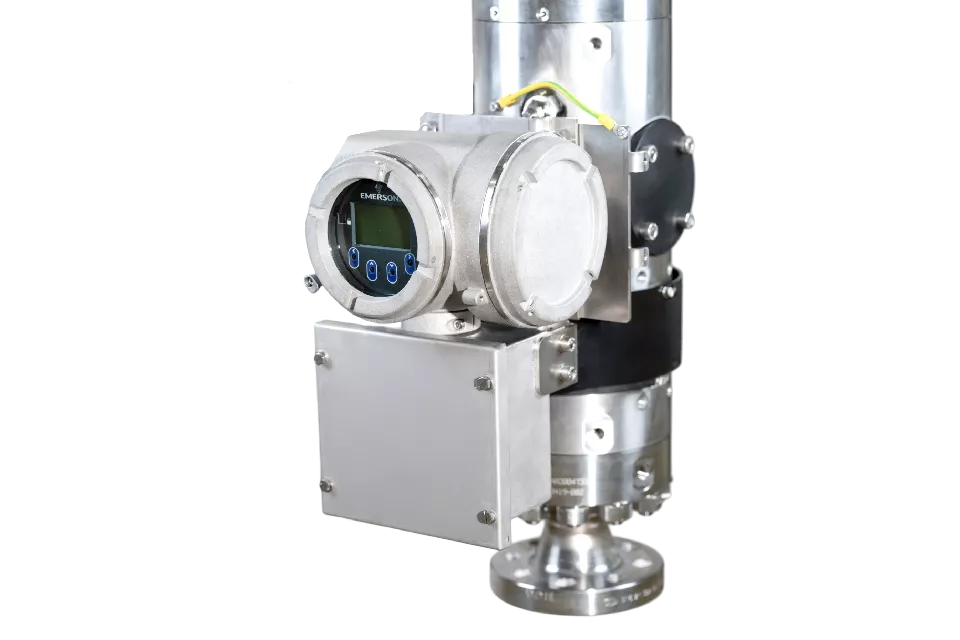
Roxar 2600 Multiphase Flow Meter is a small, compact, all-in-one solution, simplifying installation in space-constrained environments. All measurement points are integrated within a compact meter body, with electronics mounted directly onto the unit, making installation straight forward. The meter shall be installed vertically, requiring limited straight pipe lengths. Weight, footprint and piping integration are optimized for offshore, modular design and brownfield retrofits. This makes it ideal for crowded topside modules, well test skids and onshore production facilities with layout constraints.
Yes, the flow range of Roxar 2600 MPFM can be adjusted after installation without replacing the meter. Roxar 2600 MPFM has a wide turndown ratio and can accommodate changing flow conditions without physical modification. In addition, the Venturi is replaceable, enabling continued adaptation to changing flow ranges after installation, while preserving the existing meter. This allows accurate measurement over a broad range of production profiles, including declining wells or ramp-up scenarios. This flexibility is critical for topside wells with varying production rates of their lifecycle.
Roxar 2600 Multiphase Flow Meter supports standard industrial communication protocols for seamless integration into control systems. The meter interfaces with DCS, SCADA and digital protocols such as Modbus and OPC UA, both industry standard communication protocols, and HTTPS for secure data access and integration. It provides real-time data on phase flow rates, GVF, water cut and diagnostics for monitoring and optimization. This enables integration with production management systems and remote monitoring solutions.
Roxar 2600 MPFM is widely used in digitally connected offshore and onshore oil and gas production environments.
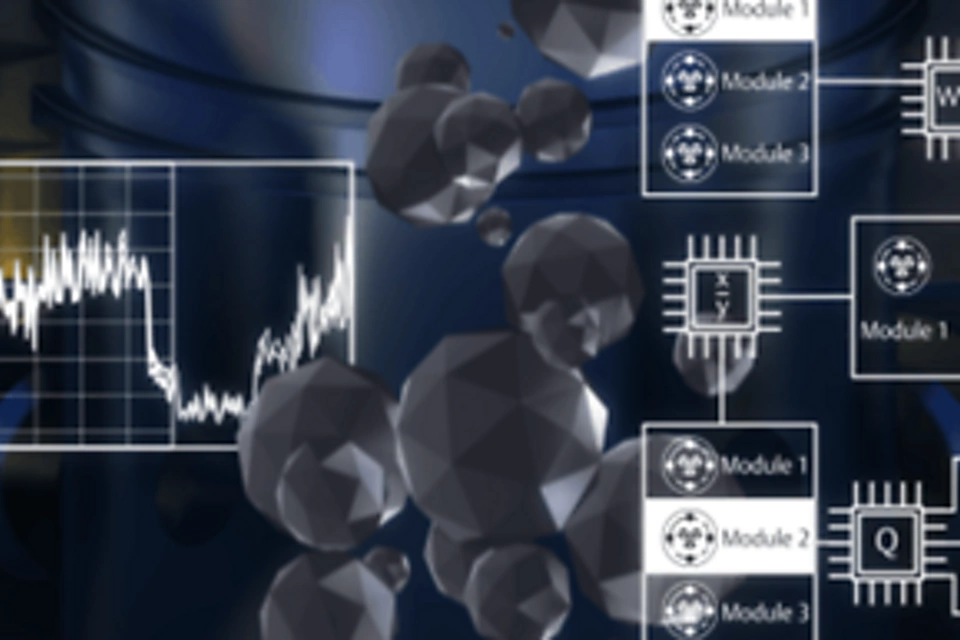
Roxar 2600 Multiphase Flow Meter adapts to changing flowing conditions without the need for manual intervention. The meter uses a combination of Venturi differential pressure measurement, electrical impedance and gamma densitometry, providing a number of measurement points, each with different sensitivities to aspects of the flow and flowing conditions. This immediately provides robustness to changing flowing conditions, further strengthened by the Roxar Rapid Adaptive Measurement embedded software, which encapsulates over 30 years of field experience in the form of modeling capabilities. Using a modular approach, the software continuously detects and adjusts to variations such as slug flow and rapid gas volume fraction (GVF) changes, ensuring reliable phase fraction and flow rate calculations in all flowing conditions.
Roxar 2600 Multiphase Flow Meter provides the most reliable accuracy across varying GVF and unstable flow regimes compared to alternative MPFM technologies. It achieves this using Venturi differential pressure measurement, electrical impedance and gamma densitometry raw data measurements, combined with the Roxar Rapid Adaptive Measurement embedded software solution. This combination enables robust phase fraction measurement and flow rate calculation at the very high resolution of 10 times a second. This ensures accurately captured measurement, even in slugging or transient conditions, where other systems often struggle. The measurement approach of Roxar 2600 MPFM ensures high-performance across the full range of 0-100% GVF and 0-100% WLR, on a wide variety of applications, such as production optimization, allocation measurement, flow assurance, well testing operations, both in the conventional and unconventional oil and gas markets.
Emerson’s Roxar 2600 Multiphase Flow Meter is one of the most versatile solutions for multiphase topside applications, including production optimization, allocation measurement, flow assurance, well testing operations, both in the conventional and unconventional oil and gas markets.
Why Roxar 2600 MPFM is well-suited for topside applications
- Flexible deployment: Designed for multiple topside use cases, including production optimization, allocation measurement, and well testing
- Handles varying flow regimes: Performs reliably across oil-dominant, water-dominant, and gas-rich flows
- Wide turndown ratio: Maintains accuracy under changing production rates and operating conditions
- Supports flow assurance: Sensitive water measurement and layer detection capabilities
- Proven in multiple environments: Suitable for offshore and onshore installations, including both conventional and unconventional fields
This makes it ideal for a wide range of applications such as test manifolds, marginal well monitoring, and brownfield retrofits offshore and onshore.
MPFM uncertainty can significantly affect allocation accuracy, but Roxar 2600 Multiphase Flow Meter minimizes this impact through stable and repeatable measurements. The meter delivers low uncertainty levels in multiphase flow conditions typical of topside facilities. It is suitable for production allocation and well performance monitoring but is typically complemented by fiscal meters for custody transfer. Its performance supports allocation workflows aligned with NORSOK and API MPMS guidance.
Roxar 2600 Multiphase Flow Meter can be effectively validated using periodic well tests and data reconciliation rather than continuous separator calibration. This is enabled through advanced diagnostics and model-based measurement algorithms. The meter incorporates multiphase flow modeling and integrated data from multiple sensors, allowing performance to remain stable as flowing conditions evolve. Validation can be achieved via comparison with occasional test separator data or virtual flow metering models. This approach is ideal for offshore platforms with limited test separator capacity or high well counts. The methodology aligns with industry practices referenced in NORSOK I-104 validation strategies.
Roxar 2600 Multiphase Flow Meter typically offers lower lifecycle costs than traditional test separators. The meter eliminates the need for large, space-intensive separation equipment and associated maintenance. It reduces CAPEX in brownfield modifications and lowers OPEX by minimizing manual well testing, interventions and maintenance. Its reliability also reduces production downtime and operational complexity. This is especially valuable for offshore platforms and compact onshore facilities with space constraints.
Multiphase flow meters typically lose accuracy when outside of the specific instruments operating envelope, which may be parameters such as flow rate, gas fraction, pressure or differential pressure, flowing conditions, or effects caused by specific flow characteristics. Roxar 2600 MPFM is an advanced and highly robust measurement instrument, field-proven to be robust to many of these concerns. There is a wide turndown ratio on the meter, it is robust in even very low-pressure applications and operates seamlessly in both 0-100% GVF and 0-100% WLR flowing conditions. The meter is robust to changing flowing conditions and performs well even in extreme slugging, very low flow or rapid phase changes. This provides enhanced robustness compared to technologies relying solely on electrical or single-property measurements.
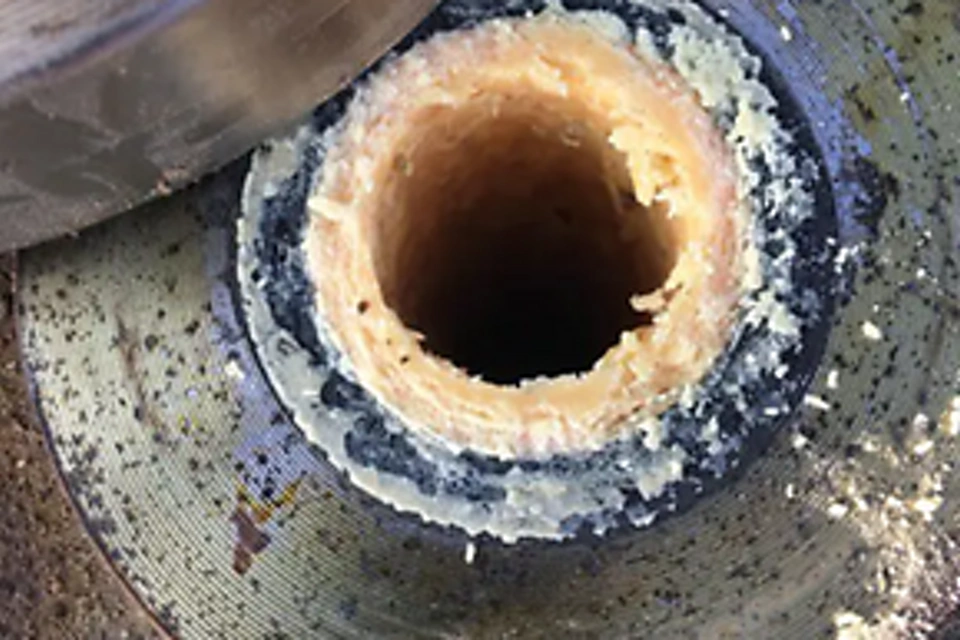
MPFM measurement drift is typically caused by fluid property changes, scaling or sensor degradation, but it can be minimized through advanced diagnostics, multi-variable measurement, and proactive maintenance.
Roxar 2600 Multiphase Flow Meter has features and diagnostic capabilities to help reduce the risk of drift. With robust measurement techniques, early detection through actionable alarms, layer detection and compensation features, reliable long-term performance is assured.
How Roxar 2600 MPFM detects and addresses drift
- Multi-variable measurement: Reduces reliance on any single sensor, improving long-term stability.
- Advanced diagnostics: Identifies scale and wax build-up, and when fluid property inputs are incompatible with measurements.
- Actionable alarms: Provides clear recommendations for corrective actions.
- Layer detection and compensation: Maintains measurement accuracy by compensating for layer build-up until maintenance is required and performed.
With the capabilities of Roxar 2600 MPFM, operators can detect anomalies early and correct them through data validation or maintenance. This is, for example, particularly important in wax-prone crude production.