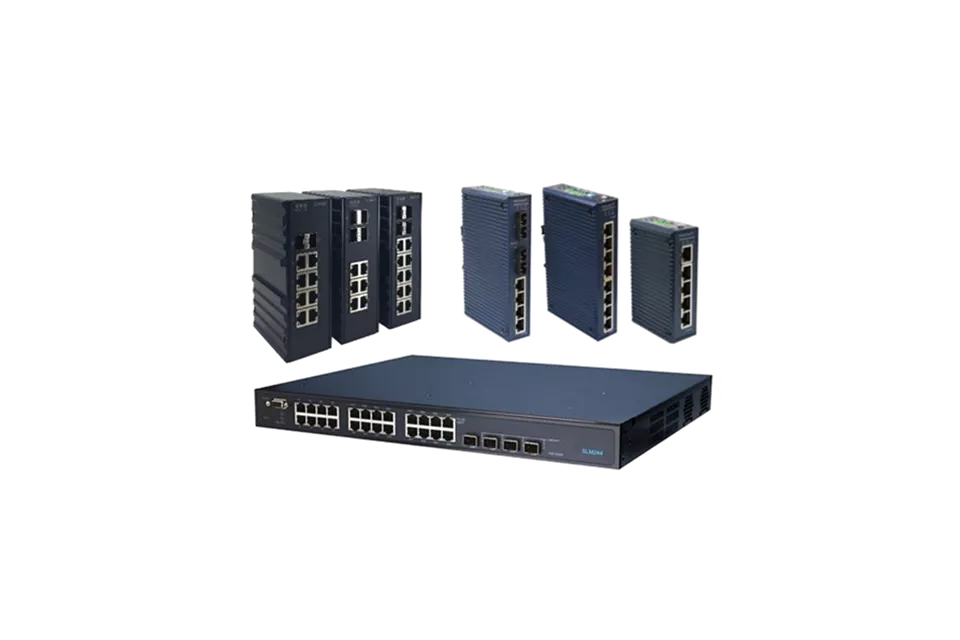


Enhanced Connectivity to Power Data-Driven Decisions
The Ethernet-APL standard defines the physical characteristics of the electrical interface, enabling intrinsically safe power delivery and high-speed communication to devices located in hazardous areas. This technology allows enhanced connectivity to quickly access more data from smart instrumentation, creating limitless applications and opportunity.


Accelerating Value with Ethernet-APL: Innovative Solutions for Modern Networks
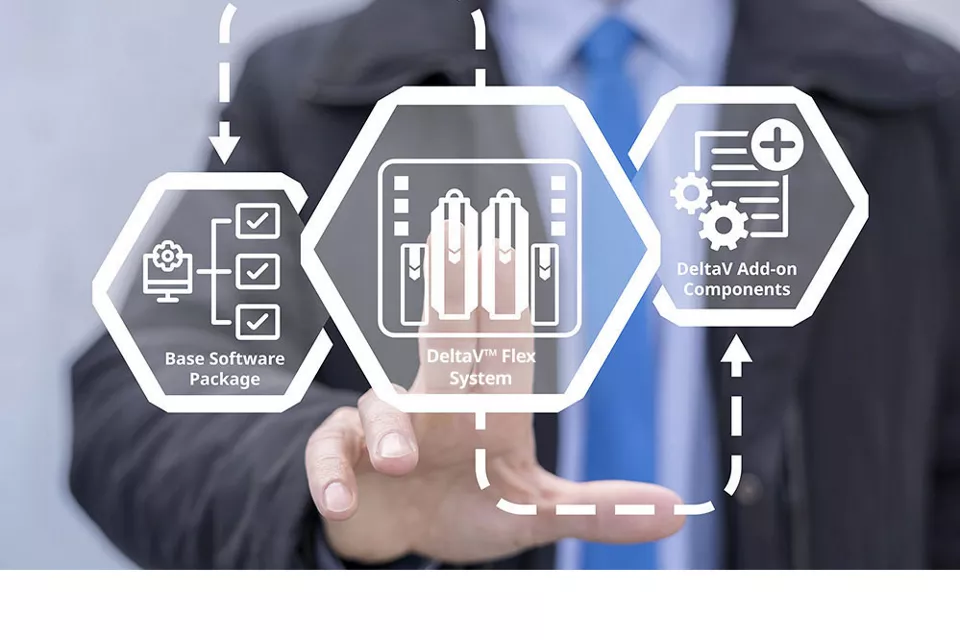
This new technology leverages the high bandwidth of Ethernet for deployment in hazardous areas while providing increased power to field devices. Emerson’ s holistic Ethernet-APL solution simplifies the adoption and secure deployment of Ethernet-APL for both brownfield and greenfield installations, allowing users to fully benefit from this innovative technology.
DeltaV Ethernet-APL supports PROFINET today, simplifying device replacement across vendors and enhancing operational flexibility and efficiency.
With high availability and quick access to more data from smart instrumentation, DeltaV Ethernet-APL provides a powerful tool to reduce complexity in daily operations.
Enhancing Industrial Automation with PROFINET in the DeltaV PK Controller
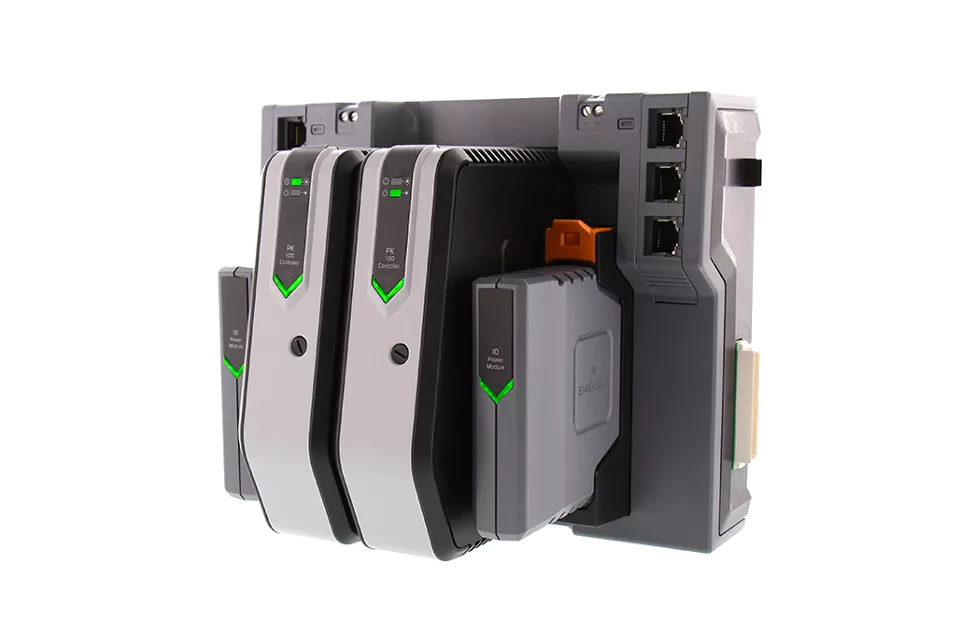
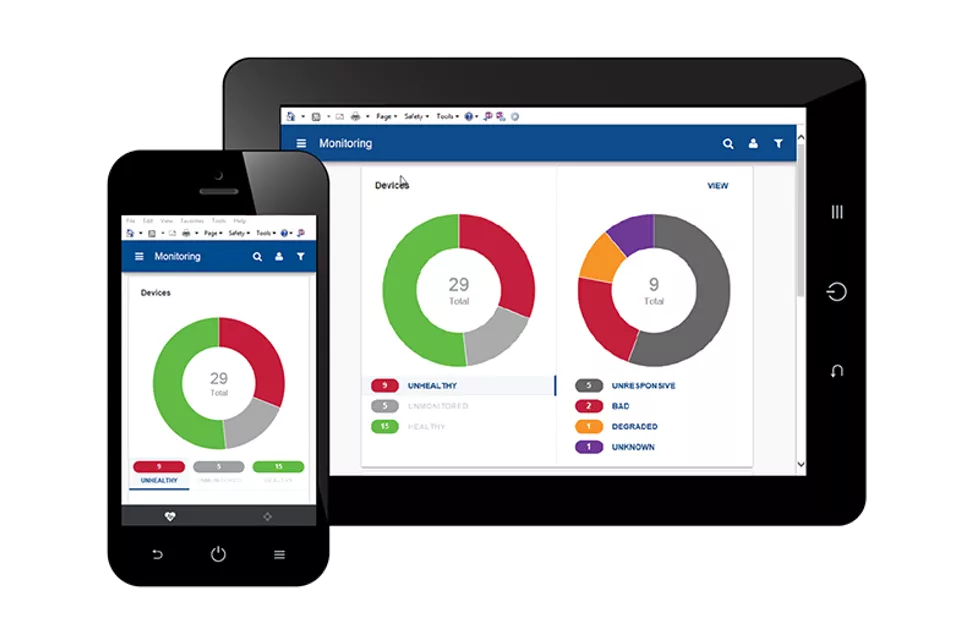
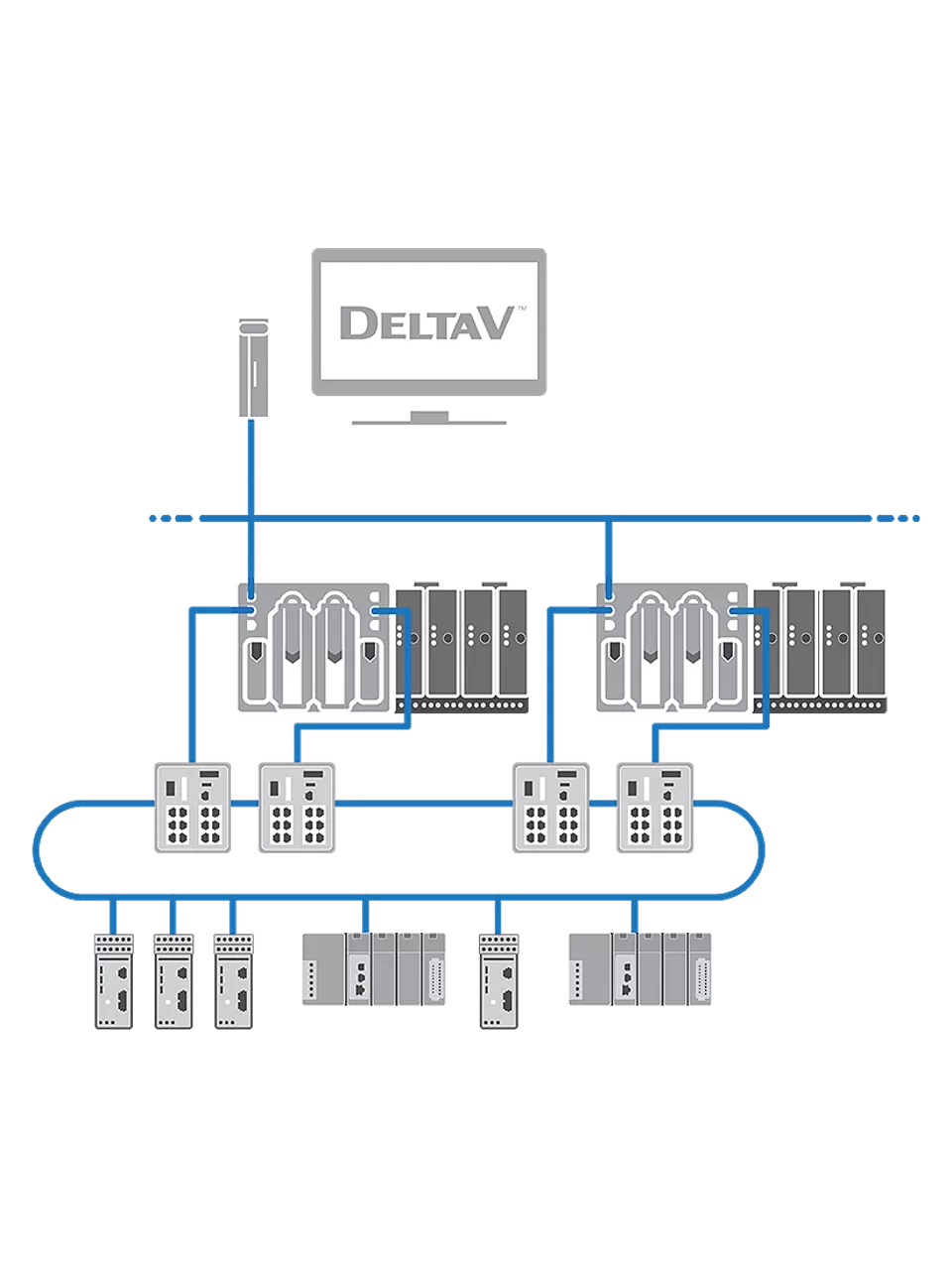
PROFINET is an industrial Ethernet communication protocol designed for the exchange of data between controllers and devices in industrial automation networks. It enables seamless and reliable data exchange between the network participants. Emerson’s DeltaV PK Controller utilizes PROFINET to support real-time cyclic data from devices and Process Automation (PA) Profiles for easy configuration and commissioning of PROFINET devices, optimizing process control applications. Through native DeltaV applications, the PK Controller enables improved troubleshooting, device diagnostics, alarming, and process control historization. 'Live' reconfiguration of devices is achieved through partial downloads which is more robust than dynamic reconfiguration.
Today's Ethernet-APL Solution Architecture
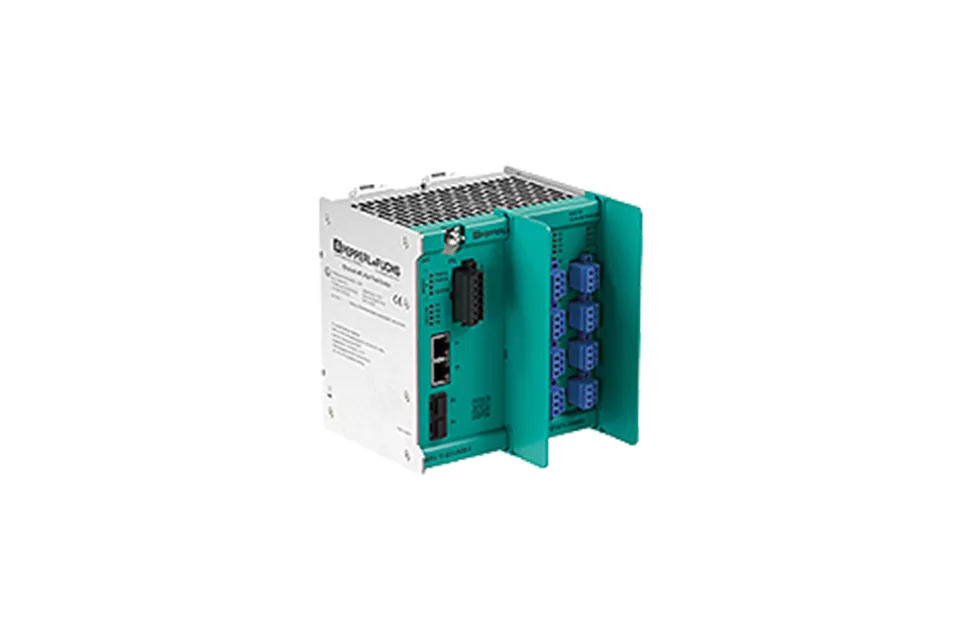
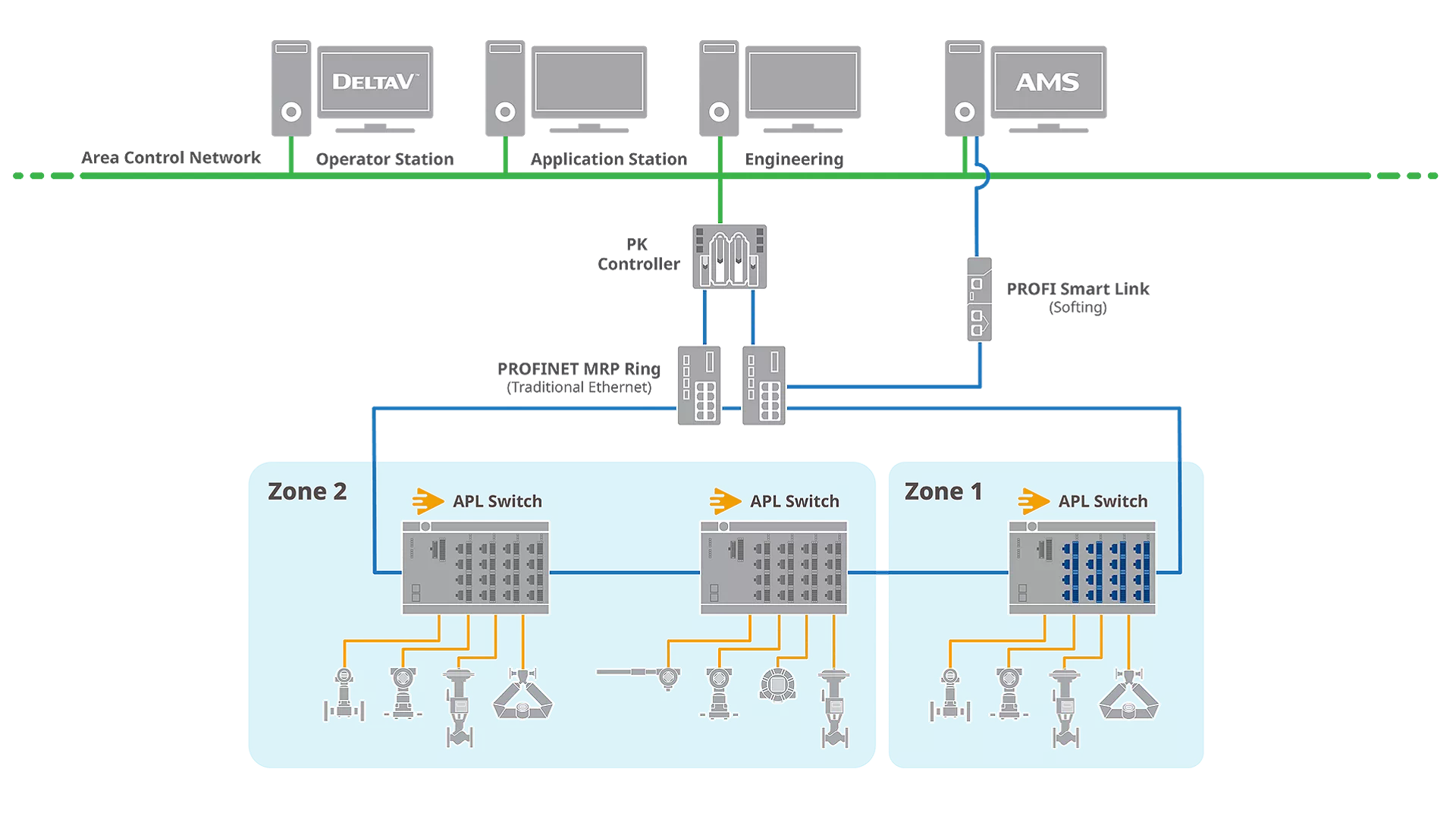
The DeltaV PK Controller delivers new functionality, enhancing its connectivity to Ethernet-APL devices and APL switches. The recent adoption of APL technology in the process control industry positions DeltaV as the ideal platform for utilizing this emerging technology.

Frequently Asked Questions
Ethernet‑APL solves a long-standing limitation in process automation by delivering both high-speed data and power over the same two-wire infrastructure, even in hazardous environments. Unlike traditional fieldbus or HART systems, which are much slower and sometimes limit access to detailed device diagnostics, Ethernet‑APL enables full Ethernet communication directly at the field level. This means operators can access richer, faster, and more detailed data from instruments without relying on intermediate systems or performance tradeoffs.
You don’t have to replace everything at once. Most plants adopt Ethernet‑APL gradually by integrating it alongside existing fieldbus or HART devices. New APL-enabled instruments are typically deployed where higher data visibility or performance is needed, while legacy devices remain in place. This makes Ethernet‑APL practical for real-world migration strategies instead of requiring a full system overhaul.
Although it’s based on standard Ethernet, Ethernet‑APL is specifically designed for hazardous process environments. It works over two-wire cabling similar to fieldbus, delivering both power and communication to devices, and is intrinsically safe for hazardous areas. These capabilities allow Ethernet to extend all the way down to field instruments, something conventional Ethernet cannot do without additional infrastructure.
The most immediate impact is the amount and speed of data available from field devices. Ethernet‑APL enables continuous access to diagnostics, status information, and process data that were previously limited or slow to retrieve. This improved visibility can potentially help operators troubleshoot issues faster, make better maintenance decisions, and help systems evolve toward more predictive, data-driven operations.
The solution is available today and delivers faster diagnostics, but it is important to note that there is a single point of failure risk of an Ethernet-APL switch’s I/O, which would not be suitable for critical applications.