Subsea Flow Metering for Oil and Gas Wells

Ensure reliability, optimize field development and production for improved reservoir recovery and ownership allocation​

Subsea Metering Solutions for Oil and Gas Wells​ - Versatile Subsea Flow Meters

Versatile Subsea Multiphase Flow Meters

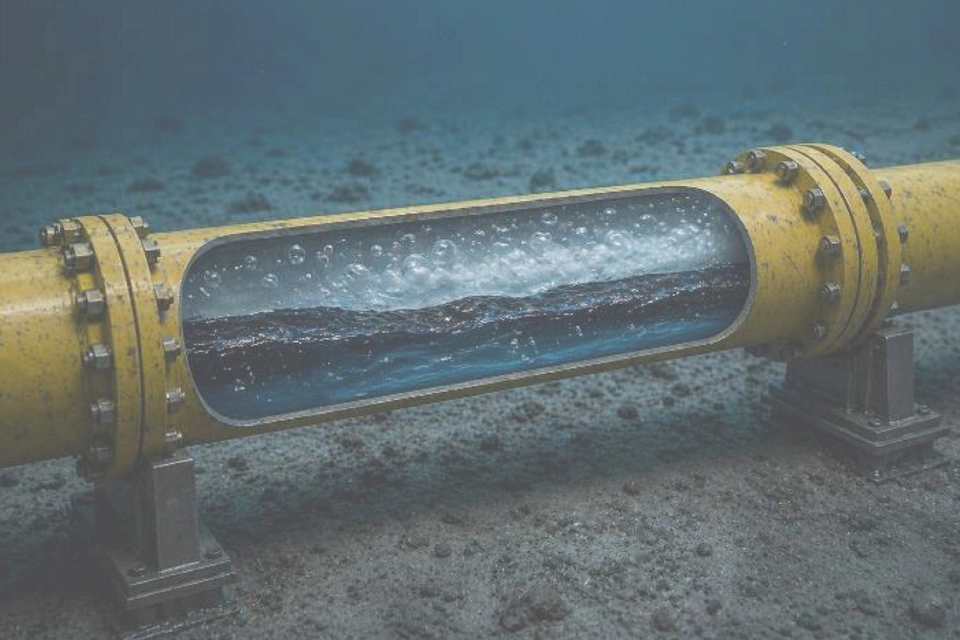
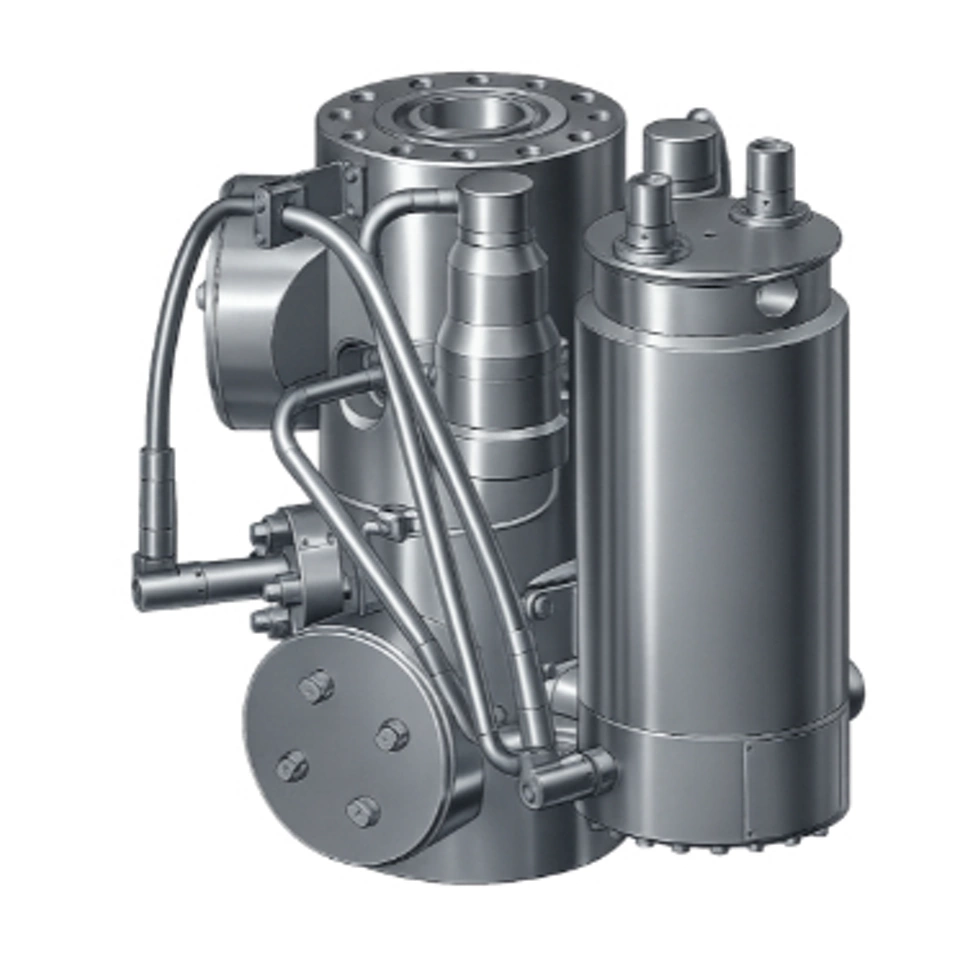
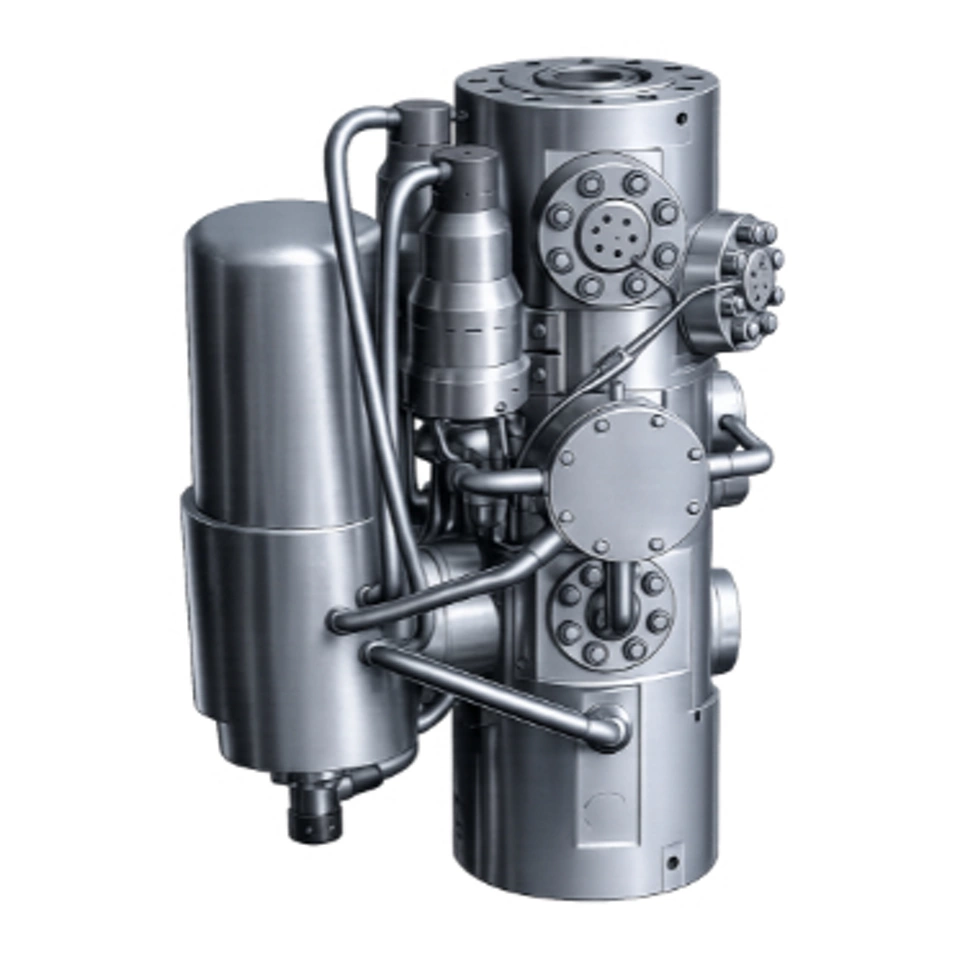
With Emerson’s innovative subsea technologies, you can optimize the development and production of your field and maximize reservoir performance. Versatile Roxar subsea flow meters deliver continuous insight across changing conditions, helping operators detect early water breakthrough, reduce interventions, and improve recovery with faster, data driven decisions over the field lifecycle.

Products

Subsea Metering Solutions for Oil and Gas Wells​ - Introducing the New Roxar Subsea Multiphase Flow Meter

Introducing the New Roxar Subsea Multiphase Flow Meter

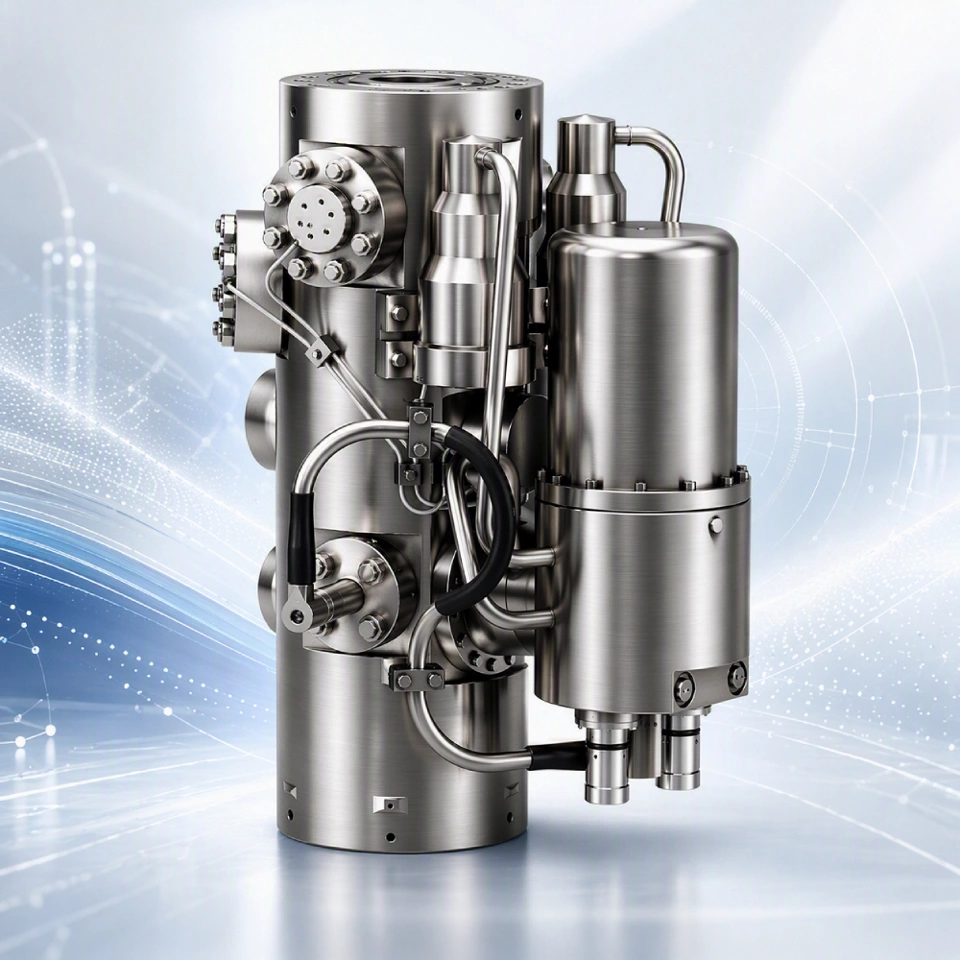
Discover the hybrid measurement platform engineered for reliability, accuracy, and in-situ self-verification in the most demanding subsea environments.

Key Highlights for Subsea Applications

Compact, lifecycle‑ready metering designed for demanding subsea environments across gas, wet gas, and full multiphase flow

< 0mm
Meter Length

Compact design across all Roxar SWGM sizes.

SIIS
Standardized Communication Support

Supports SIIS Level 2 and Level 3 for standardized subsea communication and seamless control system integration.

0 ppm
Ultra-Sensitive Water Detection

Roxar SWGM detects changes as little as 0.2 ppm (0.00002%) in the water content of the flow, enabling early breakthrough detection.

3” to 8”
Meter Sizes

Standardized sizes suitable for subsea wells and long‑distance tiebacks.

0%
Remote Access & Diagnostics

Roxar SMPFM provides secure remote access for monitoring and operations via an integrated Embedded Web Server.

0%
Water Volume Fraction Uncertainty​

Roxar SWGM ensures high WVF accuracy in ultra-high GVF conditions.

≥ 40:1
Flow Velocity Turndown Ratio

Roxar SMPFM delivers stable, high‑confidence measurements across varying flow regimes.

2-in-1
Integrated Sensor System

Roxar SMPFM combines multiple sensing principles in a compact design to improve robustness and measurement confidence.

PVT
Dynamic Fluid Modeling

Built-in PVT engine handles real time complex fluid changes.​

0%
Water Salinity Measurement

Roxar SWGM measures water salinity at GVF up to 99.99%.

0X
Measurement Update Rate

Roxar SMPFM runs full calculations @ 10 Hz for real-time production monitoring and faster decision-making.​

0 years
Subsea Design Life

Built for long‑term deployment in demanding subsea environments.

Help Me Choose​

Selecting the optimal subsea flow meter depends on the application, the well’s production profile, and lifecycle objectives of the field. The tables below highlight the key evaluation criteria typically assess when choosing between Roxar Subsea Wetgas Meter (SWGM) and Roxar Subsea Multiphase Flow Meter (SMPFM).


Quick Selection Guidance


Choose Roxar SWGM for gas-dominated applications where water is present, operating conditions are relatively stable, and a proven wet gas metering solution is required.


Choose Roxar SMPFM when full multiphase measurement is required, operating conditions vary overtime, or when data confidence, self‑verification, and lifecycle flexibility are critical.

img

Roxar Subsea Wetgas Meter

Well & Reservoir type: Optimized for gas, wetgas and gas condensate reservoirs​


Application:

  • Reservoir and well monitoring​
  • Ownership allocation​
  • Flow assurance in wet gas wells​

Operating range: GVF ~85% - 100%​


Performance requirements: Best sensitivity and accuracy in ultra-high GVF wells, with ppm water detection capabilities

img

Roxar Subsea Multiphase Flow Meter

Well & Reservoir type: Oil and gas wells, all multiphase flow regimes​


Application:

  • Reservoir and well monitoring
  • Subsea tiebacks and ownership allocation
  • Production optimization, light-, medium- and heavy crude oil wells

Operating range: Full GVF and WLR range (0 – 100%), large turndown ratio​


Performance requirements: Robust, repeatable allocation grade confidence across all multiphase conditions

Videos

video-media
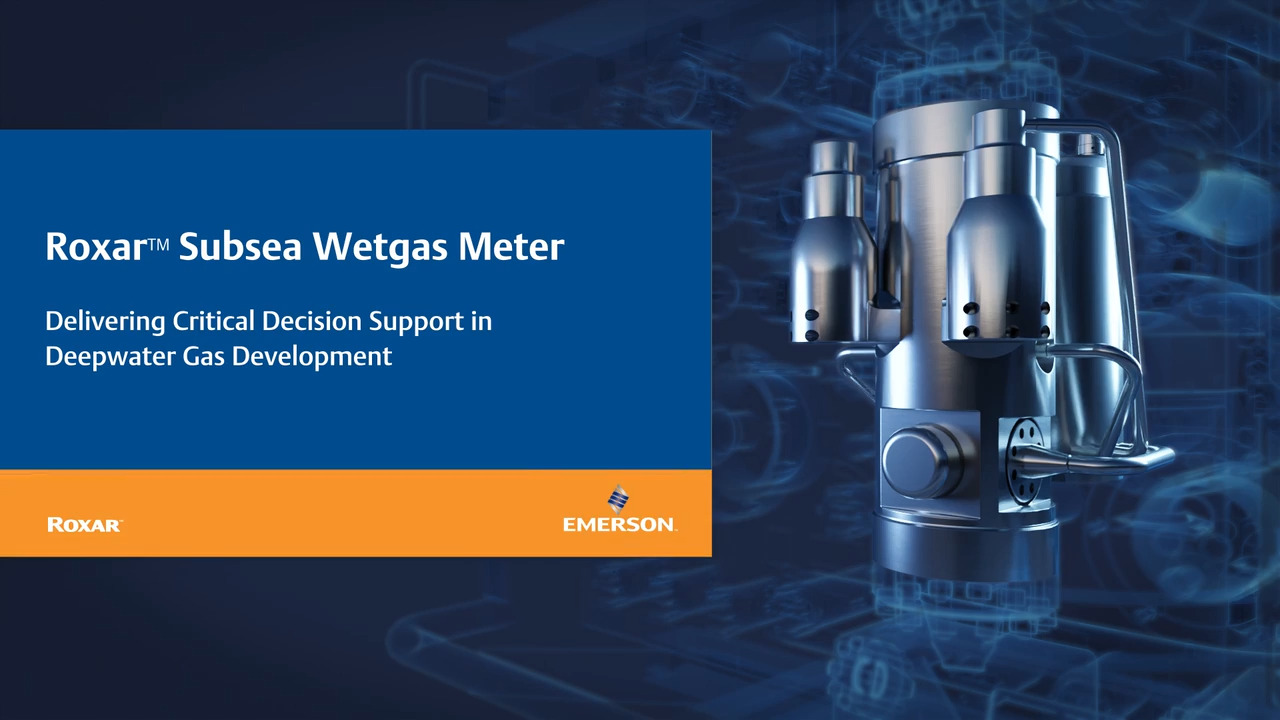
Roxar Subsea Wetgas Meter

Frequently Asked Questions​

The following questions and answers address common topics related to subsea flow measurement, including application selection, measurement confidence, operating principles, and lifecycle performance. They are intended to support operators and EPCs in understanding how the Roxar subsea flow meters are designed, applied, and validated in demanding subsea environments. If you have additional questions, please contact us.​

Roxar Subsea Wet Gas Meter (SWGM) is optimized for wet gas and gas‑condensate applications where gas dominates the flow. In contrast, Roxar Subsea Multiphase Flow Meter (SMPFM) is a next‑generation multiphase flow meter designed to measure oil, gas, and water across the full range of operating conditions, including complex and evolving multiphase flows.

The selection depends on your production profile, GVF, water cut, and lifecycle requirements. Choose the Roxar SWGM for gas‑dominated subsea wells with wet gas conditions. Choose the Roxar SMPFM for multiphase production, changing flow regimes, or allocation‑critical applications requiring the highest level of data confidence. Emerson experts will assist and provide recommended meter type.​

Yes, both are. Roxar SWGM provides reliable wet gas measurements suitable for gas‑focused allocation scenarios. Roxar SMPFM is designed to meet allocation‑critical requirements in multiphase applications, offering advanced self‑verification and in‑situ validation to support transparent and auditable data.​

Roxar SWGM delivers stable performance within defined wet gas operating conditions. Roxar SMPFM is designed for dynamic production environments, using adaptive measurement, a dynamic PVT engine, and hybrid sensing technologies to maintain accuracy as flow conditions and fluid composition change (from e.g., typical multiphase to high GVF dominance).​

Roxar SMPFM is a hybrid technology platform incorporating impedance and microwave measurement principles, density and mass flow sensors, advanced software algorithms, and embedded Roxar Rapid Adaptive Measurement™. Together, these enable high‑confidence multiphase measurements across the full GVF and WLR range.​

No. In fact, the opposite is generally true. Using multiple, independent measurement principles significantly increases measurement confidence, both when the results correlate well and when they do not.

Independent measurements capture different sources of variability and uncertainty. When results are consistent and correlated, this provides an additional layer of confidence in the calculated flow rates and phase fractions. When results diverge, this enables powerful diagnostics, allowing the system to identify abnormal conditions, sensor effects, or process changes—something a single measurement principle cannot provide.

For example, the Roxar SMPFM derives key parameters such as mixed permittivity using both capacitance and microwave resonance technologies. If both methods produce similar results, confidence in calculated water fraction or water cut is high. If deviations occur, whether sporadic or trending, automated diagnostics and alarms can highlight the effect, likely causes, and recommended actions.

By combining multiple technologies in a single meter, Emerson enables self‑validation, redundancy, and advanced meter health monitoring. This symbiotic approach ensures higher reliability, reduced uncertainty, and greater trust in the data throughout the life of the field—making it superior to relying on a single measurement principle alone.

No. While the Subsea Multiphase Flow Meter represents a new generation of subsea multiphase flow metering, it is built on well‑known and field‑proven core technologies, combined with new innovations. This approach reduces residual technology risk while delivering a step‑change in performance and measurement confidence.​

The meter does not label data as simply “right” or “wrong.” Instead, it uses built‑in quality control to ensure that only high‑confidence data is used in the final flow calculations.

Raw sensor data is sampled at very high frequencies (typically 3,000 Hz to 250,000 Hz), while flow calculations are performed at 10 Hz. This allows the system to discard low‑quality or noisy high‑frequency samples without risking data starvation or loss of information. The result is a more stable, reliable base signal for multiphase calculations.

If operating conditions cause an unusually large portion of data to be rejected, diagnostic alarms are triggered to alert the user. The meter will never silently continue calculations on data that falls below acceptable quality thresholds, ensuring transparency, robustness, and sustained measurement confidence.

Yes. Roxar Subsea Wetgas meters provide highly accurate water, gas and condensate flow rates, reducing risk and improving flow assurance. The advanced meters deliver unparalleled water sensitivity, accuracy and rapid response for reliable production measurement. These include the industry’s first built-in salinity-measurement system, which provides information vital to protecting subsea well and pipeline integrity and supporting metering/allocation strategies in gas and gas condensate fields.

Roxar Subsea Multiphase Flow Meter provides enhanced flow assurance capabilities through full multiphase visibility, adaptive measurement, and algorithms for detecting and correcting effects of scale, wax, and changing flow regimes.

Like all in‑line multiphase flow meters, it requires PVT‑related input data to operate within its performance specification.​

The following input is required:​

  • Densities of oil, water and gas​
  • Permittivity for oil and gas (calculated by the SMPFM)​
  • Conductivity or salinity of the water (obtained from samples or the conductivity sensors in the meter)​

The SMPFM has an embedded PVT engine that continuously calculates the above paraments based on measured P&T​.

The following is not needed:​

  • A full HC fluid composition​
  • Surface tension between oil and gas​
  • Viscosity of gas and oil​
  • Mass absorption coefficients​

What differentiates the Roxar SMPFM is its measurement robustness and confidence, achieved through advanced self‑validation and in‑situ verification rather than PVT independence. Fluid properties such as oil, gas, and water densities inherently vary with pressure, temperature, and composition, and these variations must be accounted for to calculate accurate multiphase flow rates and standard conditions.​

In the Roxar SMPFM, oil and gas permittivities are derived from phase densities, water conductivity is measured directly across the full operating range, and water density is calculated from conductivity. Multiple independent measurements and sensors are used to validate results continuously and detect inconsistencies.​

Future developments, including flow tomography, offer strong potential to further reduce PVT sensitivity by directly observing phase distribution and flow regimes. However, complete PVT independence is not physically achievable for full multiphase metering.

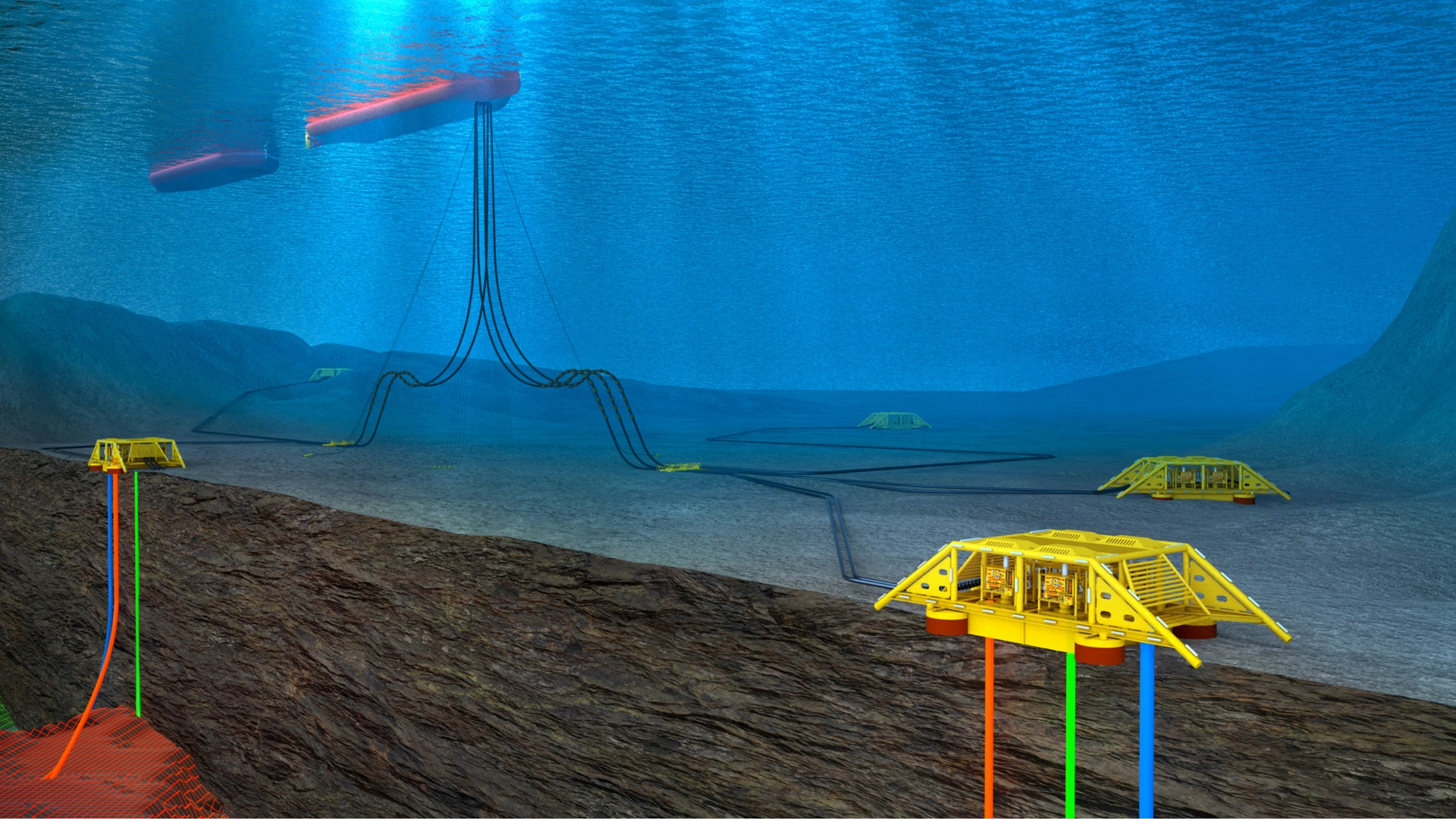
Both meters are designed for subsea robustness and long‑term reliability. Roxar Subsea Multiphase Flow Meter extends this further with a life‑of‑field design philosophy, functional redundancy architecture, and built‑in validation capabilities to maintain confidence and performance over decades of operation.​

Emerson works closely with operators and EPCs throughout the project lifecycle, from early concept select and FEED through installation and operation to ensure the selected subsea flow meter aligns with application requirements, project constraints, and long‑term performance objectives.​

Key architectural decisions - such as tree configuration, meter placement, turndown requirements, and retrievability - are typically locked once formal FEED begins. Engaging early, during concept or pre-FEED, ensures subsea flow metering is treated as a system-level enabler, not a late add-on, reducing rework and long-term operational constraints.​

No. Modern subsea multiphase meters are production management tools. They support reservoir surveillance, flow assurance strategies, and long-term field optimization by providing insight into water breakthrough, decline behavior, and changing flow regimes over the life of the field.​

Typical pitfalls include:​

  • Meters that cannot operate at late-life turndown​
  • “Copy-paste” designs unsuited to actual reservoir behavior​
  • Costly redesigns or operational workarounds​

Early, system-level thinking helps avoid lost production, rework, and long-term operability issues.

Emerson supports standardized interfaces - mechanical envelopes and electrical/communication architectures - to reduce execution risk. At the same time, we maintain flexibility in meter sizing, measurement principles, and flow regime coverage to enable technical optimization where it matters most.​

For long tiebacks, subsea multiphase flow meters provide visibility into evolving flow behavior. This enables:​

  • Proactive flow assurance management​
  • Better control of slugging and transients​
  • Informed decisions as reservoir conditions change over decades of operation

Emerson focuses on decision- ready information, not just data. Our solutions can be paired with interpretation support, trending, and visualization tools that help operators turn subsea measurements into clear operational actions.​