
Products
About Combustion Analyzers

Why Use A Combustion Analyzer
Combustion analyzers measure oxygen and combustibles in flue gas to optimize combustion processes, leading to energy and cost savings. They help meet environmental limits by tracking oxygen levels to reduce CO2 and NOx emissions. Data logs support regulatory compliance. Maintaining proper oxygen levels enhance safety by preventing the presence of hazardous combustibles, reducing explosion risks.
How To Choose
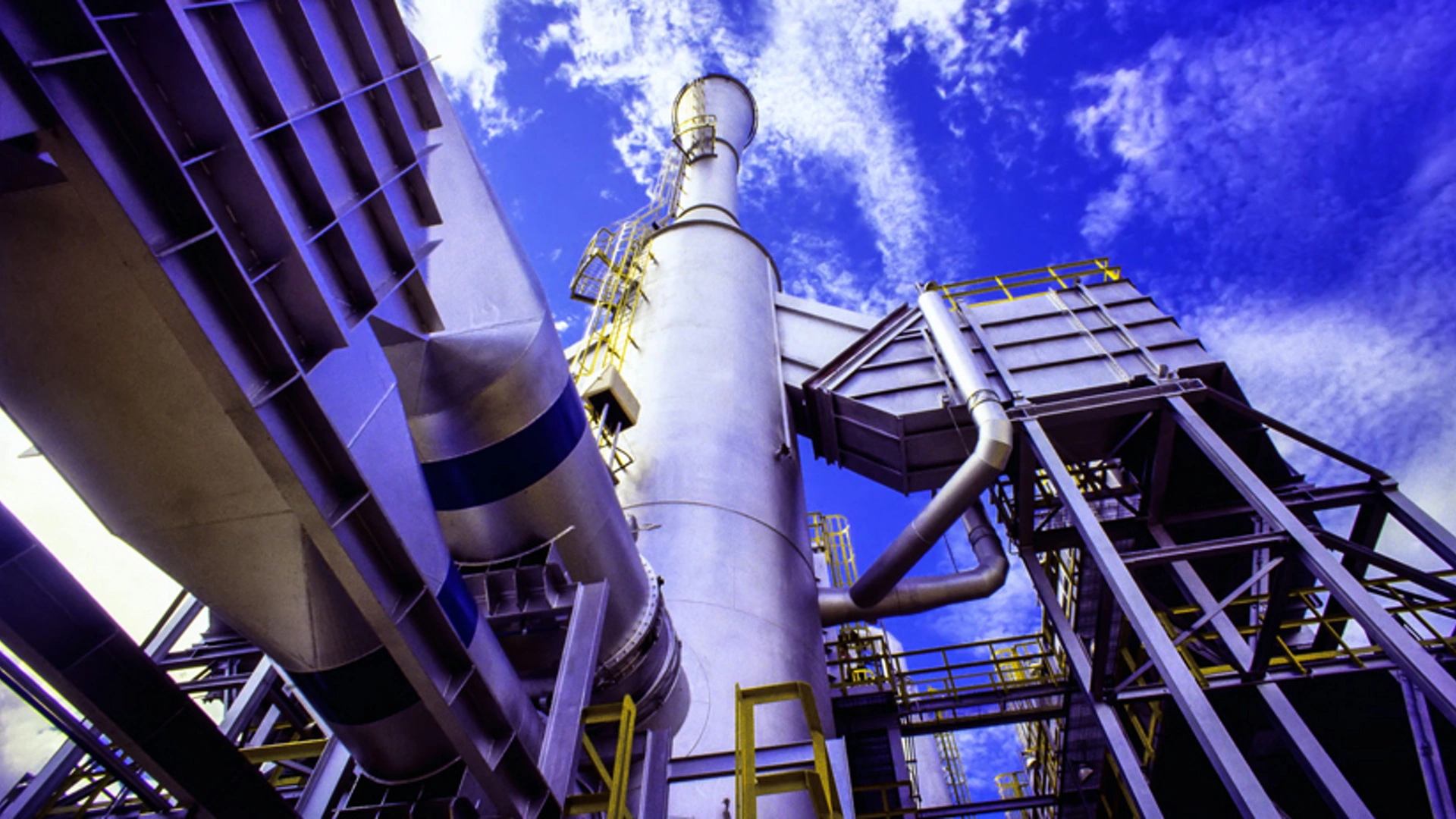
Detect Combustion Imbalances
Excess O2 stratification in large multi-burner boiler exhausts necessitates a grid of oxygen analyzers. This setup provides accurate average excess oxygen measurements essential for air-fuel ratio control, helping operators identify combustion imbalances. Proper monitoring optimizes boiler performance and reduces emissions.
Technology
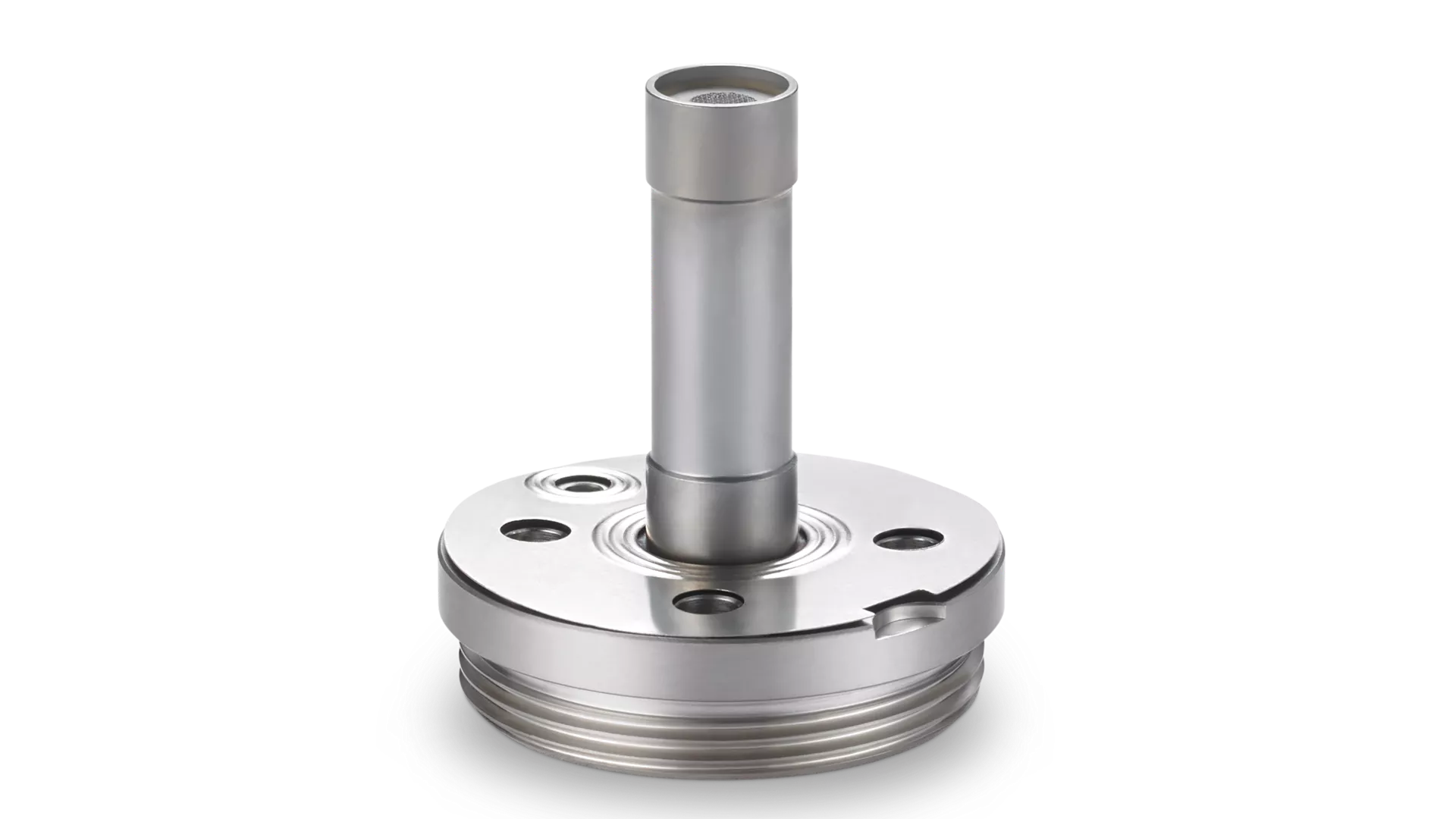
Zirconia Oxygen Cell
The Rosemount Zirconia Oxygen Cell excels in zirconia technology with 30 years of proven robust design. Its heated zirconia facilitates oxygen ion diffusion, generating a voltage linked to excess oxygen levels. Catalytic beads enhance longevity by resisting environmental poisoning. For high-sulfur uses, a special cell with additional beads is offered to manage sulfur particulates effectively.
Videos
Emerson's combustion solutions enhance safety, reliability, and efficiency in industrial burners, boilers, and furnaces. Their products include safety shutoff valves, actuators, and more.
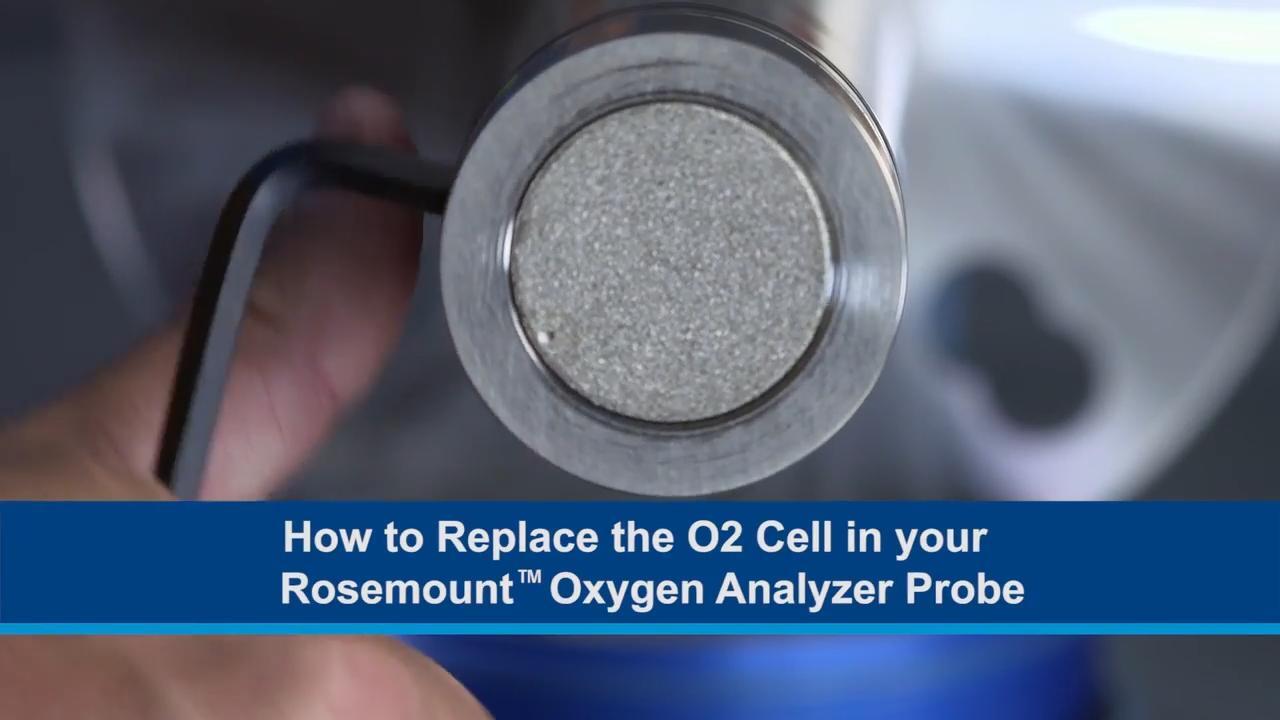
How to Replace the O2 Cell in your Rosemount™ Oxygen Analyzer Probe
How to Replace the O2 Cell in your Rosemount™ Oxygen Analyzer Probe
6888 InSitu Oxygen Probe: Integral AutoCal Demo
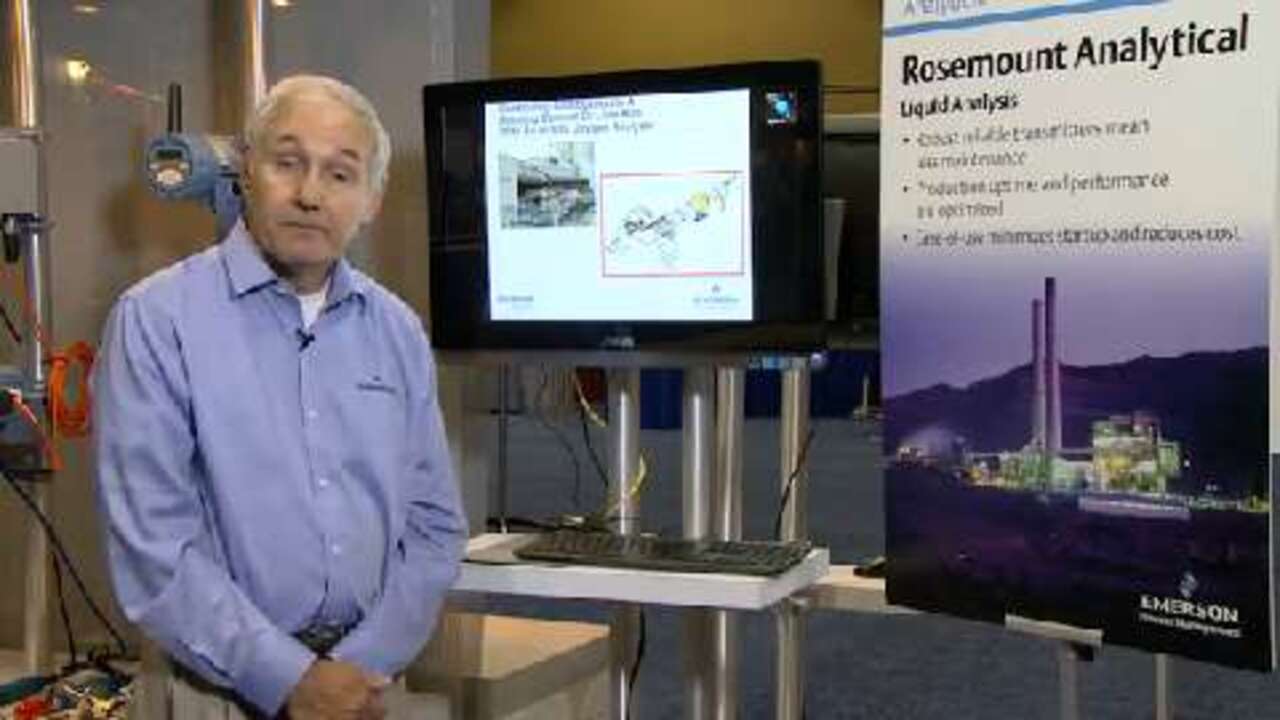
Measuring Oxygen Inside A Lime or Cement Kiln
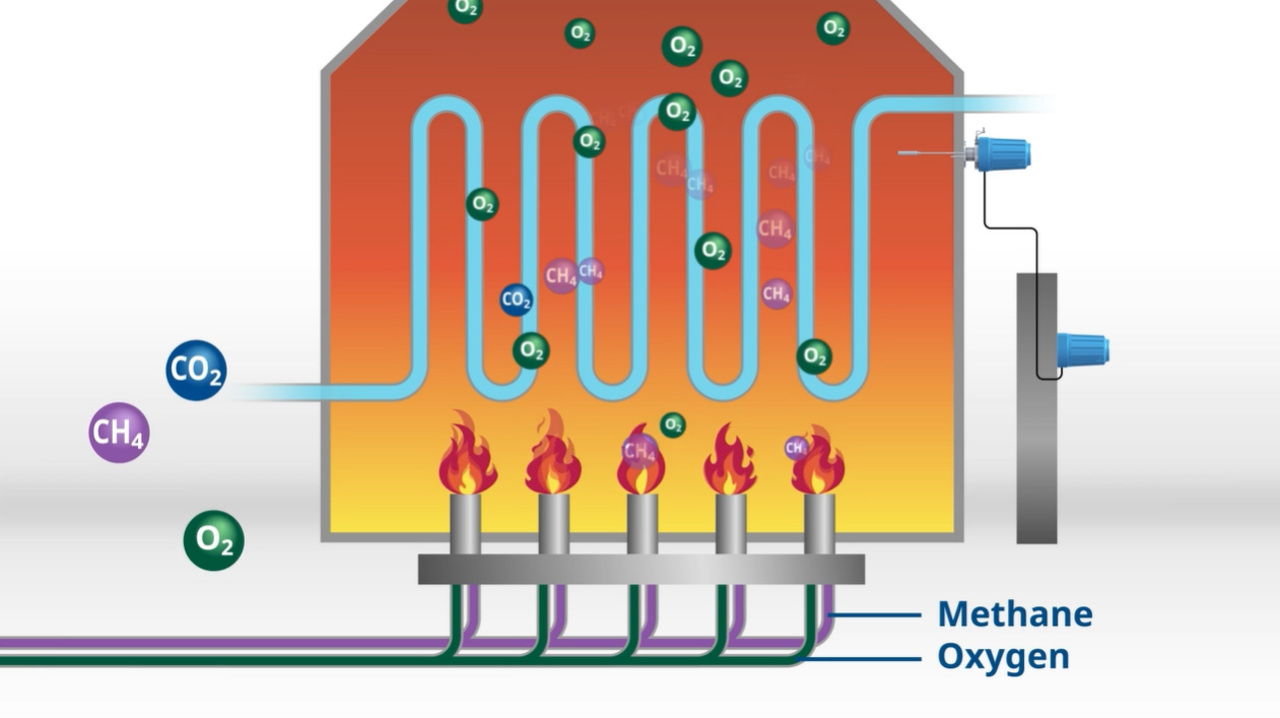
How it Works: Rosemount OCX8800 Oxygen & Combustibles Analyzer | Emerson
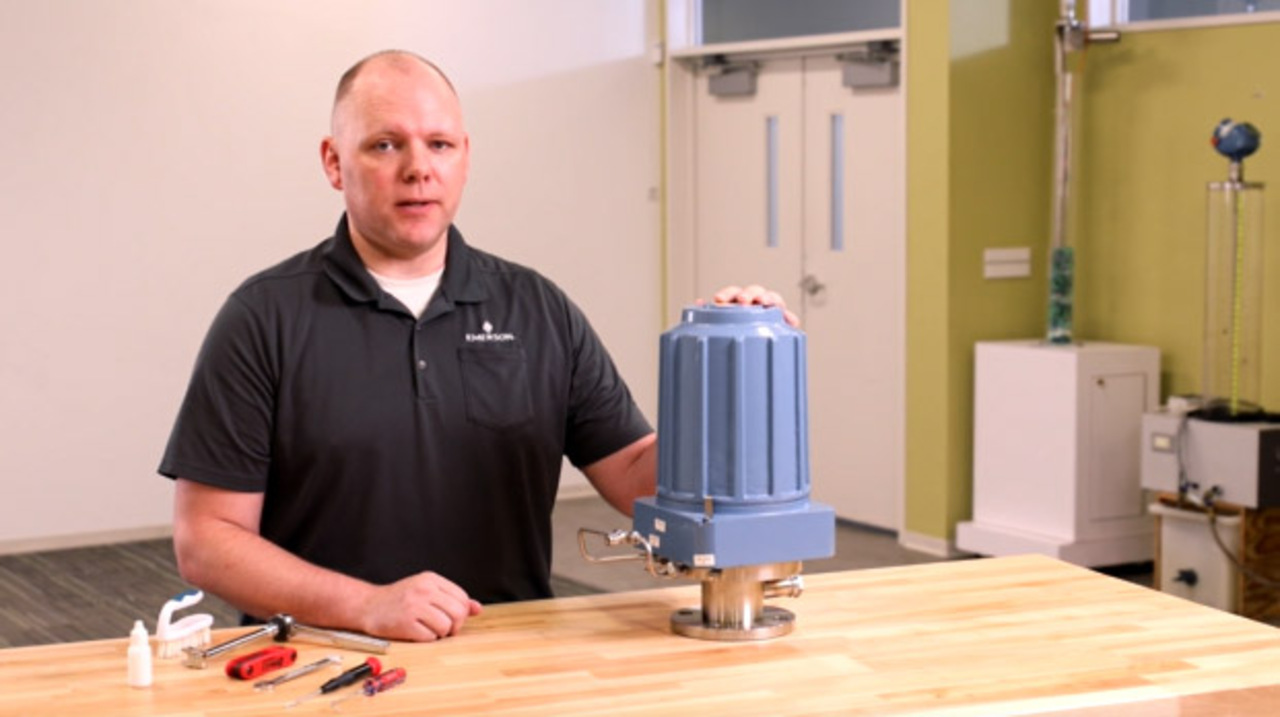
How to Replace the O2 Cell in the Rosemount™ OCX8800 Oxygen & Combustibles Analyzer | Emerson
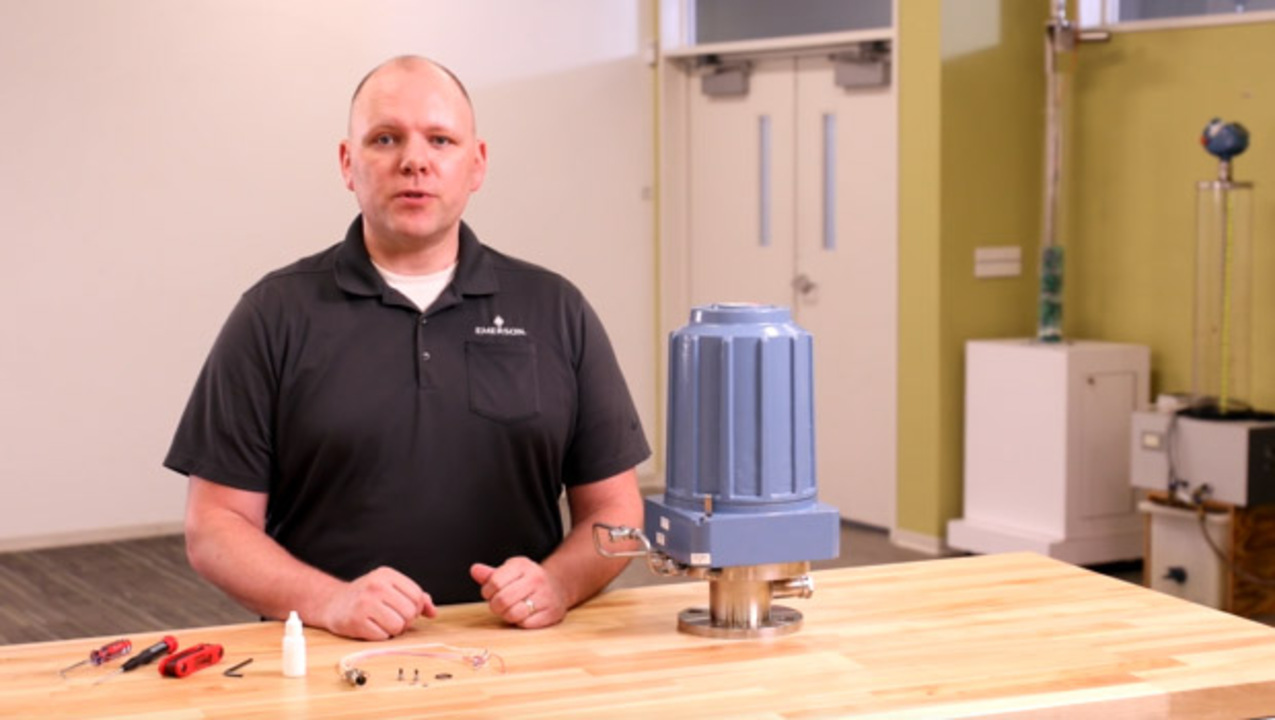
How to Replace the Combustibles Sensor in the Rosemount™ OCX8800 Oxygen & Combustibles Analyzer | Emerson
Frequently Asked Questions
Choose a combustion analyzer probe length that places the sensing tip in the middle third of the stack or duct. This helps the analyzer measure a representative flue gas sample and supports more accurate oxygen measurement for combustion control.
A combustion analyzer diffuser should be selected based on process temperature, dust load and stack conditions. High-temperature, high-particulate or high-sulfur applications may require ceramic, Alloy C-276 or larger-surface-area diffuser options for added protection and longer service life.
A combustion analyzer measures oxygen in flue gas and may also measure combustibles remaining after combustion. Continuous in situ oxygen + combustibles measurement in one analyzer helps operators reduce excess air, identify incomplete combustion and improve heater or boiler performance.
A combustion analyzer improves boiler or furnace efficiency by measuring excess oxygen and combustibles in flue gas. Operators use this data to adjust combustion, reduce unnecessary excess air, lower fuel consumption and maintain more stable burner performance.
Excess oxygen is the oxygen remaining in flue gas after fuel combustion. Measuring excess oxygen helps operators control the air-to-fuel ratio, reduce wasted energy from too much excess air and lower the risk of incomplete combustion from too little air.
Multiple oxygen analyzers should be used when oxygen levels vary across a large stack, duct or multi-burner boiler exhaust. A grid of analyzers can detect oxygen stratification, reveal combustion imbalances and provide a more accurate average oxygen measurement.
Oxygen measurement shows how much excess air remains in flue gas after combustion. Combustibles measurement detects unburned fuel, such as carbon monoxide or other combustible gases; measuring both in one analyzer helps operators improve efficiency, identify incomplete combustion and reduce safety risk.