
Products
How it Works
Basic Operation
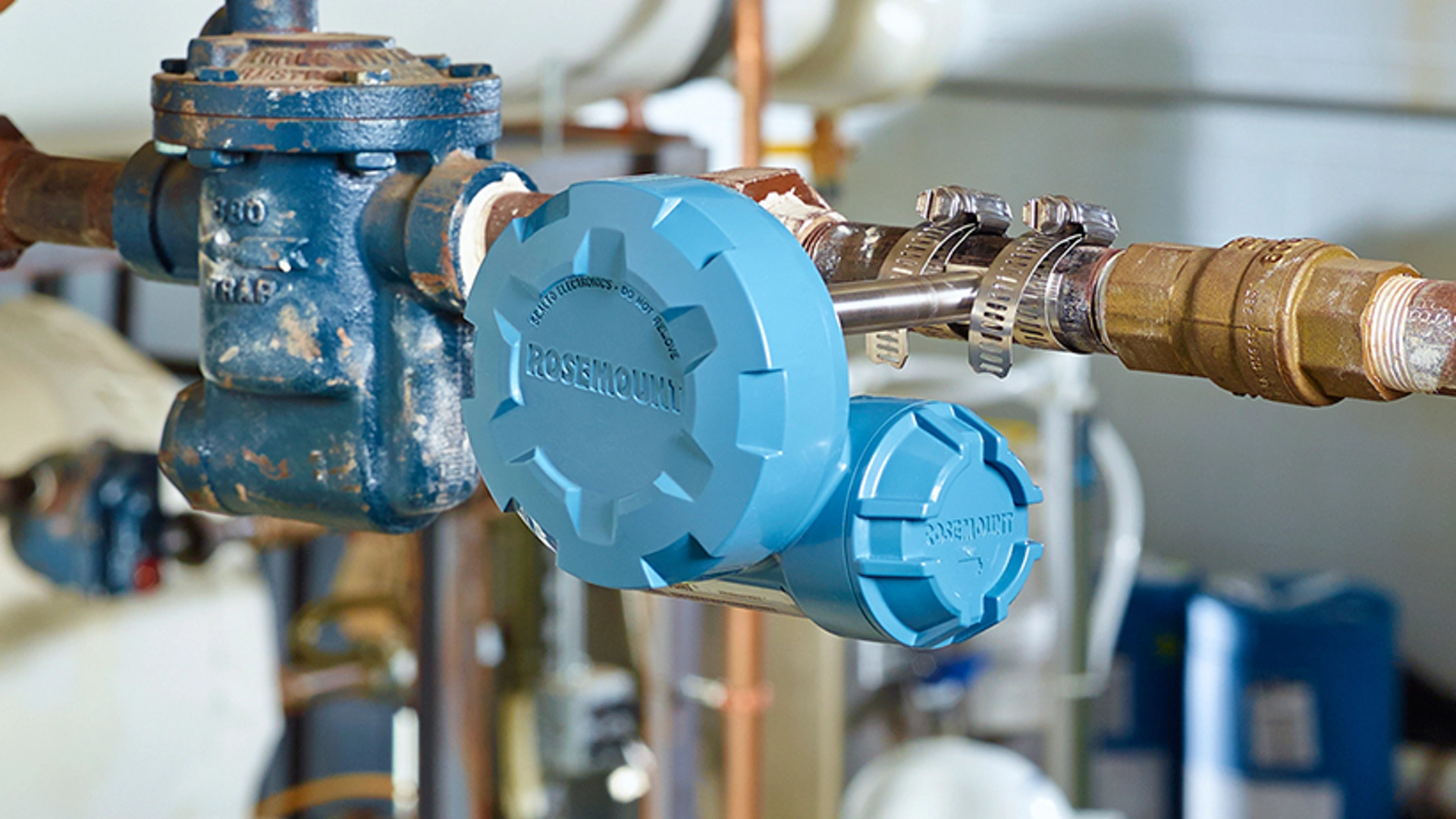
This wireless transmitter is designed with a thermocouple and an ultrasonic sensor that has peak sensitivity in the range of 35 to 45 KHz. The sensor publishes a relative measure of the amplitude of the average signal across the spectrum, and this count is used to assess steam traps, pressure relief valves, and can measure the skin temperature of the pipe clamped to the foot of the device.
Resources
HRSG Tube Leak Detection Using Acoustic Wireless Technology
Potato Chip Manufacturer Reduces Energy Costs with Online Steam Trap Monitoring
North American Tire Company Saves Energy, Improves Yield with Emerson Steam Trap Connected Services
Frequently Asked Questions
Acoustic Transmitter Basics
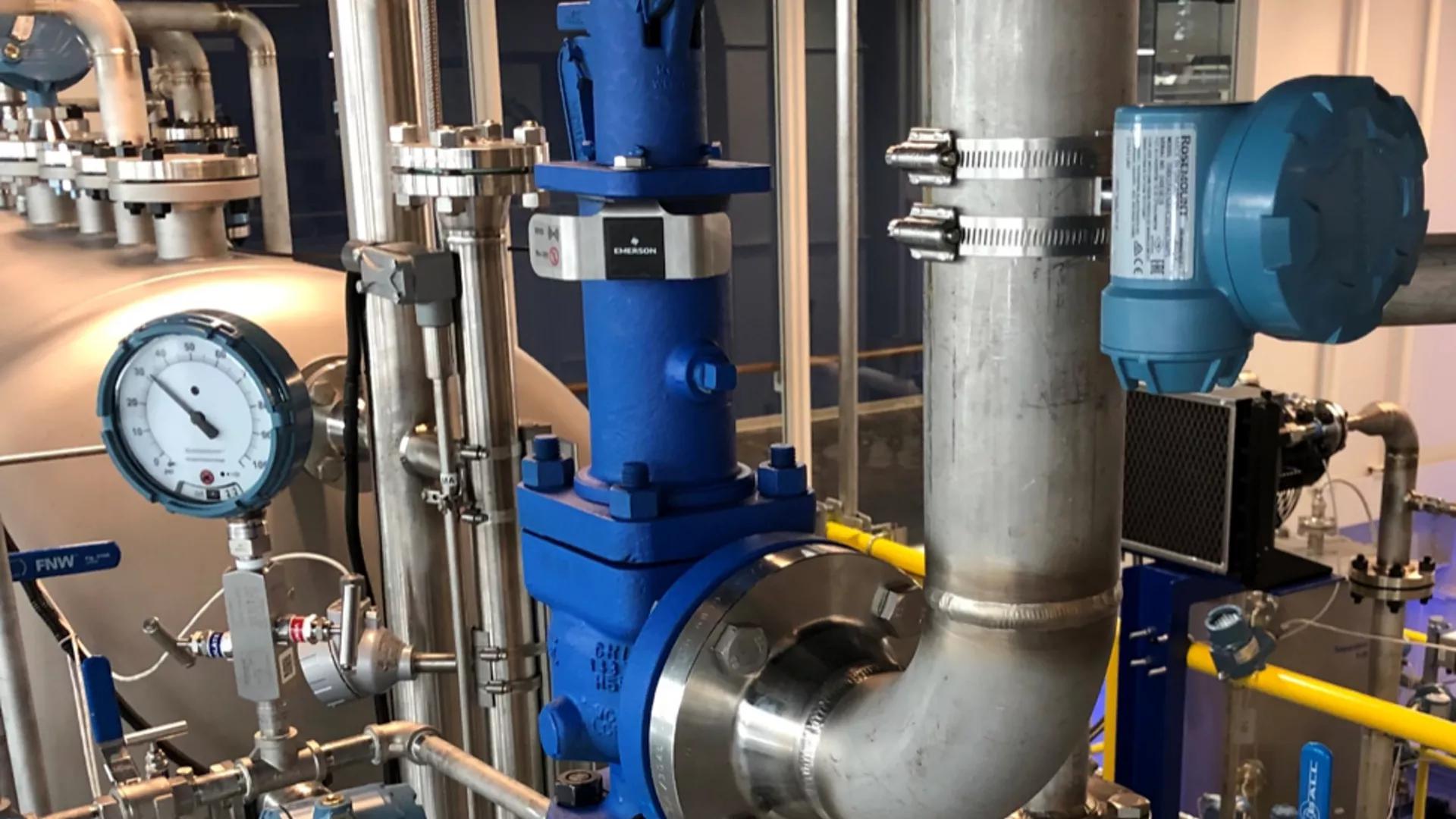
A wireless acoustic transmitter uses an externally mounted, non-intrusive ultrasonic sensor combined with a contact temperature probe to detect what is happening inside a pipe or vessel without ever touching the process. By analyzing the unique sound signature and temperature profile of steam, gas, or liquid flow, the device can identify failed steam traps, pressure relief valve releases, and other acoustic events. The Rosemount™ 708 Wireless Acoustic Transmitter clamps directly onto the asset in minutes with no process shutdown, no pipe modification, and no hot work permits. Data flows over WirelessHART® to your host system for continuous monitoring and analytics.
Non-intrusive installation removes the biggest barriers to monitoring stranded assets. With the Rosemount™ 708:
- No process shutdown required for installation or replacement
- No pipe penetrations, welding, or hot work permits needed
- No process contamination risk because nothing touches the fluid
- Brownfield friendly — can be retrofitted on existing assets in minutes
- Hazardous area certified for FM, CSA, ATEX, and IECEx
This makes it ideal for retrofitting onto stranded steam traps, PRVs, and process equipment that would otherwise stay unmonitored.
Steam Trap Applications
A typical industrial plant loses 3-5% of total steam generation through failed traps, and most plants don't know which ones are failed until annual surveys. The Rosemount™ 708 paired with the Plantweb™ Insight Steam Trap Application automatically:
- Identifies failed-open and failed-closed traps in real time
- Quantifies steam loss in dollars per trap, per day
- Prioritizes repairs by financial impact so teams fix the most costly failures first
- Tracks repair status
Customers have documented payback in under 12 months, with named examples in the Potato Chip Manufacturer, North American Tire, and Barking Power case studies.
PRV & Leak Detection Applications
For environmental and EHS teams, the Rosemount™ 708 paired with the Plantweb™ Insight Pressure Relief Valve Application continuously monitors every PRV and automatically logs release events for regulatory reporting. Key compliance use cases include:
- EPA Method 21 and Subpart W emissions reporting
- Affirmative defense documentation through complete event records
- LDAR (Leak Detection and Repair) program support
- Sustainability reporting with quantified flare and vent data
This eliminates manual rounds and gives compliance teams audit-ready records of every PRV event across the plant.
Yes. Beyond steam traps and PRVs, the Rosemount™ 708 is field-proven for heat recovery steam generator (HRSG) tube leak detection in combined-cycle power plants, where early identification can prevent millions in damage and unplanned outages. The same acoustic monitoring approach also detects:
- Process line leaks on steam, gas, and high-pressure utility headers
- Valve passing on isolation and bypass valves
- Air leaks on plant utility systems for energy efficiency programs
See the Sasol HRSG tube leak case study for a documented power industry example.
Integration & Value
The Rosemount™ 708 communicates over the same WirelessHART® network as Emerson process transmitters, connecting to your DCS, PLC, or SCADA through an Emerson™ Wireless 1410S Gateway using HART-IP, OPC UA, Modbus®, or EtherNet/IP™. Raw acoustic and temperature data feeds directly into the Plantweb™ Insight Steam Trap, Pressure Relief Valve, and Asset View Applications, which transform measurements into prioritized maintenance work orders, dollar-quantified losses, compliance-ready event logs, and centralized asset health dashboards. Learn more about Plantweb Insight Applications.
The Rosemount™ 708 delivers:
Up to 10 years of battery life on a SmartPower™ module (depending on update rate)
Hot-swap replacement in hazardous areas with no process disruption
Payback within 12 months in most steam trap deployments based on recovered steam losses
Faster payback when paired with PRV monitoring through avoided emissions penalties and reporting labor
Documented customer outcomes include hundreds of thousands of dollars in annual steam loss recovery and emissions reductions equivalent to thousands of metric tons of CO₂ per year.