
Products
About Temperature Transmitters
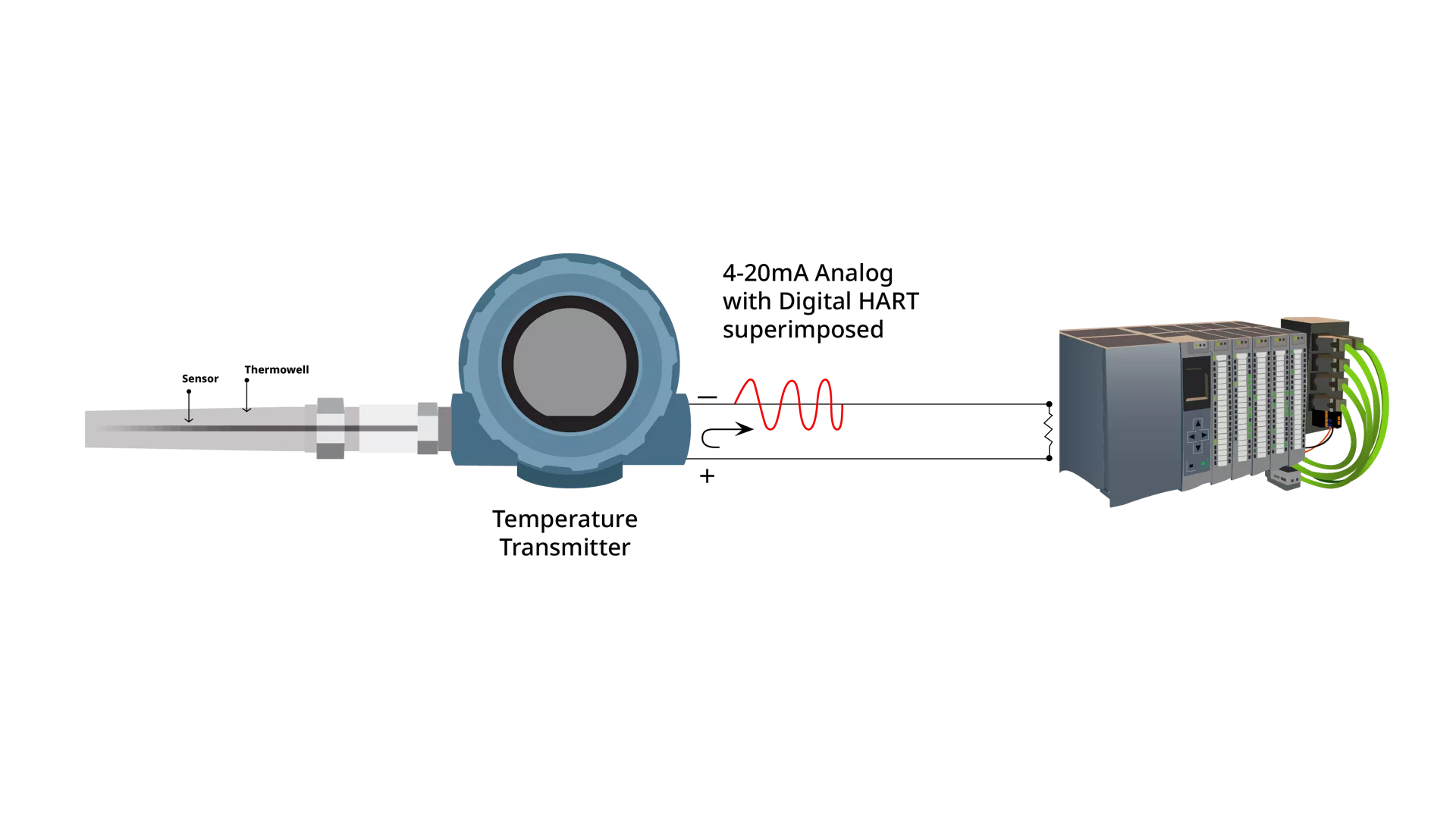
Temperature transmitters act as a medium between the sensor and a control system. Used in a variety of industries, they accept signals from all industry-standard resistance temperature detectors (RTD) and thermocouples, converting measurement input signals to a 4-20mA, HART, WirelessHART®, or FOUNDATION™ Fieldbus output signal. They can be calibrated to a desired temperature measurement range and configured to alert the control system if the process temperature falls outside of the specified range. Available in many housing styles and enclosures, these devices can be mounted with a sensor/thermowell assembly at the measurement point or mounted remotely.
Advanced Diagnostics - Keep Your Process Operational
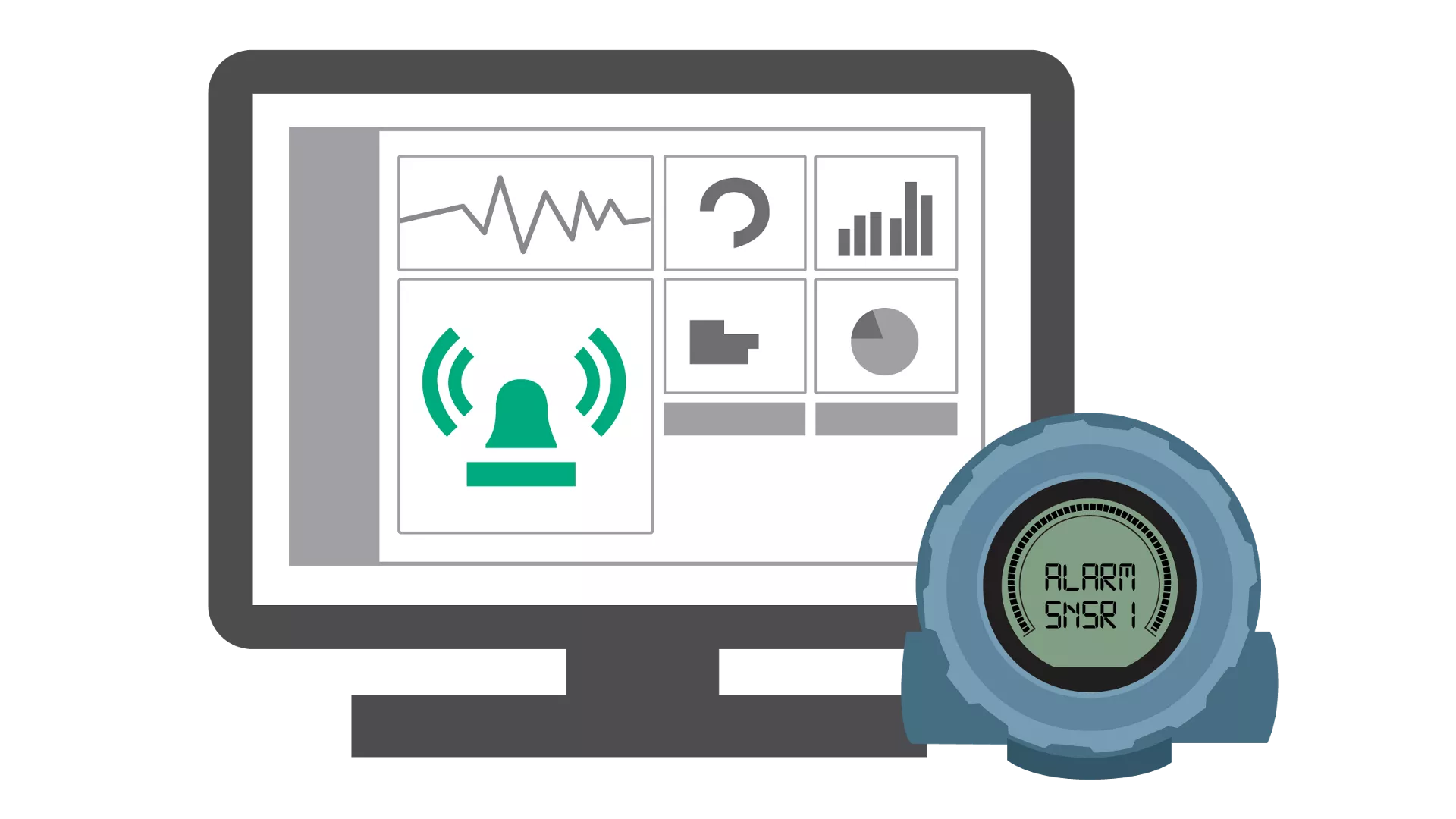
Utilizing the Advanced Diagnostics Capabilities of Rosemount Temperature Transmitters enhances the quality and accuracy of your temperature measurements. Environmental and installation effects that can create erroneous measurement values can be compensated and filtered out by these diagnostic capabilities. Our diagnostics can also be used to alert you of a degraded sensor or installation condition prior to sensor failure. The measurement insights gained by using advanced diagnostics help to maintain process measurement uptime, allow for proactive maintenance, and ultimately, help avoid an unforeseen process shutdown.
Advanced Diagnostics - Maintain Accuracy in Non-Ideal Conditions
Open Sensor Holdoff
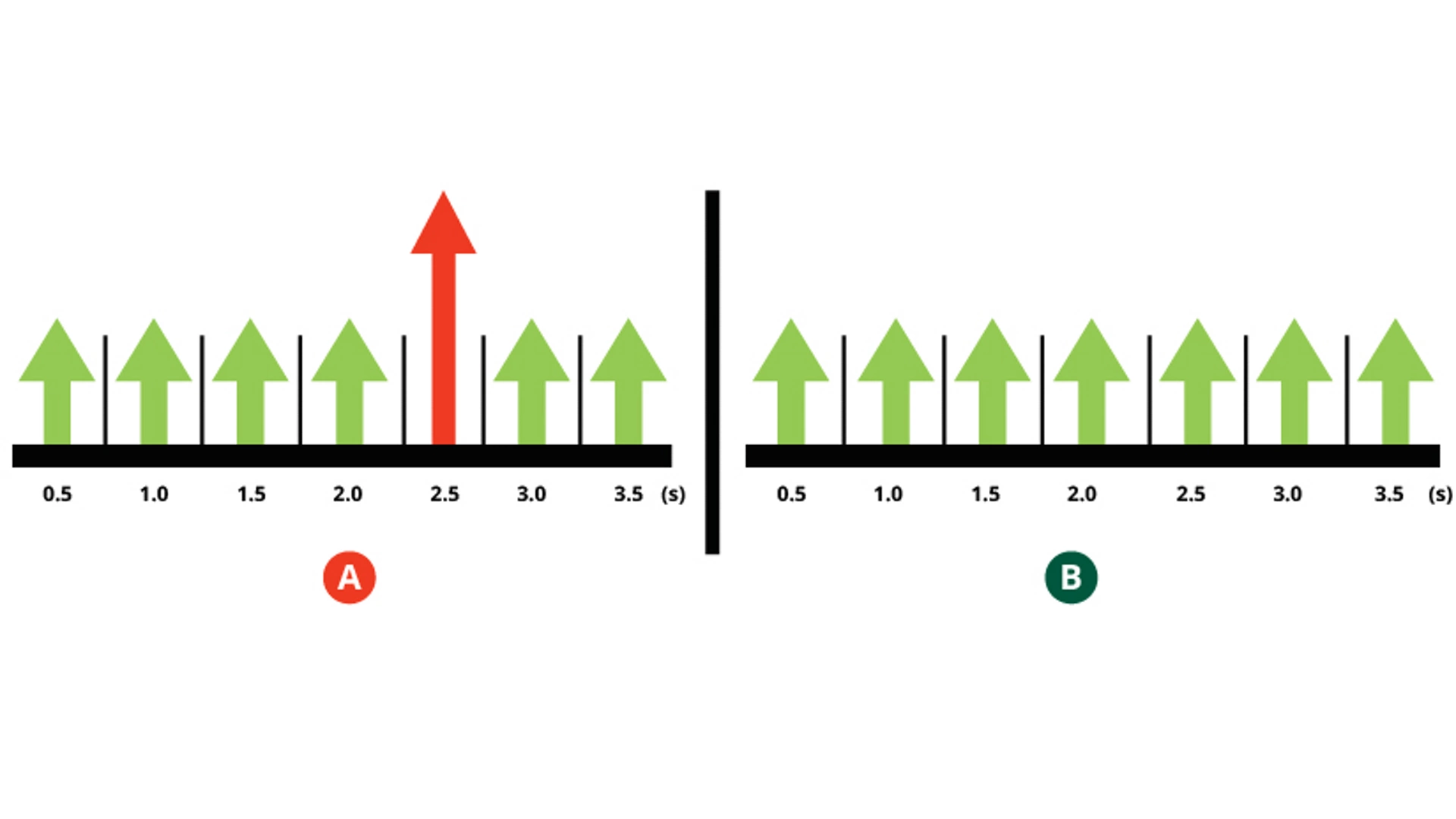
Open Sensor Holdoff prevents false open sensor events from disrupting process control. High voltage transients, such as lightning and electrostatic discharge, can cause false open sensor alarms (A). With this diagnostic enabled, the transmitter waits for several updates to determine if an actual open sensor event has occurred before triggering an alarm (B).

Resources
Frequently Asked Questions
A Temperature Transmitter is a device that converts the signal from a temperature sensor to a digital or robust 4-20 mA signal that is communicated to a control system.
Use of a temperature transmitter is beneficial because the signal from a transmitter is more robust than the signal from a sensor, making it less susceptible to plant noise. This allows for more accurate temperature measurements. Emerson’s Rosemount Temperature Transmitters have several diagnostic capabilities to measure sensor health and filter out plant noise. Use of these diagnostics increase measurement accuracy and quality, as well as process uptime.
Temperature transmitters are available in three different form factors: rail mount, head mount, and field mount. Rail mount transmitters are designed for high density measurements and are typically installed in cabinets or panels. Head mount transmitters utilize DIN A or B pucks and can be installed in a housing. Field mount transmitters are available in dual-compartment housings separating the terminal block from the electronics, thus preventing unwanted moisture or corrosion in the electronics.