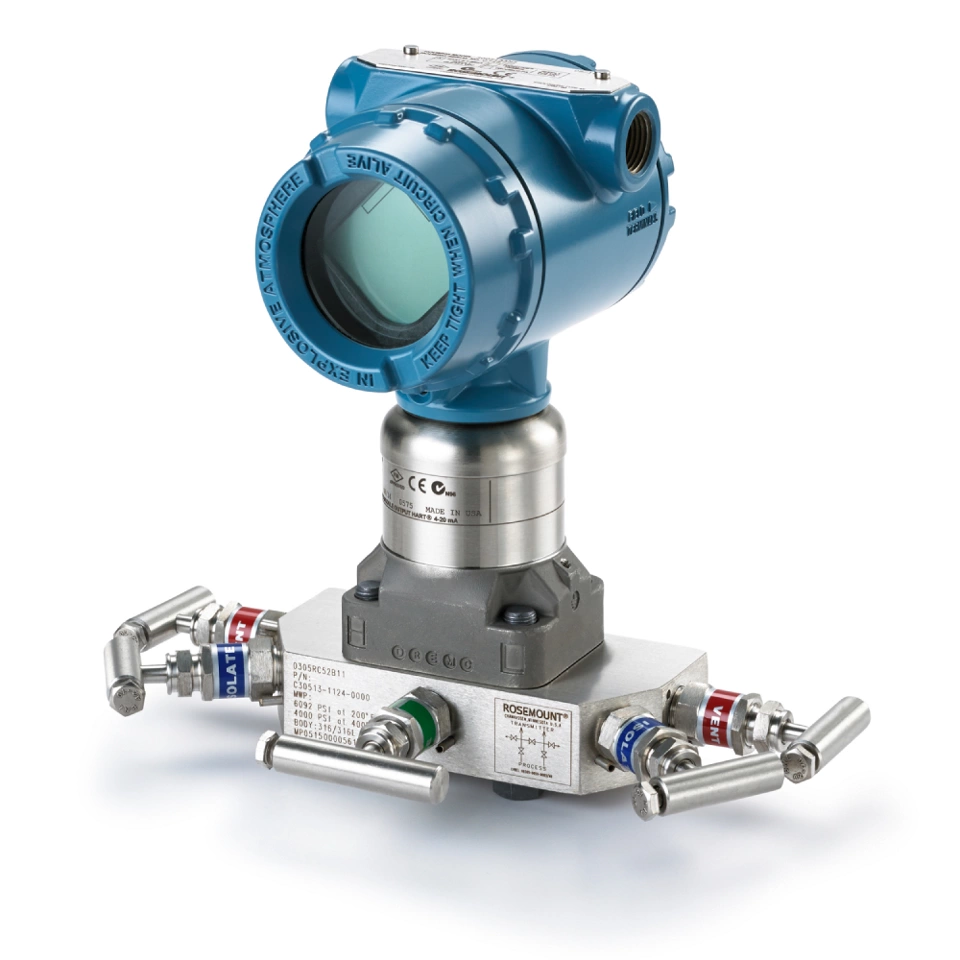

Chemical Manufacturer Improves Process Availability With Draft Range Pressure Transmitter
RESULTS
- Calibration and commissioning time reduced by 67% per transmitter
- Overall installation costs reduced by $2000 per unit
- Improved process availability
Customer
Major chemical manufacturer in North America
Application
Vent collection, dilution & thermal oxidation of volatile organic waste compounds (VOCs) produced in chemical manufacturing
Application Characteristics: Low pressure differential (-3.0 to 3.0 inches of H₂0)
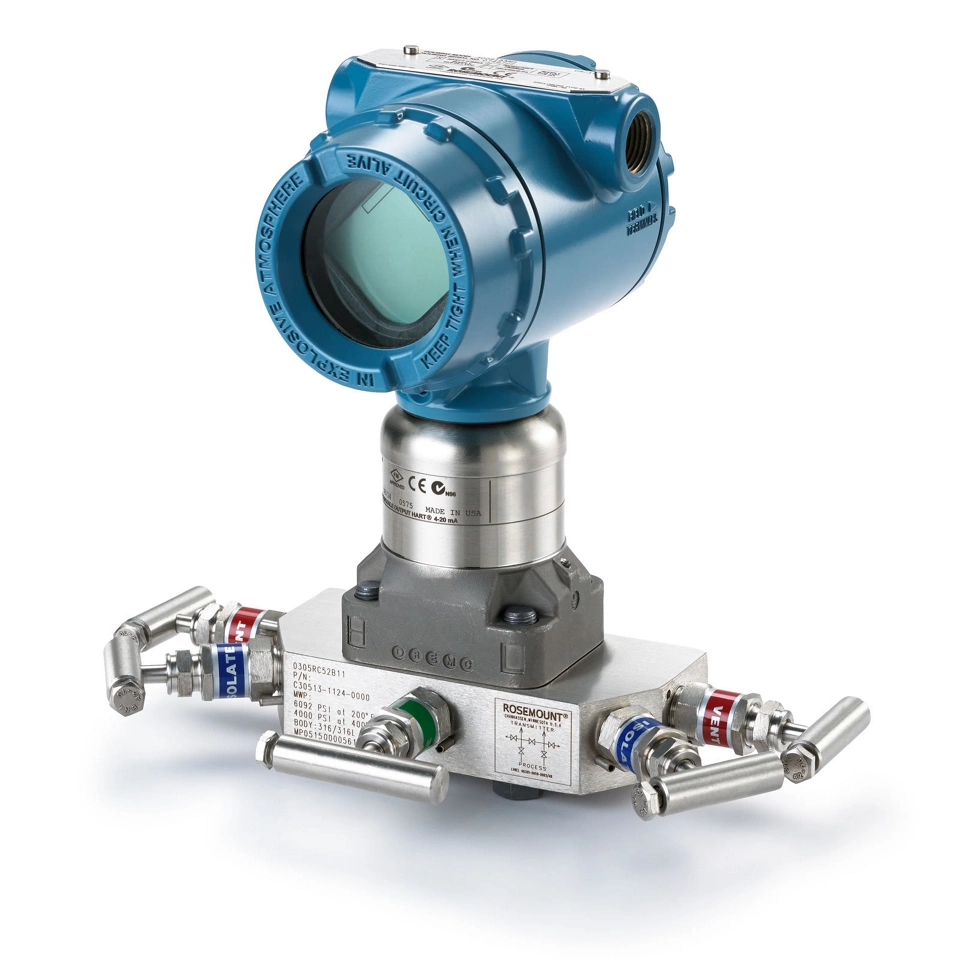
Easy maintenance procedures helped reduce commissioning and calibration time from 45 minutes to 15 minutes. Installation costs were reduced by approximately $2,000 per pressure transmitter.
Challenge
Strict emissions control standards from the Environmental Protection Agency (EPA) require routine calibrations for each transmitter. Violating these standards can cost many thousands of dollars, thus creating high demand for accurate measurements.
The company’s process for waste collection, dilution and incineration involves a multitude of activities. A series of vent collectors pick up waste VOCs from chemical tanks, adding air to dilute the mixture to within 25 percent of the combined chemicals’ lowest explosive limit. The mixture then flows across a pitot tube grid array to the thermal oxidizer and out the emission stack. If not diluted properly, the mixture can explode, damaging the plant and causing potentially serious injuries.
Air flow through the collection and dilution process is very low, creating differential pressures no greater than 1.5 inches of H₂0. When the first thermal oxidizer was designed and installed at the plant, the only differential pressure transmitter capable of adequately handling such small calibration spans were ones typically used in HVAC installations. The HVAC transmitter previously installed performed reasonably well, but required significant time and effort to remain properly calibrated. Due to the elaborate calibration procedures, maintenance time on each HVAC transmitter required up to 45 minutes.
Along with these important issues of performance and maintenance, another key consideration was cost of installation, including field wiring to the instruments. The 4-wire HVAC transmitters created additional field wiring challenges. The company planned to install several thermal oxidizers and therefore, additional measurement points; any savings associated with field wiring would be carefully studied.
Solution
The installation of the Rosemount™ 3051S Pressure Transmitter with low pressure range solved these important performance, maintenance and installation challenges. Intuitive equipment interface and easy maintenance procedures helped reduce commissioning and calibration time from 45 minutes to 15 minutes. Furthermore, installation costs, mainly due to using 2-wire vs. 4-wire technology, were reduced by approximately $2,000 per pressure transmitter. Installed and controlled indoors, the Rosemount 3051S Pressure Transitter brought the reliability and accuracy required by the chemical manufacturer.