American Oil & Gas Company Automates Offshore Hub With Emerson Smart Wireless
RESULTS
- Reduced production losses
- Eliminated unnecessary travel to remote platform
- More accurate reporting
- Minimized downtime during commissioning
Overall, we have reduced costs and improved safety by eliminating unnecessary travel to remote platforms, improved production by responding more quickly to trips in production, and eliminated reporting errors.”
Facility Engineer
Oil & Gas Company, Offshore Southeast Asia
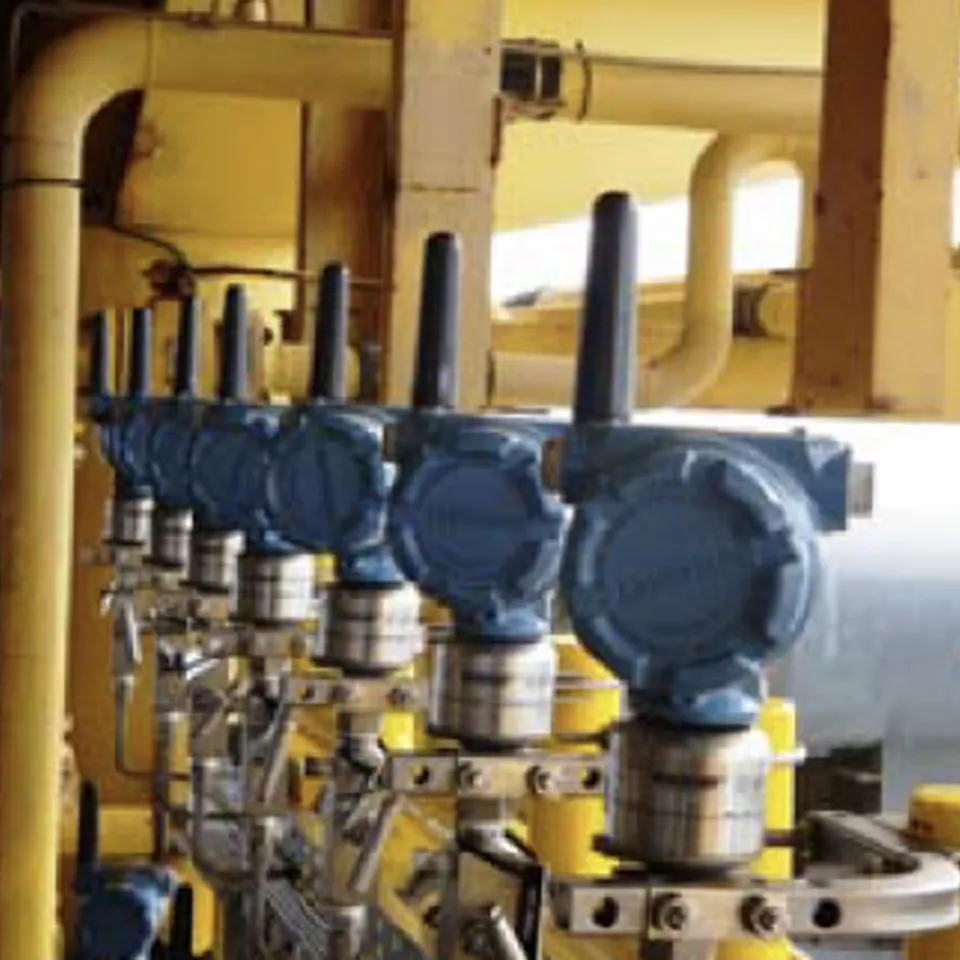
Casing pressure monitoring on 16 wellheads.
Customer
American oil & gas company operating offshore in Southeast Asia
Application
Unmanned natural gas platform monitoring
Challenge
Operational excellence for this American based company means protecting the safety and health of people and the environment as well as conducting operations reliably and efficiently, with a goal to achieve world-class performance.
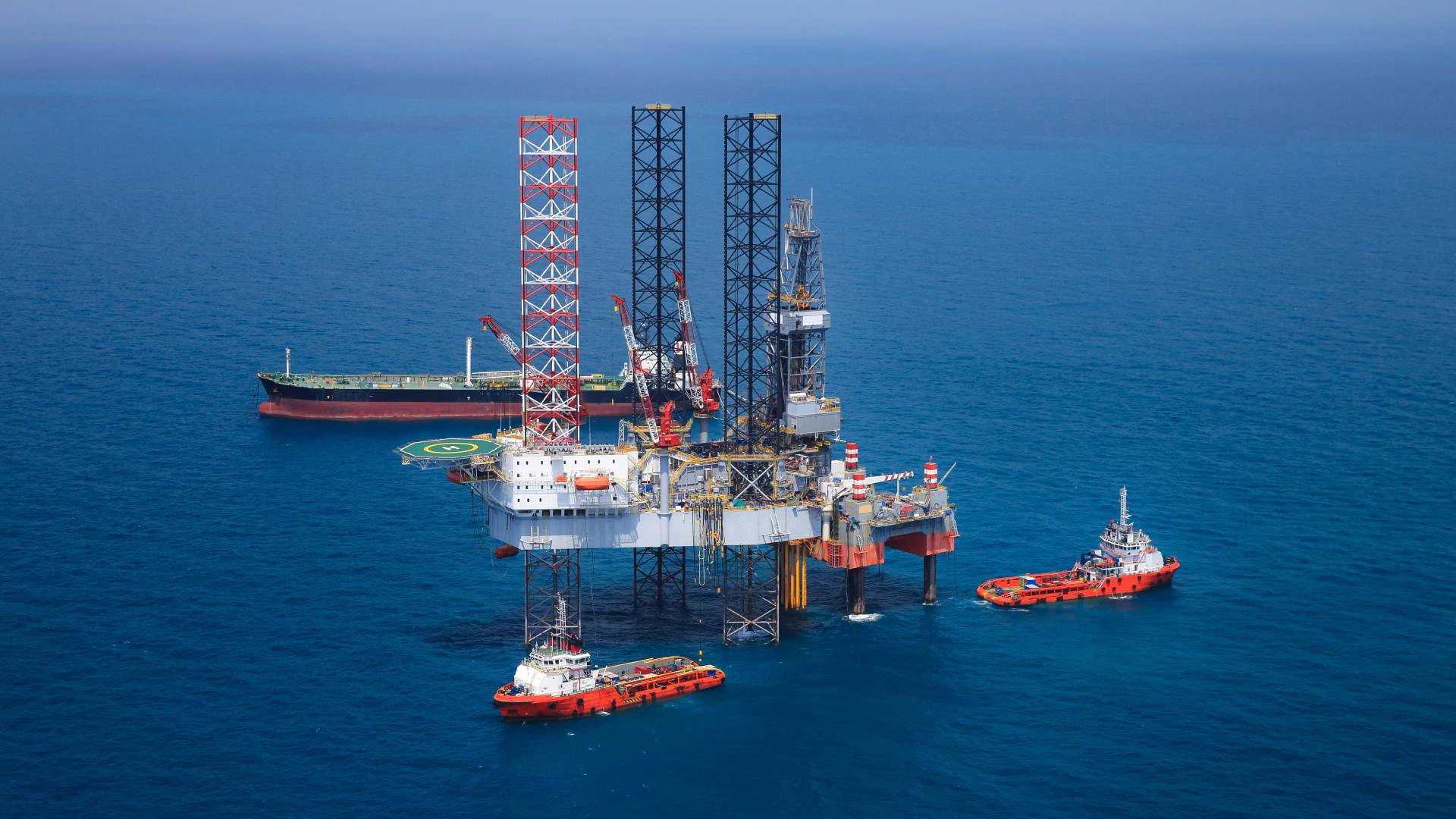
As a step toward this, the customer wanted to modernize a 30-year-old wellhead platform offshore of Southeast Asia. The goal was to eliminate unnecessary travel to the remote platform, automate process data documentation, and reduce production losses. The platform is aging and requires closer monitoring to optimize output of the wells. The difficulty with full automation was the sheer number of measurements necessary on an offshore platform that was already saturated, limiting both space and power availability.
The platform is a hub with 16 active wellheads as well as production headers from four nearby platforms, with power generation equipment to support the five platforms. If there is an issue on any of the platforms, production losses could last for days, particularly during the monsoon season where bad weather makes it hazardous for the technicians to travel to the platform.
The customer was looking to replace manual gauges with an automated network for total production, wellhead monitoring and control, receiver monitoring and control (one for each platform) and fuel gas skid monitoring and control. This network then had to be linked to a Central Processing Platform, 20km away. Since it is too costly to introduce additional infrastructure on an offshore platform, the oil and gas company needed a solution that was reliable, could fit within the confines of an offshore platform and didn’t exceed the power limitations.
Solution
The customer implemented a mixture of wired and WirelessHART® devices during the retrofit to optimize monitoring and control of the platform while keeping power limited to that provided by the existing power hybrid.
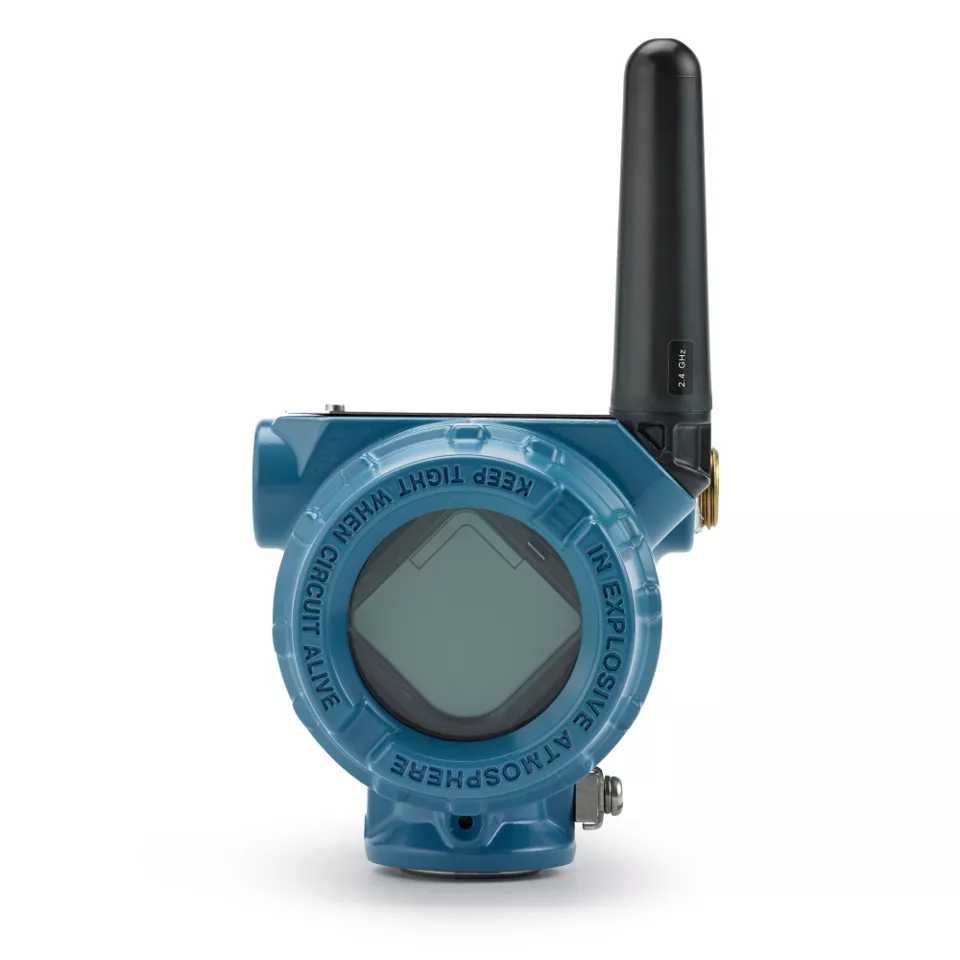
Wireless instruments monitor wellhead status on all 16 wells of the Hub, as well as gas receiving for all five platforms, production headers, and the fuel skid. “The Emerson wireless solution enabled us to meet the limitations imposed by an offshore platform” said the Facility Engineer. “It minimizes power and space requirements and gives us the reliability we need to optimize production. Low power consumption of the gateway (6 Watts) has helped us keep the existing hybrid with no modification.”
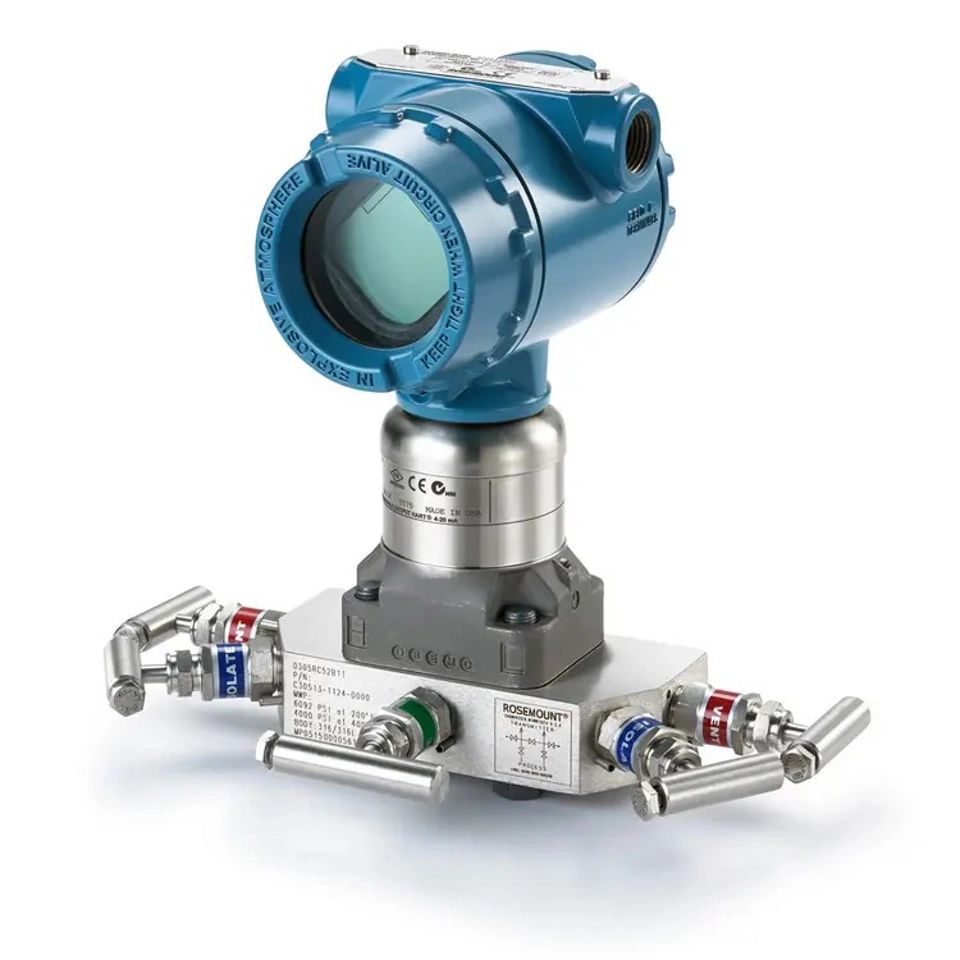
Over 40 wireless points were integrated through the Smart Wireless Gateway into a SCADA host via Modbus TCP/IP. These included 24 Rosemount™ Wireless 648 Temperature Transmitters, of which 16 included non-intrusive pipe clamp sensors to monitor temperature on each of 16 wellheads. The remaining eight transmitters monitor the receivers and the production headers. Eighteen Rosemount Wireless 3051S Pressure Transmitters were installed to monitor casing pressures on each of the 16 wellheads, fuel gas skid inlet pressure and fuel gas skid differential pressure. “Integration with SCADA through Modbus TCP was easy and fast. No additional software installation was necessary at the server side,” said the Facility Engineer.
The customer has now successfully transitioned the Hub to a fully automated platform that is operated via radio. Wellhead casing pressures and temperatures can be continuously monitored for early indication of down-hole problems, as well as verify that the operational characteristics of well containment are within design limits. Seamless integration with the host means early notification for operators to take action when necessary. Errors from manual reading and recording of the gages have been eliminated and the richer, denser wireless data provides field intelligence to optimize production. “Even when the platform is tripped, as happens during monsoon season, we can troubleshoot remotely and reduce the loss of production time” said the Facility Engineer.
Since installing wireless, remote monitoring has replaced technician trips to the platform. In fact, wireless monitoring has shown that no trips have been required, providing significant cost savings. The rich field intelligence has also minimized production losses, and seamless integration with the local host means automated production reports that are free of human error. “Overall, we have reduced costs and improved safety by eliminating unnecessary travel to remote platforms, improved production by responding more quickly to trips in production, and eliminated reporting errors,” concluded the Facility Engineer.