
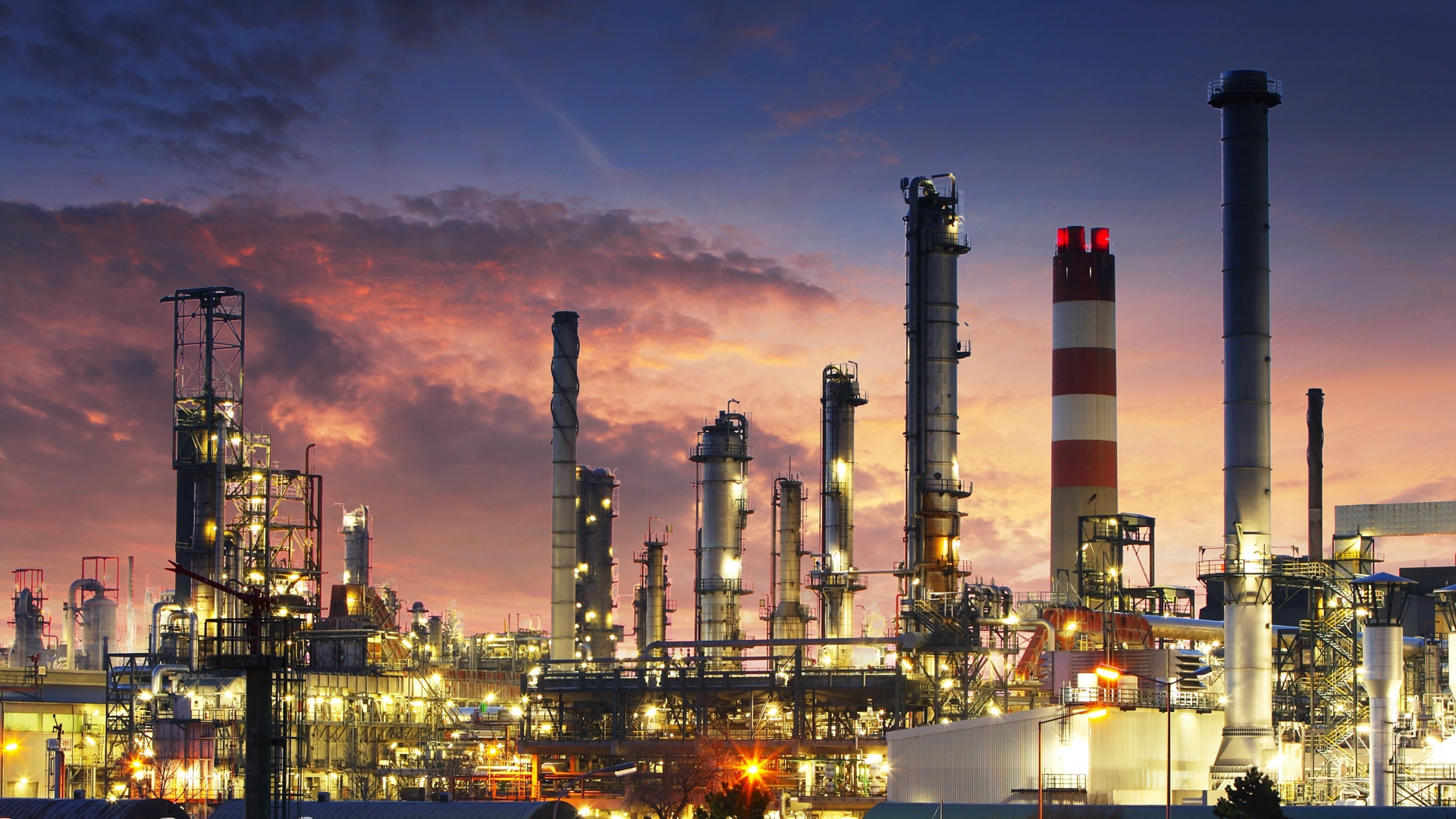
Refinery Increases Profitability by Pushing Production Limits while Controlling for Piping and Equipment Damage
Results
- Increased facility profit by increasing production without capital spending
- Verified the viability of equipment condition to avoid unnecessary shutdowns
- Quantified the wear-and-tear on piping and equipment to determine higher production limits
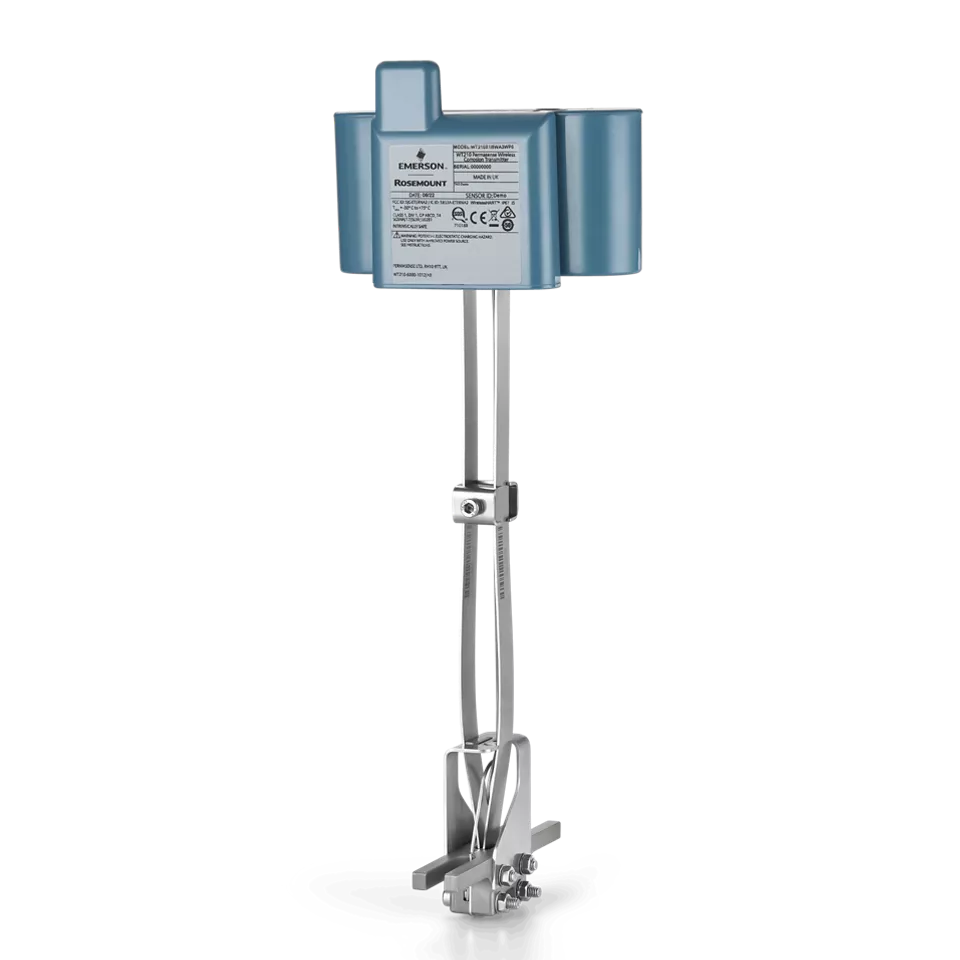
Image 1. Five Rosemount Wireless Corrosion and Erosion Transmitters mounted at strategic points around the header, helped determined the carbon steel header pipe wall was thinning at a rate of 2 mm (0.08-in.) per year.
Customer
European refiner operated by integrated major oil and gas producer.
Application
Refinery piping and equipment that were prone to increased wear-and-tear or worse – catastrophic failure.
Challenge
Refineries wanting to increase profitability can try to reduce production costs or increase production levels, provided there is sufficient market demand. Pushing for increased production may require capital projects to remove bottlenecks, but determining how much production can be driven up usually begins with gradual increases until bottlenecks emerge. Corporate management challenged this refinery to increase production by 30 percent without launching any major capital improvements.
Faced with such a challenge, one approach is to simply run pumps faster, open valves wider, and go past normal limits in an effort to increase production. Naturally, the effects vary greatly depending on the nature of the plant, but here are a few typical effects:
- Heating stages must run hotter to transfer heat more quickly
- Fluid flows through pipes and valves increase with higher velocities
- Residence time in reactors is reduced
- The separating efficiency of fractionation distillation processes is lowered
One of the bottlenecks that soon emerged was in the refinery’s hydrocracker unit, which was already running at a high conversion rate. Some effectiveness of the process would be lost by forcing a higher amount of unconverted oil out with the propane and light-ends stream into the hydrocracker stabilizer. This stream was cooled in a series of heat exchangers and then split into three streams: propane, unconverted oil, and sour water.
The unit ran for about four years at the new production rate and seemed to be working well. Unknown to the operators, the increased flow of propane was eroding a complex header system designed to collect propane from the heat exchangers. One day operators discovered a plume of liquid propane with high H2S content shooting out of a newly formed leak in the header, creating serious safety and environmental issues, not to mention product loss.
Fortunately, the problem was discovered before the propane found an ignition source. The unit was shut down briefly so an externally mounted clamp could be installed before resuming operation. This solved the immediate problem, but engineers feared more leaks were likely to occur.
Solution
The refinery’s evaluation engineering team installed five Rosemount™ Wireless Corrosion and Erosion Transmitters (Image 1), mounted at strategic points around the header. After some analysis, they determined the carbon steel header pipe wall was thinning at a rate of 2 mm (0.08-in.) per year due to the erosion caused by the increased flow combined with high H2S levels resulting from higher sour water carry-over.
The total transmitter installation project cost was approximately 25,000 €, however, given the production value of the unit of about one million € per day, it was regarded as a minor expense.
These transmitters are permanently mounted, make continuous metal-thickness readings, and send the data to a monitoring and historizing system via a WirelessHART® network. Readings from individual transmitters can be analyzed over time, making it possible to monitor metal loss as it happens.
While damage to the header was severe, engineers determined that enough integrity remained to allow the header to continue operating safely until a new header could be fabricated from stainless steel and installed during a scheduled turnaround. The new header would be more expensive than its carbon steel predecessor, but engineers anticipated a much longer service life and, since it could be manufactured in a reasonable amount of time, rush-premium charges were avoided.
The true value of the transmitter installations and the data they was in avoiding the potential disaster of a major header failure and catastrophic hydrocarbon release. It also avoided costs for expedited design and fabrication of a new header, and eliminated production disruptions for an unwarranted shutdown. Had the engineers not been able to determine the true condition of the header, a shutdown would have been required for safety reasons.