Rosemount™ X-well™ Technology Reduces Risk Of Line Damage Or Failure On Pressure Safety System
RESULTS
- Improved system safety by preventing hydrate build up resulting in line or valve ruptures
- Eliminate down time by using non-intrusive temperature measurement
- Hundreds of thousands of dollars saved by preventing future system damage
Customer
Major FPSO Operator
Application
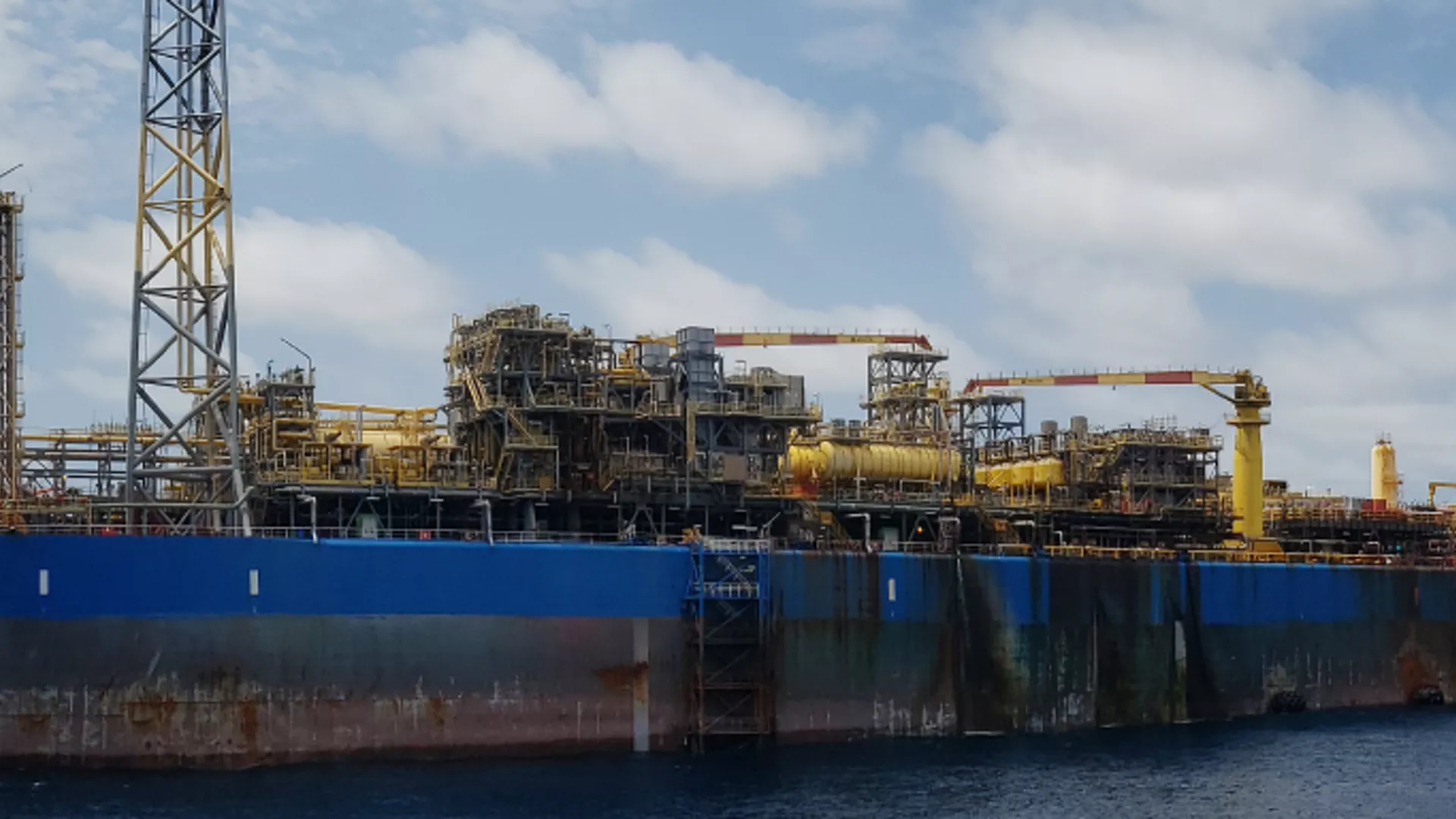
FPSO using CO2 injection on lines to increase production on wellheads. Pressure Safety Valves (PSVs) are required for safe operation and allow gas to flow to a flare when pressure exceeds a given threshold.
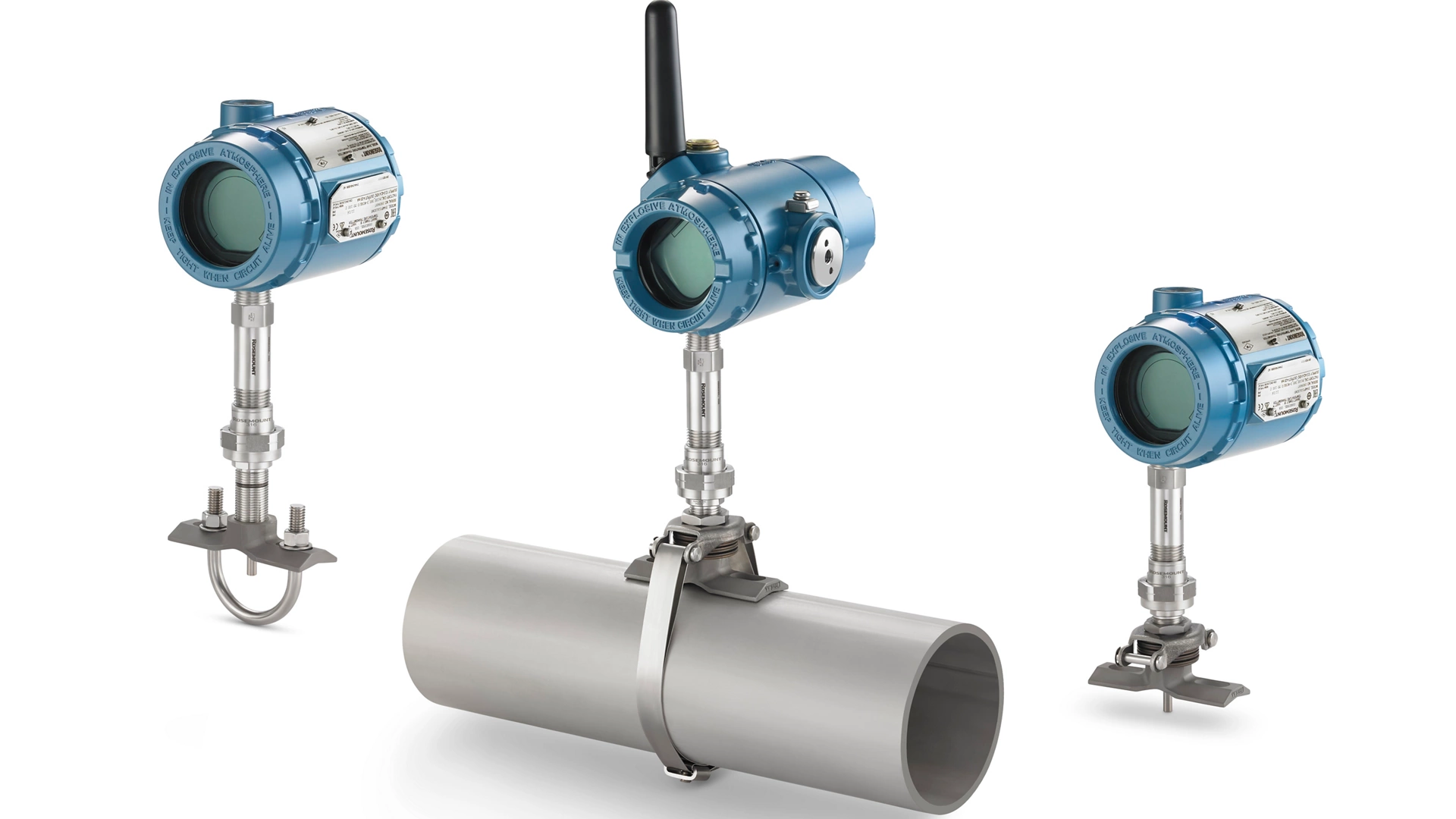
Rosemount X-well Technology can be installed without process shut down, saving thousands of dollars in downtime and production loss.
Challenge
A major FPSO operator needed to prevent hydrate build up on pressure safety release lines utilized on their carbon dioxide injection system. The system is equipped with PSVs to allow gas to flare when pressure in the line exceeds a certain threshold. In a high-pressure, low-temperature environment, water, natural gas, and carbon dioxide form hydrates that impede the flow of gas during emergency pressure releases.
Without temperature measurement it was not possible to monitor the PSVs for hydrate formations. Continued hydrate build up prevented the flow of gas from reaching the designed levels. Flow restriction eventually caused a rupture in the pressure release line requiring immediate shut down for repairs. For this customer, the estimated cost of shut down amounted to $600,000 in lost production and repair costs. Due to the measurement location and flow rates, it was decided that a traditional thermowell and sensor could not be installed. The high flow velocities were too difficult to design for a conventional thermowell and would require making costly and time-consuming modifications to existing piping.
Solution
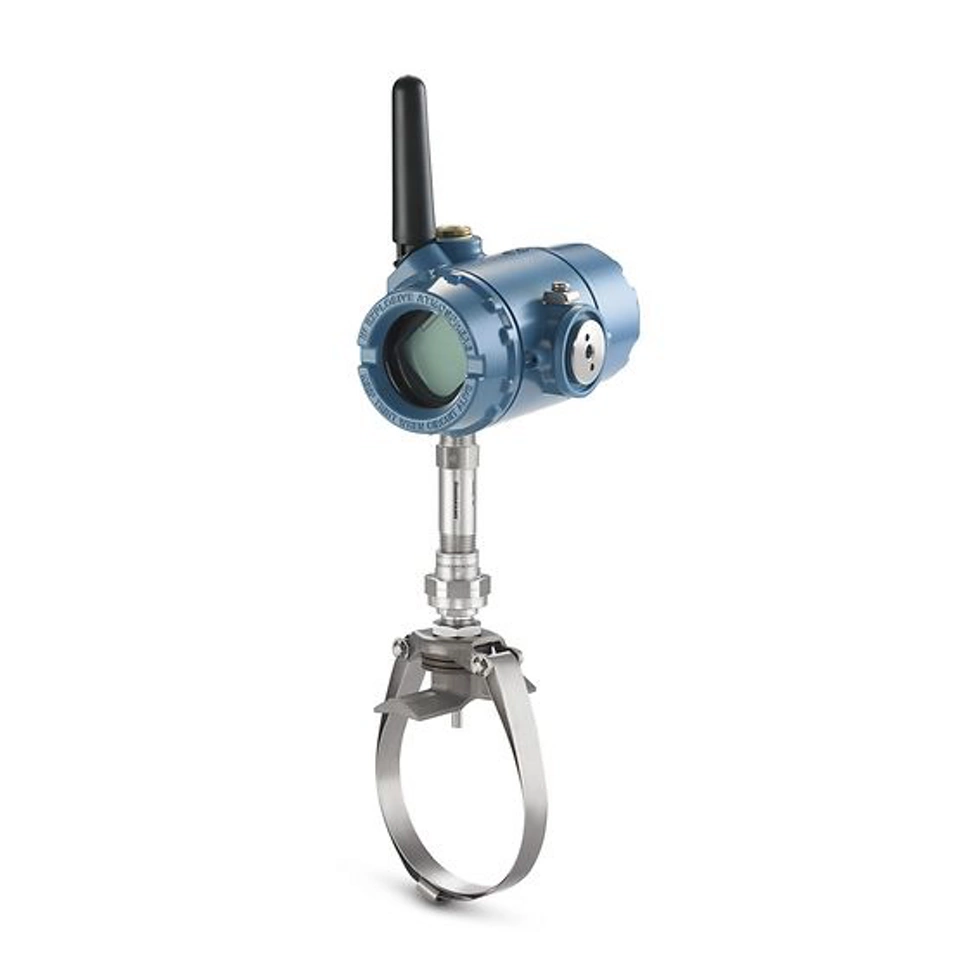
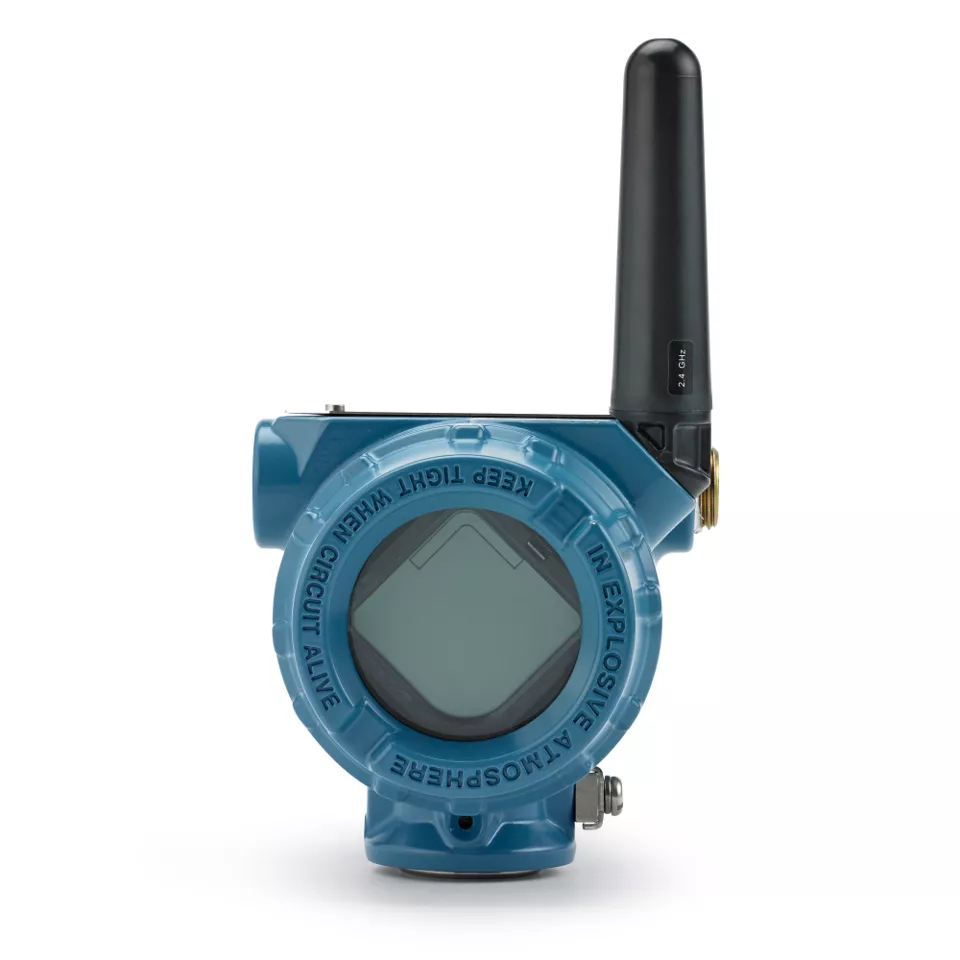
With Emerson’s support, the customer identified 61 temperature measurement points that needed monitoring. Emerson’s Rosemount X-well Technology with Rosemount 648 Temperature Transmitters were commissioned to solve their problem. These temperature transmitters were placed downstream from the PSVs to monitor for temperatures indicating the buildup of hydrates. By monitoring for these conditions, the customer was able to act on the buildup before it caused additional ruptures eliminating future emergency shutdowns.
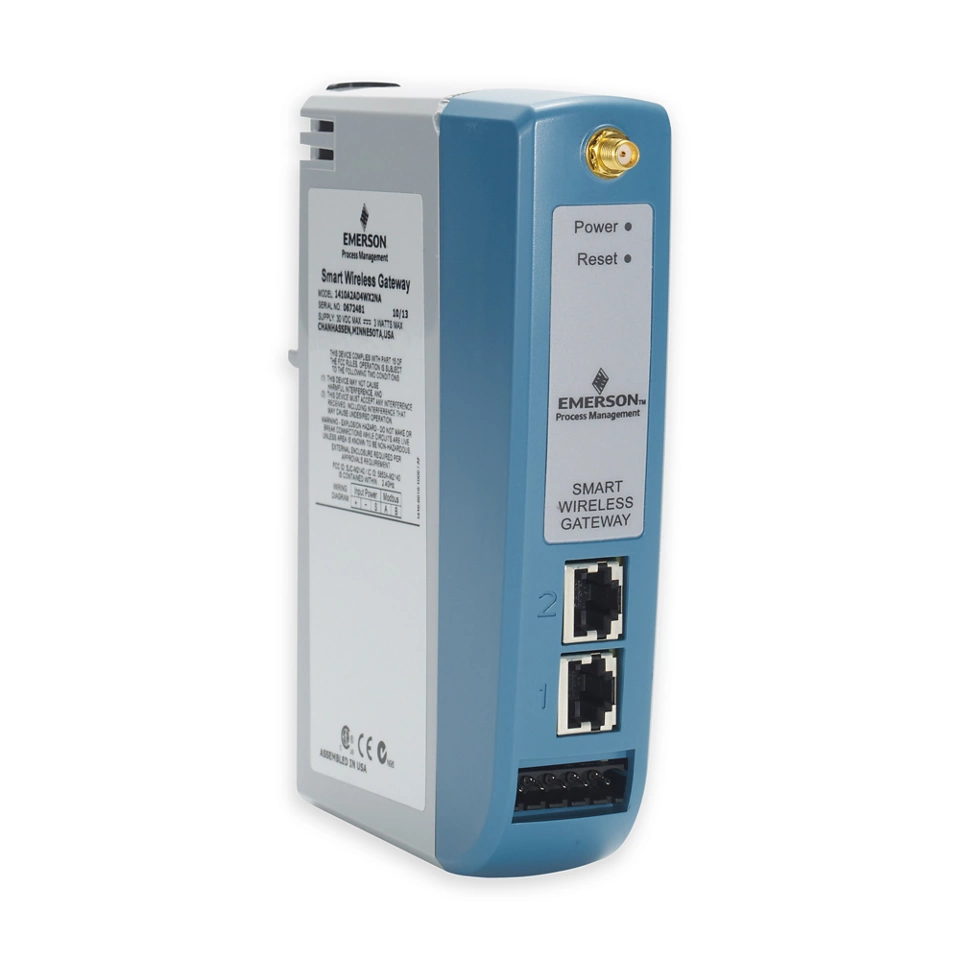
This preventative maintenance saved the customer hundreds of thousands of dollars in lost production and future repairs and ensured the safety of their operators working the system. By using Rosemount X-well Technology the customer was able to implement these new temperature points without performing wake frequency calculations or making costly changes to existing piping. Utilizing the Rosemount 648 Temperature Transmitter's WirelessHART® communication protocol means that the customer was able to integrate the new temperature points into their control system for easy monitoring using their existing Emerson Wireless 1410 Gateway.