

Non-Contacting Radars Optimize Storage and Loading of Fly Ash at Waste-to-Energy Power Plant
RESULTS
- Eliminated downtime for instrumentation maintenance
- Maximized storage vessel utilization and truck loading Efficiency
- Increased operational performance and profitability
- Estimated savings of $80,000/year
- Fast return on investment
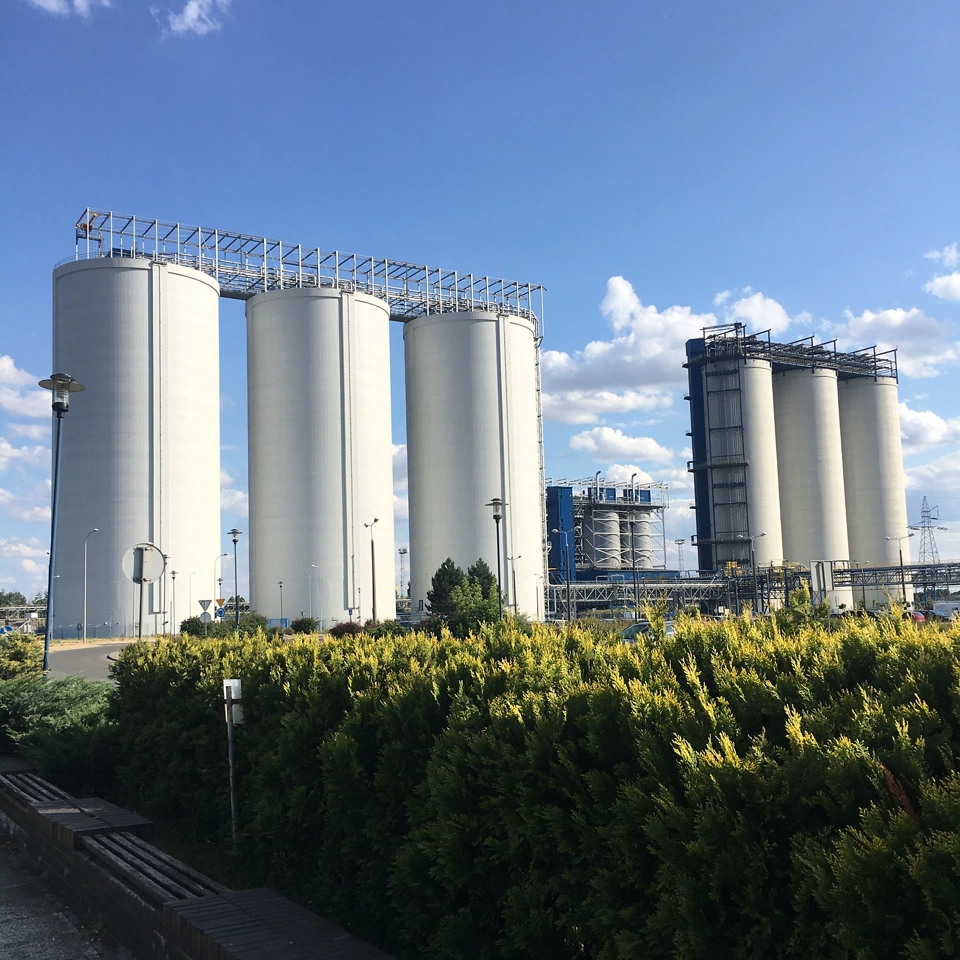
Typical ash storage tanks
Customer
Waste-to-Energy Power Plant in Europe
Application
Fly ash storage vessel level monitoring
Challenge
Compressed fly ash produced from the waste-to-energy incinerator is used as a construction material in road building. After chemical treatment, the ash is stored in three large (16 metres / 52 feet high) vessels ready for collection by trucks. The customer needs to monitor ash levels to prevent overfilling, manage inventory, and schedule refilling, maintenance and cleaning when necessary.
Monitoring fly ash levels is difficult due to uneven surfaces, fast filling, and a highly dusty environment. The ash tends to stick to surfaces, creating buildup within the vessel and on instrumentation. The plant had been using guided wave radars from another vendor to monitor the levels in the storage vessels. However, because the ash sticked to the probes, they would become clogged after five or six days of operation which caused unreliable measurements. Weekly maintenance was required to clean the probes, exposing personnel to dust and taking vessels out of service for up to two hours. This interrupted operations and reduced overall process efficiency.
Solution
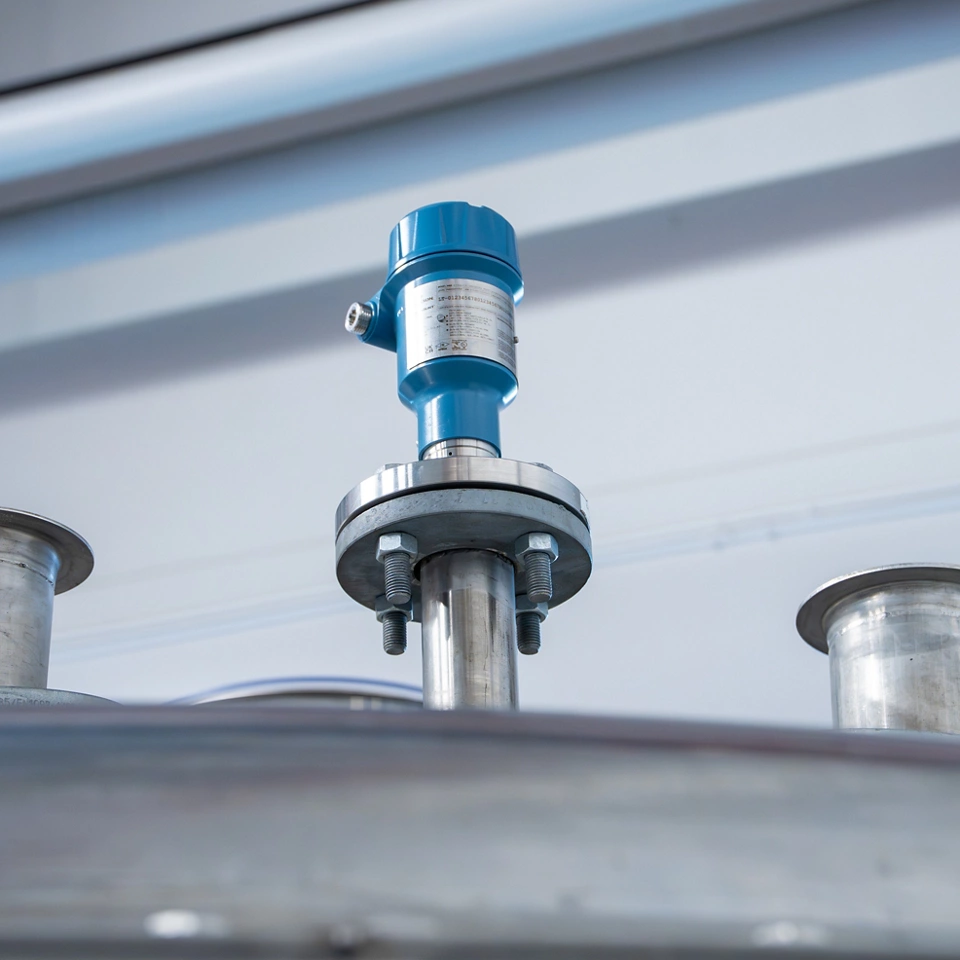
Emerson provided a replacement solution by installing a Rosemount™ 3408 Non-Contacting Radar Level Transmitter on each vessel. Key factors in the selection included ease of integration, fast commissioning, and a strong return on investment.
Although fly ash has a low dielectric constant, the modulated continuous wave (FMCW) technology used in the Rosemount 3408 maximizes sensitivity to ensure accurate measurement. A smart solids algorithm enables reliable readings despite uneven material surfaces, while an advanced air purging system prevents antenna build-up. Signal Quality Metrics diagnostics provide additional assurance by alerting operators to abnormal conditions or build up on the antenna. This ensures long term reliable measurements, with maintenance requirements reduced to zero. Since they were installed, the Rosemount 3408 transmitters have delivered trouble-free operation, eliminating unplanned stoppages and improving both treatment and loading processes. Increased vessel availability has enabled more efficient truck loading, resulting in annual savings of approximately $80,000 and a return on investment in just one month.