
Refinery Solves Future Sulfur Transfer Line Shutdown Risk
RESULTS
- Improved process efficiency by increasing process insight
- $100,000 saving in installation cost for 16 new temperature points
- Avoid future shutdown and repair estimated at $40,000 per event
Customer
A North Asian refinery
Application
A sulfur recovery unit where a critical molten sulfur transfer line is heated to ensure the proper flow of molten sulfur
Challenge
The molten sulfur transfer line out of the sulfur recovery unit needs to be maintained at a consistent 145°C to ensure the proper flow of molten sulfur out of the unit. If the temperature of the transfer line is allowed to drop below 145°C the sulfur can begin to solidify and reduce throughput. If the temperature is allowed to increase too far the sulfur in the line will begin to polymerize and solidify in the line.
In both situations shutdown is required for a team to clean out the solidified sulfur to address the problem, costing an estimated $40,000 in lost production. In one such shutdown the electric heat tracing used to maintain the temperature of the pipeline failed allowing the sulfur to cool and solidify in the pipe before the problem was identified.
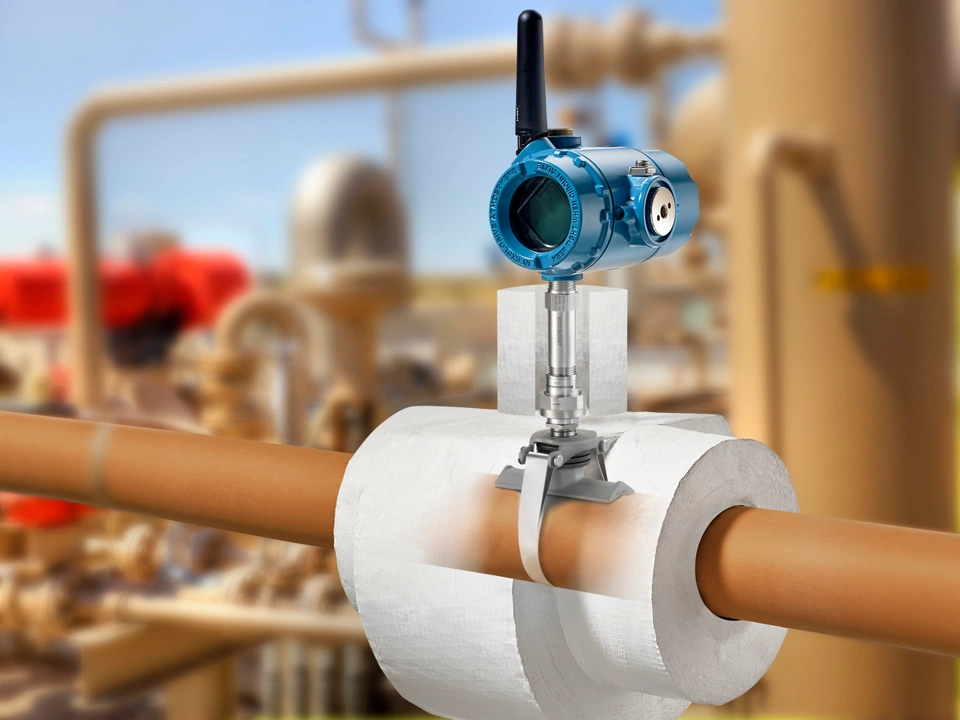
With the existing temperature solution there was only a single monitoring point at the start of the pipeline which left a large portion of this line unmonitored. Installation of additional thermowells was considered but ultimately ruled out due to the high cost of installation, piping modification and prolonged process shutdown.
Solution
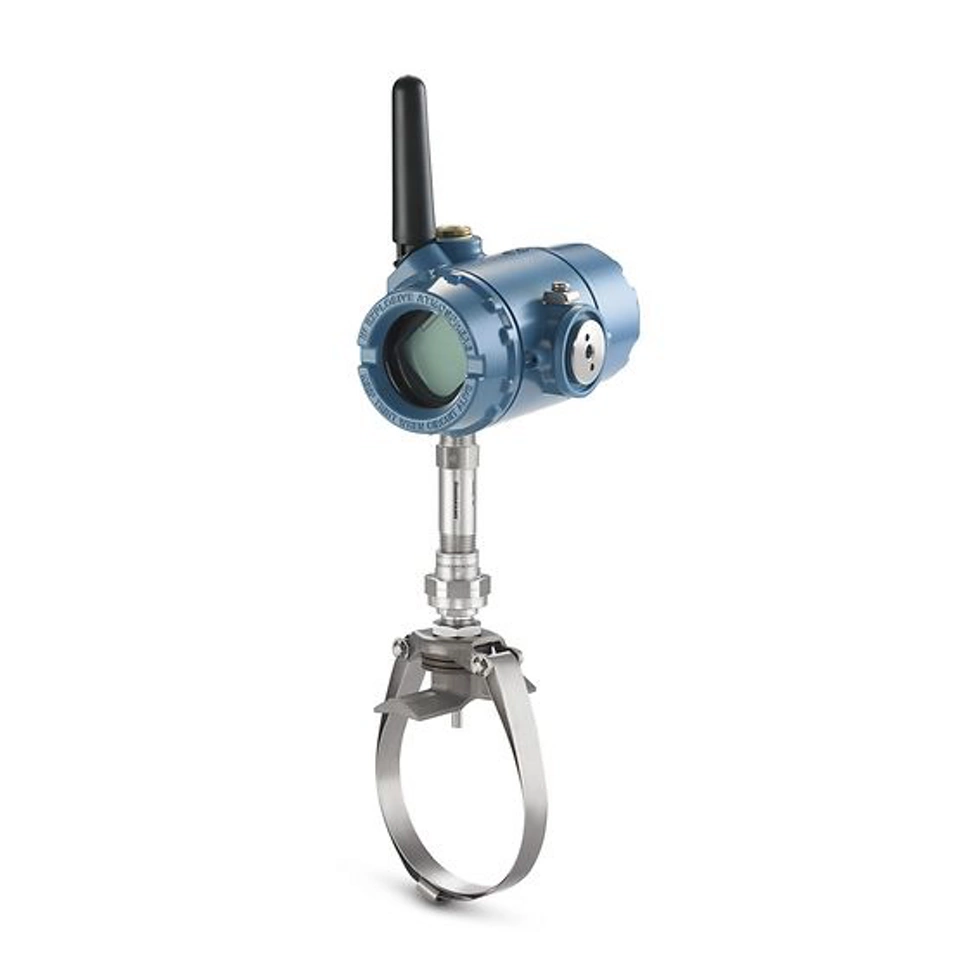
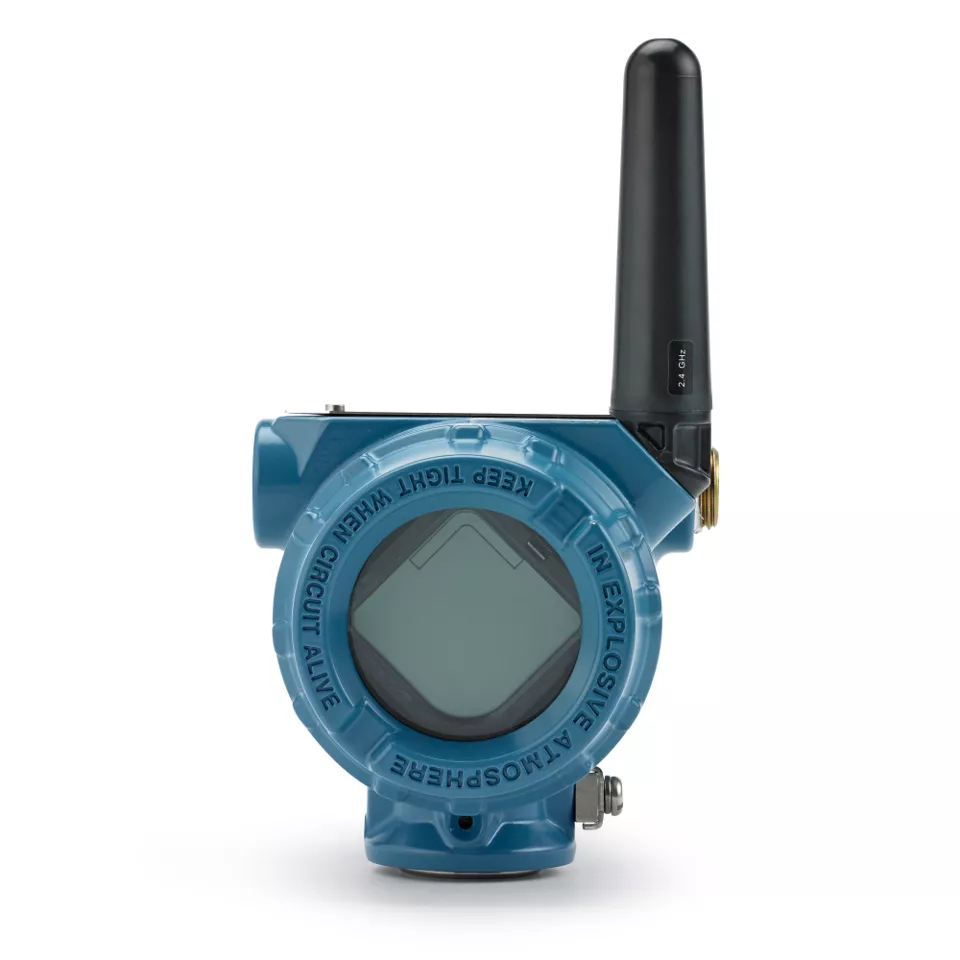
Emerson recommended Rosemount X-well Technology with the Rosemount 648 Wireless Temperature Transmitter to monitor temperature points along 16 locations on the pipeline. These new temperature points provided accurate process temperature monitoring points and increased process insight that allows operators to detect any pipeline temperature issues early and react to them before they cause issues.
Additionally, the new temperature points eliminated reoccurring maintenance issues due to frequent plugging and ultimately increased the throughput of the molten sulfur transfer line.