Trusted Partner in the Oil & Gas Industry
For decades, Emerson has been a leading provider in the oil and gas industry, delivering innovative solutions that meet the sector's rigorous demands. From exploration to production through transportation and storage, measurement instrumentation and automation is crucial for maximizing production, ensuring safety, and reducing costs. Emerson’s oil and gas solutions empower operators to make data-driven decisions, helping them stay ahead of rising global demand and effectively navigate the ongoing energy transition.
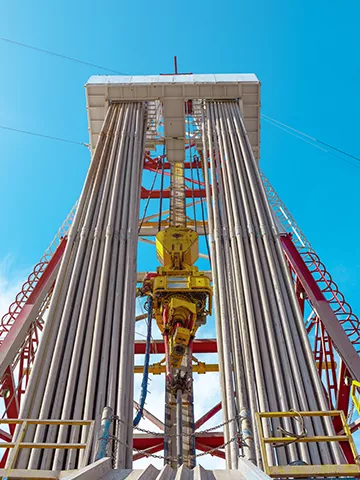
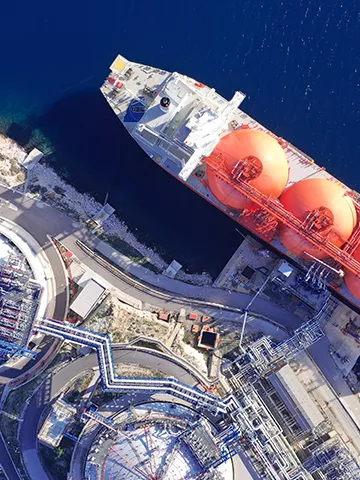
Oil & Gas Segments
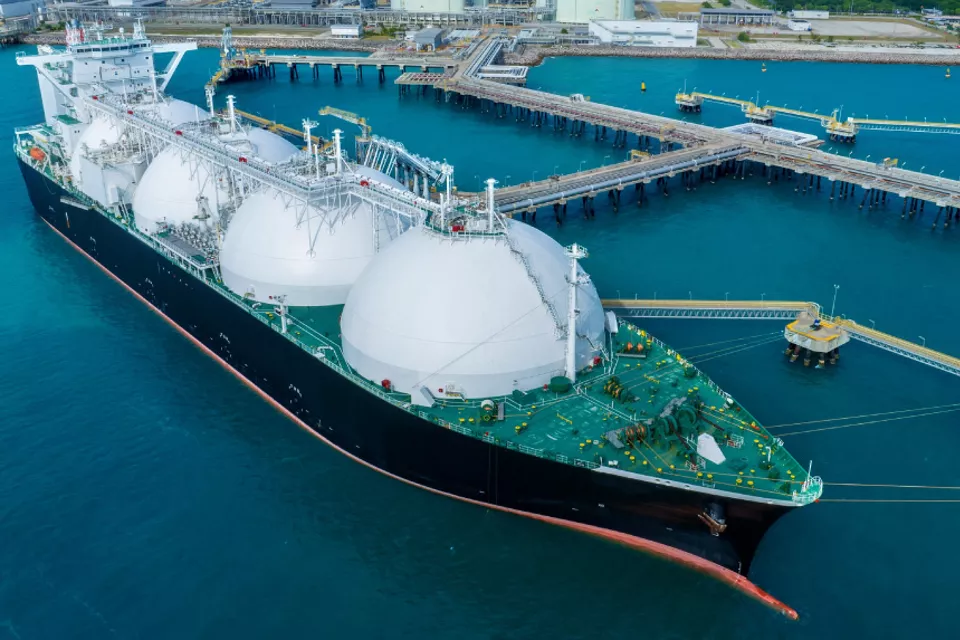
Liquified Natural Gas (LNG)
Product Applications
Corrosion Erosion Monitoring

Carbon Capture with Real-Time Corrosion Monitoring
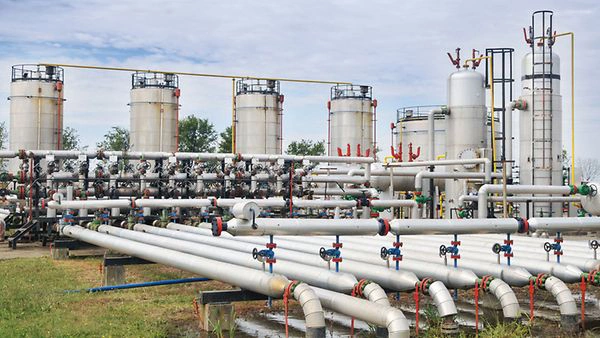
Sand and Erosion Monitoring for Underground Gas Storage Retrieval Optimization

Corrosion Monitoring on Refinery Crude Unit Overheads for Process Optimization
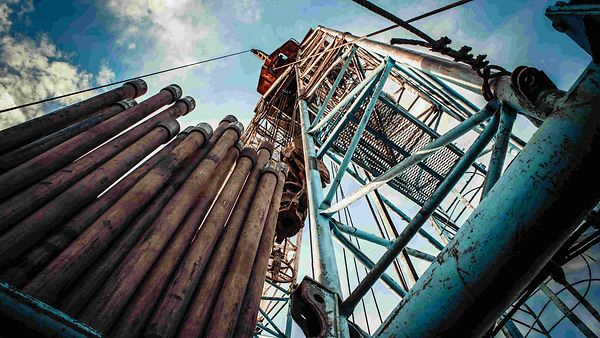
Non-Intrusive Sand Management for Maximum Efficiency in Shale Operations
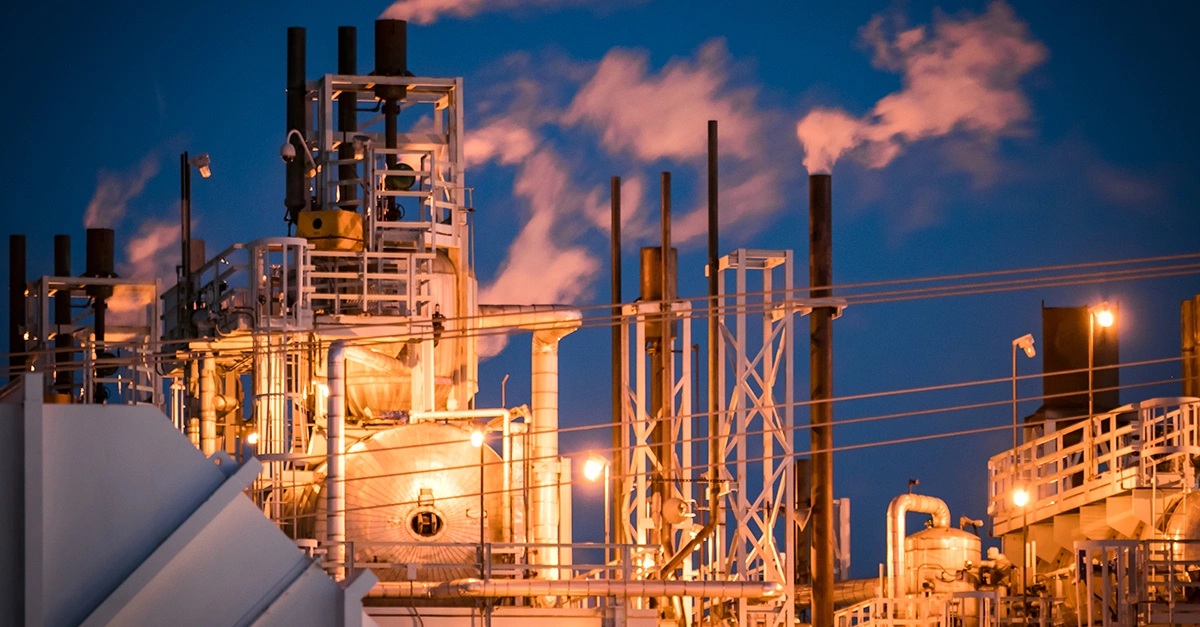
Corrosion Monitoring in Biofuel Refining Applications


Frequenly Asked Question
Oil & Gas
Across upstream and midstream operations, measurement instrumentation (flow, pressure, level, temperature, and analytical) provides real-time visibility that improves safety, reduces downtime, and optimizes overall process efficiency.
Common challenges include maintaining measurement performance, reducing loss, minimizing unplanned downtime, driving asset integrity and reliability, maintaining regulatory reporting, ensuring safety compliance, and maximizing capacity from existing infrastructure, all of which rely on reliable measurement instrumentation across the oil and gas industry.
Continuous measurement of pressure, temperature, and flow with today’s diagnostics allows for greater process visibility, predictive maintenance, and fault detection, which helps minimize unplanned downtime across the oil and gas industry.
Upstream
Upstream operations rely on accurate pressure, level, flow, and temperature measurement to manage safety risks, maintain well integrity, manage inventory, and minimize unplanned downtime in harsh environments.
Continuous monitoring around artificial lift, flow assurance, and rotating equipment requires a broad set of measurement instruments, such as flow, pressure, temperature, vibration, corrosion and erosion, and sand detection, which enables early detection of equipment issues, supports predictive maintenance, and improves production reliability.
Midstream
Real-time flow, pressure, temperature, gas detection, and corrosion and erosion monitoring provide the visibility needed to detect potential leaks, monitor pipeline integrity, and improve the reliability of critical rotating equipment across geographically dispersed and often remotely operated assets.
Key challenges include inventory accuracy, overfill prevention and containment, custody transfer, and leak detection. Addressing these challenges requires high-performance, reliable measurement of flow, level, pressure, and temperature, along with corrosion and erosion monitoring.
Pipelines
High-accuracy flow measurement with smart meter verification, gas chromatographs, and diagnostic-enabled flow computers is necessary to meet accuracy and quality requirements.
Terminals
Accurate level measurement, including pressure and temperature compensation, is necessary to meet your inventory accuracy requirements in a safe and reliable manner.
Wireless monitoring networks allow for remotely monitoring large areas with dispersed equipment in a cost-efficient manner.
Gas Processing & Fractionation
Real-time composition (GC), temperature profile, pressure, flow, and level measurements provide the data needed to optimize reflux and reboiler duty while maintaining product purity specifications. These insights help reduce energy consumption and improve operational efficiency. The same data also supports inferential/soft-sensor control between laboratory samples, enables early detection of flooding, fouling, and column upsets, and helps operators load balance across the process train to consistently meet throughput targets.
Real-time instrumentation enables operators to identify equipment degradation and process issues before they result in failures or unplanned shutdowns. Vibration, bearing temperature, and process data from compressors and pumps help detect developing faults and support surge protection. Continuous corrosion, erosion, and process monitoring provide early warning of wall thinning, fouling, leaks, and plugging. In addition, composition (GC), temperature, and level data help identify amine, dehydration, and column upsets early, allowing operators to take corrective action before a process trip occurs.
LNG
Maintaining safe LNG operations requires continuous monitoring of established process limits. Pressure measurement helps protect tanks and vessels from overpressure and can identify conditions that may lead to rollover events. Temperature measurement helps identify cold spots associated with leaks, cryogenic embrittlement risks, and abnormal cooldown conditions. Reliable level measurement helps prevent overfill events—a significant LNG safety hazard—while also supporting rollover prevention. Together, these measurements provide critical inputs to alarm systems and safety-instrumented shutdown systems.
Accurate flow measurement using solutions such as Coriolis and ultrasonic meters minimizes measurement uncertainty in custody transfer applications, directly protecting revenue and improving reconciliation accuracy. Flow data also supports mass balance calculations to identify losses, boil-off gas, and unaccounted-for product. Real-time flow data helps optimize loading and unloading rates within tank and pump operating limits, reducing transfer times and berth occupancy. In addition, flow measurement supports boil-off gas management and pump efficiency monitoring.