
Products
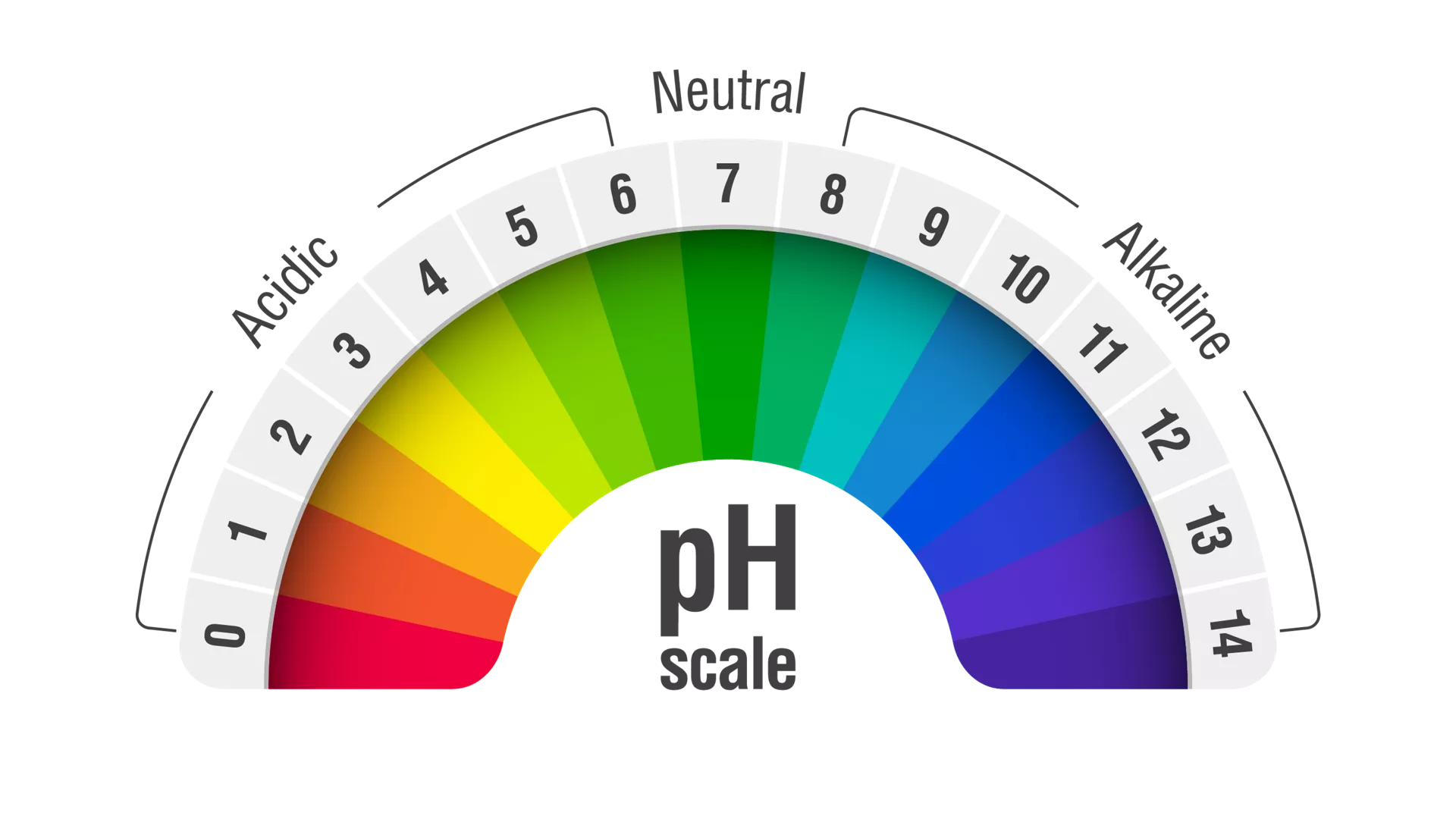
What is pH?
pH measures the acidity or alkalinity of a solution, which is determined by the concentration of hydrogen ions (H+) or hydroxyl ions (OH-) present. The most common method for inline pH measurement is potentiometric glass pH sensors. These sensors, sometimes called “pH probes”, work by producing an electrical voltage that is proportional to the hydrogen ion concentration in the fluid. Each pH sensor typically has three main components: a glass sensing electrode, a temperature element and a reference electrode.
If the hydrogen ion concentration of the fluid is:
Higher on the outside of the glass electrode than on the inside, a positive voltage occurs, indicating that the process is acidic.
Lower on the outside of the glass electrode than on the inside, a negative voltage occurs, indicating the process is basic.
The same on each side of the glass electrode, the voltage is zero, indicating the process is neutral.
The pH of the process fluid is then calculated by the transmitter using the voltage difference between the sensing electrode and the reference electrode.
pH Sensors for Every Need
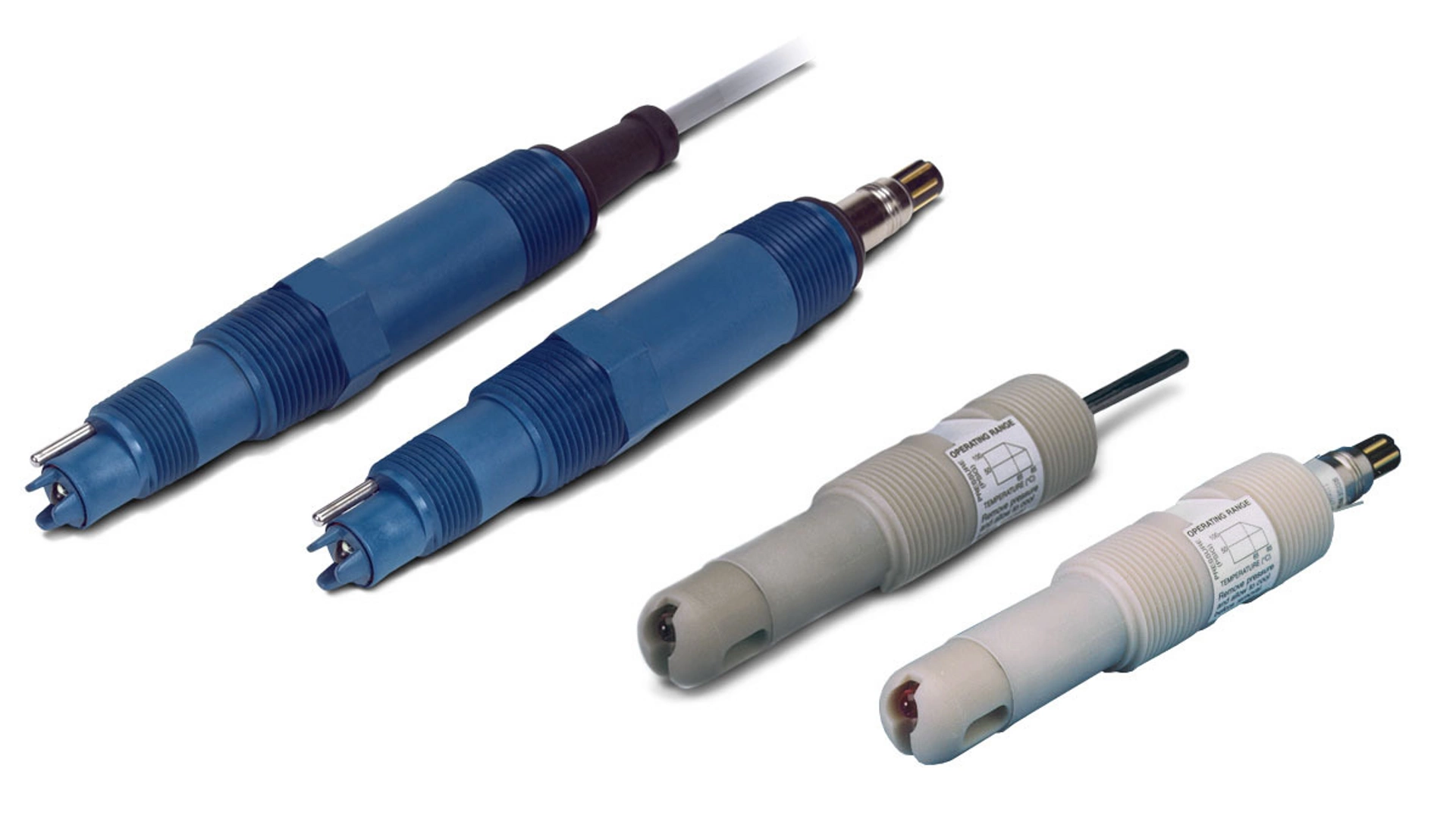
General Purpose
Ideal for most general applications where coating is not an issue, these general purpose pH sensors feature a double junction reference that aids sensor resistance to harsh environments and helps prolong sensor life. The double junction protects the reference element of the pH sensor from poisoning ions, such as ammonia, chlorine, cyanides and sulfides.
Rosemount 3900 General Purpose pH/ORP Sensor
Rosemount 3900VP General Purpose pH/ORP Sensor
Rosemount 389 General Purpose pH/ORP Sensor
Rosemount 389VP General Purpose pH/ORP Sensor
Application Type | Product Name | VP | Pipe Tee | Submersible | Retraction | Sanitary Flange | Max Temp (F/C) | Max Pressure (psi/kPa) | Body Materials |
|---|---|---|---|---|---|---|---|---|---|
General Purpose | Rosemount™ 3900 General Purpose pH/ORP Sensor | ✔ | ✔ | ✔ | 212 / 100 | 100 / 790 | Ryton® | ||
General Purpose | Rosemount™ 389 General Purpose pH/ORP Sensor | ✔ | ✔ | ✔ | 185 / 85 | 100 / 790 | Tefzel® | ||
Tough Processes | Rosemount™ 396/396P/396R pH Sensors | ✔ | ✔ | ✔ | ✔ | 212 / 100 | 150 / 1135 | SST, Titanium, Polypropylene | |
Tough Processes | Rosemount™ 398/398R pH/ORP Sensor | ✔ | ✔ | ✔ | ✔ | 212 / 100 | 250 / 1825 | Tefzel®, Titanium | |
Tough Processes | Rosemount™ 3300HT/3400HT/3500P High Performance pH Sensors | ✔ | ✔ | ✔ | ✔ | 311 / 155 | 400 / 2859 | Ryton®, Titanium | |
Special Processes | Rosemount™ 372 Hydrofluoric Acid (HF) Resistant pH Sensor | ✔ | ✔ | 212 / 100 | 135 / 1035 | Ultem®, Kynar® | |||
Special Processes | Rosemount™ RBI pH Sensor | ✔ | ✔ | ✔ | ✔ | 248 / 120 | 150 / 1035 | Kynar®, Titanium | |
Special Processes | Rosemount™ Hx338+ Steam Sterilizable & Autoclavable pH Sensor | ✔ | ✔ | 266 / 130 | 43 / 600 | Glass |
Benefits of Rosemount pH Sensors
No Initial Calibration
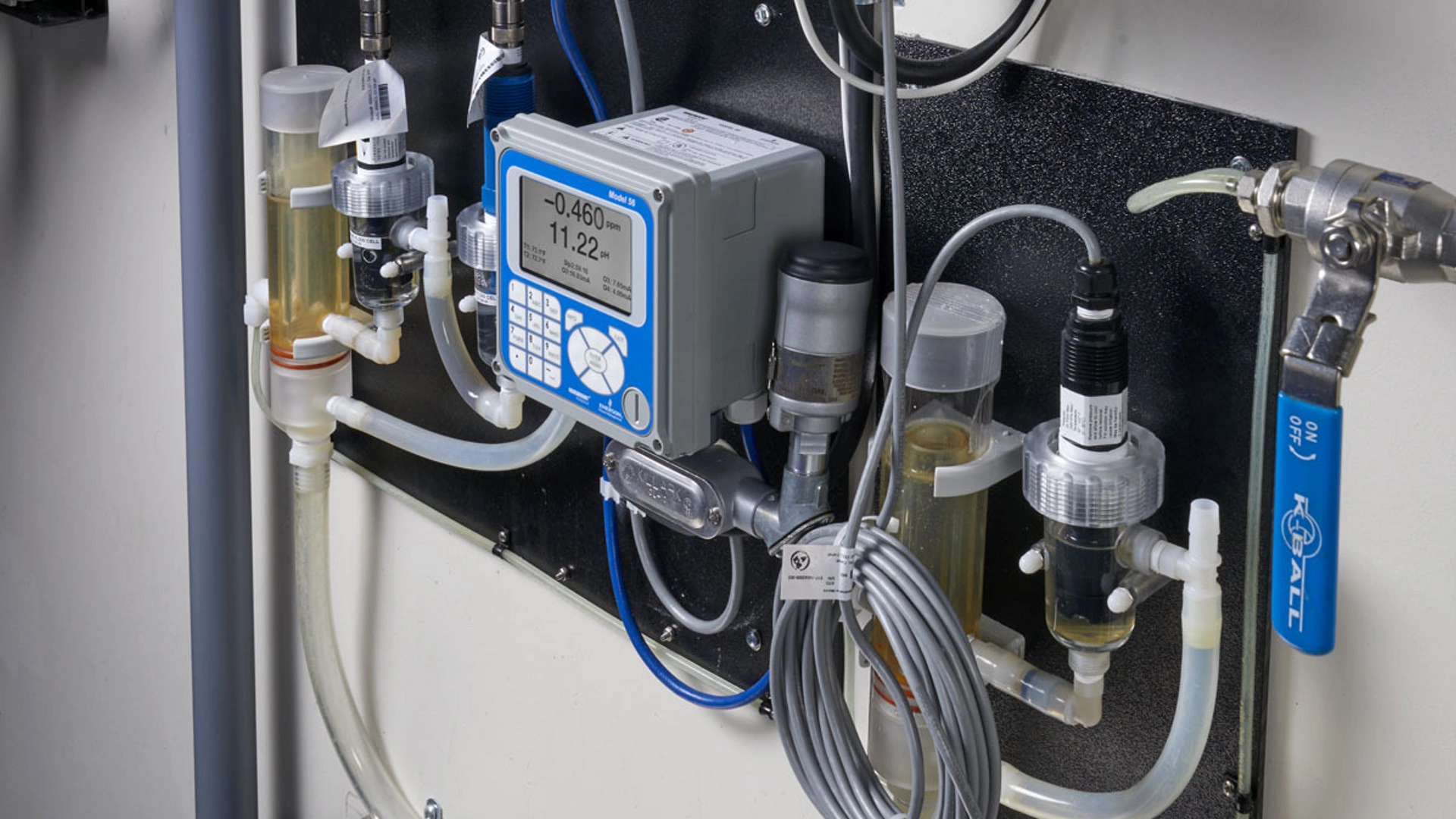
Rosemount pH sensors can help eliminate one of the biggest hassles of pH measurement – field calibration. Traditional calibration methods require taking buffers and rinse solutions from a lab to each pH sensor installation point. Rosemount pH sensors can be delivered with factory calibration embedded into the sensor’s memory, making set-up quick and easy. Simply connect the pH sensor to a Rosemount transmitter, and the latest settings can be automatically uploaded.
Data that can be stored in the pH sensor and transmitter include:
- Slope
- Reference Offset
- Glass Impedance
- Reference Impedance
- Time Stamp
- Sensor Serial Number
- Manufactured Date
When recalibration is needed, Rosemount pH sensors can be taken to the lab for recalibration in a safe, controlled environment. pH sensors can also be calibrated in advance and stored until needed. Once reinstalled in the process location and connected to the transmitter, the pH sensor’s diagnostic history is visible to help you troubleshoot any potential issues.
Videos
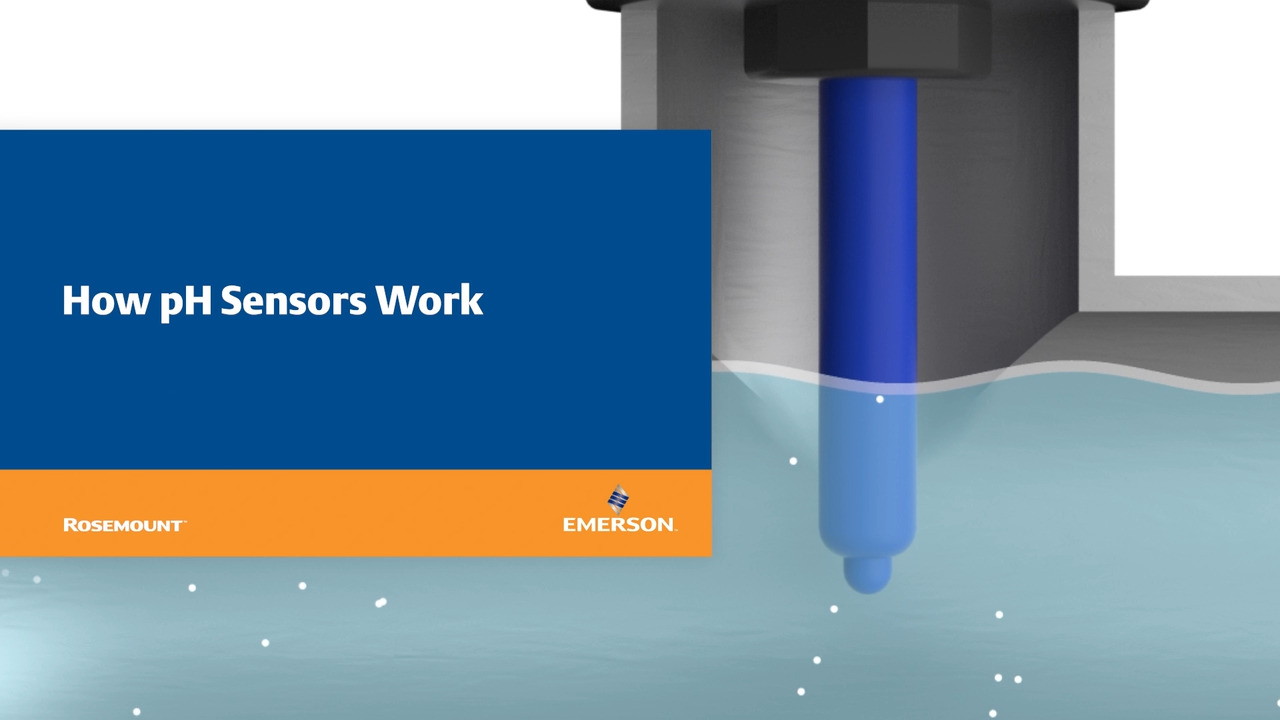
How pH SensorsWork
How pH SensorsWork
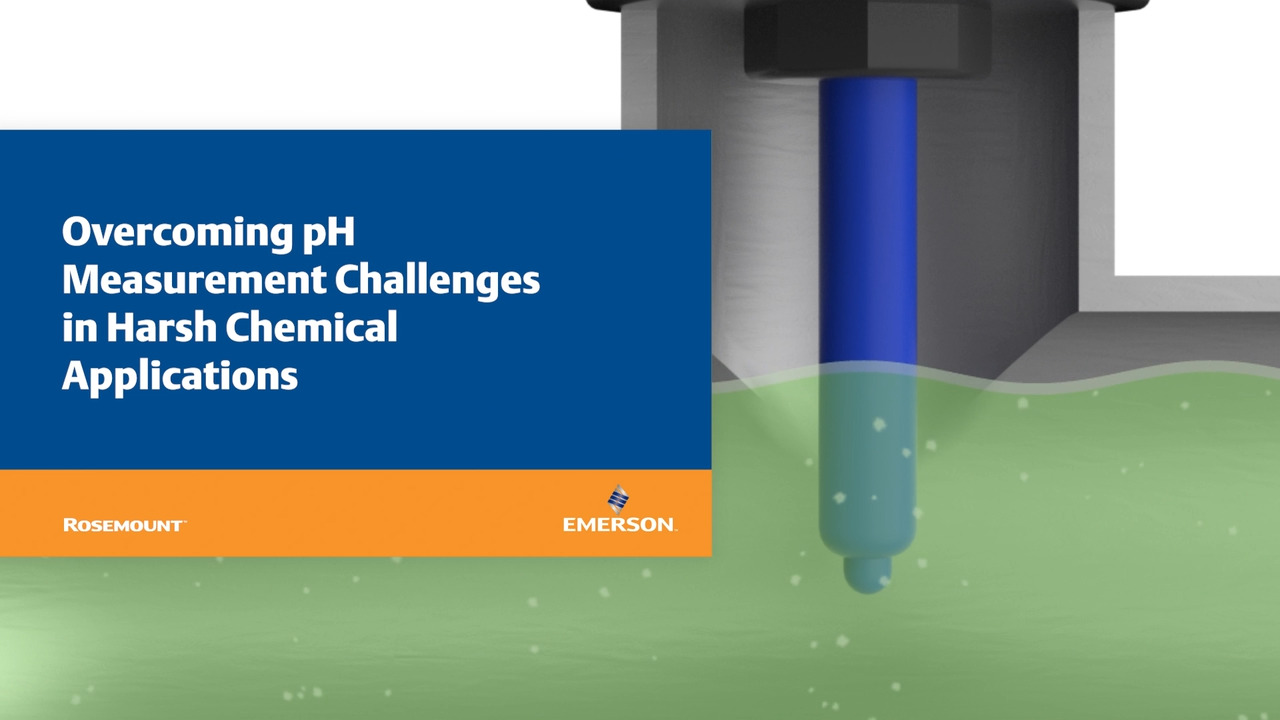
pH Measurement Challenges in Harsh Chemical Applications
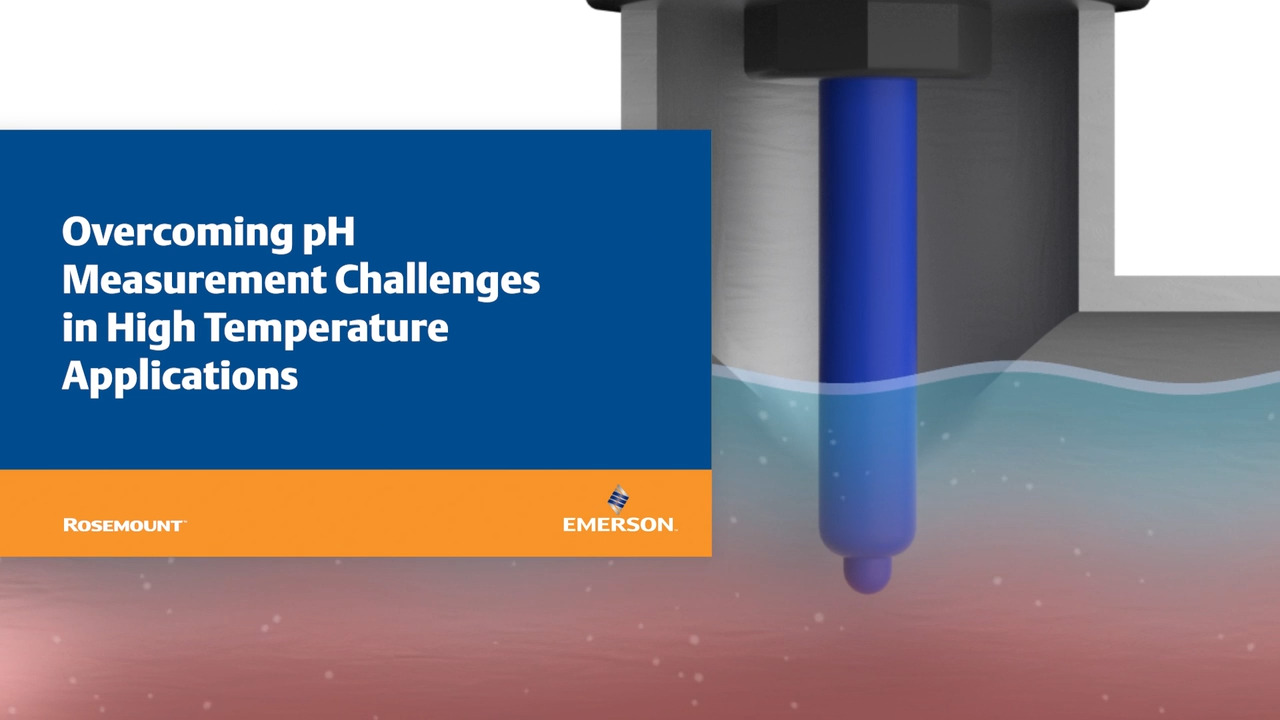
pH Measurement Challenges in High Temperature Applications
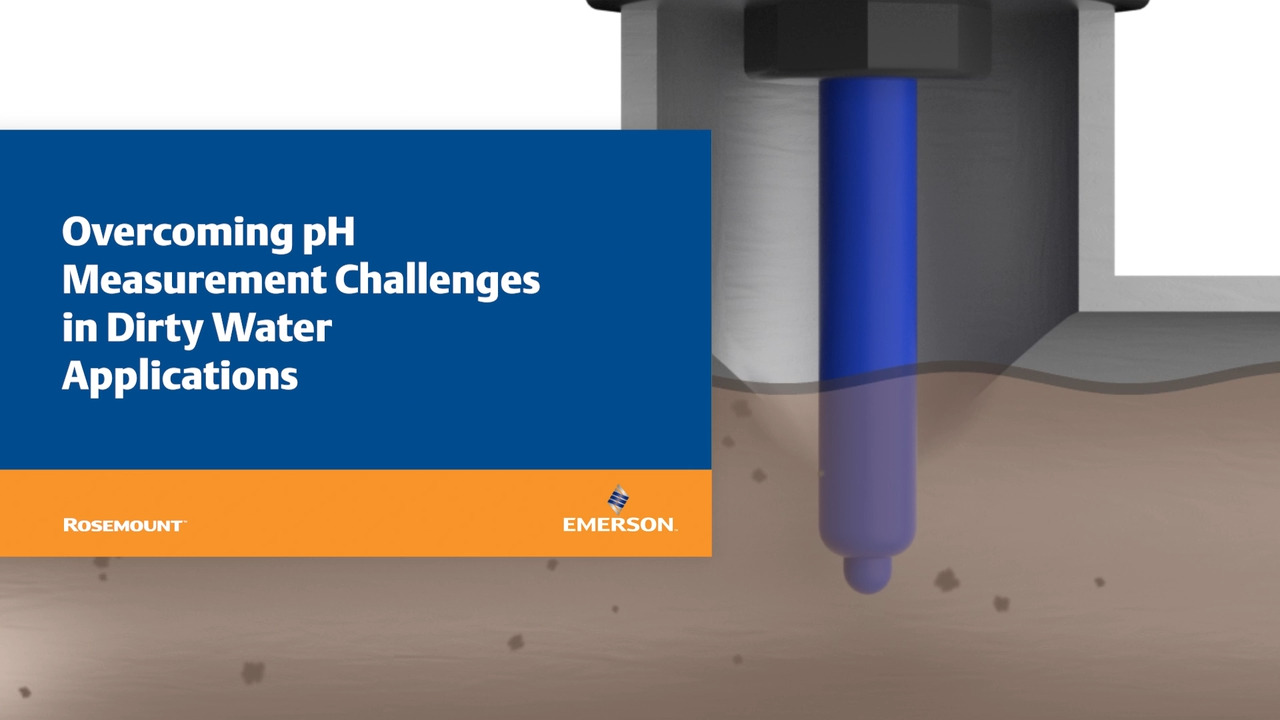
pH Measurement Challenges in Dirty Water Applications
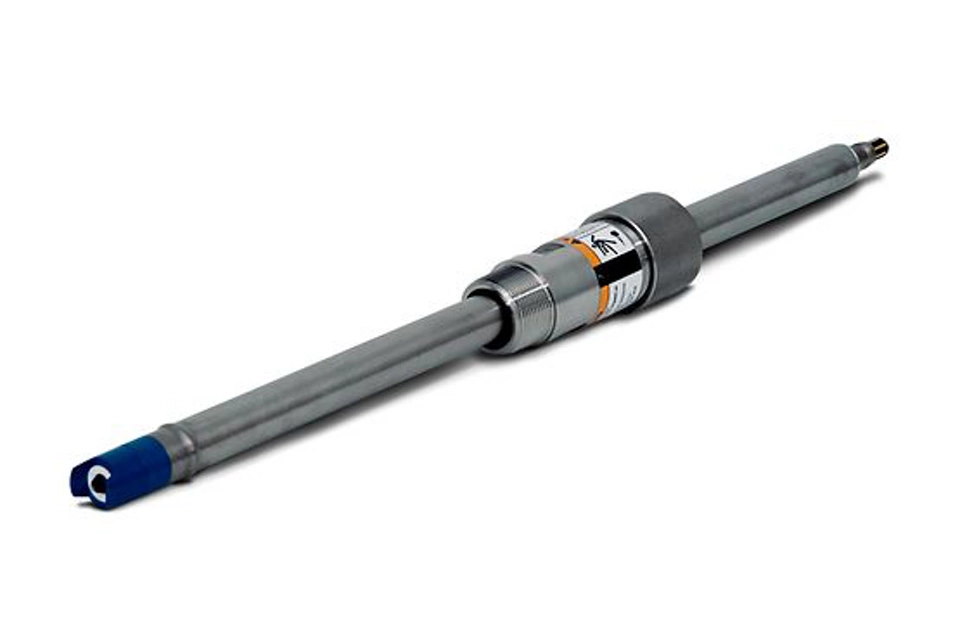
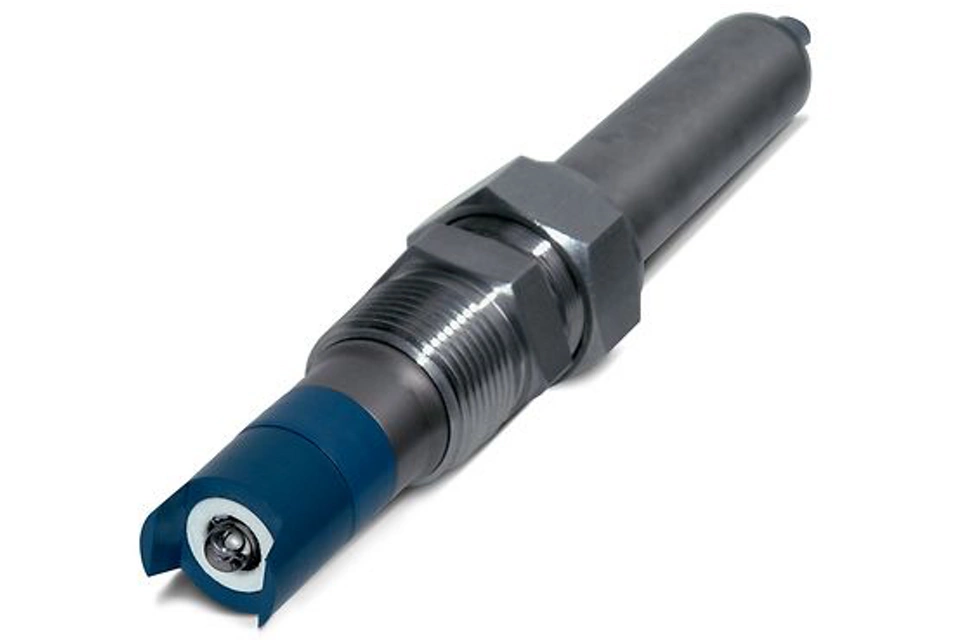
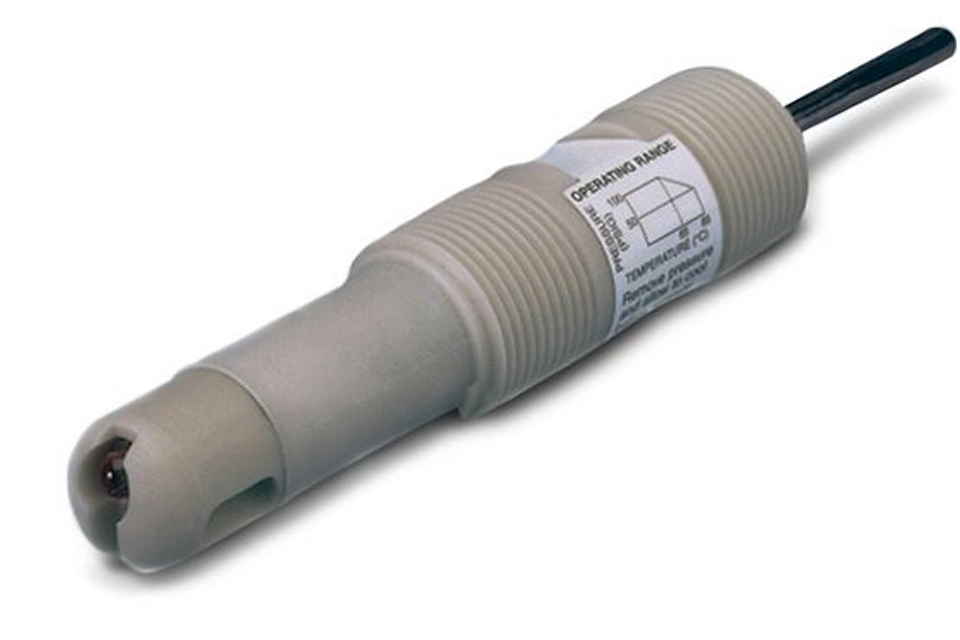
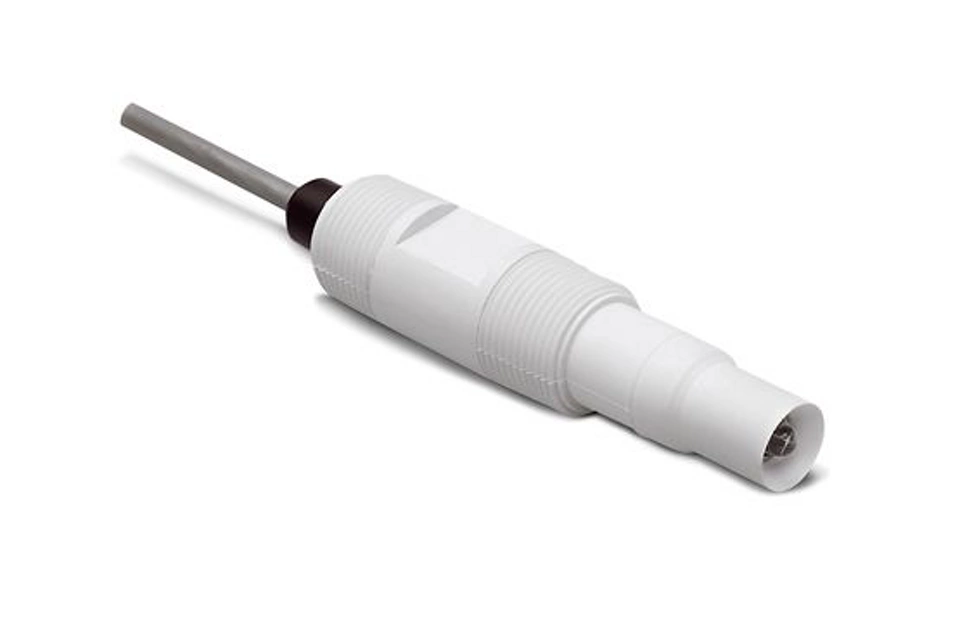
Most Popular pH Sensors
Frequently Asked Questions
Sometimes called pH probes, pH sensors are used to measure the concentration of hydrogen ions in a fluid to determine the acidity or alkalinity. The pH scale ranges from 0 - 14, with a pH measurement of 7 indicating a neutral solution. Any reading below pH 7 is acidic, and any reading above pH 7 is basic.
pH sensors feature a pH-sensitive electrode and a reference electrode consisting of metal wire suspended in a stable, neutral electrolyte solution. The reference electrode maintains a steady reference voltage and completes the electrical circuit with the pH-sensitive electrode by allowing a small number of ions to flow from the reference solution into the process solution through a small porous opening called a reference junction. The pH-sensitive electrode has a small bulb at its tip that is made of pH-sensitive glass. The electrical voltage across this bulb changes in response to the hydrogen ion concentration of the process fluid around it.
If the hydrogen ion concentration is higher on the outside of the glass bulb than on the inside, a positive voltage occurs, indicating that the process is acidic. If the hydrogen ion concentration is lower on the outside of the glass than on the inside, a negative voltage occurs, indicating the process is basic. If the hydrogen ion concentration is the same on either side of the glass electrode, the voltage is zero, indicating the process is at a neutral pH of 7.
A two-point buffer calibration is the best way to ensure that a pH sensor provides accurate measurements. During a two-point calibration, the transmitter calculates new values for slope and zero offset. To calibrate, immerse the pH sensor in the first buffer solution. Allow the pH sensor to adjust to the buffer temperature (to avoid errors due to temperature differences between the buffer solution and sensor temperature) and wait for readings to stabilize. Once the transmitter has acknowledged the first buffer, rinse the buffer solution off the sensor by pouring a small amount of the second buffer solution over the tip of the sensor. Then immerse the sensor in the second buffer solution and repeat the process. Once the transmitter has acknowledged both buffer solutions, a new pH sensor slope is established.
Temperature changes within a process fluid can affect the accuracy of pH readings. The pH level of a solution is inversely proportional to the temperature. When temperature increases within a solution, the pH level will decrease, making the solution more acidic. All Rosemount pH sensors include a temperature element to adjust for any temperature fluctuations.
Yes, many pH sensors can also measure oxidation-reduction potential (ORP), sometimes referred to as redox potential. While pH sensors measure the acidity or alkalinity of a solution based on the activity of hydrogen ions, ORP sensors measure the redox potential of a solution based on the activity of oxiders and reducers in the solution.
Emerson pH sensors are used across an array of industries. For example, oil and gas industries use pH measurements for crude distillate refining, tail gas clean-up and sour water stripping. Chemical industries rely on pH measurement for the chlor-alkali process, sulfuric acid production and more. Wastewater industries use pH for desalination and water purification. For more examples and in-depth applications, please see the pH Sensor Applications below.
Most pH sensors are disposable, but some can be rebuilt and reused, such as the Rosemount 3300/3400/3500 pH Sensors. With these pH sensors, the reference electrolyte and reference junction can be replaced, and the sensor can be reused after. Some processes can coat the pH glass. In these situations, retractable probes can allow for easy cleaning and recalibration of the sensor before reinsertion.
Every application is different, each with its own unique needs and challenges. Emerson offers pH sensors that work across various industries like chemical, oil and gas, wastewater and more. If you require a pH sensor for use in high temperatures, dirty process fluids, harsh chemicals, or other unique applications, we have a pH sensor solution.
A pH sensor is connected via cable to a liquid analysis transmitter, sometimes called a liquid analyzer. The transmitter receives raw voltage signals from the pH sensor then converts the raw signals to display the pH readings.
The lifespan of a pH sensor varies based on its application. In general purpose applications like purifying water, a pH sensor can last up to two years. In high temperatures or harsh chemical applications, a pH sensor may only last for up to six months.
Product Applications
Chemical
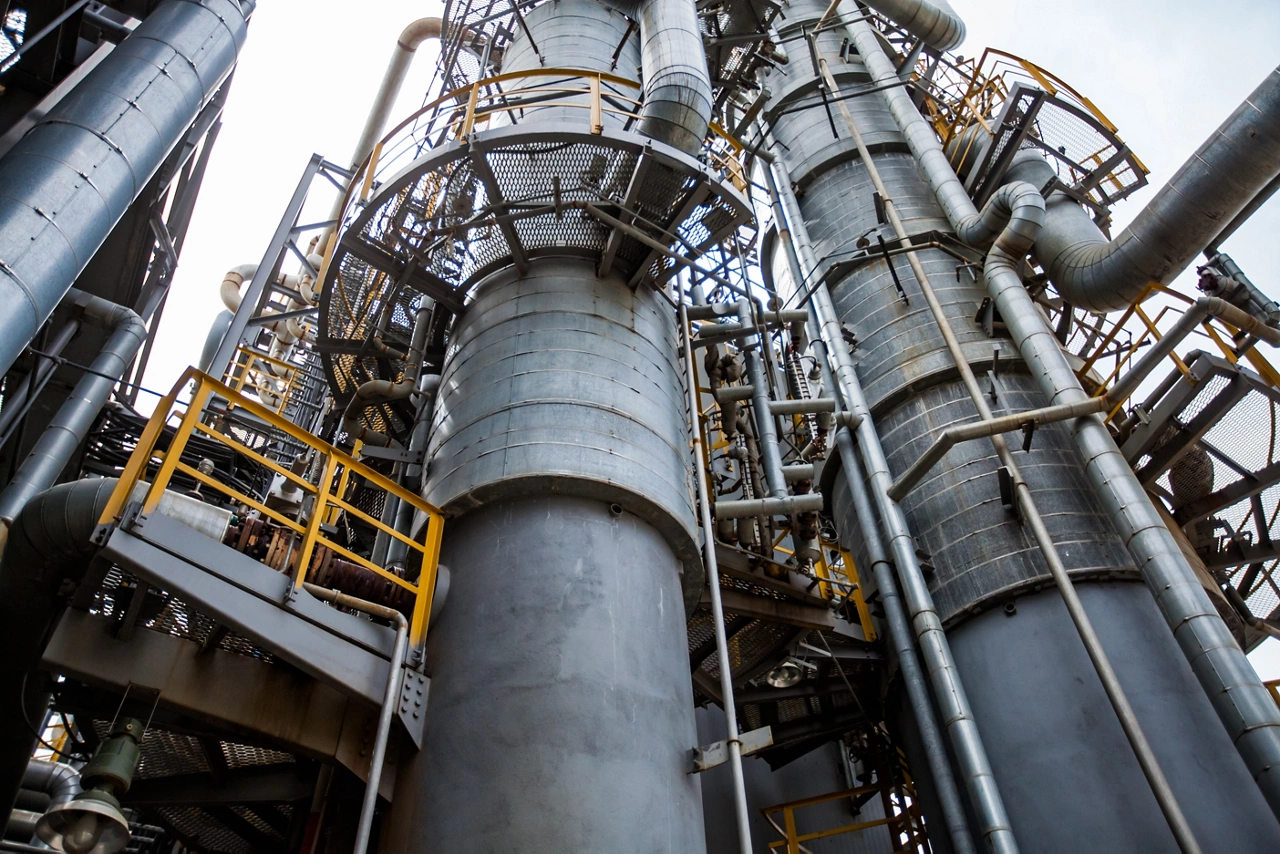
Non-Intrusive Temperature Measurement in Distillation Columns
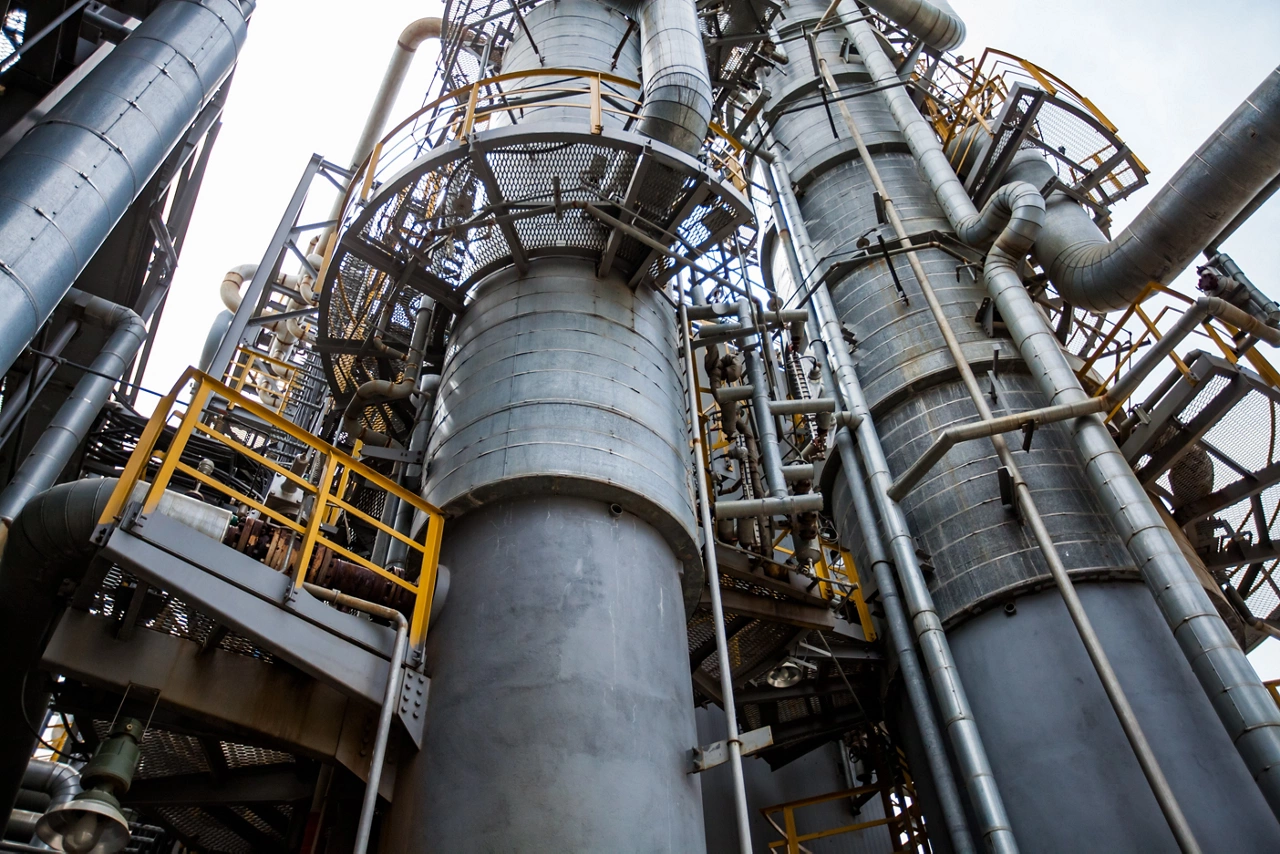
Temperature Measurement in Distillation Columns
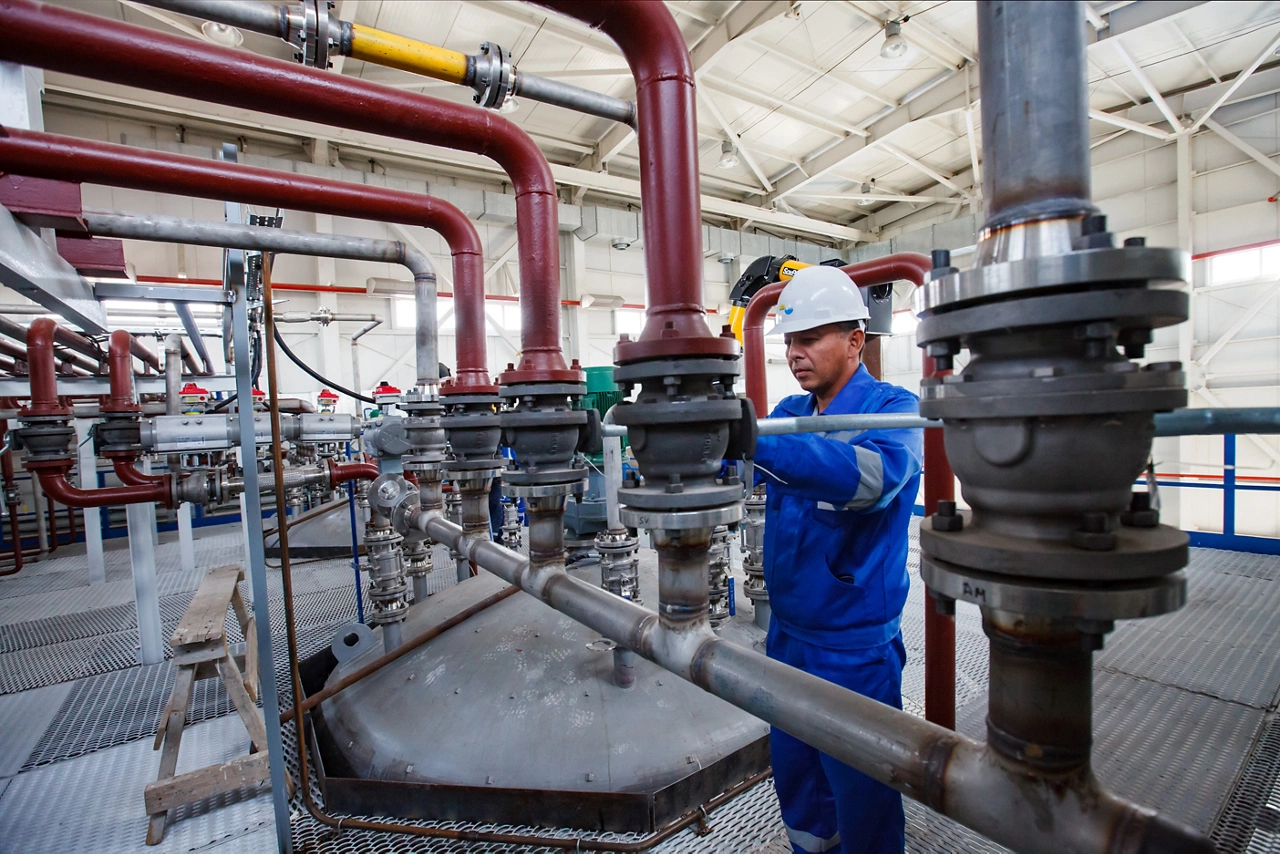
Non-Intrusive Temperature Measurement in Reactors
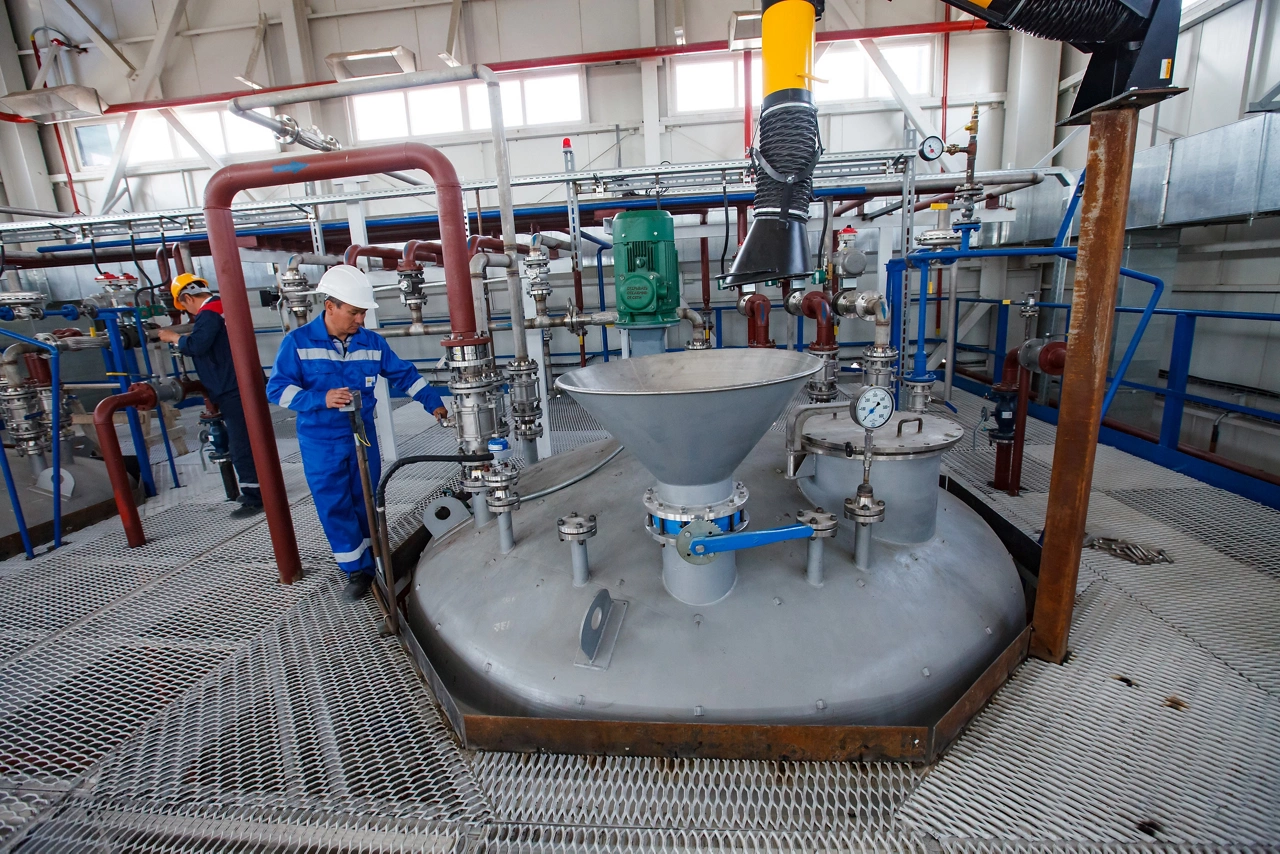
Temperature Measurement in Reactors
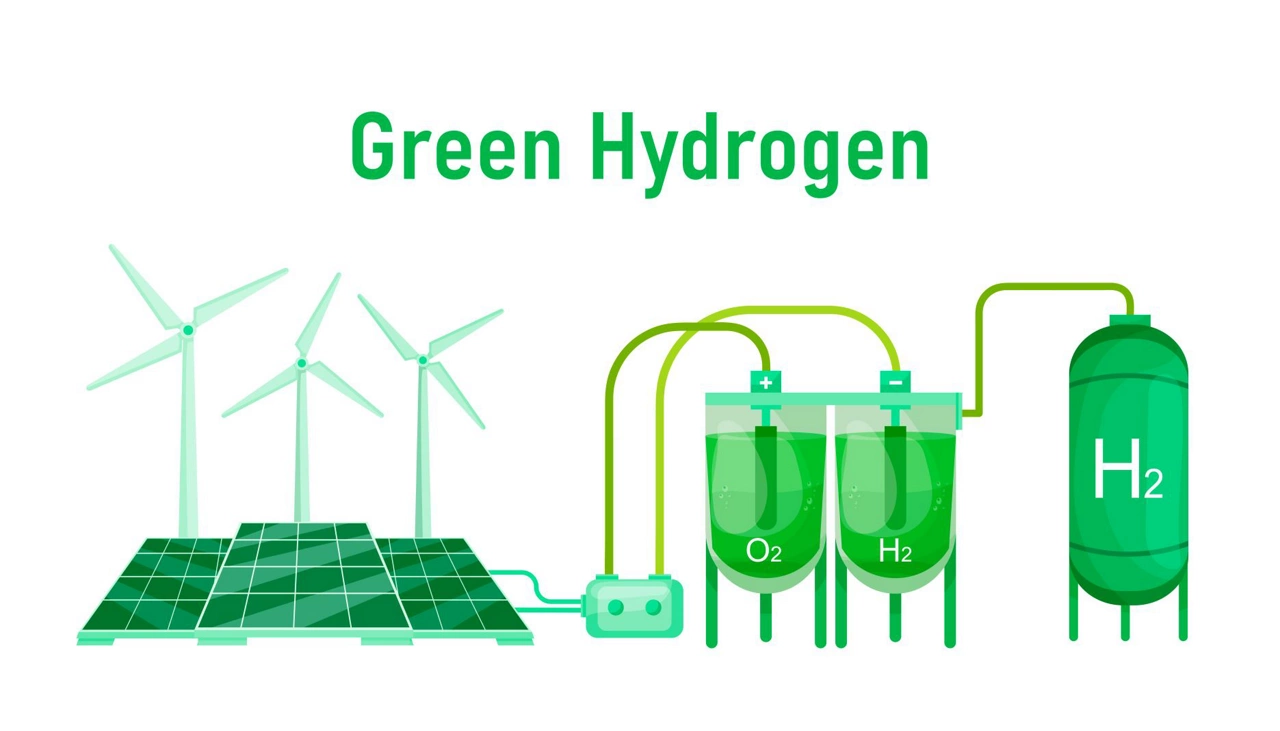
Improved Deionized Water Measurement for Hydrogen Electrolyzer Control

Measurement Solutions for Hot Process Industries
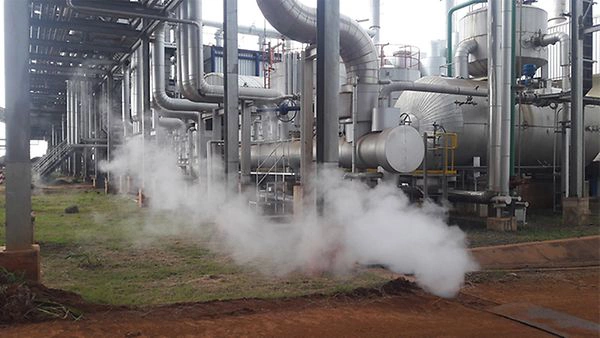
Corrosion Monitoring Technologies for Boilers and Steam Drums

Conductivity Measurement of Chemical Concentration Control

Storage Tank Corrosion Monitoring in Ethylene Plants

Corrosion Monitoring on Amine Strippers for Improved Production Reliability
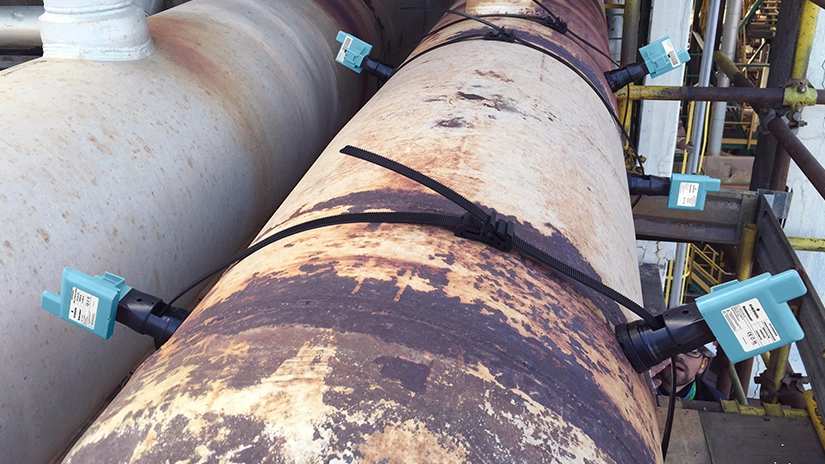
Corrosion Monitoring Technologies for De-Ethanizer Towers
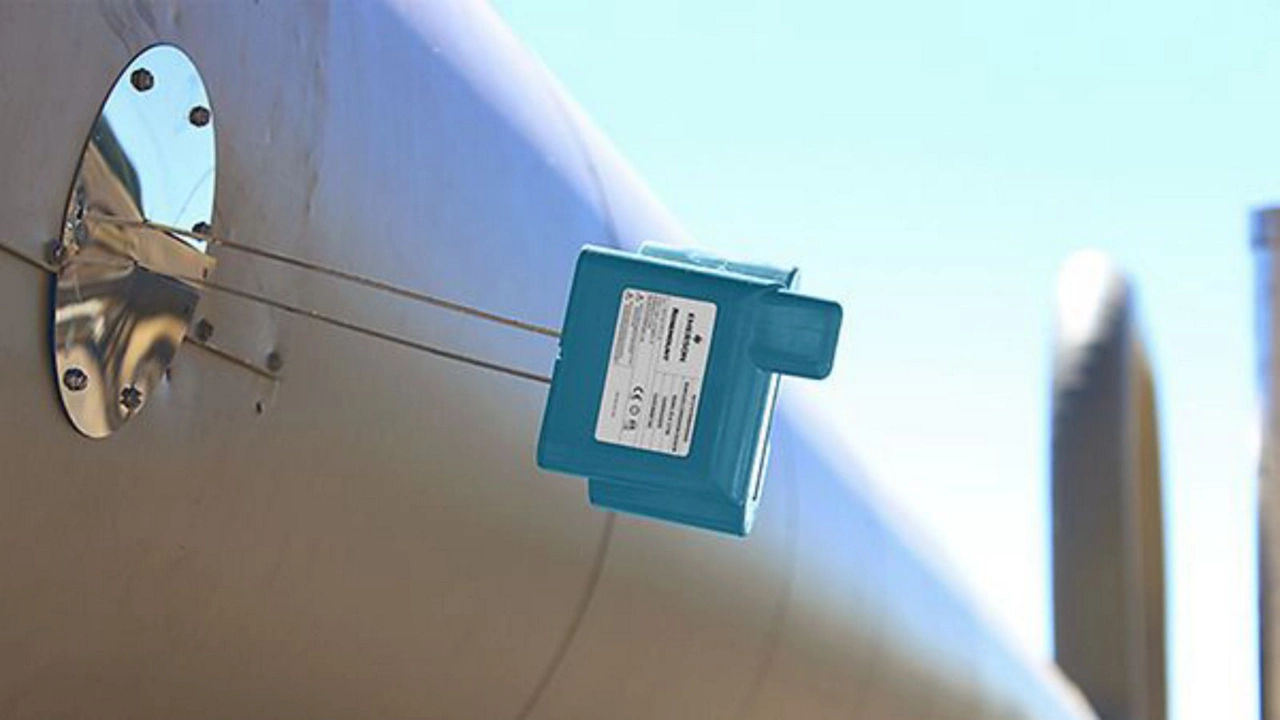
Corrosion Monitoring Technologies for Cracked Gas Compressors

Safety Certified Flow Measurement in Delayed Cokers
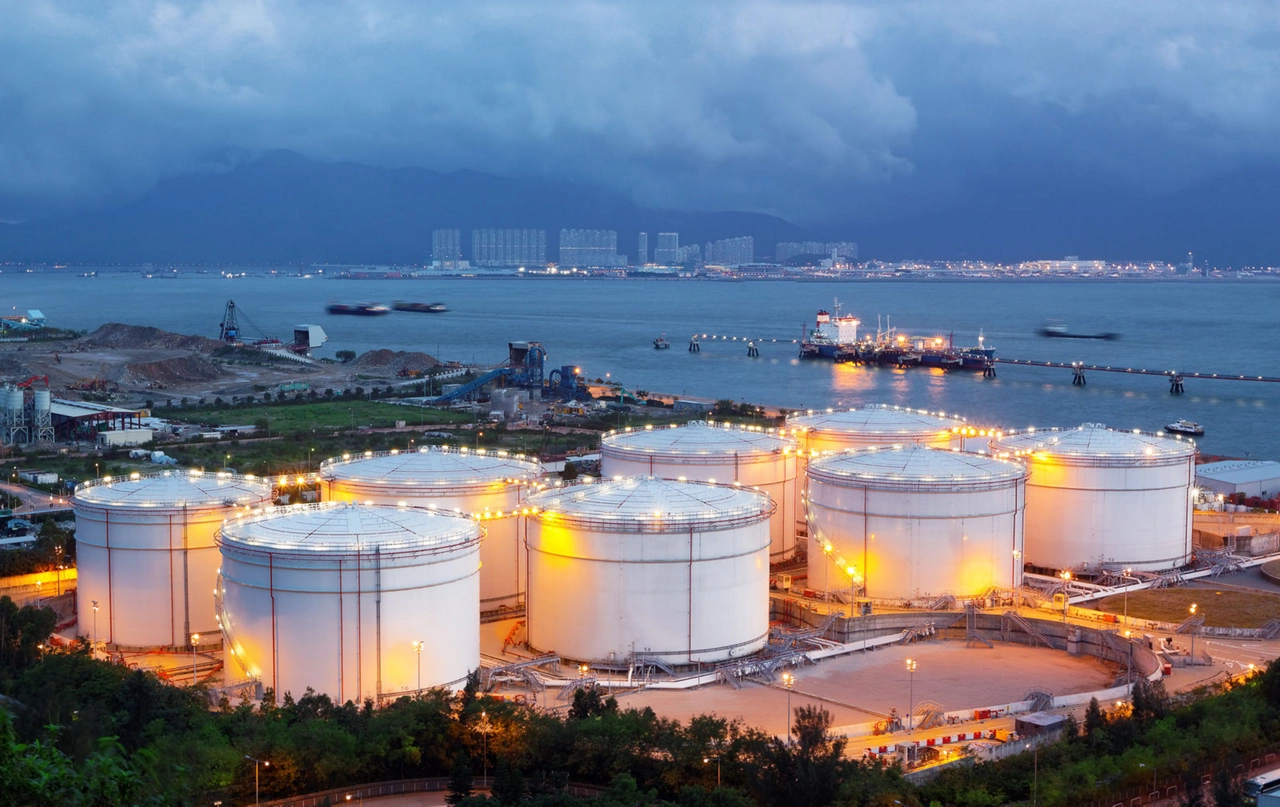
Differential Pressure Level Measurement in Storage Tank Applications
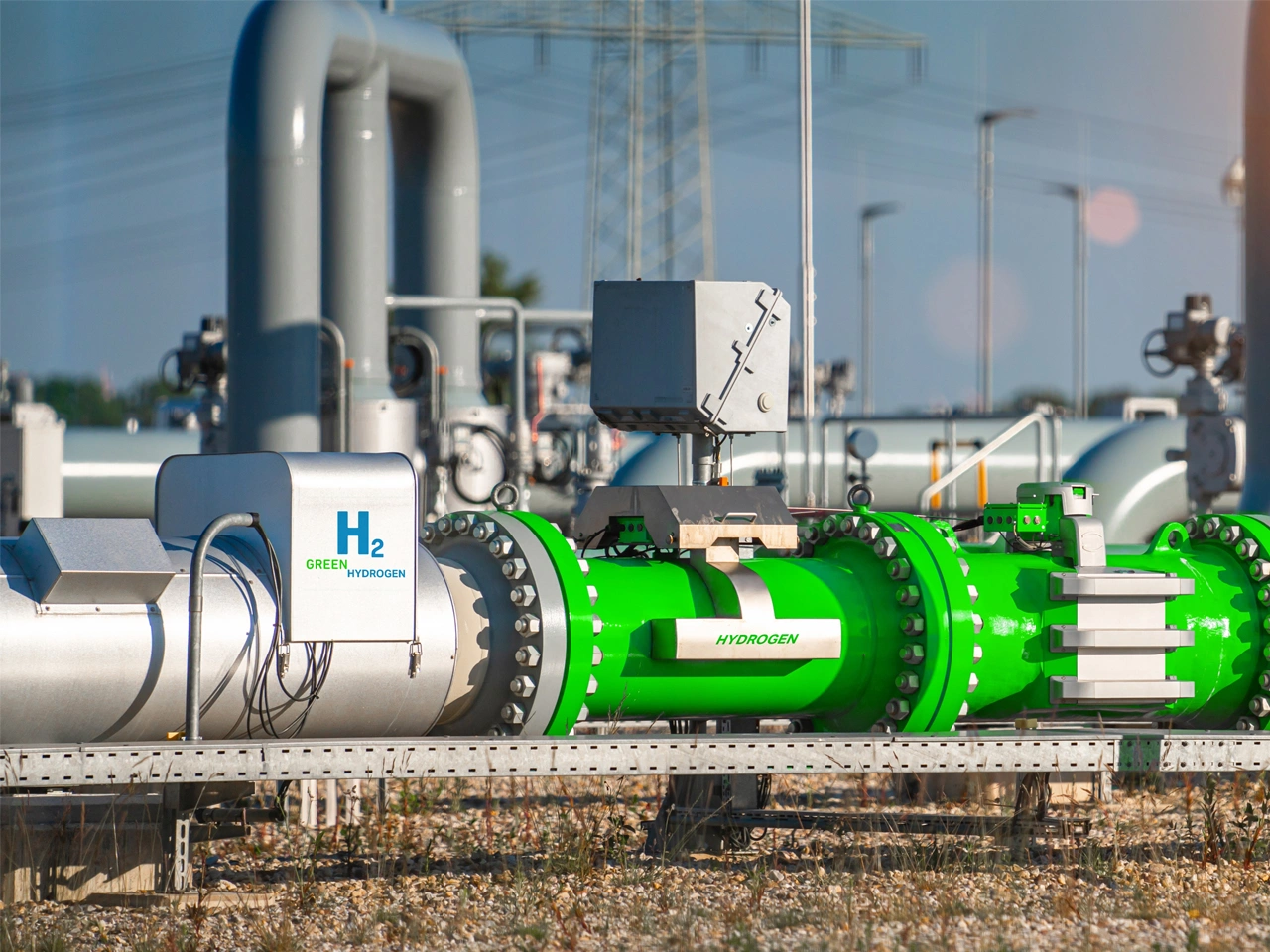
Green Hydrogen Custody Transfer Flow Measurement

Gas & Flame Detection in Chemical Production

Flow Measurement in Safety Instrumented Systems (SIS) for Chemical Applications

Conductivity Measurement in Green Hydrogen Production
Conductivity Measurement in Chemical Separators
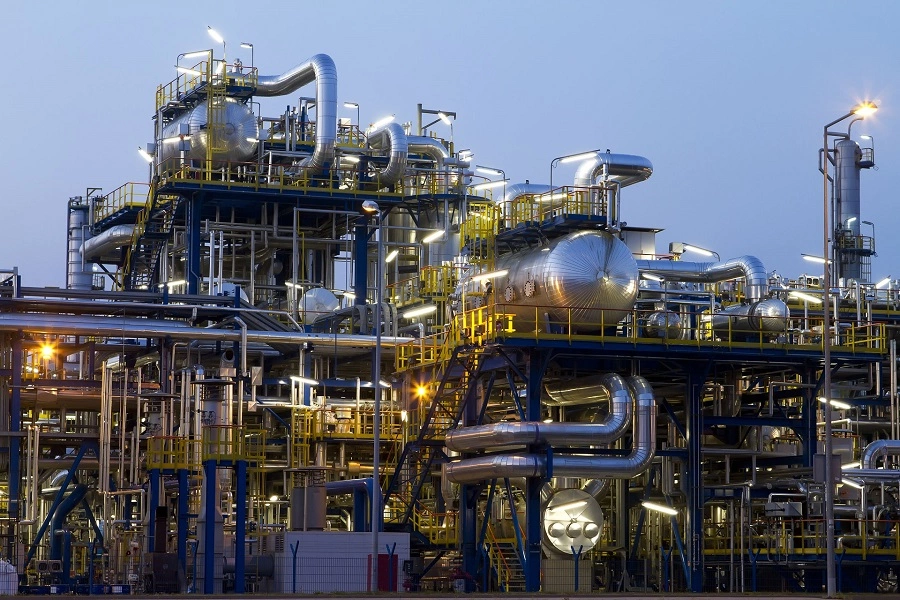
Conductivity Measurement in Sulfuric Acid Manufacturing
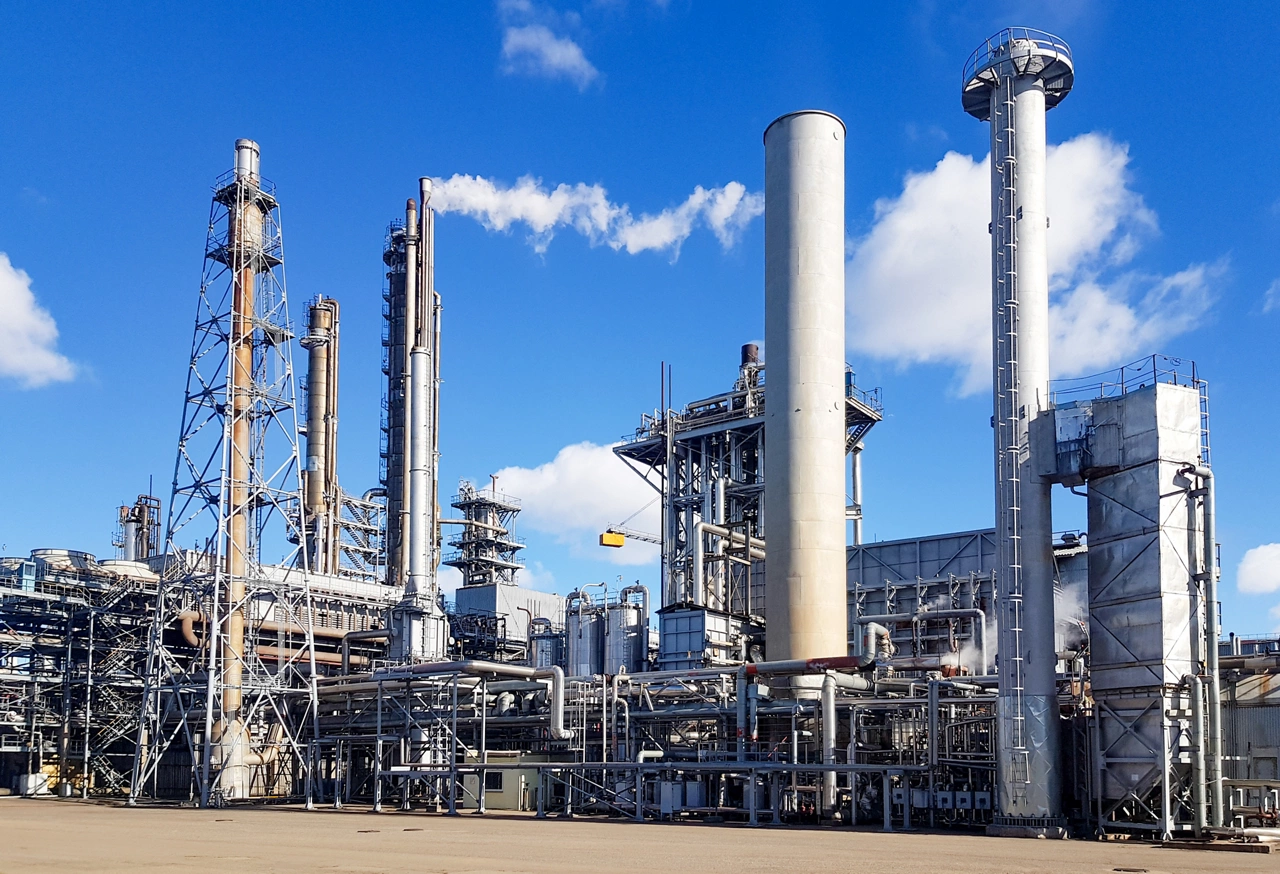
Temperature Monitoring in Fertilizer Plant Distribution Lines
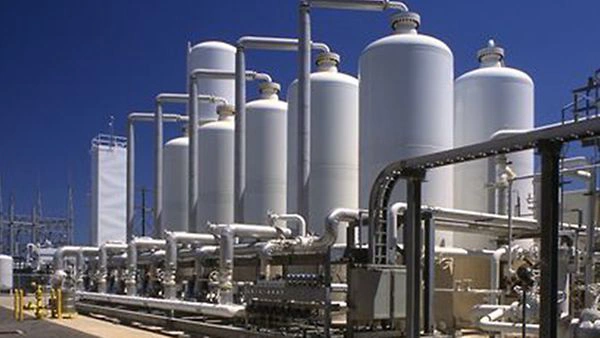
Differential Pressure (DP) Level measurement for liquid hydrogen storage tanks

Green Hydrogen Production Temperature Measurement
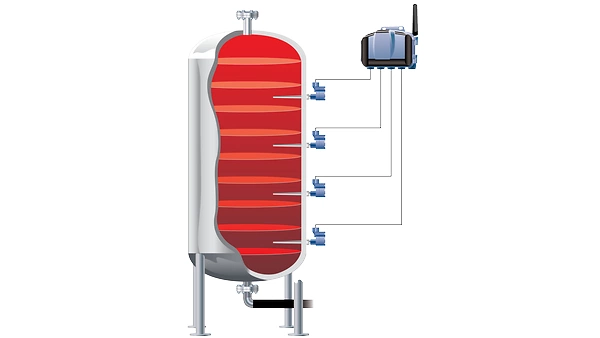
Temperature Profiling of Reactors

Temperature Measurement in Heat Exchangers
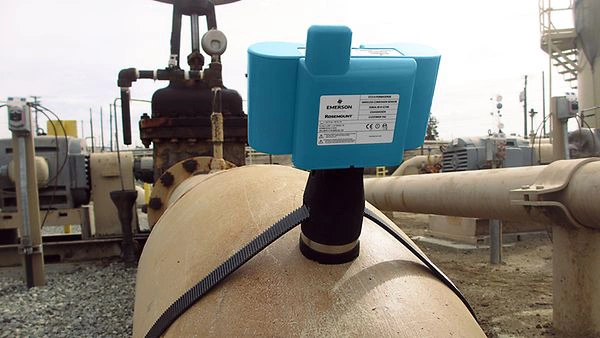
Corrosion Monitoring on Transfer Line Exchangers in Ethylene Plants
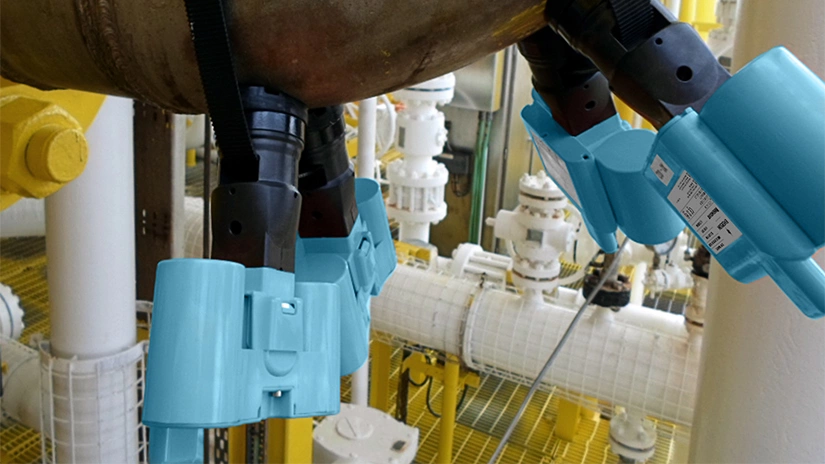
Corrosion Monitoring in Ethylene Plant Utility Systems
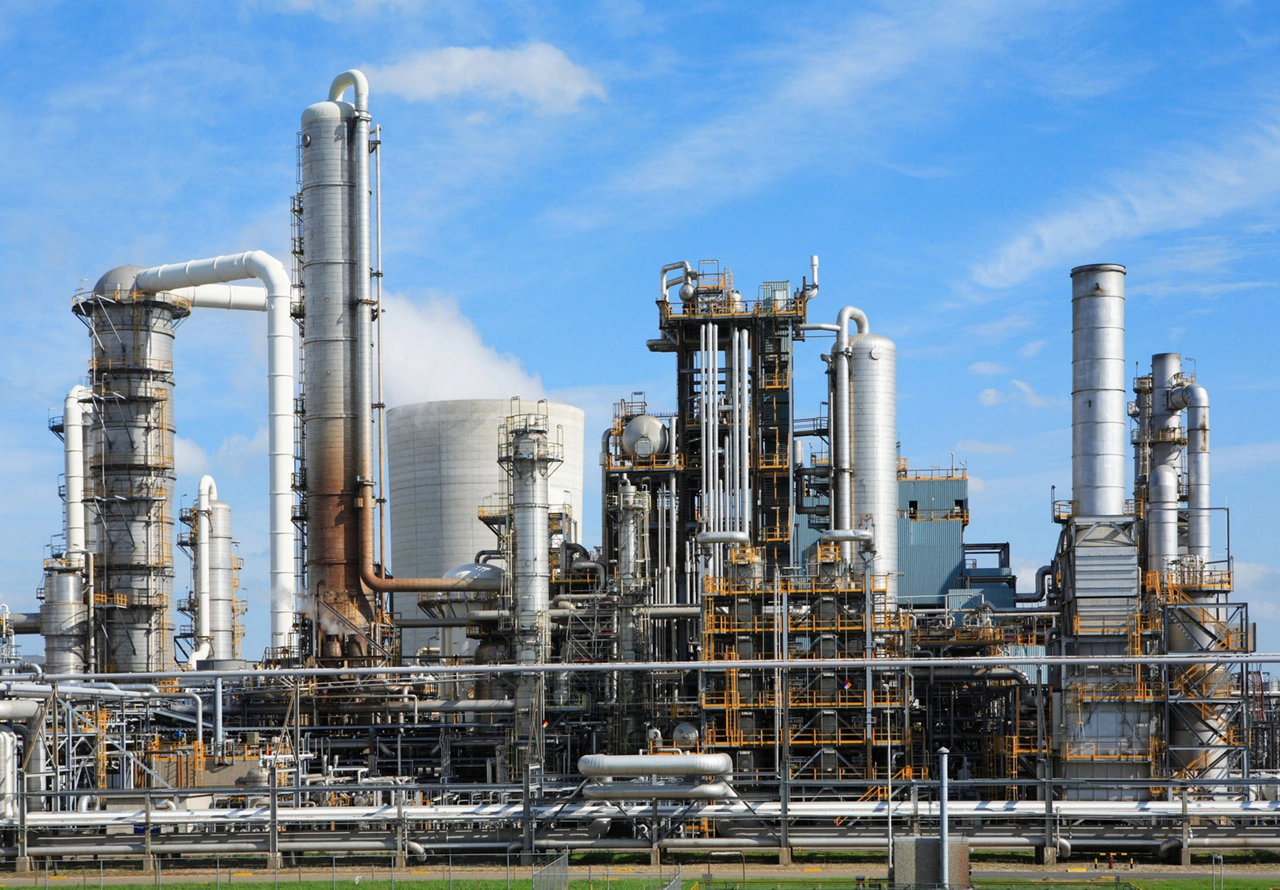
pH Measurement & ORP Measurement in Wet Gas Scrubbers

Relay Switches in Chemical Pump Control
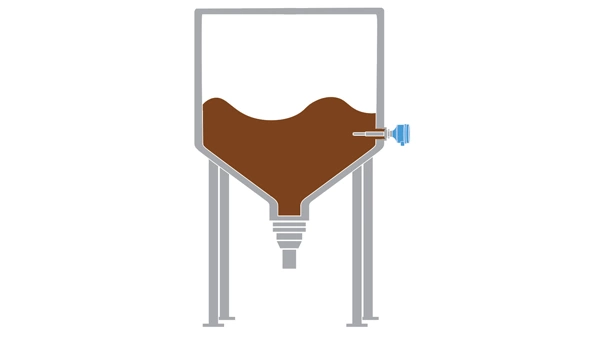
Level Measurement for Fertilizer Filled Dosing Tanks

pH Measurement in Chlor-alkali Plants
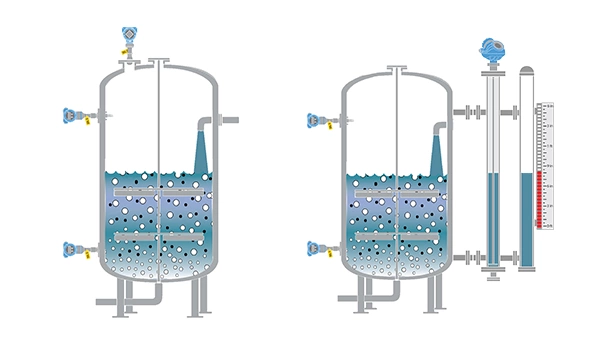
Control Lithium-ion Battery Anode, Cathode and Electrolyte Reactor / Mixing Tank Level
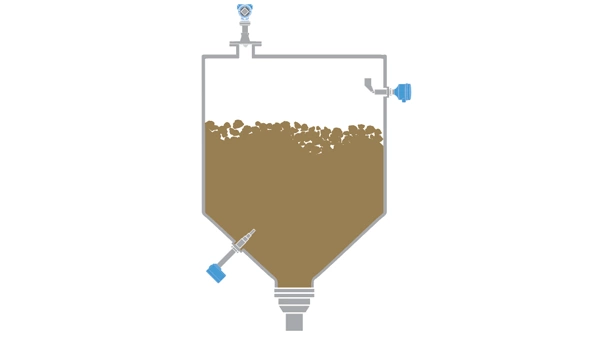
Level Measurement for Trona Ore Storage in Soda Ash Production Plants
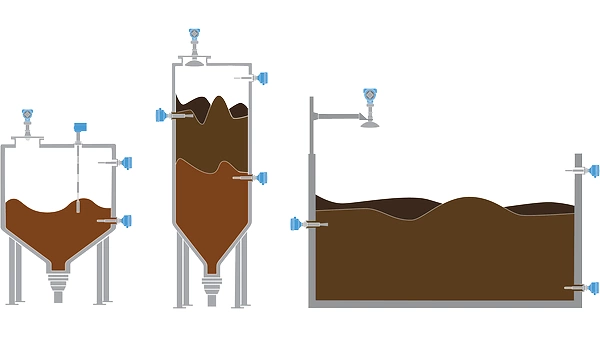
Solids Level Measurement in Wet Sand Bunker
Flow measurement of ethylene
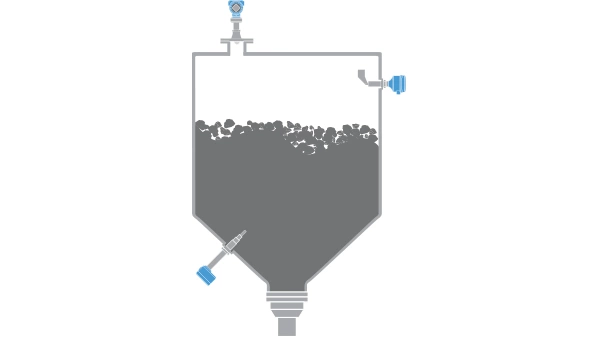
Level Measurement for Coke Storage in Soda Ash Production Plants

Inventory Control and Level Measurement in Paint Production
-1?fmt=webp-alpha&qlt=95 "Inventory Control in Lubricant Production, Blending and Storage")
Inventory Control in Lubricant Production, Blending and Storage

Flow Measurement in Saturated Steam Application for Custody Transfer

Differential Pressure Level Measurement in Highly Corrosive & Vacuum Applications
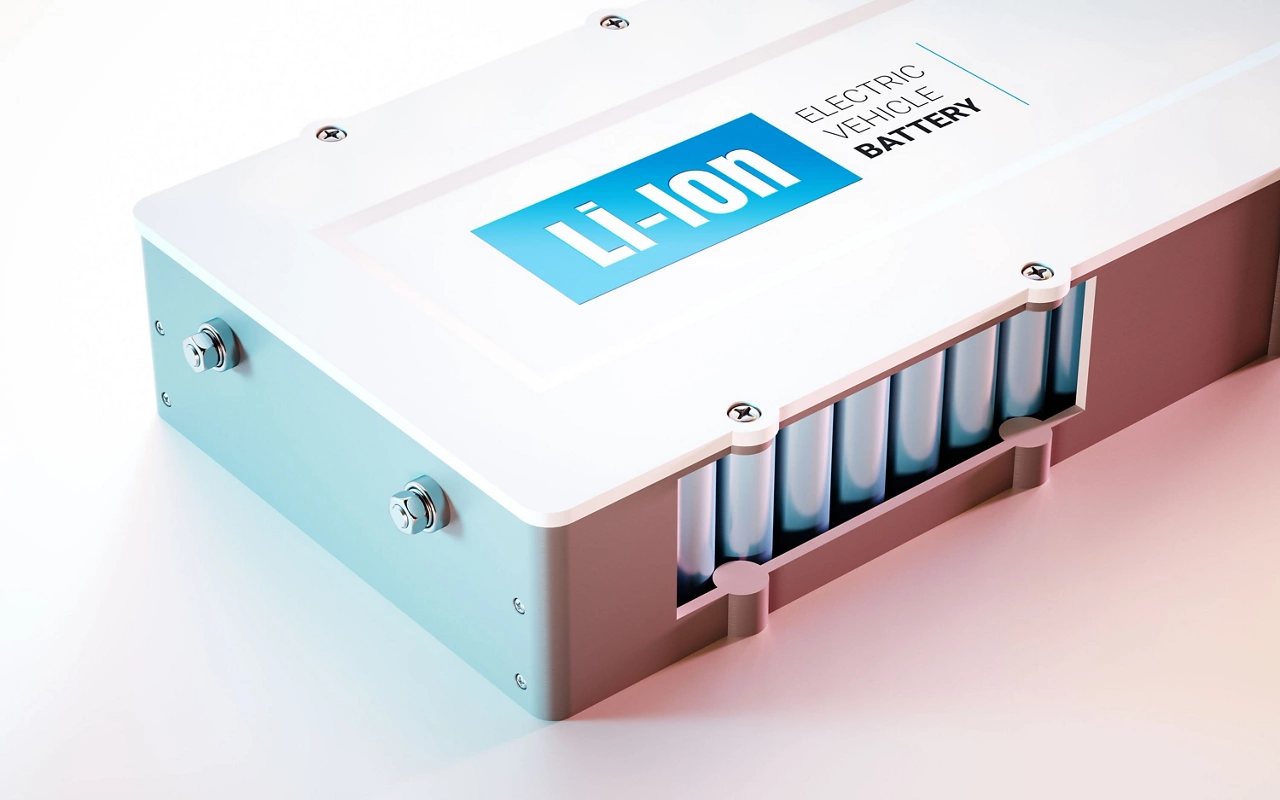
Improve Lithium-ion Battery Cathode Precursor pH Measurement