
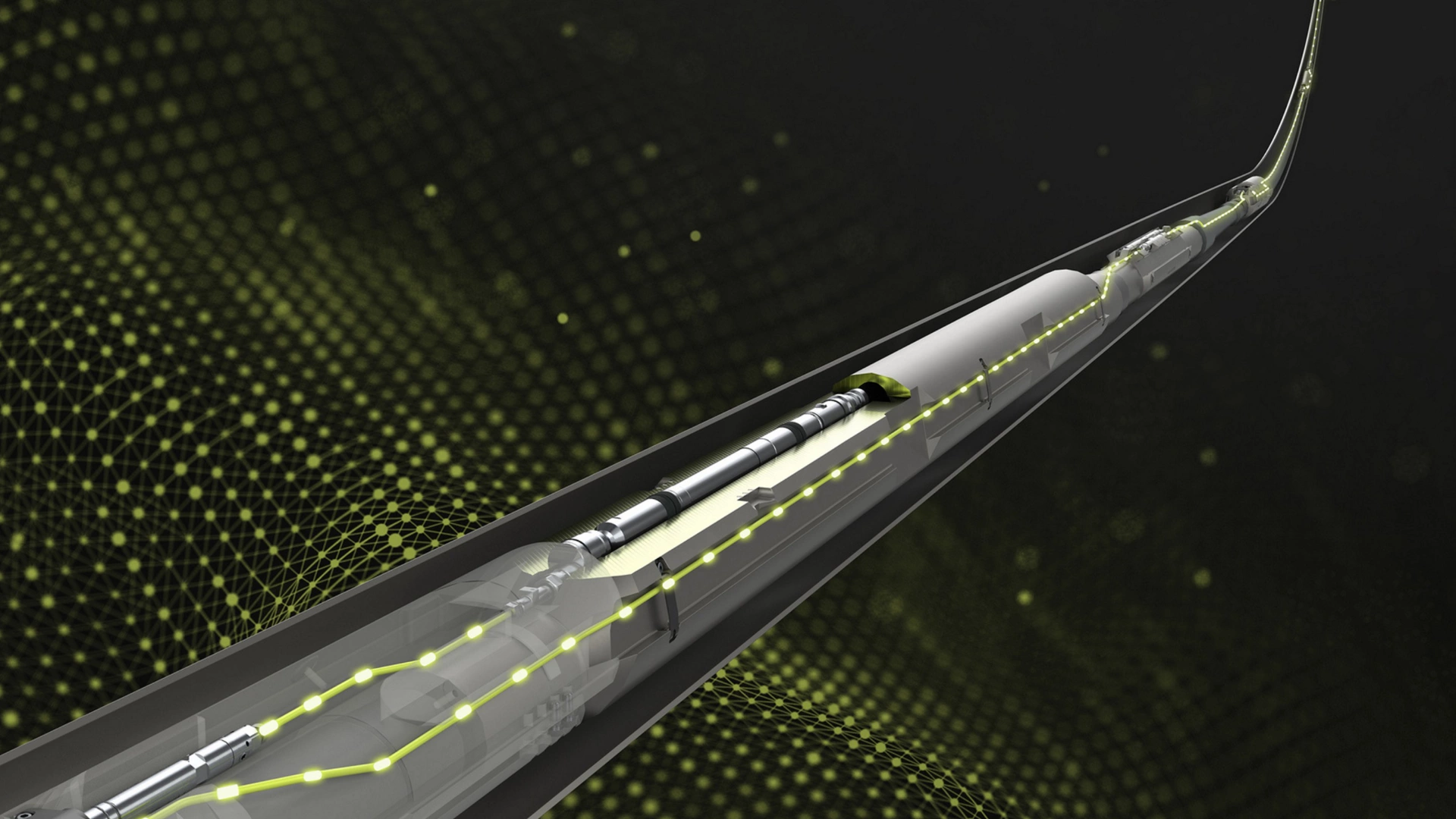
Benefit From Enhanced Control with the Adaptive Gas Lift System
The Adaptive Gas Lift System (AGLS) is the world’s first retrievable electric gas lift system, designed to help operators accelerate and maximize oil production. It enables operators to remotely control and adjust choke opening of the gas lift valves, without the need for costly well interventions. Built on field-proven downhole technologies from Emerson and Interwell, it delivers a robust and reliable solution for enhanced production performance.
Key Benefits
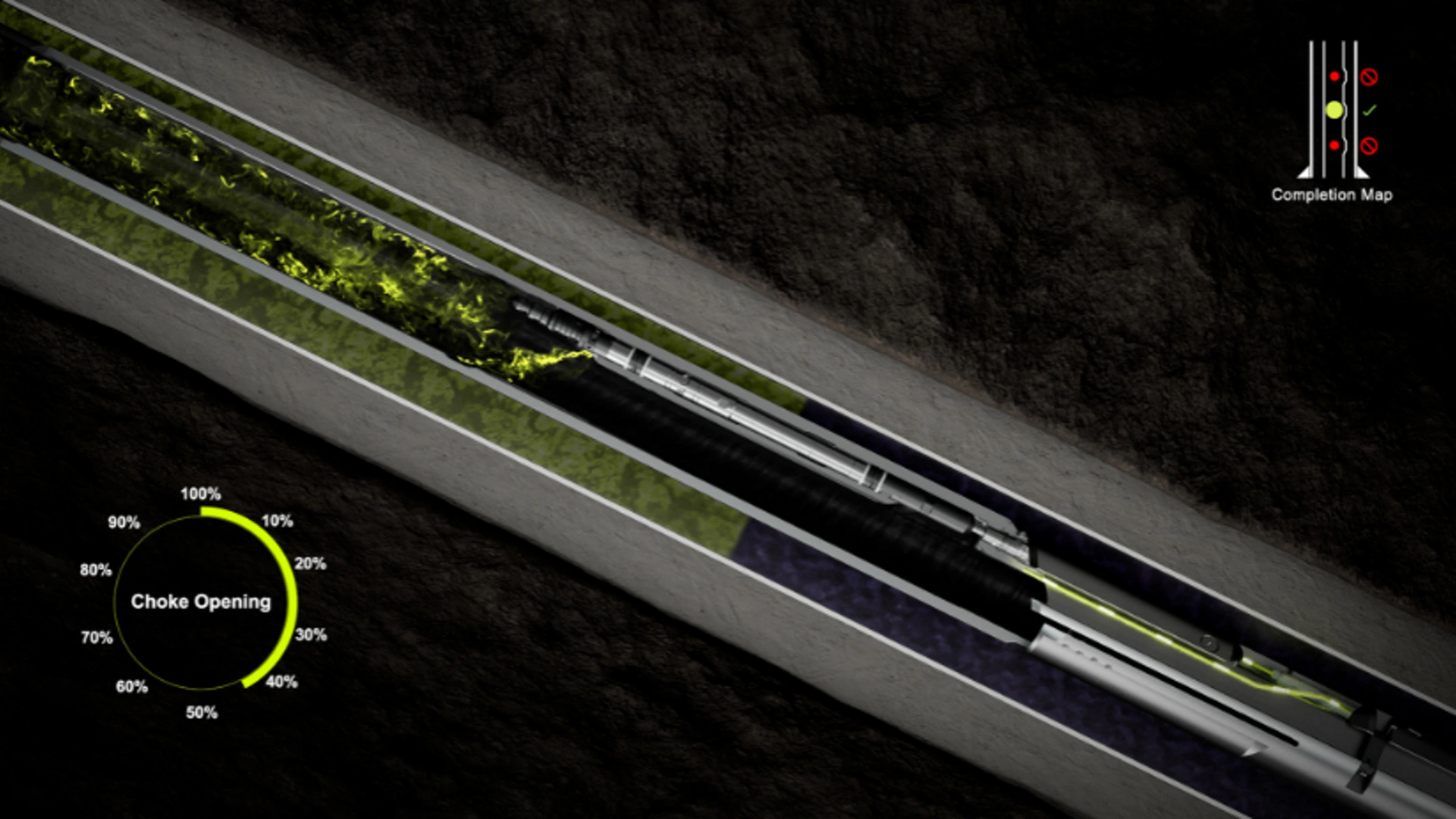
Gas lift is a widely adopted artificial lift method. The Advanced Gas Lift System provides enhanced control, without the need for manual intervention. With a unique, low power electrically actuated gas lift valve, operators can remotely optimize choke openings and in turn optimize gas injection rates and depths easily and effectively.
Product Highlights

Adjustable Port Size
Adapts to changing well conditions for optimal injection

Fully Electric Adjustable Choke
Enables remote and precise adjustments to changing well conditions
Deeper Injection Capability
Closes valves without reducing casing pressure

Real Time In-Situ Optimization
In-situ adjustment of gas lift rate for maximum efficiency

Retrievable Design
Easy replacement of valve, also to conventional valve, as an extra safety precaution
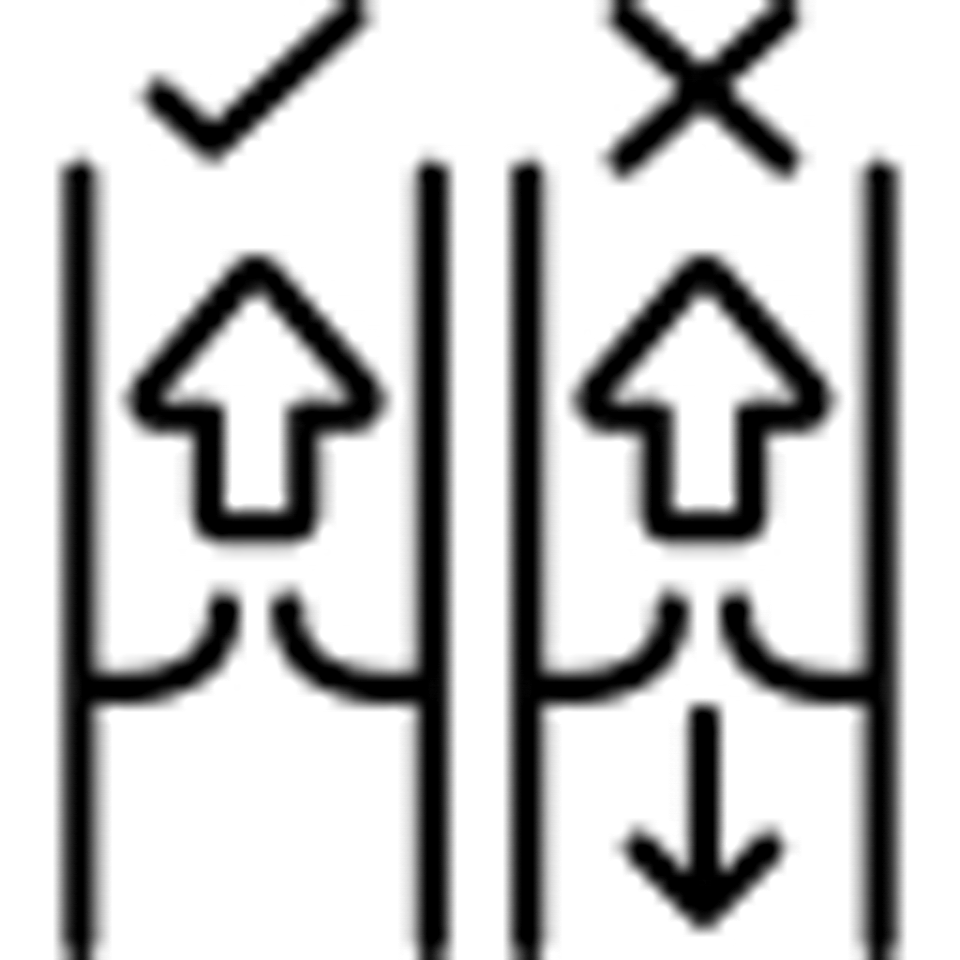
Circulation Valve Functionality
Can act as a circulation valve to optimize production

Elimination of Multipointing Risk
Enhances system stability and performance

Avoidance of Chattering
Protects barrier integrity by avoiding check valve chattering
How It Works
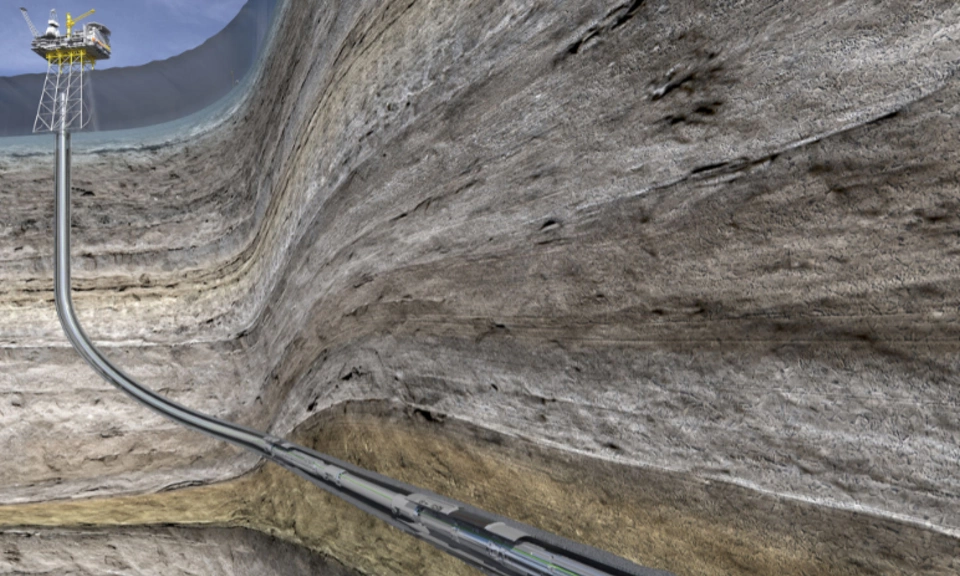
The Integrated Downhole Network (IDN) is the Roxar system architecture from Emerson. Operators connect to the Downhole Network Controller with Ethernet, RS422 or RS485 and from there a single cable is run downhole. This cable can support up to 32 Roxar downhole instruments, including of course the AGLS.
Videos
Adaptive Gas Lift System - Enhanced Control in Gas Lift Operations
Adaptive Gas Lift System - Enhanced Control in Gas Lift Operations
Adaptive Gas Lift System - Remote Optimization Without Intervention
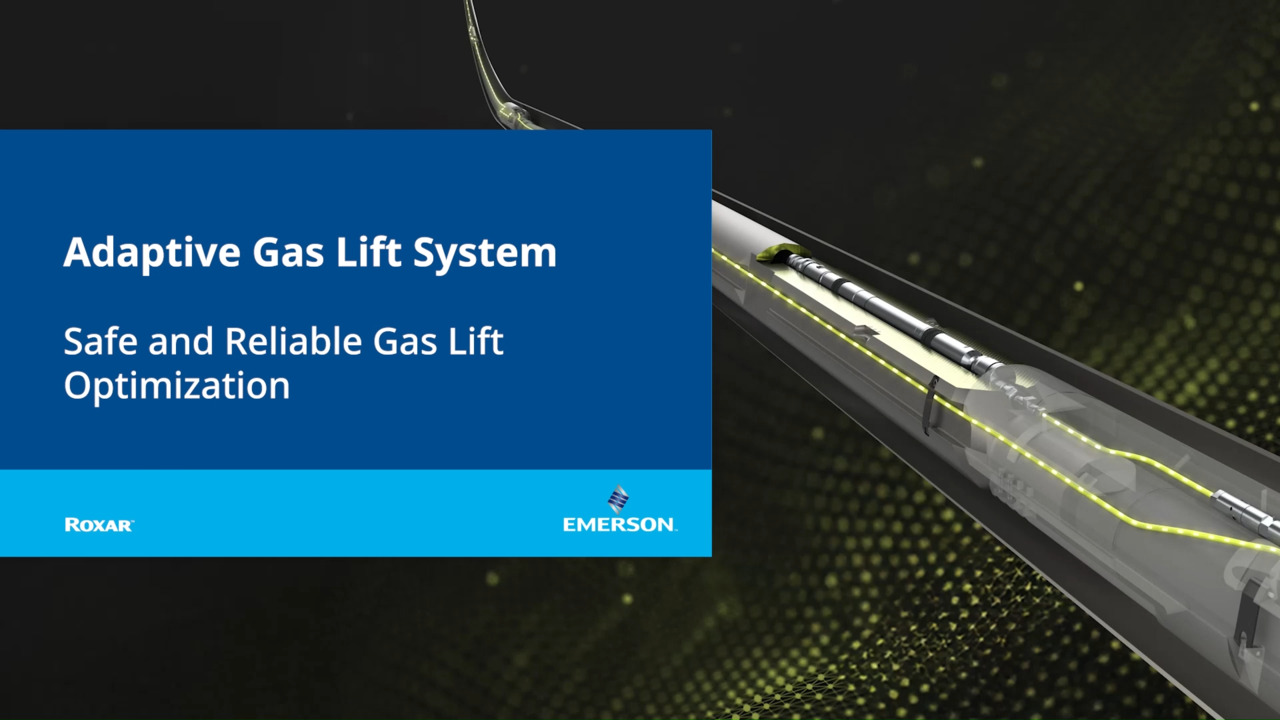
Adaptive Gas Lift System - Safe and Reliable Gas Lift Optimization
Adaptive Gas Lift System - Accelerate and Optimize Your Production Without Intervention
Frequently Asked Questions
The AGLS provides operators with enhanced control, ultimately supporting their ability to maximize oil recovery and ensuring increased total reservoir drainage. In addition, the AGLS supports intervention avoidance, provides a safe and reliable approach togas lift operations and supports operators’ sustainability goals. Read more in the key benefits section above.
Yes. The AGLS is the world’s first retrievable electric gas lift system. With the side pocket mandrel design, along with power and communication provided by inductive coupler and actuator rather than a fixed cable, the AGLS can be retrieved and replaced using conventional wireline methods.
The AGLS is designed and qualified to API19G1 (V1), 19G2 (V0)and AWES 3362-36.
The AGLS has a temperature range of 4 to 150 deg C and a valve working pressure of 10,000 psi, 15,000 psi absolute.
The adjustable variable choke allows fractional port size variation from 10/64” to 32/64”.
Yes. Emerson and Interwell collaborated on the Adaptive Gas Lift System (AGLS), the world’s first retrievable electric gas lift system.
Interwell has significant field experience with downhole gas injection valves and have proven to provide robust reliable solutions. Interwell’s expertise partners beautifully with Emerson’s Roxar downhole instrumentation, communication and power infrastructure expertise, making it a very natural and logical partnership.