

Products

What Is Conductivity?
Conductivity assesses a solution's capacity to conduct electricity, affected by ion concentration, type, and temperature. More ions boost conductivity by enabling better current flow. It is vital for applications such as water purity monitoring, chemical processing, and power generation. The two primary measurement types are Contacting and Toroidal sensors, each designed for specific conditions and applications.
Conductivity Sensor Types
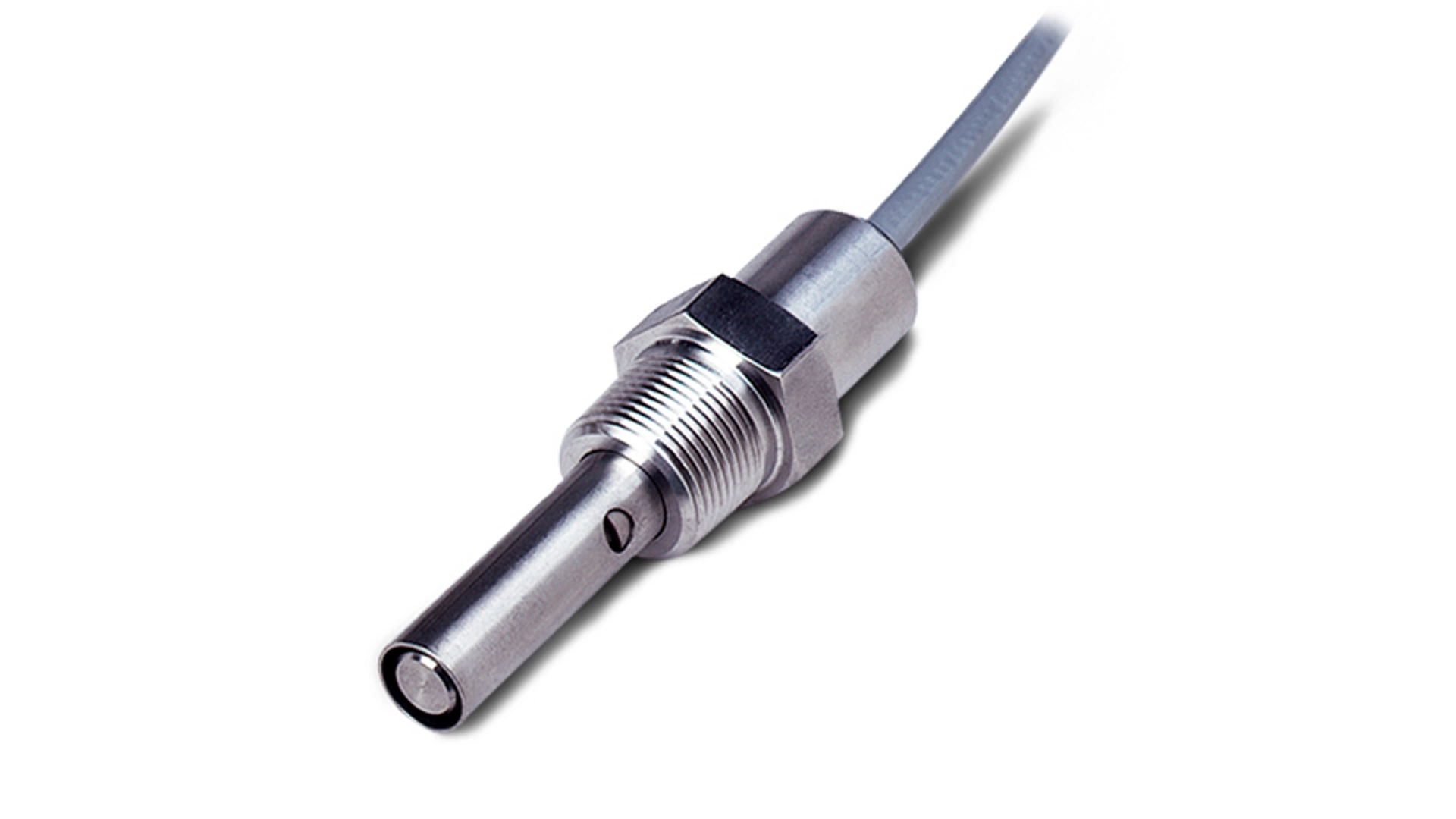
Conductivity sensors apply alternating voltage to electrodes in a liquid, causing ion movement and generating an electric current. Rosemount offers a variety of sensors with different cell constants, temperature compensation, and mounting styles. Ideal for clean, non-corrosive liquids with conductivity under 20,000 µS/cm, they ensure durability and top performance. These sensors are perfect for applications like high-purity water and cooling systems.
Frequently Asked Questions
Conductivity is a measure of a fluid’s ability to conduct electricity. Conductivity sensors are used measure the total number of dissolved ions present in a fluid. The most common methods for inline conductivity measurement are contacting conductivity and toroidal conductivity.
There are two ways to calibrate a conductivity sensor, either with a standard solution or with a referee meter and sensor. Please reference the sensor manual for more detailed instructions.
Temperature changes within a process fluid can affect conductivity measurements. As the temperature of the process increases, the conductivity reading also increases. All Rosemount conductivity sensors include a temperature element to adjust for any temperature fluctuations.
Conductivity sensors can be used in a wide variety of applications, including water quality monitoring, industrial process control, chemical refining, power generation, and more.
The lifespan of a conductivity sensor varies based on its application. Generally, they can last anywhere between two to ten years or even longer, depending on the maintenance and application conditions.