Absolute & Gauge Pressure
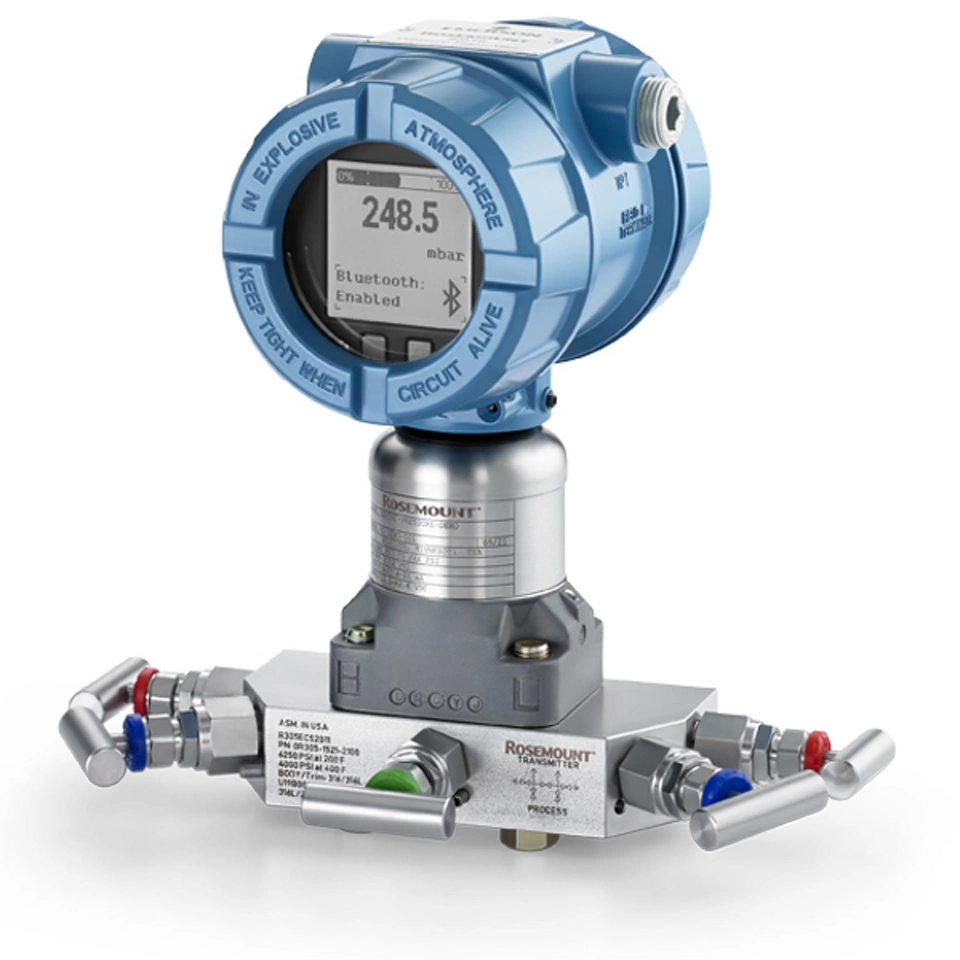
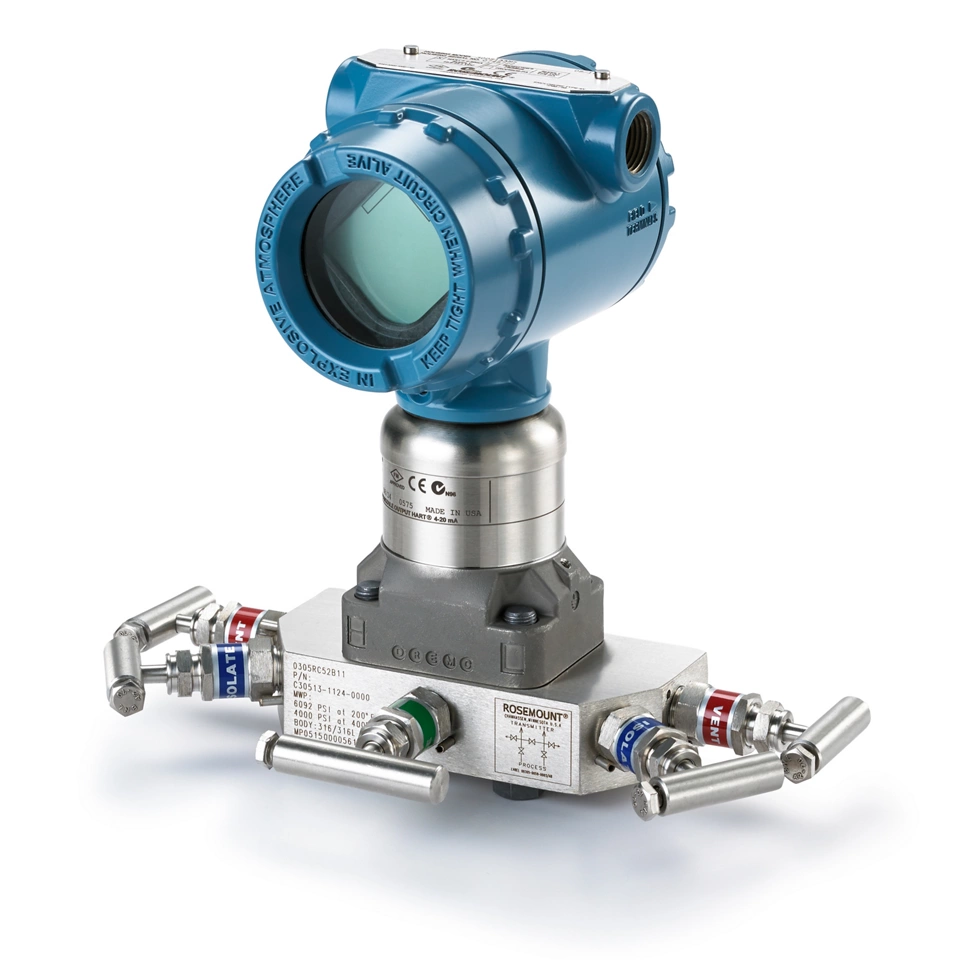
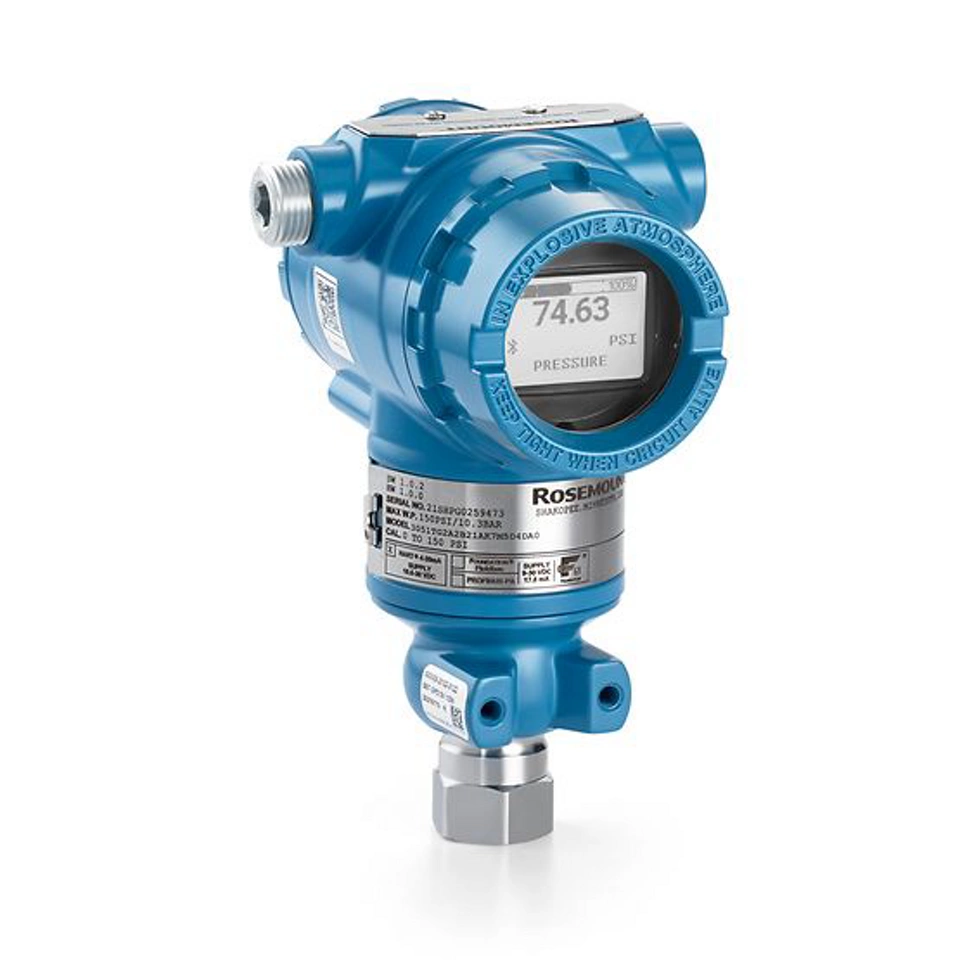
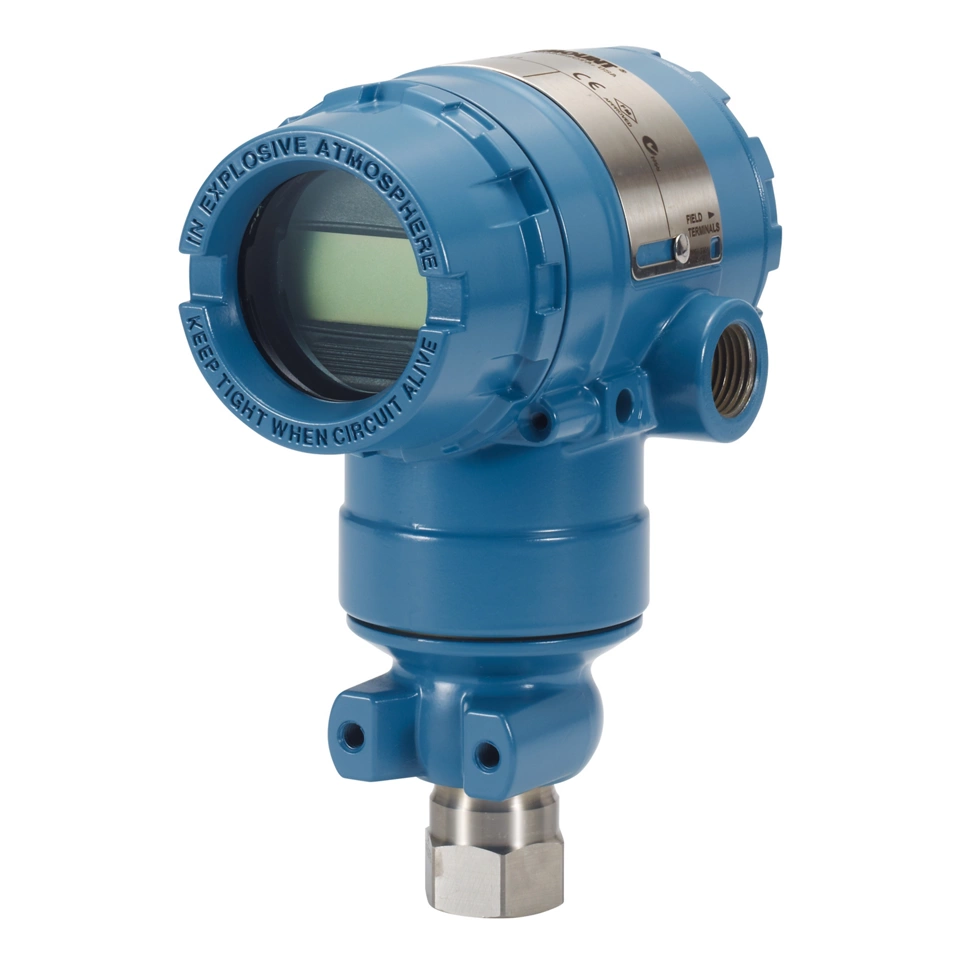
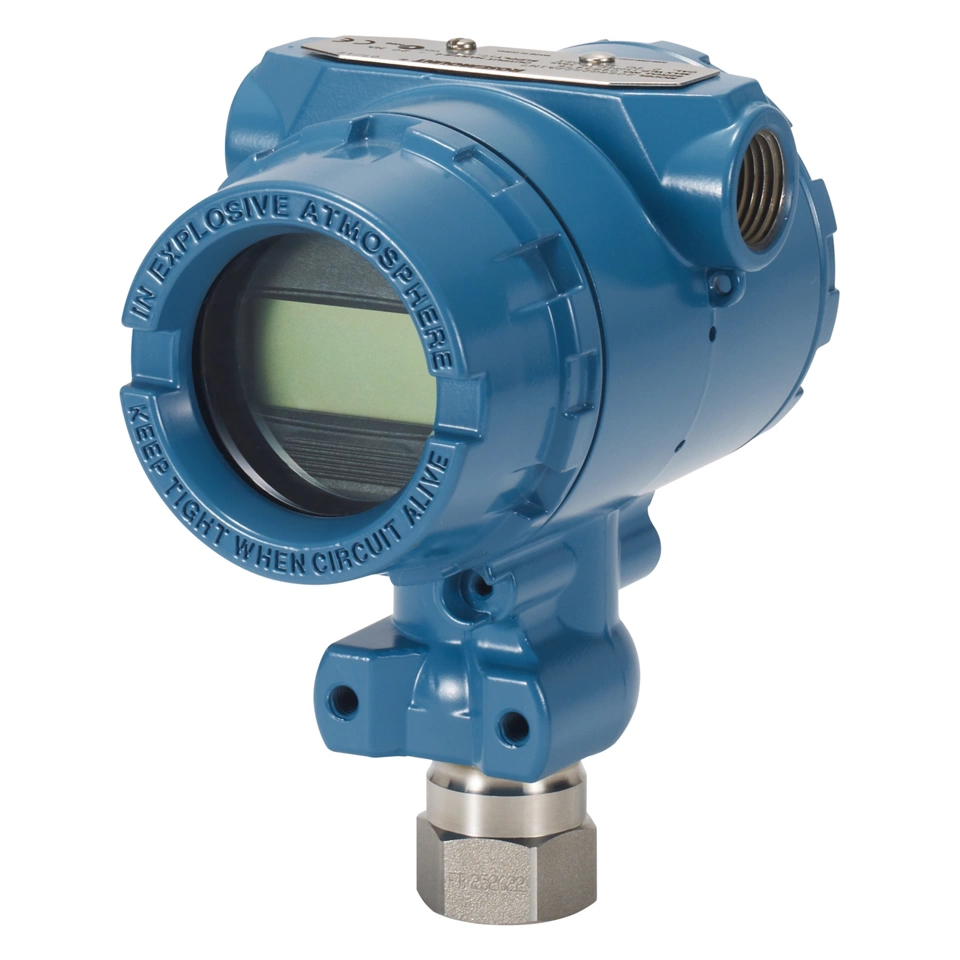
Absolute pressure and gauge pressure measurement each have unique benefits across industrial applications. Rosemount™ Pressure Transmitters can be tailored to measure absolute or gauge pressure depending on your application needs. They offer flexibility in pressure measurement by utilizing either an inline piezoresistive sensor or a Coplanar™ capacitance sensor, ensuring adaptability to diverse process requirements.
Gauge Pressure & Absolute Pressure Explained
Gauge Pressure
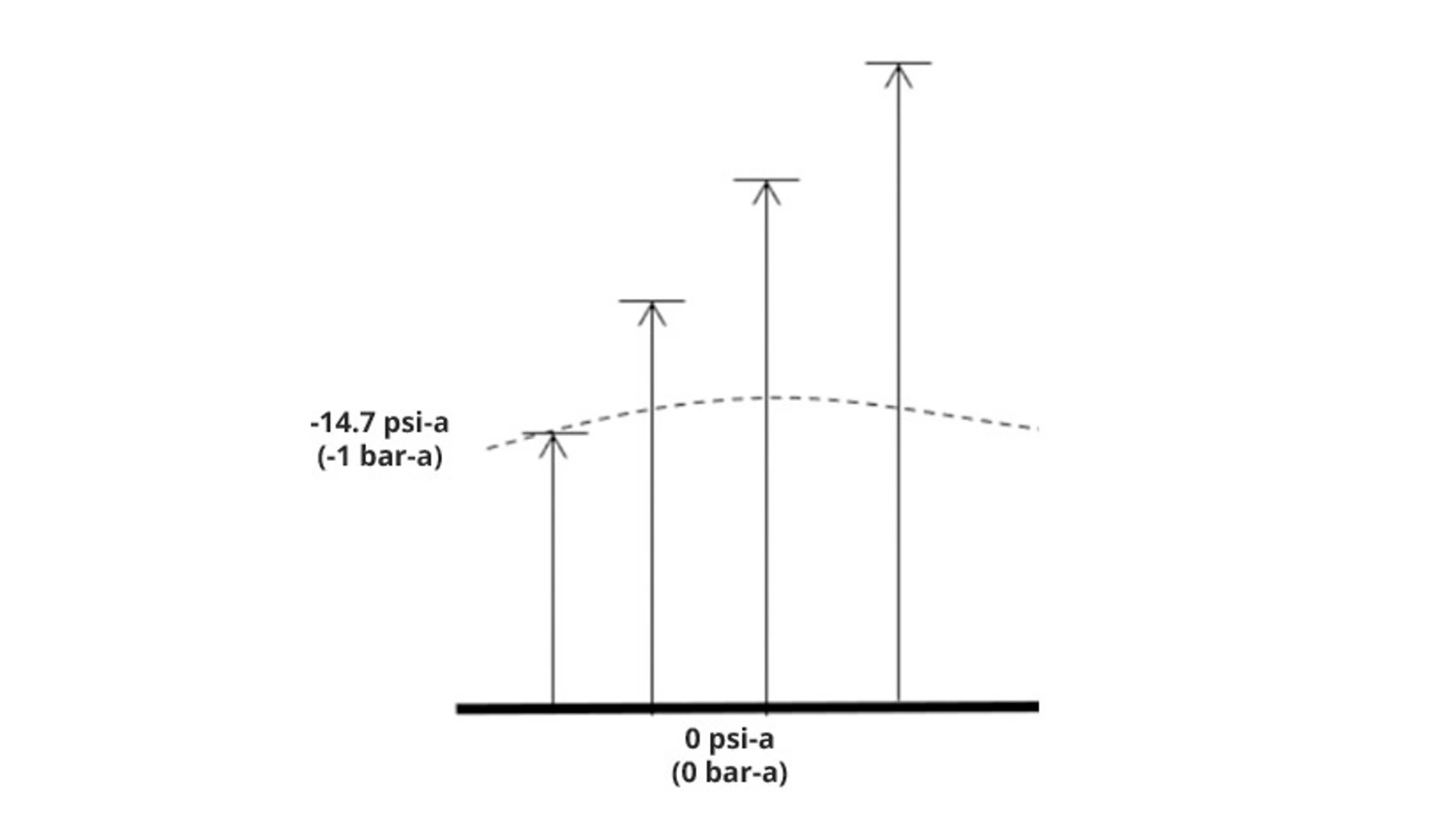
Gauge pressure is the pressure measured relative to the ambient atmospheric pressure. It is the difference between the absolute pressure and atmospheric pressure. Gauge pressure measurement can be used to ensure that a process fluid is maintained at a pressure that is within the design limitations of process equipment such as pipes, tanks, reactors and flanges. Gauge pressure measurement devices are easy to maintain as they can be zeroed by simply venting the sensor to atmospheric pressure.
Frequently Asked Questions
If you have additional questions related to gauge pressure and absolute pressure, please contact us.
Gauge pressure, sometimes called gage pressure, is the difference between the absolute pressure and the atmospheric pressure. Gauge pressure can have zero, positive and negative values. Atmospheric pressure is a gauge pressure of zero. Pressure greater than atmospheric pressure is positive gauge pressure. Pressure less than atmospheric pressure, a vacuum, is negative gauge pressure.
Absolute pressure is the total pressure measured relative to a perfect vacuum. Absolute pressure is always a positive value. A perfect vacuum is zero absolute pressure.
Gauge pressure measurement is often preferred in industrial applications for two reasons. First, gauge pressure measurement can be used to ensure that a process fluid is maintained at a pressure that is within the design limitations of process equipment such as pipes, tanks, reactors and flanges. Second, gauge pressure measurement devices are easy to maintain as they can be zeroed by simply venting the sensor to atmospheric pressure.
Absolute pressure measurement is preferred in industrial applications when using pressure to determine fluid properties such as density and enthalpy, precisely measure vacuum conditions, identify leaks in a system or eliminate variations in pressure measurement that results from changes in atmospheric pressure.
Gauge pressure simplifies measurements and can help ensure safe equipment operation.
Absolute pressure eliminates the impact of variations in atmospheric pressure, provides high accuracy in vacuum applications and is preferred when determining precise fluid properties such as density and enthalpy.
Gauge pressure is measured using a sensor that was calibrated with reference to atmospheric pressure. Gauge pressure is calculated as the difference between absolute pressure and atmospheric pressure. The formula for gauge pressure is: Pgauge = Pabsolute – Patmospheric
Absolute pressure is measured using a sensor that was calibrated with reference to a perfect vacuum. Absolute pressure is calculated as the sum of measured gauge pressure and atmospheric pressure. The formula for absolute pressure is: Pabsolute = Pgauge+ Patmospheric