Dakota Gasification Increases DP Level Measurement Reliability & Reduces Maintenance Costs
Results
- Elimination of problematic capillary impulse lines for DP level installations
- Elimination of seasonal maintenance and changing wet leg special fill fluids
- Reduced spare part inventory requirements
“Rosemount ERS Technology is a game changer to replace other solutions that haven’t been performing satisfactorily due to high maintenance costs and unreliability.”
Nick Ahlschlager
Area Supervisor, Dakota Gasification
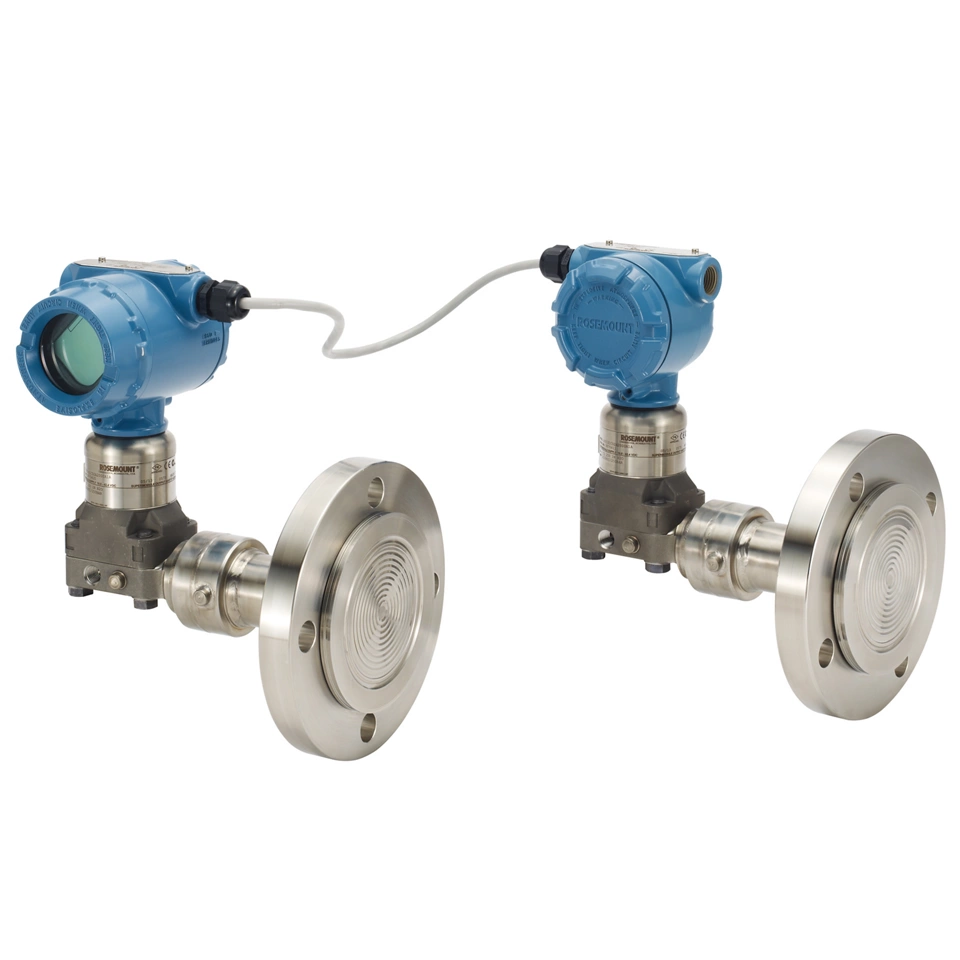
The two transmitters in the Rosemount 3051S Electronic Remote Sensor (ERS) System communicate with each other, gathering additional diagnostic and secondary variable information.
Customer
Dakota Gasification Company, Basin Electric Power
Application
Level measurement for methanol distillation column and turbine oil seal-level head tanks
Challenge
The Dakota Gasification facility near Beulah, North Dakota is the largest synthetic fuel producer in the U.S. With coal as the primary feedstock, the plant creates a wide range of chemical byproducts, most of which are used as fertilizer, in addition to synthetic natural gas. The plant even exports carbon dioxide to Canada via pipeline for use in enhanced oil recovery in the tar sands. Changes in markets for its commodity products has maintained budgetary pressures on the company, causing it to be very conscious of operating costs and areas where savings can be realized.
Given its location, the facility is subject to major seasonal temperature swings. One area where these temperature swings cause extensive maintenance problems is the use of differential pressure (DP) transmitters to measure liquid level. To compensate for pressurized vessels, the low-pressure side measures the head space in the vessel, sending the measurement via a fluid-filled impulse line commonly known as a wet leg. Cold temperatures can cause problems with these impulse lines. Special wet leg fluids are a partial solution, but these special fluids have to be changed twice a year. Two specific applications illustrate the problem: the methanol distillation column, and the seal-level head tanks for the turbine oil.
The methanol distillation column separates methanol from a mixed product stream. It operates at -100 ºF and under high vacuum, so this application is below ambient temperature throughout the year. The tower has many levels and stages, and maintaining liquid level within a specific range is necessary to ensure maximum separation while avoiding flooding. Allowing too much liquid to accumulate in the tower can cause a chain reaction and result in catalyst poisoning. The unreliability of the DP measurement caused the plant to install multiple float switches for use as emergency shutdown mechanism devices.
The seal oil application is part of the turbine compressor that pushes the synthetic gas out of the plant and into the pipeline. The oil has to be kept at a critical level to maintain an effective seal without entraining oil in the gas stream. If the level is too low and the seal is lost, the compressor building can be flooded with methane.
Solution
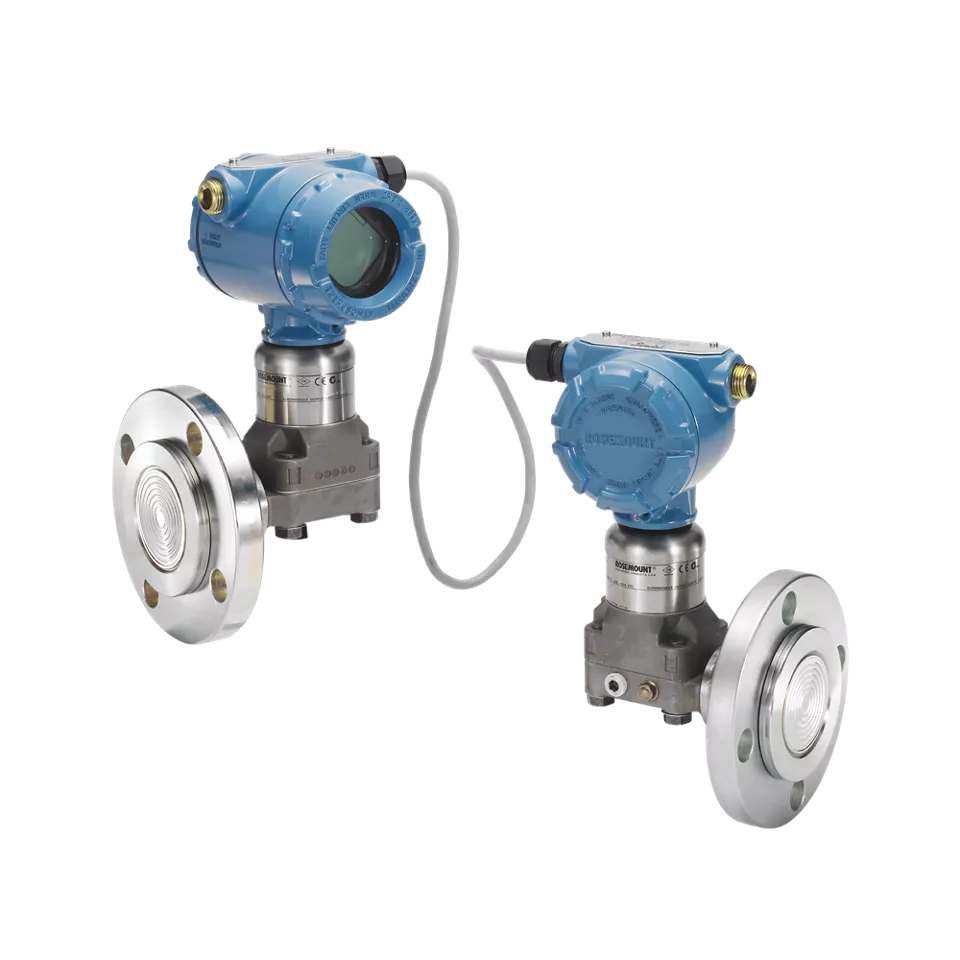
Emerson’s Rosemount™ 3051S Electronic Remote Sensor (ERS™) System provides all the capabilities of traditional DP level transmitters, and eliminates the need for capillary and impulse lines entirely. The ERS System calculates differential pressure electronically using two pressure sensors linked together electrically. This provides faster response than traditional systems, particularly in low-temperature environments. It is also possible to measure static pressure in the vessel and report it as a secondary variable.
Even though there are two transmitters, they communicate with each other and all necessary calculations are done in the primary unit, so the combined installation appears to the automation system as a single input. However, having two transmitters allows gathering of additional diagnostic and secondary variable information from both, extending the insights available into the process.
Installing the Rosemount 3051S ERS System sets for these troublesome installations allowed Dakota Gasification to improve reliability while reducing maintenance requirements and spare parts inventory. The need to change wet leg fluid seasonally was eliminated, and irritating maintenance problems such as erratic heat tracing and kinked impulse lines are now a thing of the past.
The plant is better able to run in its fully automatic mode without creating work-arounds for problematic instrumentation. Maintenance technicians don’t have to spend so much time on this critical equipment, allowing the company to save $10,000 within the first month on just test setups for these installations. The company is implementing plans to standardize on the Rosemount 3051S ERS System transmitter sets for all the similar applications, multiplying the savings throughout the plant.