Application Overview
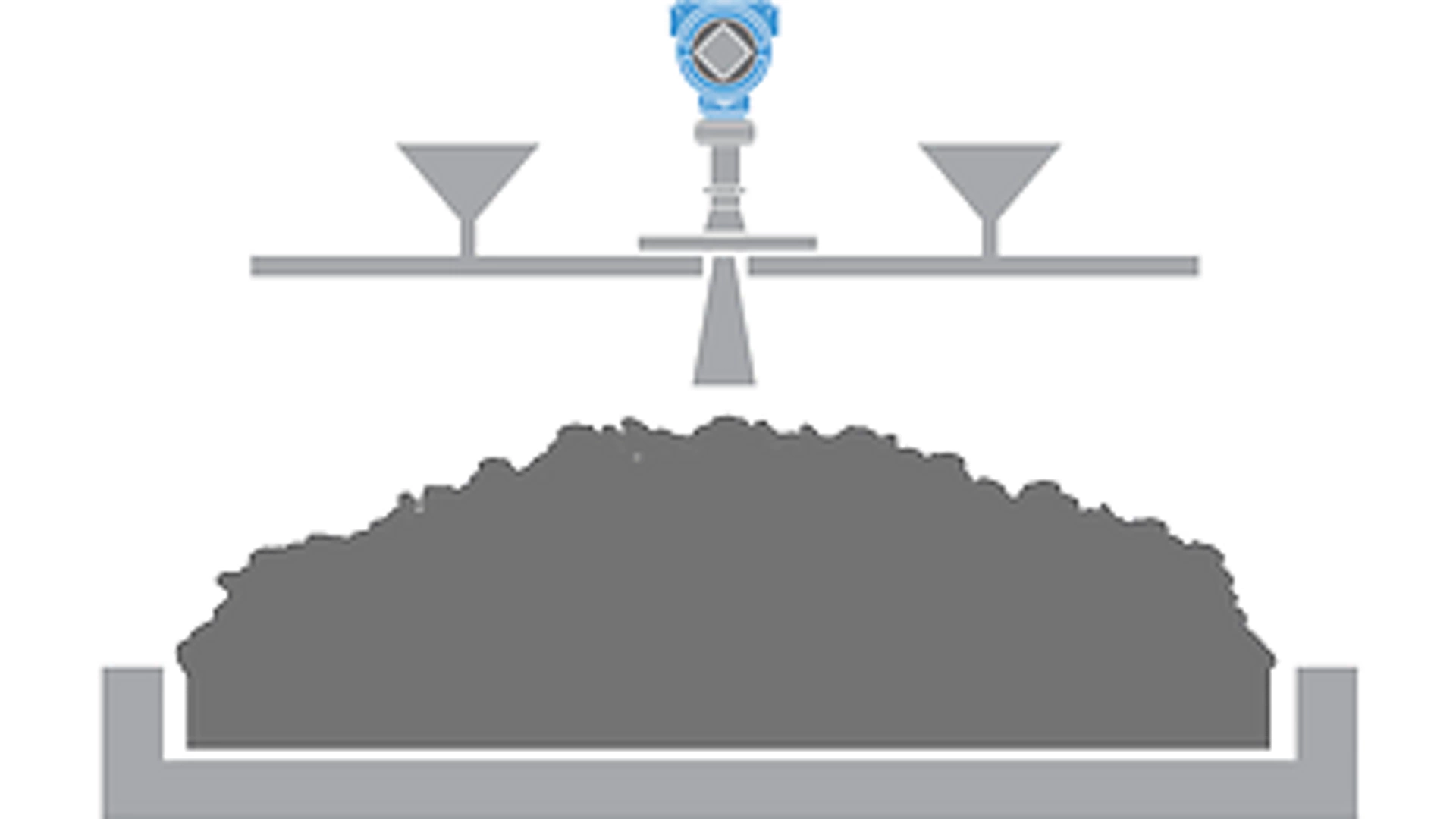
Heap leaching is used to extract valuable minerals by applying chemical solutions to ore piles. Reliable level measurement helps monitor acid distribution, detect flooding and plugged lines, and improve visibility across large leach pad installations. Wireless monitoring can reduce cabling requirements and simplify deployment in remote areas.
Key Challenges
- Detecting flooding, plugged lines, and process upsets across large leach pads.
- Installing and maintaining instrumentation over long distances and difficult terrain.
- Monitors acid distribution throughout heap leach operations.
- Helps detect plugged lines, flooding, and pad instability risks.
- Enables remote monitoring across large sites while reducing wiring and field inspections.
- Non-Contacting Radar for reliable measurement in mist and vapor conditions
- Guided Wave Radar for continuous monitoring of process liquids
- Wireless Level Measurement for simplified deployment across remote leach pads
Frequently Asked Questions
Level measurement helps monitor leach solutions, acid distribution, and process conditions throughout heap leach operations. It can also help identify flooding and plugged lines before they affect production.
It provides visibility into critical process conditions that impact metal recovery, operational efficiency, and site safety.
Wireless instrumentation reduces the need for trenching, cabling, and additional infrastructure across large heap leach facilities.
Reliable measurement helps operators monitor solution distribution and identify conditions that could reduce recovery performance.
Wireless non-contacting radar and wireless guided wave radar are commonly used, depending on whether the application requires continuous surface measurement or process/interface monitoring.
Large mining facilities often make traditional wiring expensive and difficult to install. Wireless technologies can simplify deployment while improving process visibility.