Skangas LNG Terminal Uses Complete System Solution for Reliable and Safe Operation
Results
- 2oo3 voting prevents multimillion production stop
- No unplanned shut-downs or maintenance requiring opening the cryogenic tank
- Quick and safe process to make proof-testing for authority requirements from control room
- Process control with complete temperature solution
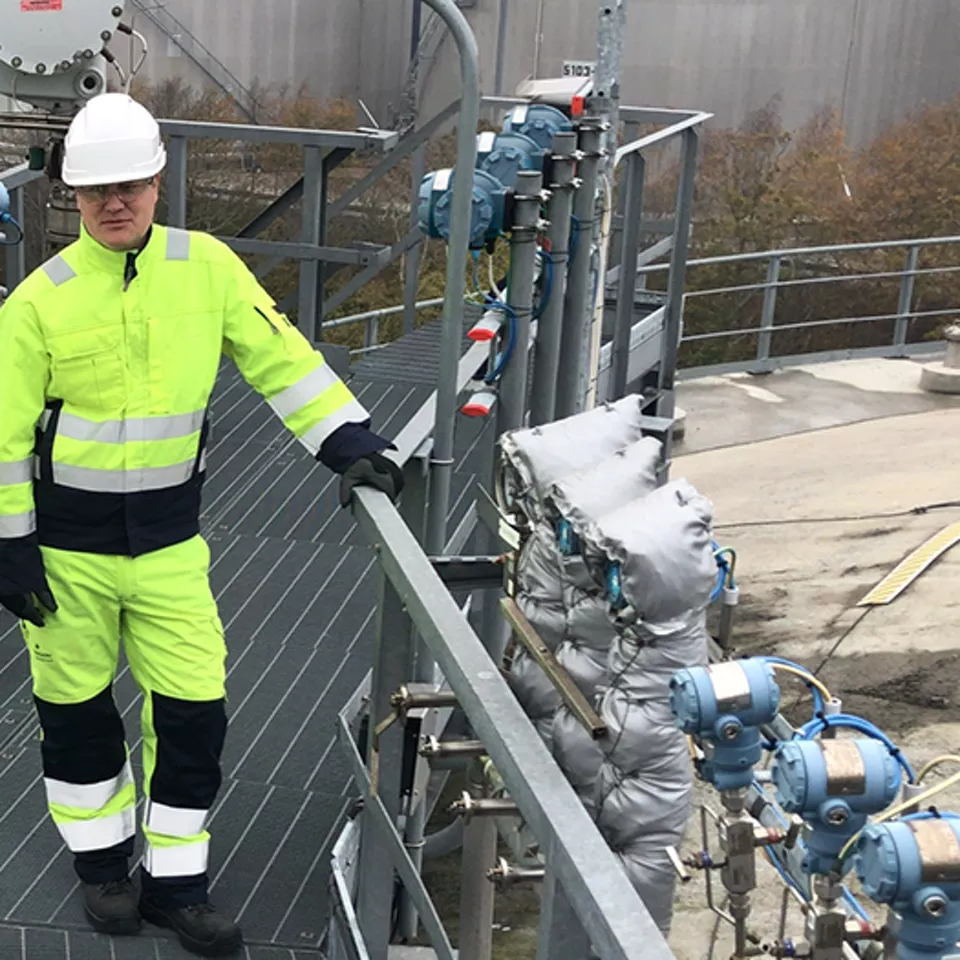
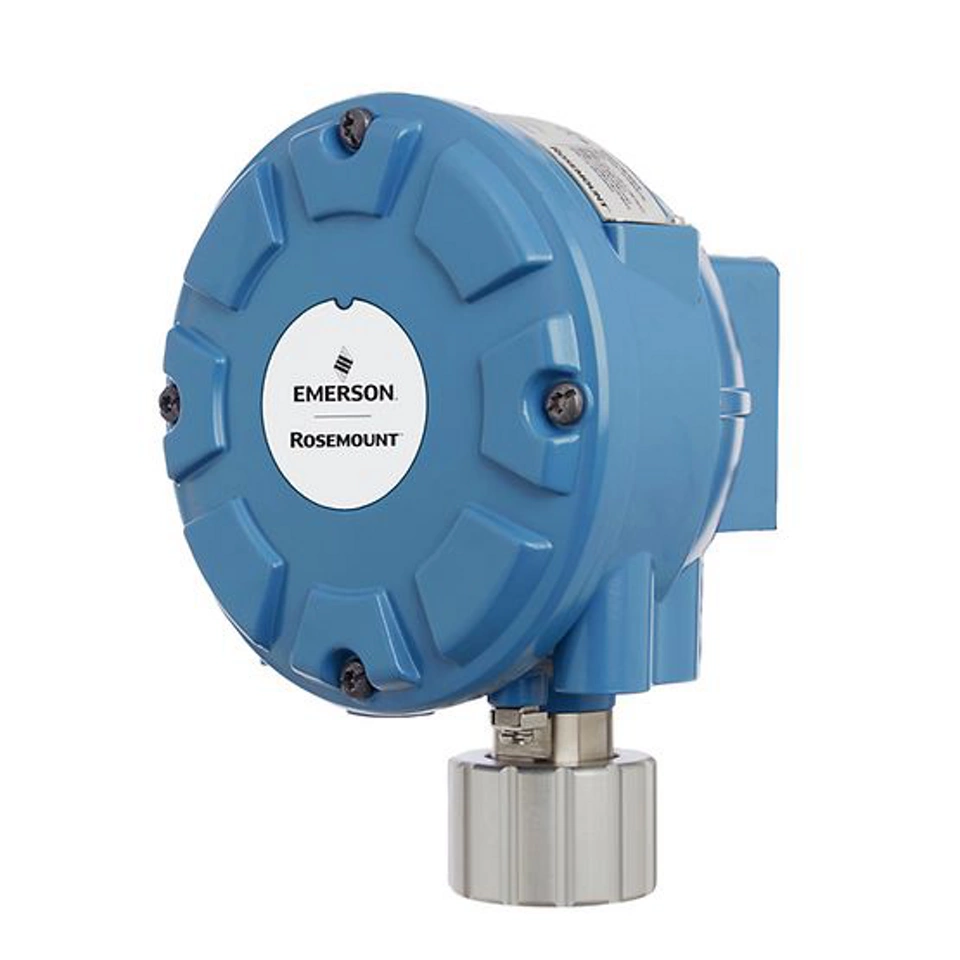
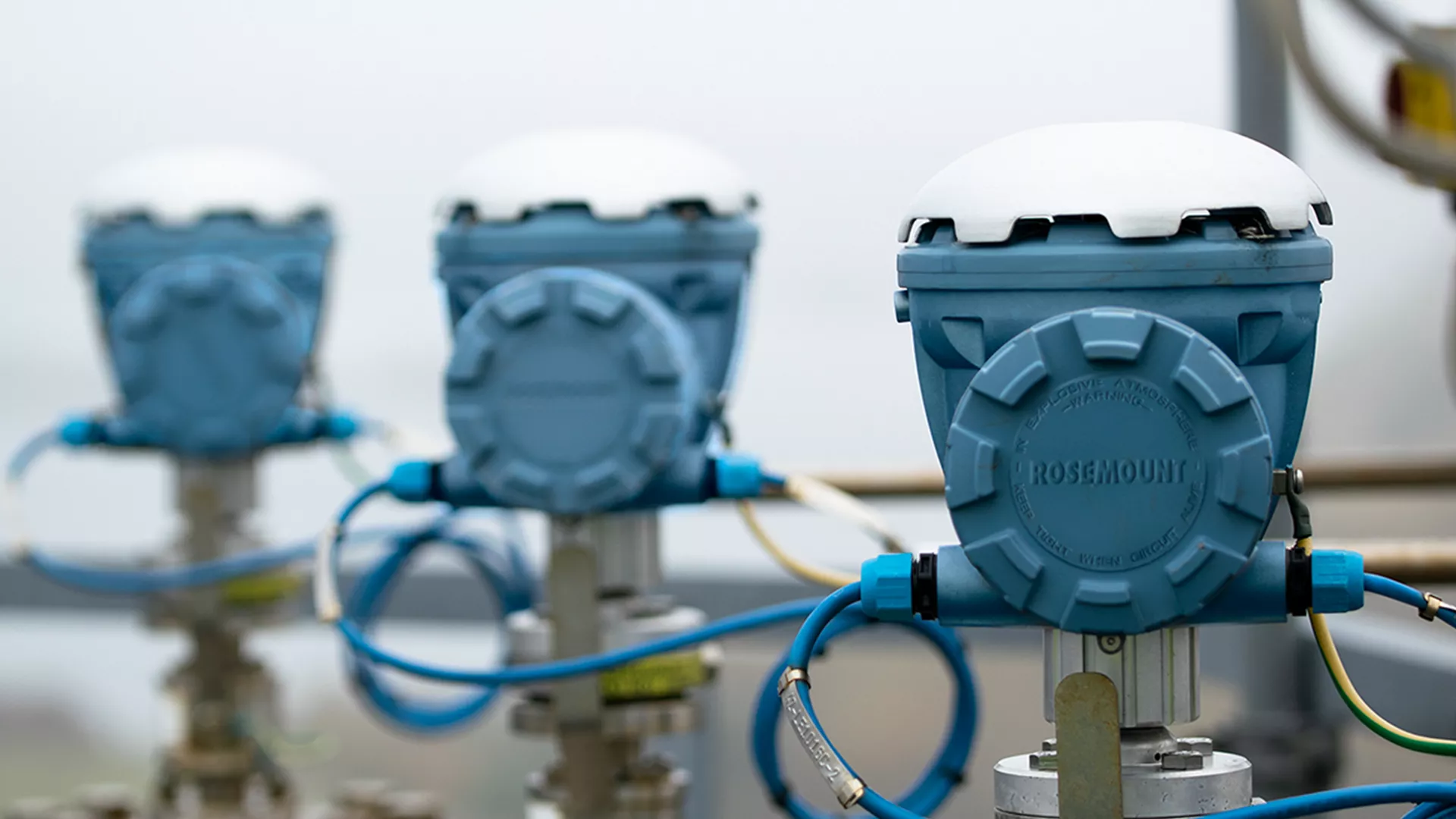
The LNG system includes measurements for level, temperature, pressure, density and flow. Level, temperature and pressure devices are tripled for maximum availability and safety. Redundancy is also required for other units such as gas detectors. Remote proof testing is another system safety feature, done one to two times per year. Testing the safety loops and doing it from the control room minimizes risks with climbing the high tank.
BENNY JOHANSSON, TERMINAL MANAGER, SKANGAS
“We don´t take any risks. A stop in operation is not an option, so we use the 2oo3 principle for safety and maintenance purposes.”
Customer
Skangas in Lysekil, Sweden, is one of four LNG terminals operated by Skangas in Scandinavia. Half of the volume handled within the company comes from the Lysekil hub. Skangas is the biggest distributor of liquefied natural gas (LNG) in the Nordic countries.
Application
Storage and distribution of energy for production processes in nearby industries. Within the terminal area there is a 42 m (138 ft.) high, above ground concrete tank, 30 000 m3 (1 million ft3) storage capacity, a compressor tank and vaporizers. Most of the LNG feedstock comes from the Skangas liquefaction plant in Norway, and the rest from nearby countries. LNG arrives via company owned ships, which are also used for ship-to-ship transfer. In addition to shipping, liquefied product is also distributed via company owned trailers to end customers. Furthermore, gasified product is distributed to the neighbouring refinery via pipeline.
Challenge
Skangas Lysekil is the world leader in small-scale LNG handling. The big challenge is to be cost efficient, and operate safely with remained profit using only one tank. Logistics is demanding. If the production in the nearby refinery is closed down due to a stop of energy supply, the estimated cost is $5M or more. It is critical to not have any unplanned shut-downs. Also, the product and storage in itself is challenging. Temperature control is vital to avoid unwanted boil-off resulting in vaporized product. The normal temperature for LNG is -158 °C (-252 °F), but it boils at -110 °C (-166 °F). An LNG tank is very rarely, if ever, opened during its lifetime. Opening a tank means you need to be able to safely use all of the content at once or it will evaporate. It is also very time consuming and expensive to cool down a tank and restart it. To avoid service, the requirement is an accurate and very reliable system.
Solution
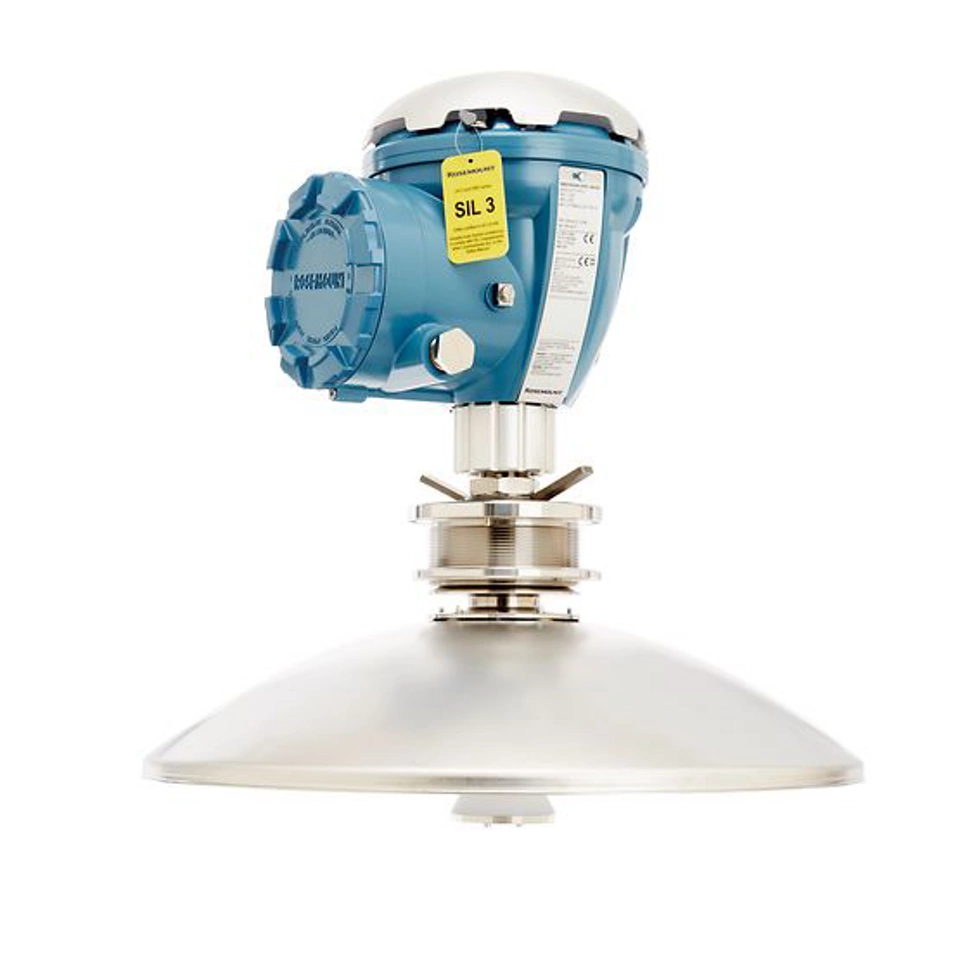
Radar technology was the preferred choice since it involves minimum maintenance. The tank uses three Rosemount™ 5900S Radar Level Gauges with an LNG antenna, suitable for cryogenic temperatures, configured with 2oo3 voting. It requires alarms from at least two of the three gauges to shut down the process, thereby avoiding serious effects of a potential false alarm. In addition, having three gauges means there is always one spare part in usage.
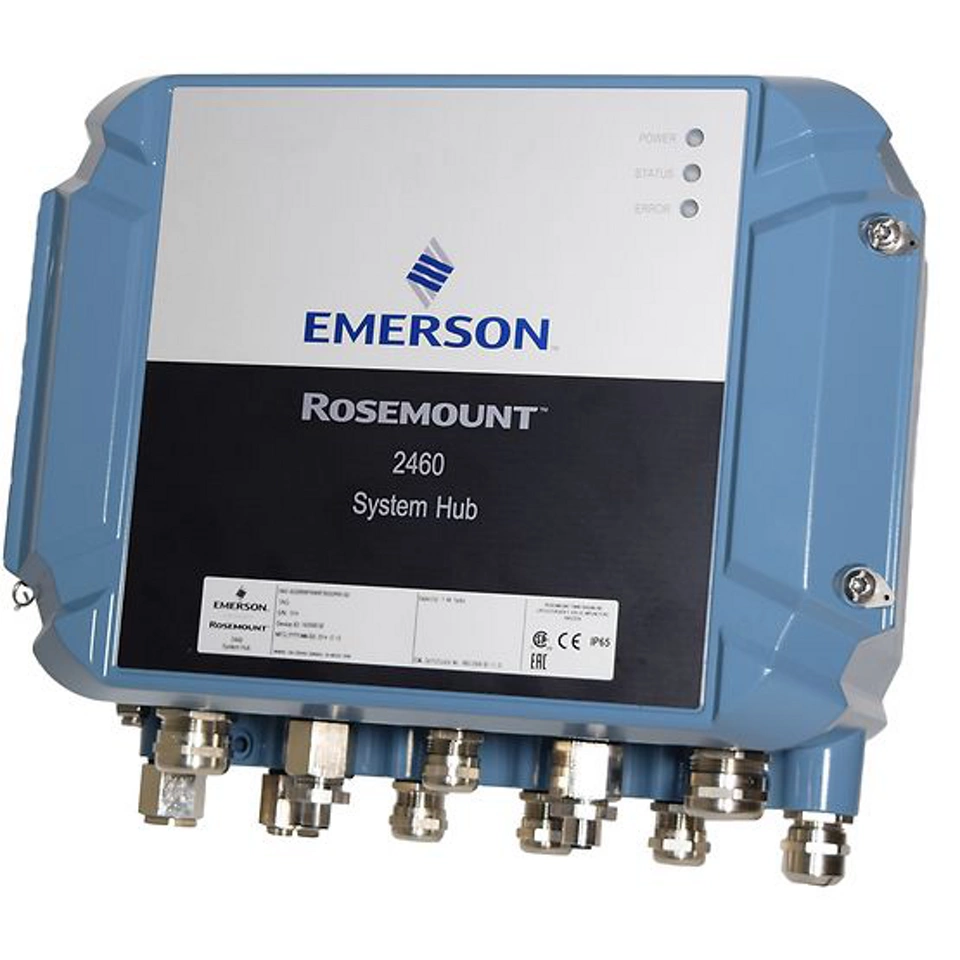
Temperature is measured using a Rosemount 2240S Temperature Transmitter with a 4-wire calibrated Rosemount 566 cryogenic multiple spot temperature sensor. For tank cool-down and leak detection purposes, the same temperature transmitter is used with the Rosemount 614 temperature sensor. The complete system also includes TankMaster Inventory Management Software, Rosemount 3051S pressure transmitters, Tank Hub, System Hub, Level/Temperature/Density Profiler (LTD) and more.