
Products
About Gas Detectors
Point Gas Detectors
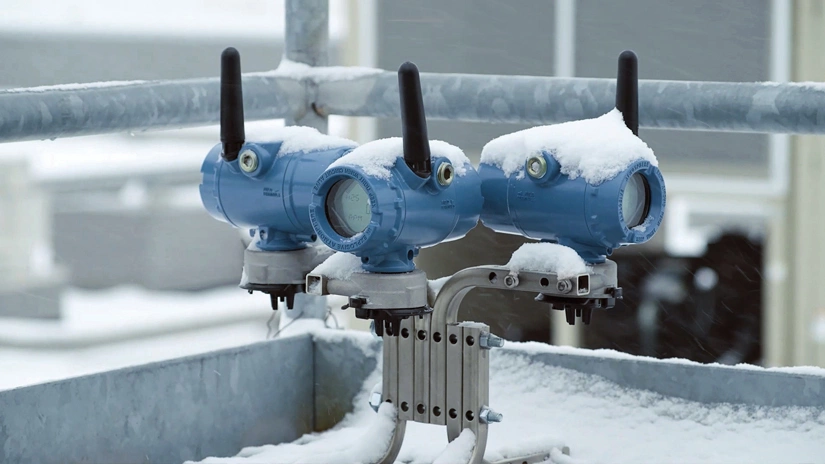
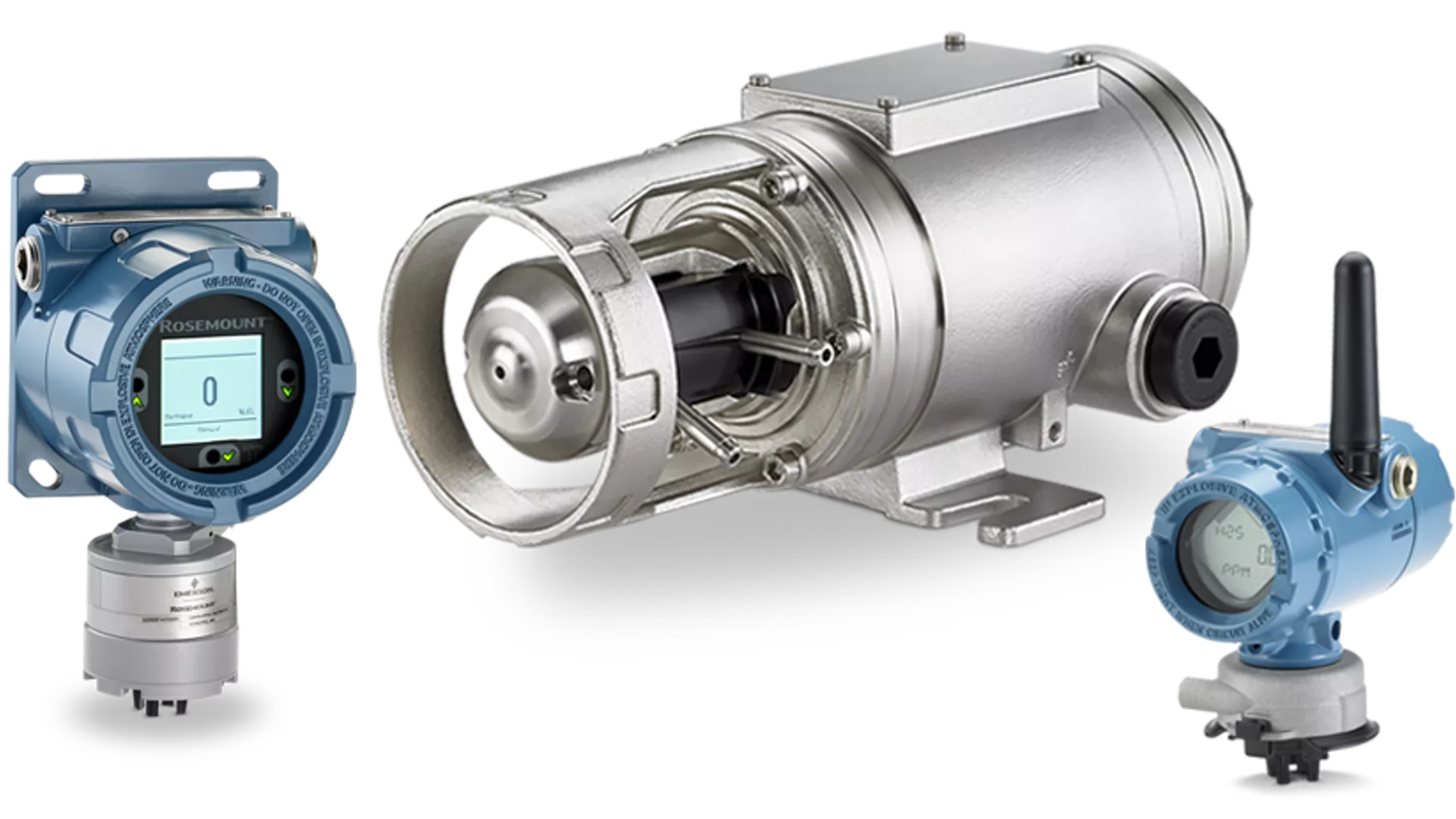
Point gas detectors provide early warning of harmful gas hazards, detecting combustibles nearing the Lower Explosive Limit (LEL) and toxic fumes. Point gas detectors are essential for regulatory compliance and provide crucial protection against fires, explosions, and health risks. Choose traditional wired devices, or the newer wireless models to cut installation costs by up to 60%.
Why Choose Emerson Gas Detectors?

Reduce Maintenance Expenses
Rosemount gas detectors optimize maintenance budgets by reducing time and training needs. Product features extend or eliminate calibration intervals, enable gas-free function testing, and streamline sensor replacement. On-screen guides help simplify training, enhance efficiency, and reduce costs.
Gas Detection Technologies

Infrared Gas Detectors
Infrared (IR) gas detectors identify gases by measuring IR light absorption at wavelengths specific to each gas. They're ideal for detecting hazardous levels of gases like methane (CH4) and carbon dioxide (CO2). You’ll get long sensor life, immunity to poisoning, reliable performance unaffected by humidity, and quick response times. IR technology is used in both point and open path detectors.
Videos
Emerson's gas detection systems utilize cutting-edge technologies, such as non-dispersive infrared (IR) sensors and ultrasonic gas leak detectors, to provide early and accurate detection of gas leaks.

Rosemount™ Flame and Gas Detection Solutions: Readily Available
Rosemount™ Flame and Gas Detection Solutions: Readily Available
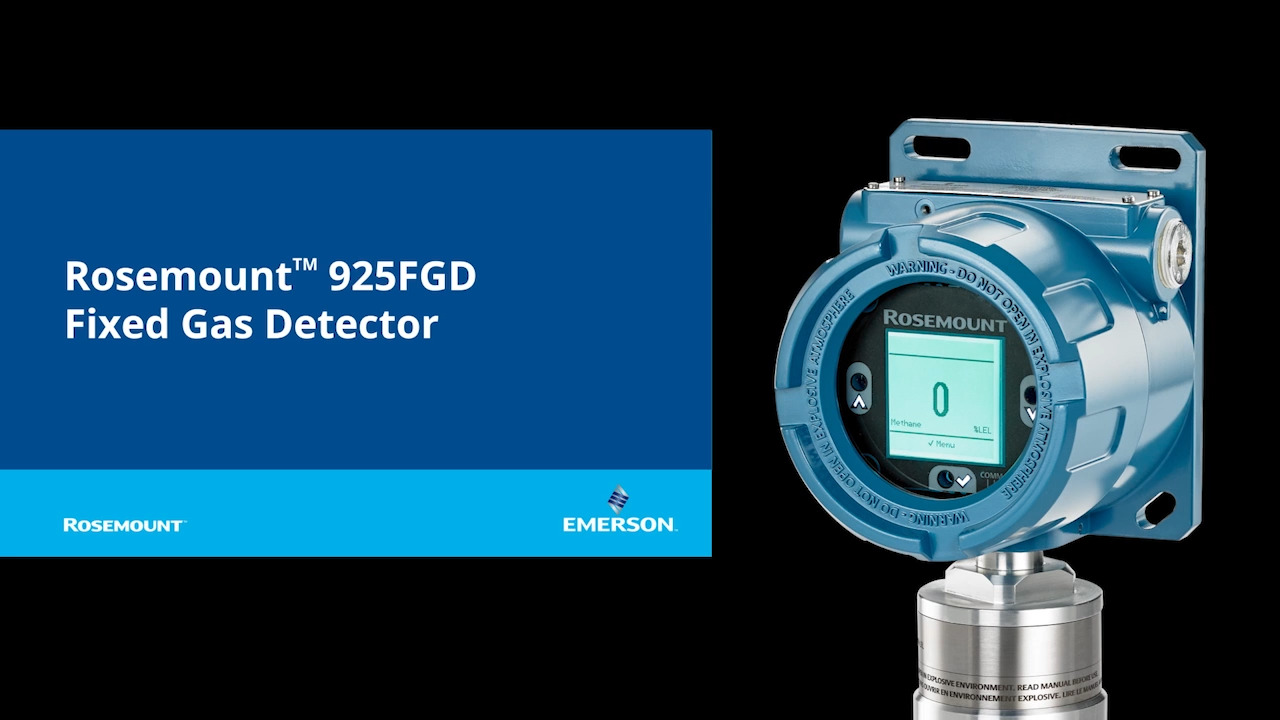
Rosemount™ 925FGD Fixed Gas Detector | Emerson
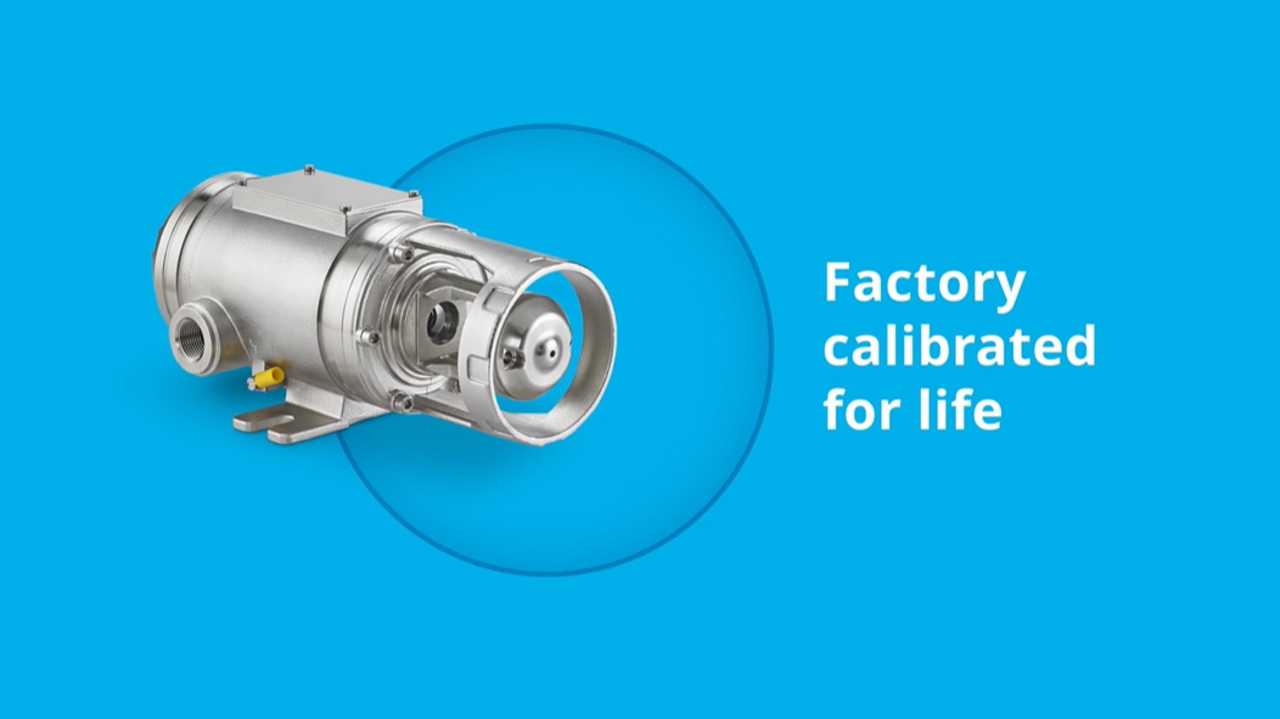
Rosemount™ 625IR Fixed Gas Detector | Emerson

Rosemount™ 936 Open Path Gas Detectors | Emerson
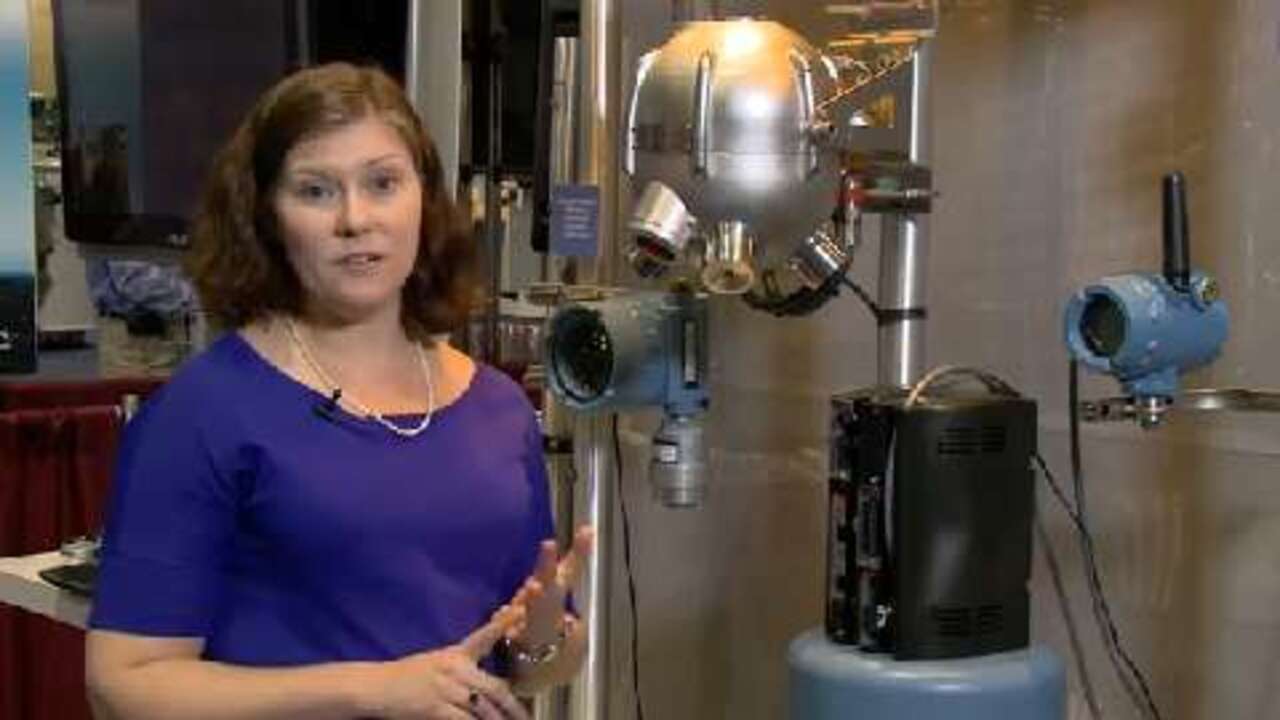
Remote Ultrasonic Gas Leak Detection Integrated with Emerson Smart Wireless Technology
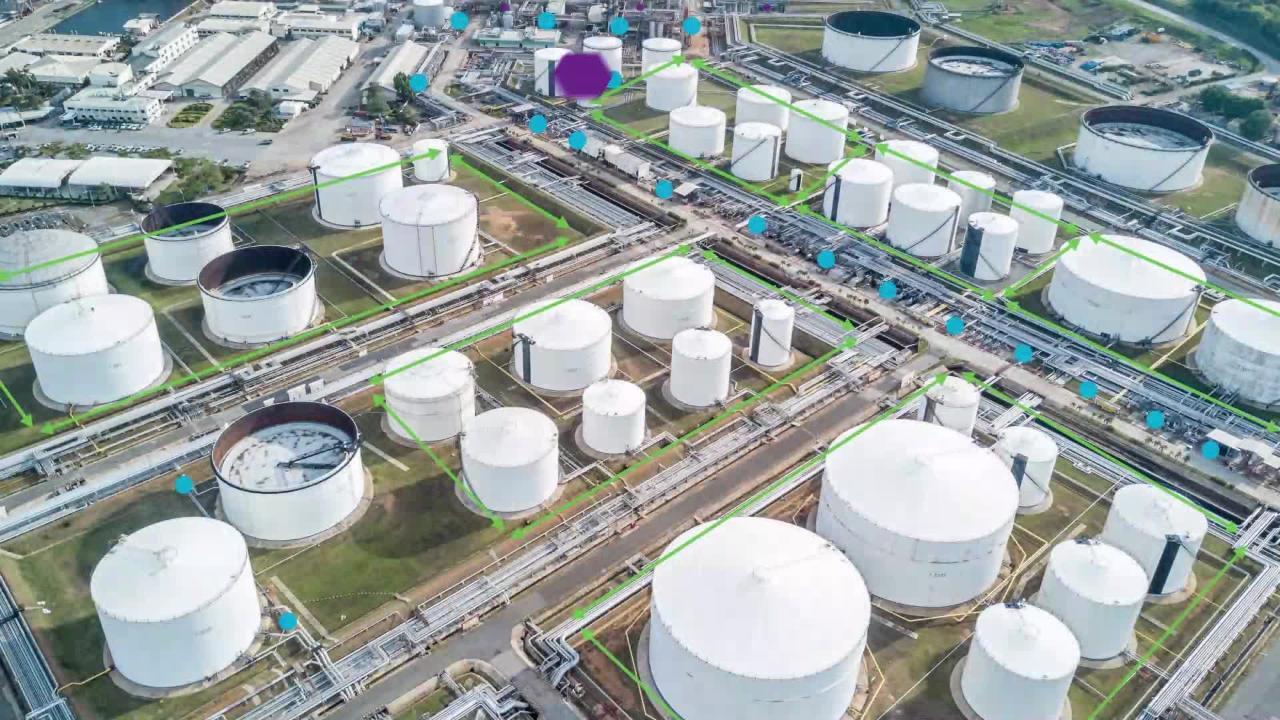
Safeguarding Your Most Critical Assets-Rosemount Flame and Gas Detection Solutions for Process Operations
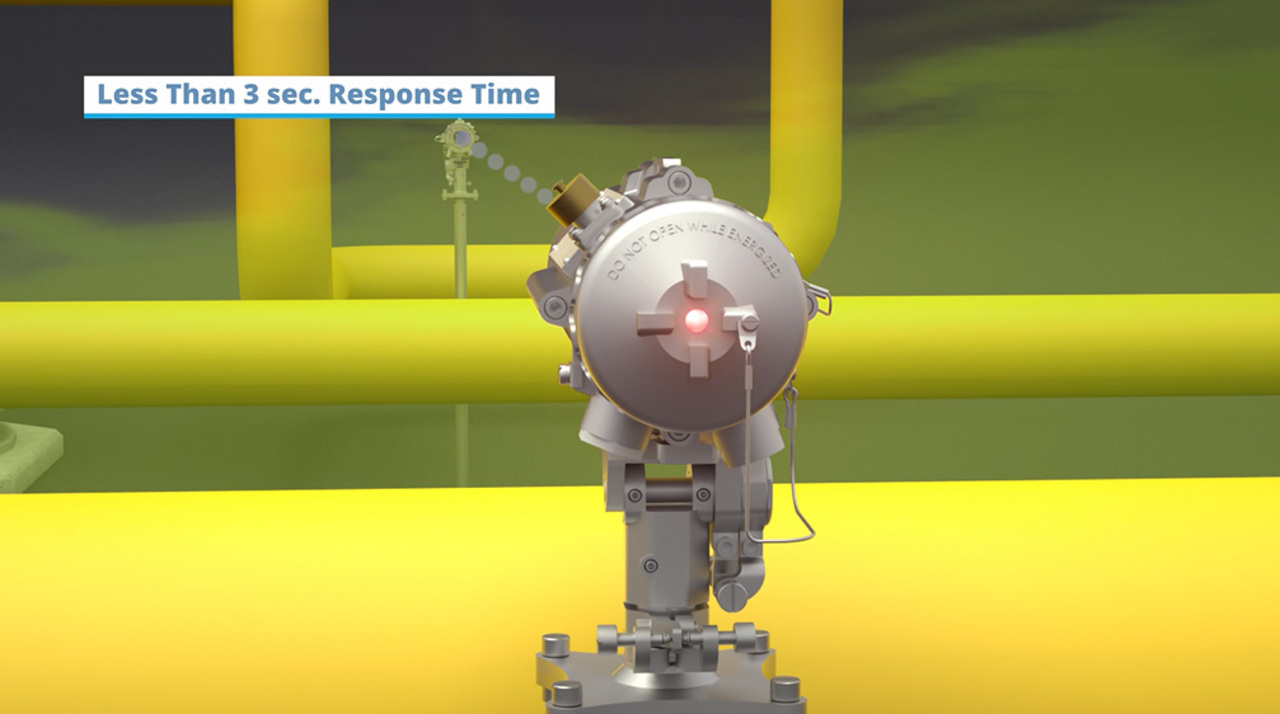
How Open Path Toxic Gas Detection Works | Emerson
Frequently Asked Questions
Emerson gas detection solutions help industrial facilities monitor combustible gases, toxic gases and oxygen hazards across demanding applications. These industrial gas detection FAQs are written for engineers, safety teams, reliability professionals and facility operators looking for practical guidance on selecting, placing and maintaining fixed gas detection systems across industrial environments.
Most industrial facilities need gas detectors for combustible gas, toxic gas or oxygen hazards. The right mix depends on the gases present, leak sources, ventilation, worker exposure risk and required safety response. Common monitored gases include methane, hydrogen, hydrogen sulfide, carbon monoxide, ammonia, chlorine, carbon dioxide and oxygen.
Start with the hazard you need to detect. LEL gas detection is used for combustible gas risk, ppm detection is used for toxic gases such as H2S or carbon monoxide, and percent volume is used for oxygen or high-concentration gases. Emerson’s gas detection portfolio supports infrared, catalytic bead, electrochemical and ultrasonic technologies for different industrial applications.
Use point gas detection to monitor a specific leak source or area where gas may accumulate. Use open path gas detection for wider coverage across an area, perimeter or line of sight. Many facilities use both approaches to improve gas detection coverage.
The right number of fixed gas detectors depends on leak sources, gas type, equipment layout, ventilation, risk level and required response time. Place detectors where gas may release, collect, travel or expose personnel. Gas density, mounting height, airflow and maintenance access should guide final placement.
Common gas detector placement mistakes include installing detectors where gas will not reach them, ignoring ventilation or wind patterns, mounting sensors too high or too low, blocking maintenance access and overlooking likely leak points. A site-specific hazard assessment helps avoid these problems.
Environmental conditions can affect gas detector accuracy, response time and sensor life. Heat, cold, humidity, dust, washdown, vibration, corrosion, wind and water ingress can cause drift, blockage or nuisance alarms. Match the enclosure, ingress protection, temperature rating and sensor technology to the installation environment.
Yes. A wireless gas detector can work well for remote equipment, temporary areas, hard-to-wire locations and brownfield expansions when the network, power source, update rate, alarm strategy and approvals fit the application. Emerson wireless gas monitors can help reduce wiring costs and extend remote gas monitoring coverage.
Regular calibration, bump testing, inspection and built-in diagnostics help keep gas detectors reliable and reduce false alarms. Maintenance frequency depends on sensor technology, gas exposure, environment, regulations and manufacturer instructions. During checks, look for poisoning, drift, blockage, water ingress, dust, vibration, poor placement and gas cross-sensitivity.
Choose a hazardous area gas detector that matches the facility’s area classification, environment and safety requirements. Key criteria include explosion-proof or intrinsically safe approvals, Class/Division or Zone ratings, gas group suitability, ingress protection, temperature range, functional safety needs, local regulations and control system compatibility.
Yes. Many fixed gas detectors can connect to a DCS, PLC or fire and gas system using analog outputs, relays or digital communications. Before selecting a detector, confirm signal type, diagnostics, fault handling, alarm voting, power requirements and compatibility with your facility’s control or safety architecture.
When comparing industrial gas detectors, look beyond purchase price. The best choice should fit the target gas, installation environment, approvals, diagnostics, integration needs and maintenance strategy. Also consider response time, expected sensor life, replacement ease and total cost of ownership so the detector supports reliable operation over its full lifecycle.