
Products
Why Choose Emerson Flame Detectors?
Reduce Maintenance Expenses
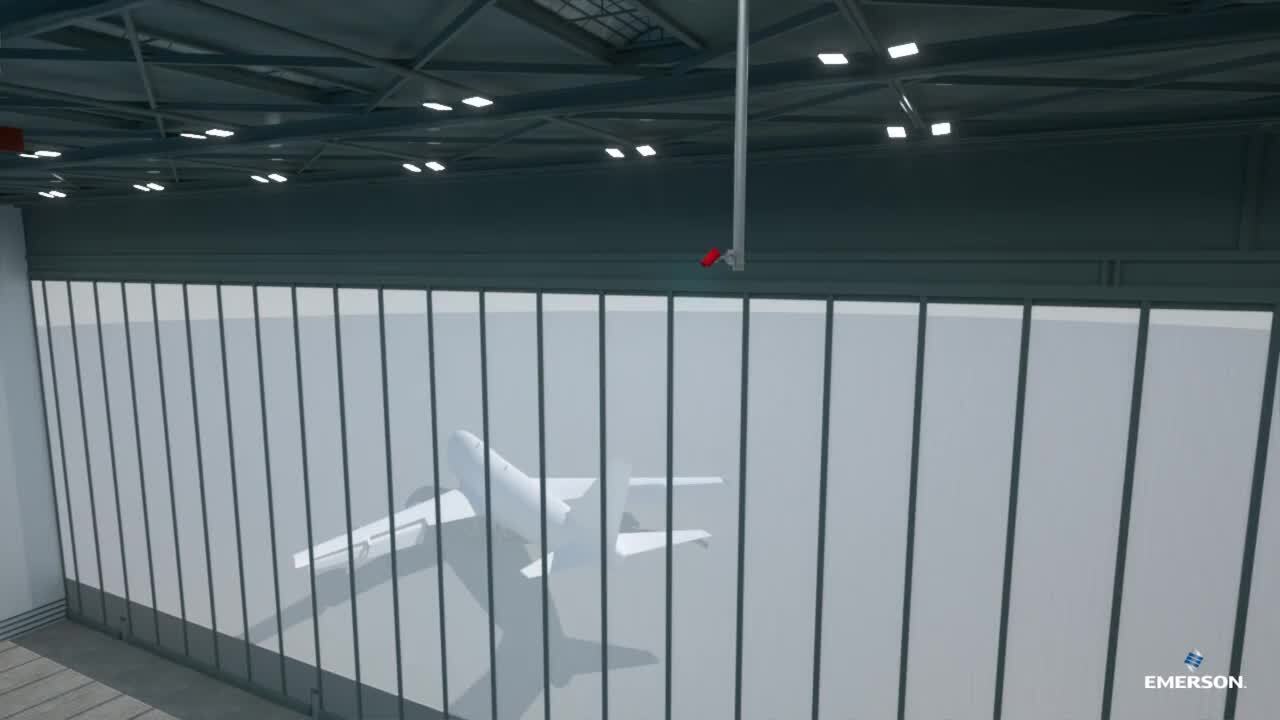
Emerson Flame detectors feature a built-in function test that eliminates the need for manual rounds with a flame simulator. The built-in-test (BIT) monitors dirty optics and checks sensor performance, device outputs, and the entire electronic circuitry, providing an automatic maintenance call if the device needs attention.
Lower Installation Costs
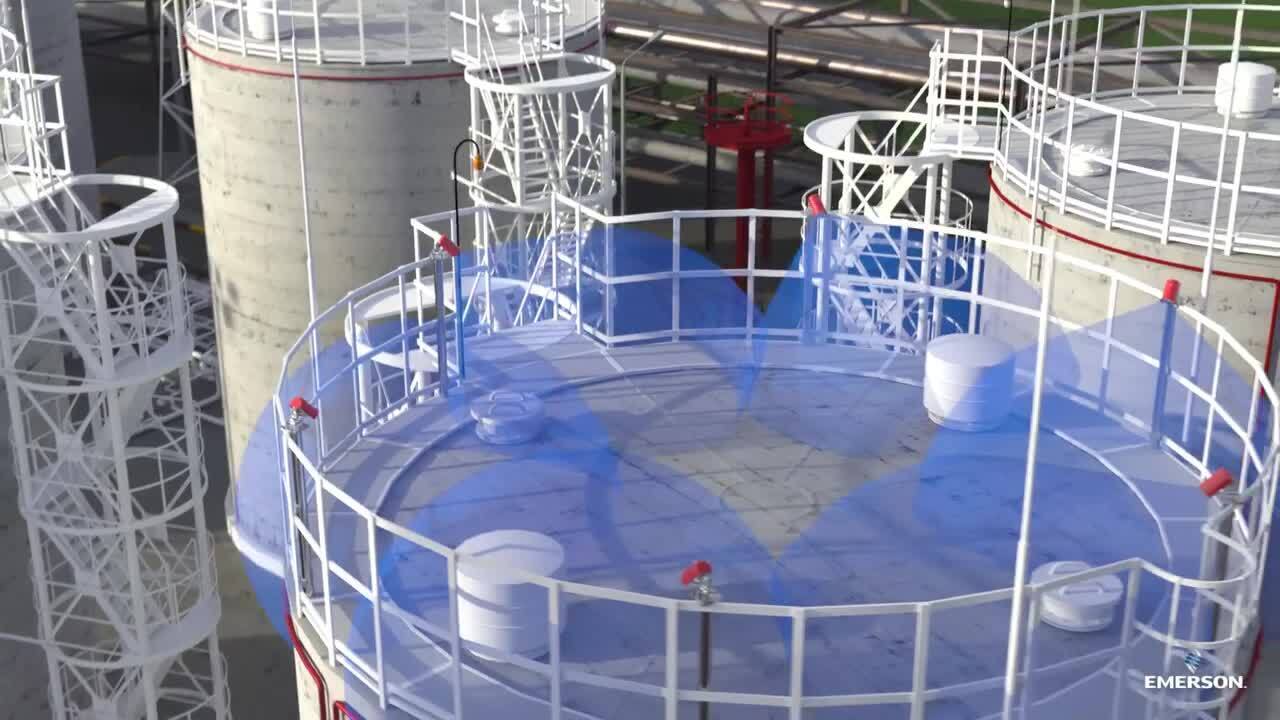
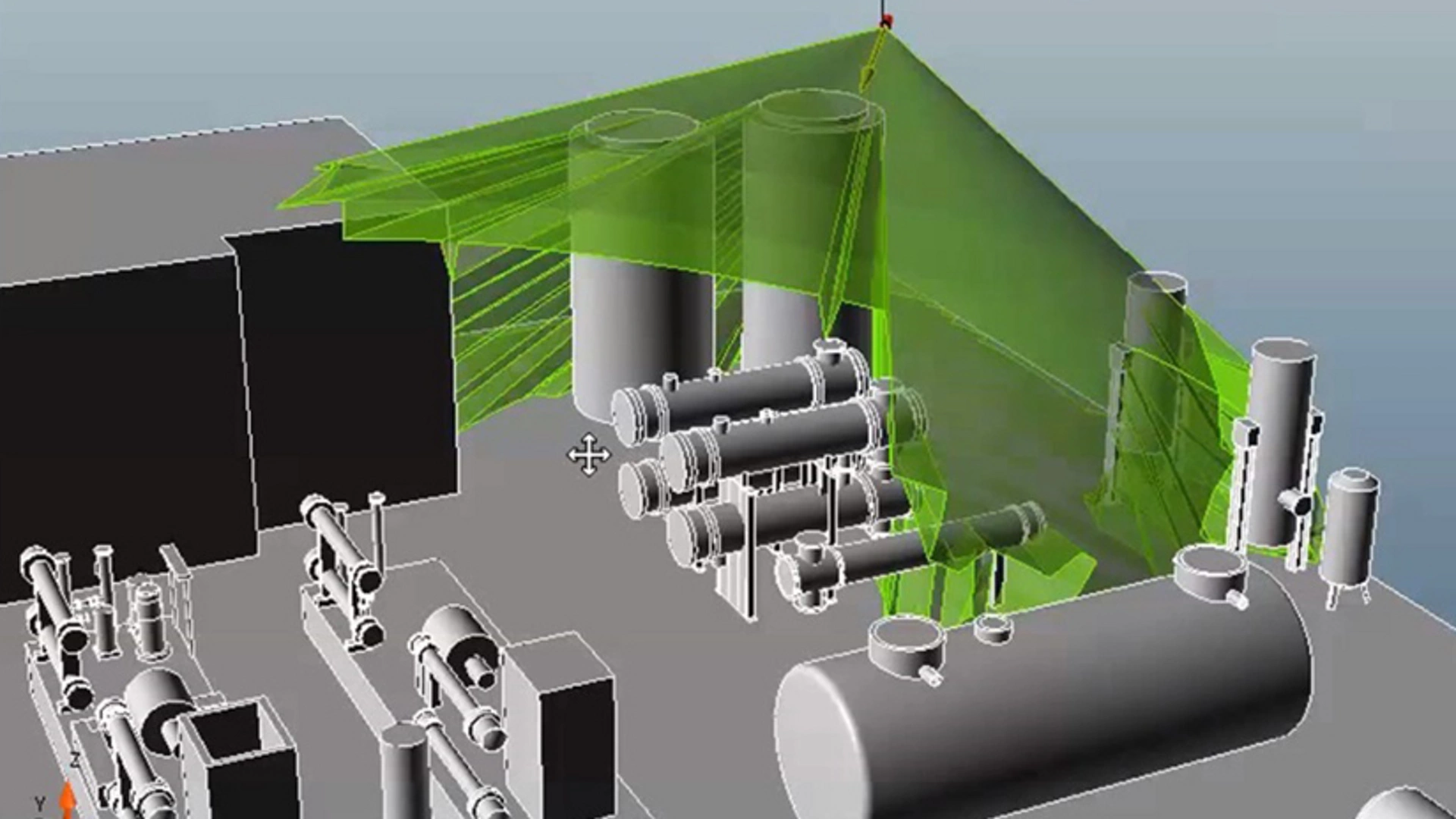
Emerson Flame Detectors with QuadSense™ triple infrared (IR3) technology provide market leading detection range and coverage area, allowing you to protect your assets with fewer detectors. Fewer detectors mean lower installation costs and less maintenance.

Reduce Unplanned Downtime
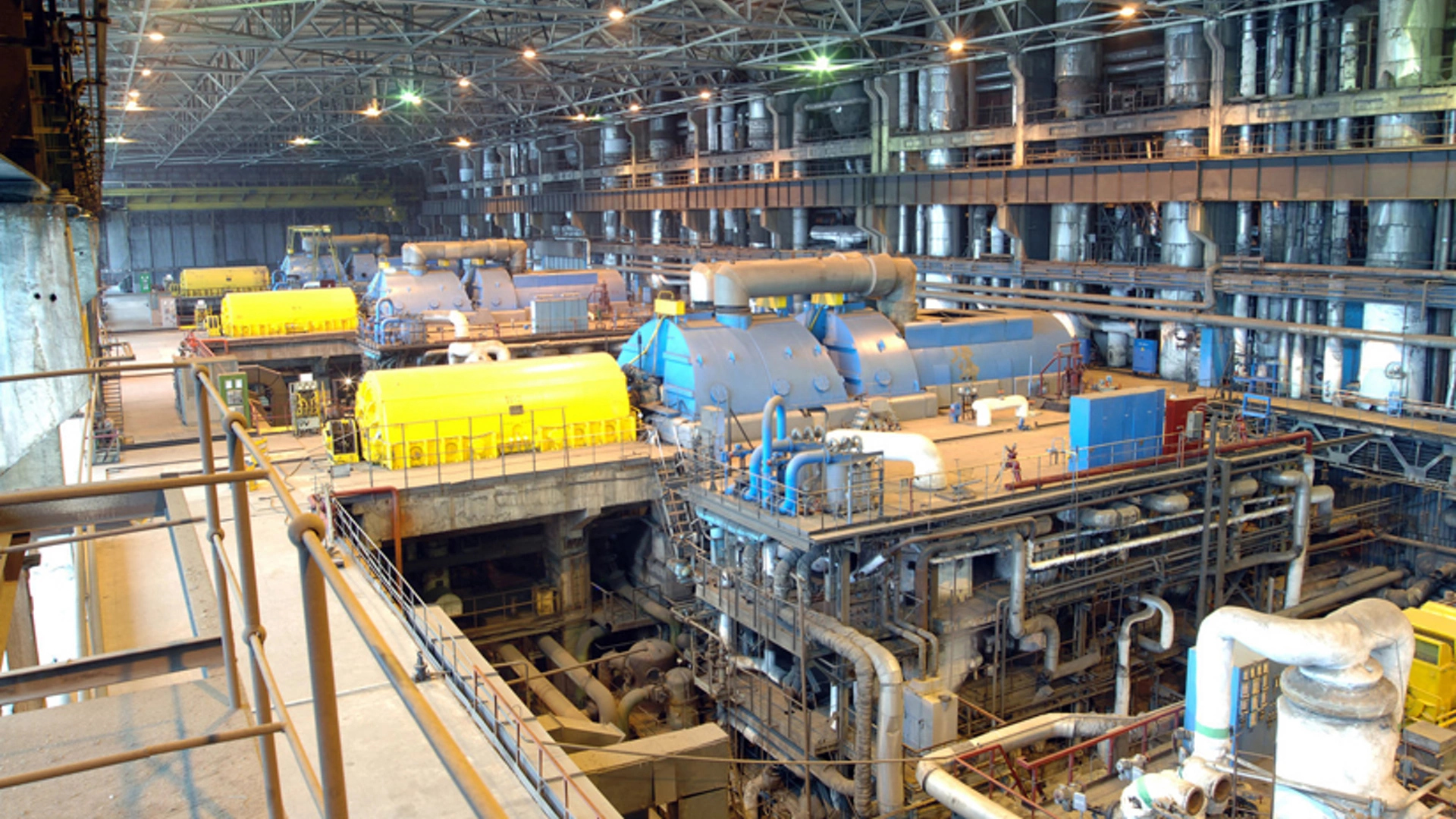
Environmental conditions such as solar irradiation, reflections, lightning, and hot objects like heat exchangers, power generators, compressors, turbines, and other non-flame sources can cause costly false alarms. Emerson’s QuadSense technology uses four infrared sensors and two independent IR3 detection channels to distinguish background interference, providing exceptional false alarm immunity.
Improve Safety
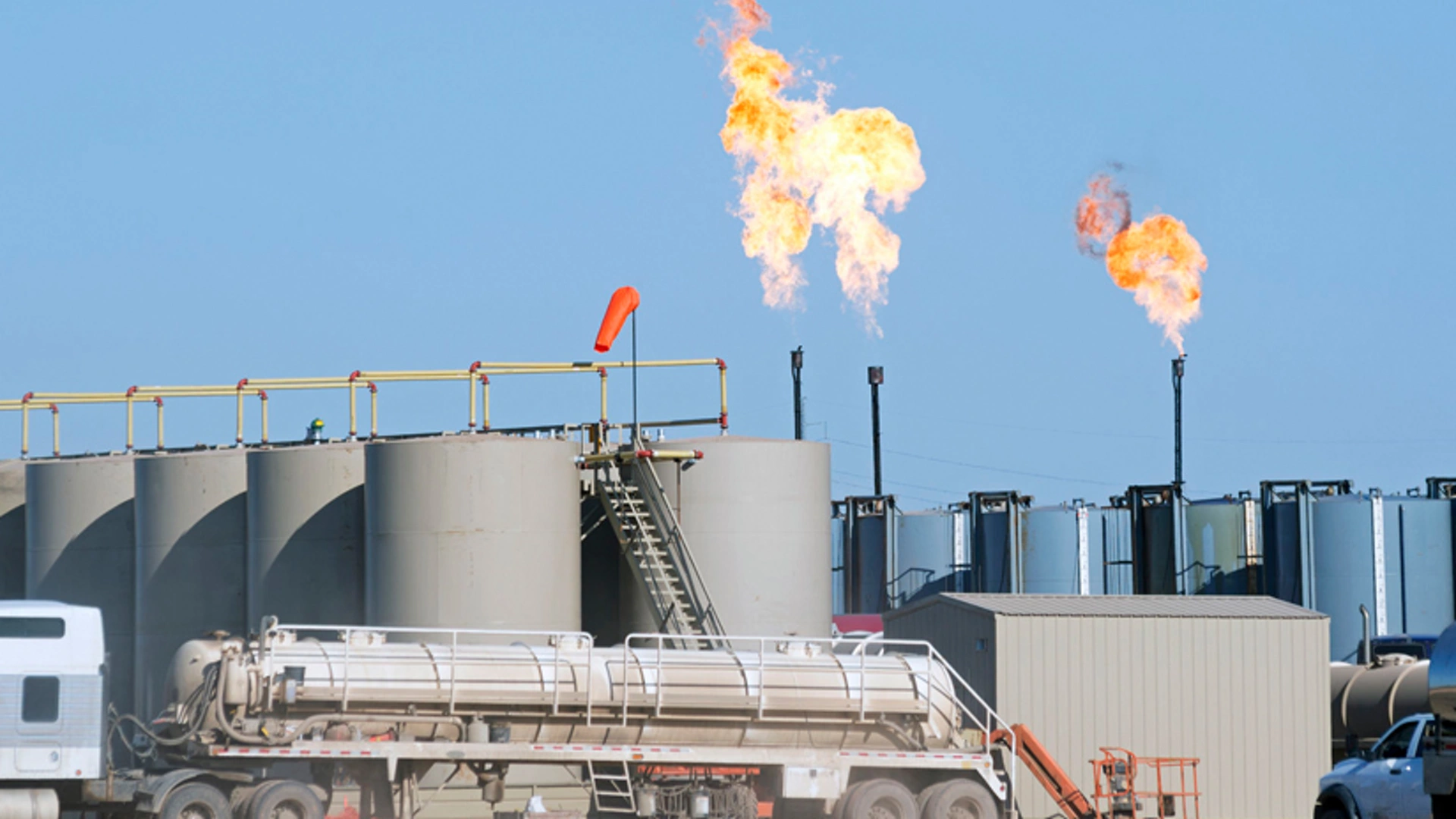
Emerson’s Rosemount 975 flame detector is certified to detect 28 substances across industries, ensuring reliable detection of hydrocarbon and non-hydrocarbon fires, from flash fires to continuous flames. With global and regional performance approvals, it delivers trusted fire detection in demanding environments.
Flame Detection Technology
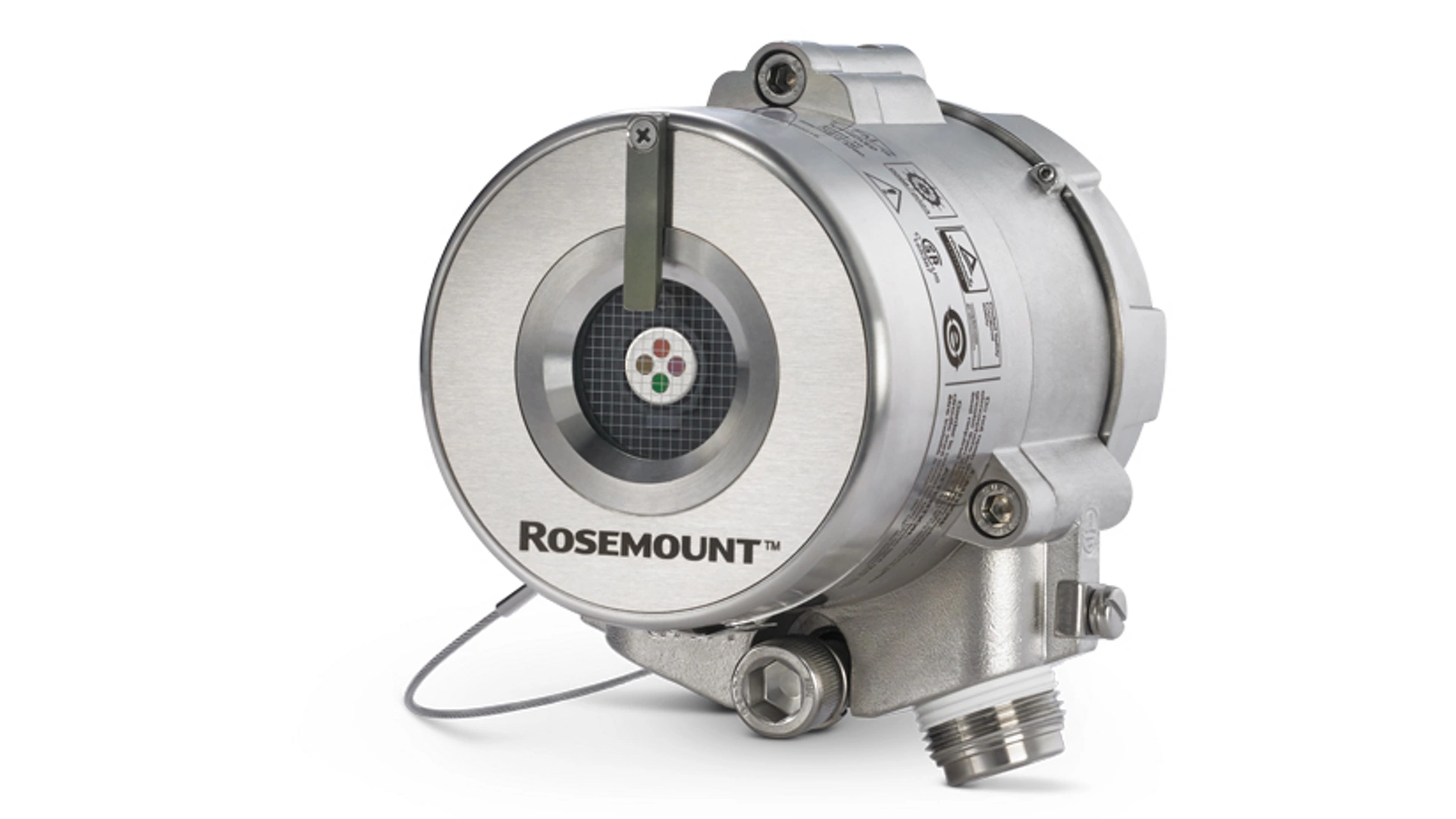
QuadSense™ Triple Infrared (IR3) Flame Detectors
Triple infrared (IR3), or multi-spectrum infrared (MSIR), is a cutting-edge flame detection technology offering long detection range and strong false alarm immunity. It uses three infrared sensors to analyze infrared wavelength ratios. Emerson's QuadSense improves IR3 with four infrared sensors and two IR3 channels, boosting false alarm immunity and extending detection range to 300 ft (90 m).
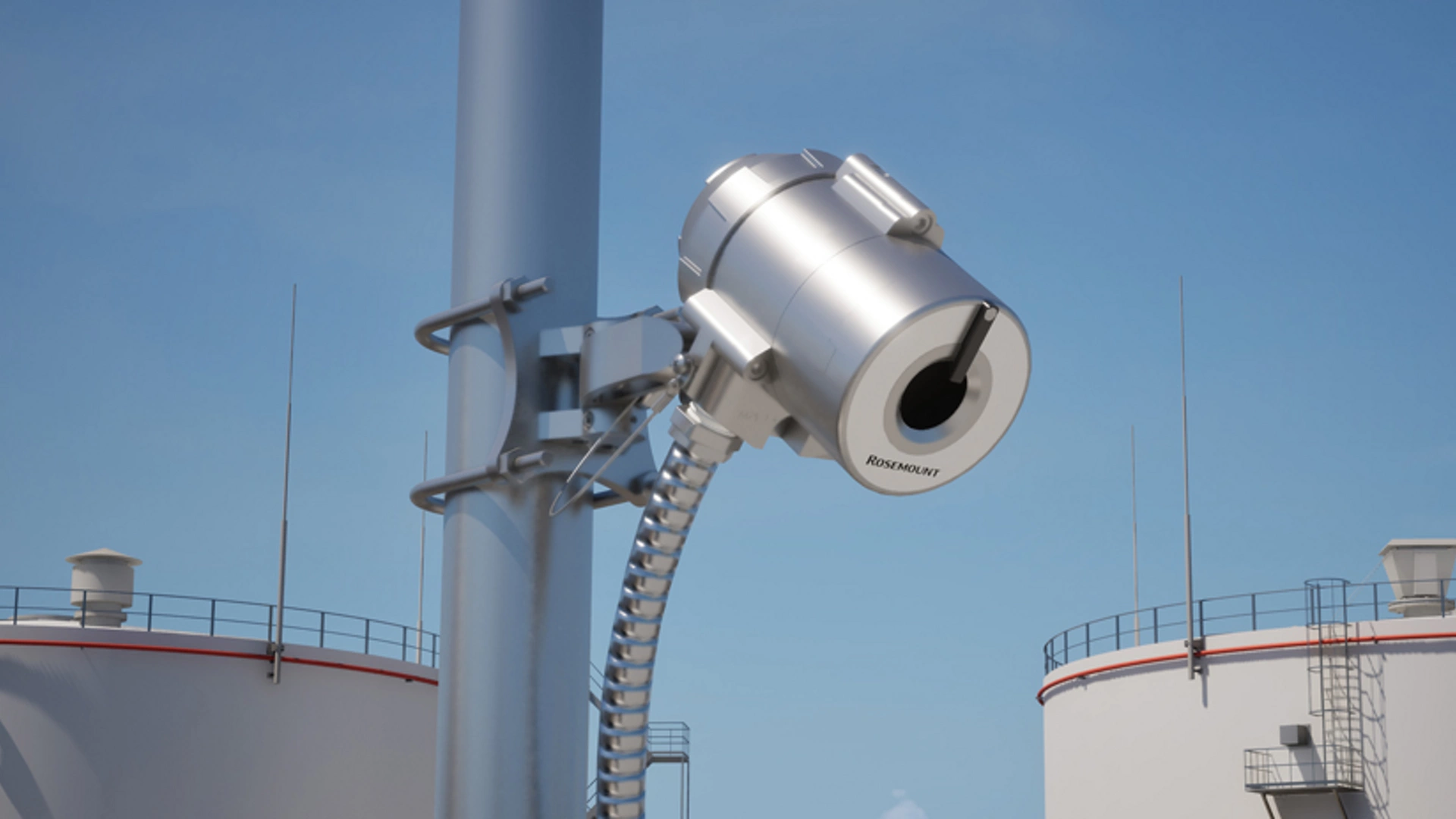
Ultraviolet Infrared (UV/IR) Flame Detectors
UV/IR detectors use dual sensors to capture UV and IR radiation from flames, ideal for inorganic fuel fires. Though IR3 technology offers broader detection and lower false alarms for most use cases, UV/IR remains crucial where IR3 falters, ensuring precise detection of non-hydrocarbon fires. Select UV/IR for specialized applications requiring detection of challenging fire sources.
Other Flame Detector Technologies
Traditional flame detectors, such as UV, single IR, and visual types, are now mostly replaced by UV/IR and IR3 technologies. These newer systems provide enhanced detection capabilities, including greater accuracy and reduced false alarms. Select UV/IR or IR3 for modern, efficient flame detection that meets advanced safety standards and optimizes your operational security.
Which Flame Detector Is Best for You?
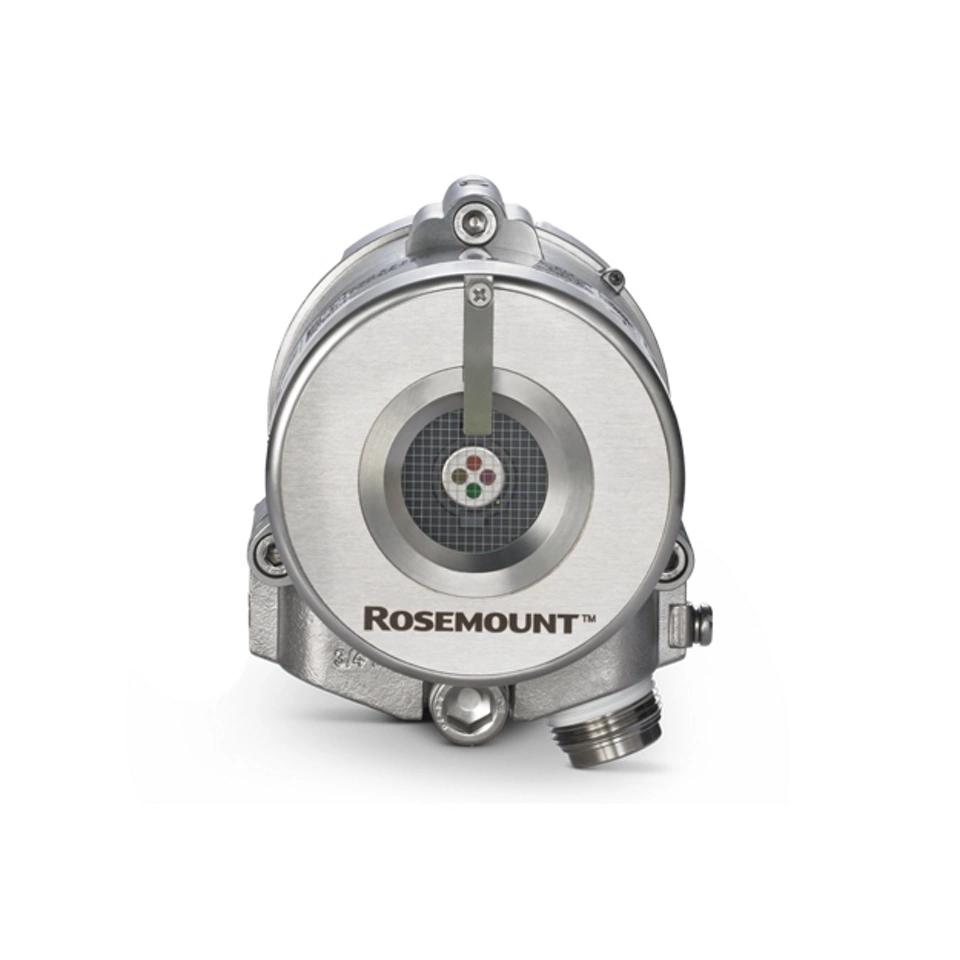
Rosemount 975 with QuadSense Technology
Superior detection of hydrocarbon and hydrogen fires in any application
Key Features:
300 ft (90 m) detection range and widest field of view
Heated optics for reliable performance in challenging applications
Proven false alarm immunity
Ultrafast response
Flash fires and continuous fires detection
Field-of-view integrity test
Increased safety HAZLOC approvals
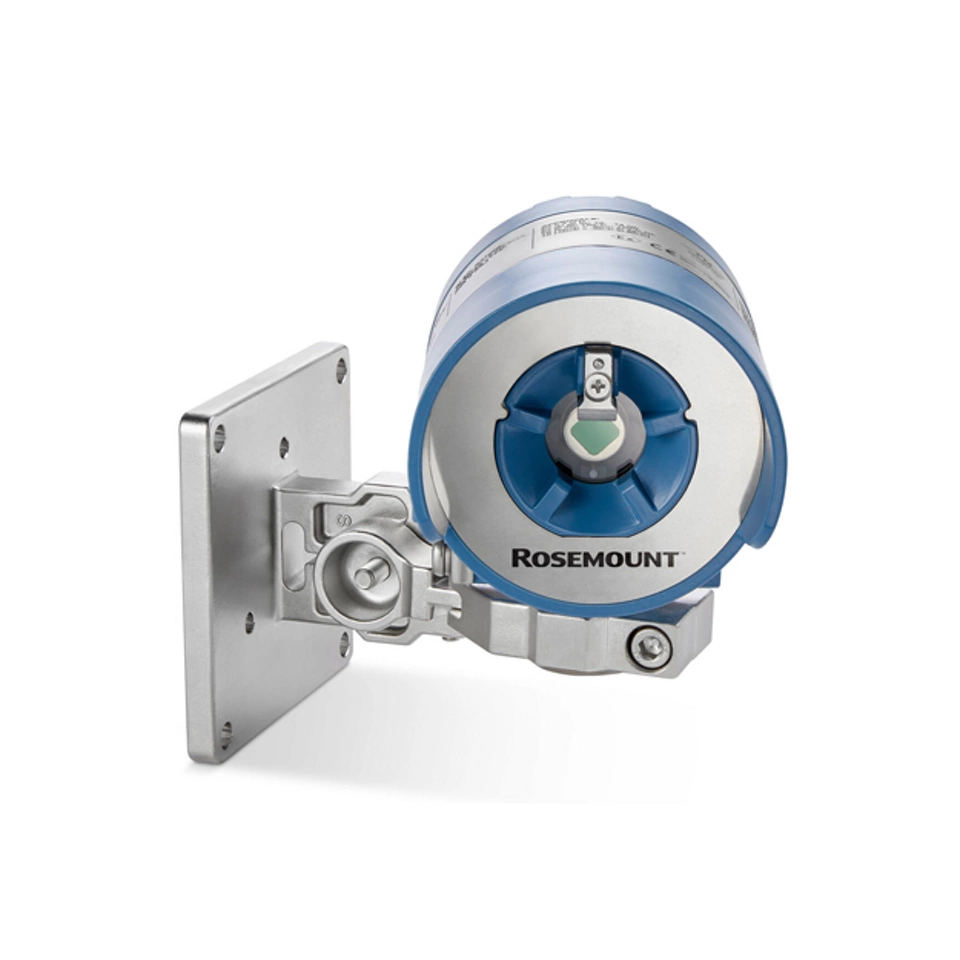
Rosemount 965 with QuadSense Technology
Reliable detection of hydrocarbon fires for commercial and industrial applications
Key Features:
150 ft (45 m) detection range
Compact design
Low power consumption
Available in ordinary locations version and with flameproof/explosion proof HAZLOC approvals
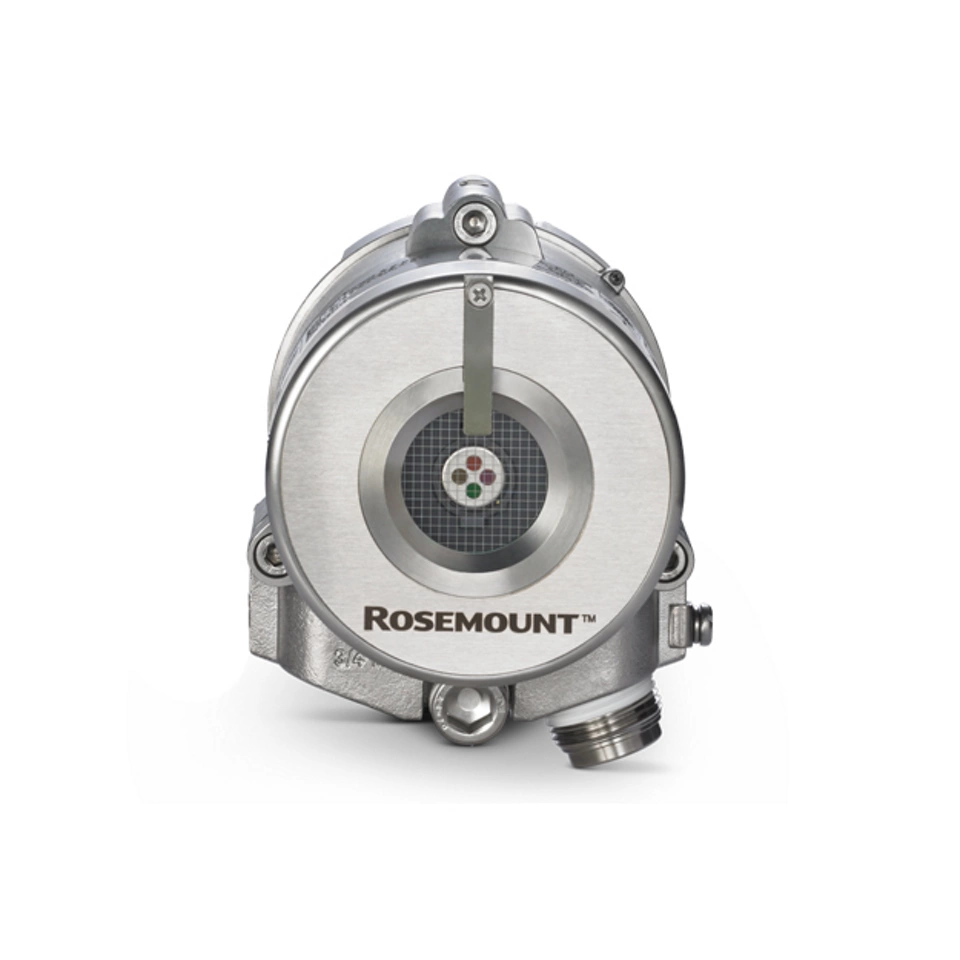
Rosemount 975 with UV/IR Technology
The preferred choice for detecting fires from inorganic fuel sources
Key Features
93 ft (28 m) detection range
Heated optics for reliable performance in challenging applications
Ultrafast response
Flash fires and continuous fires detection
Field-of-view integrity test
Increased safety HAZLOC approvals
Detects hydrocarbon, hydrogen, and inorganic fires
Videos
Explore Emerson's flame detector videos to learn about advanced detection technologies including ultrasonic gas leak detection, point-gas detection, flame detection, and smoke detection.
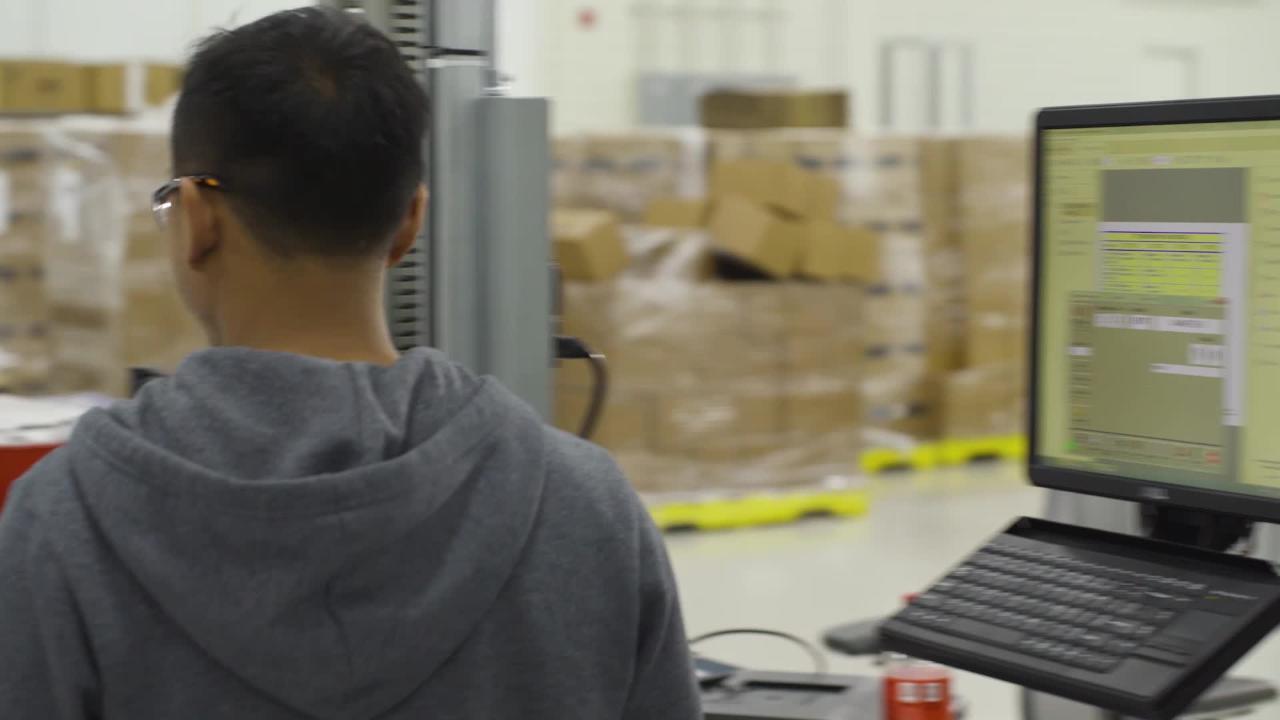
Rosemount™ Flame and Gas Detection Solutions: Readily Available
Rosemount™ Flame and Gas Detection Solutions: Readily Available
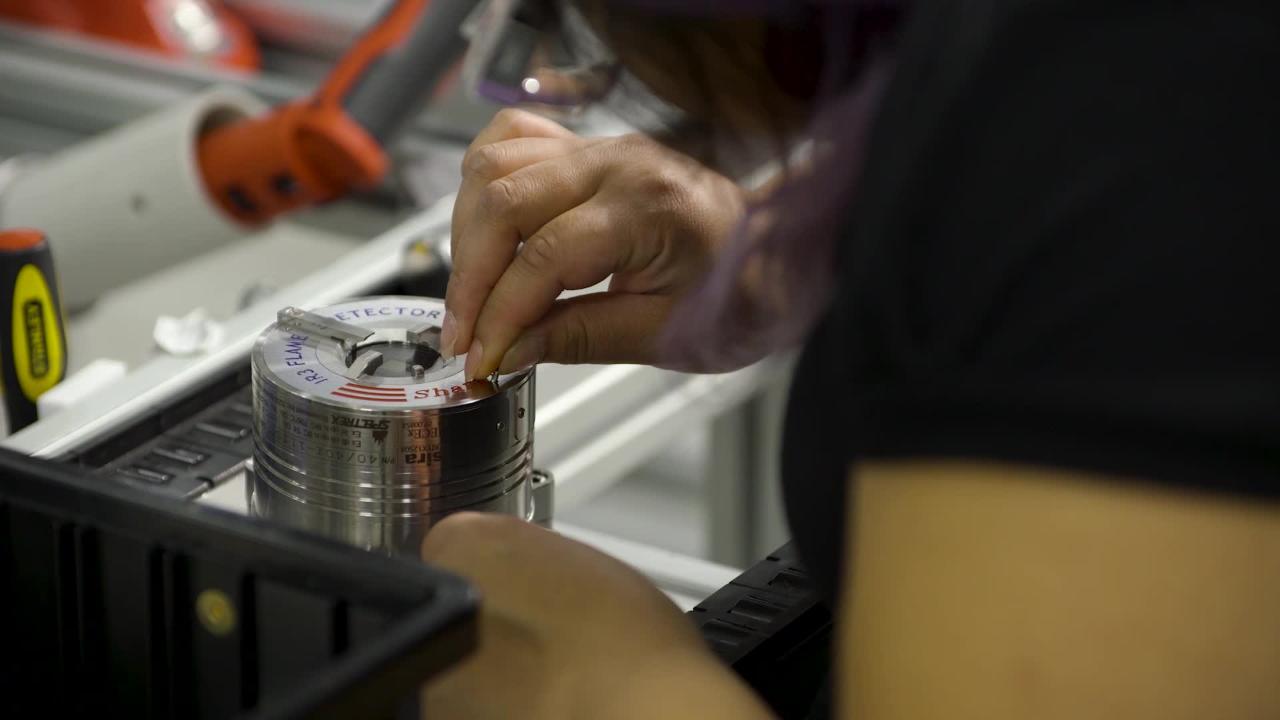
Rosemount™ Flame and Gas Detection Solutions: High Quality Standards
Rosemount™ 975 Series Flame Detectors in Tank Farms
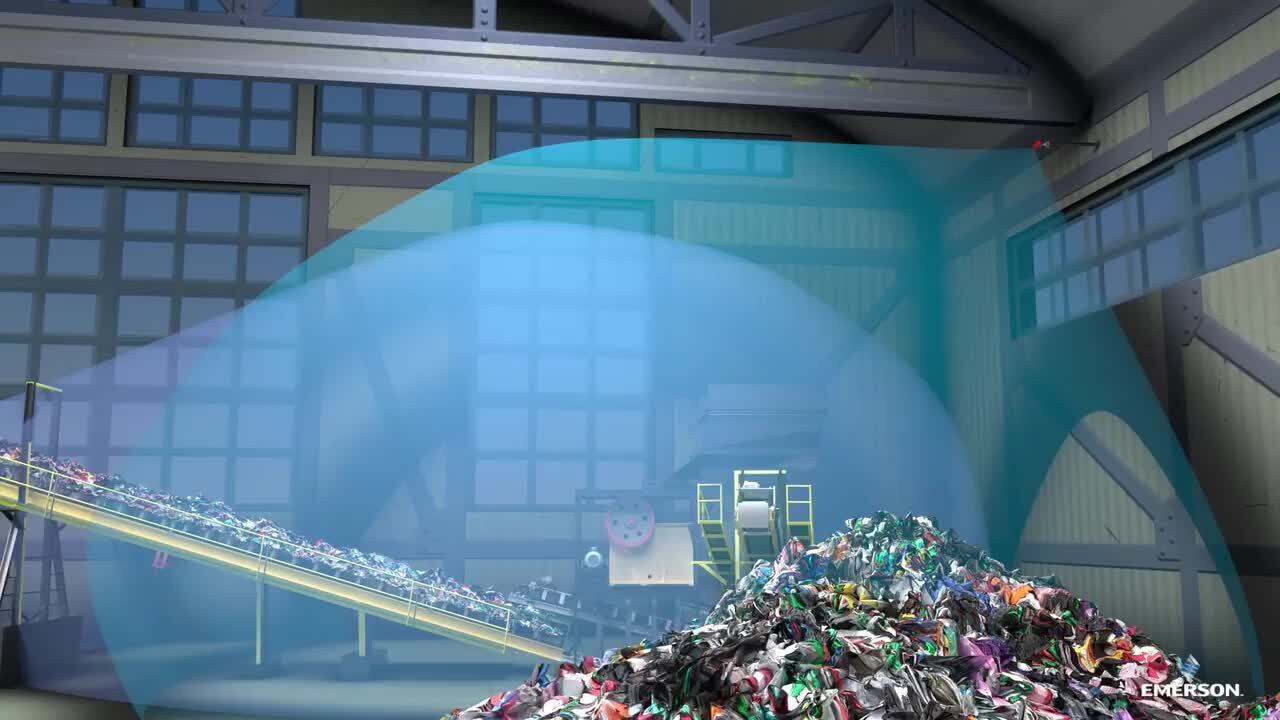
Rosemount™ 975 Series Flame Detectors in Waste Management
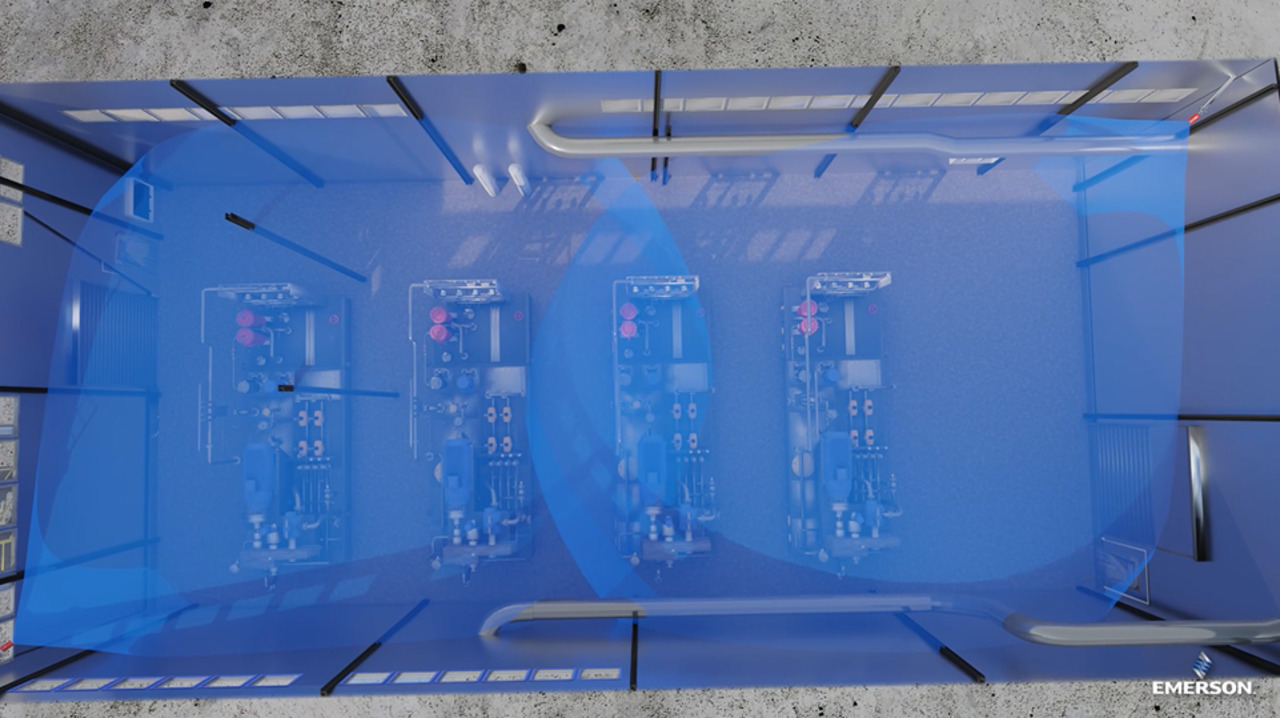
Rosemount™ 975 Series Flame Detectors for Compressor Stations