
Ensure Safe, Reliable and Efficient Cargo Operations
Products
How It Works
Tank Level Measurement
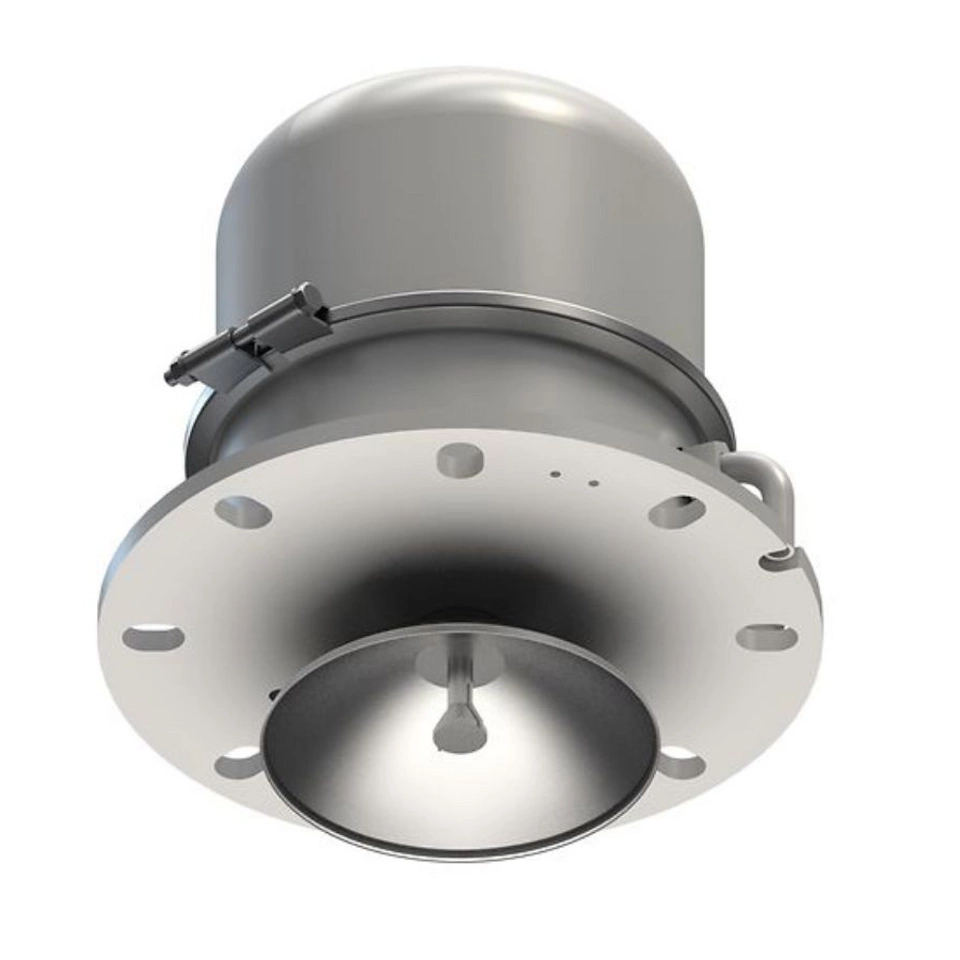
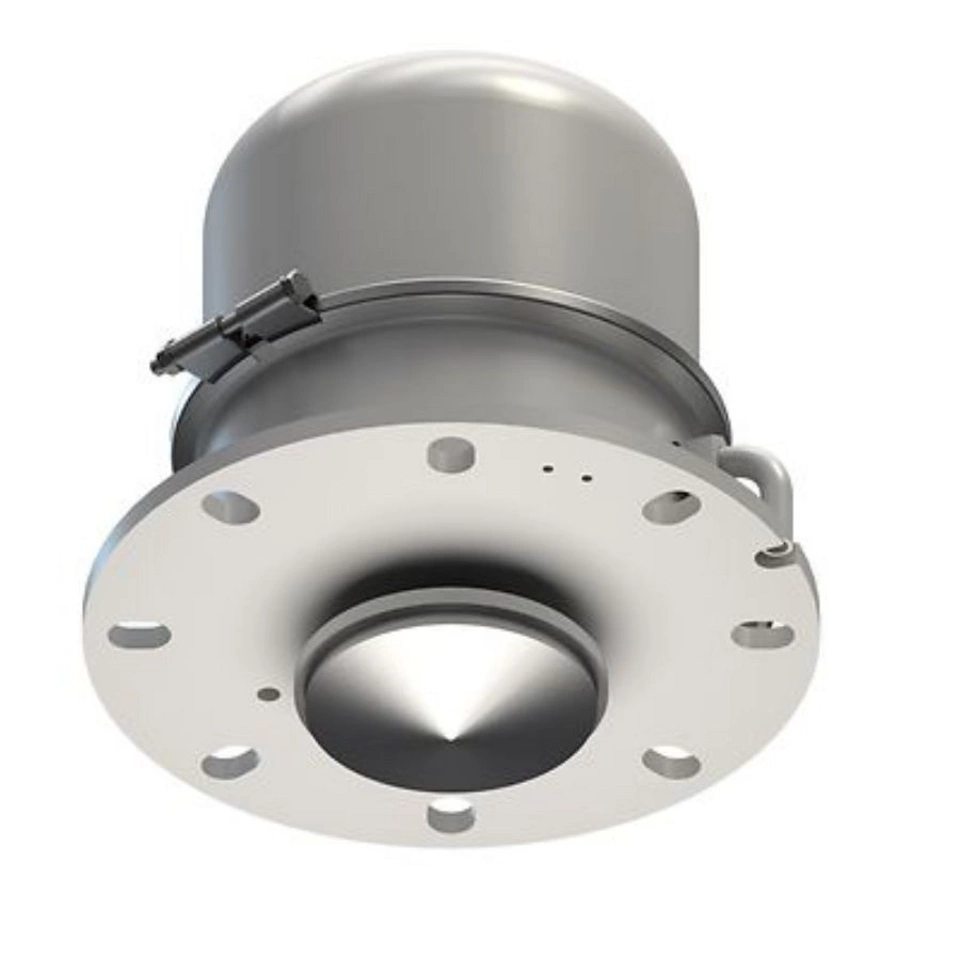
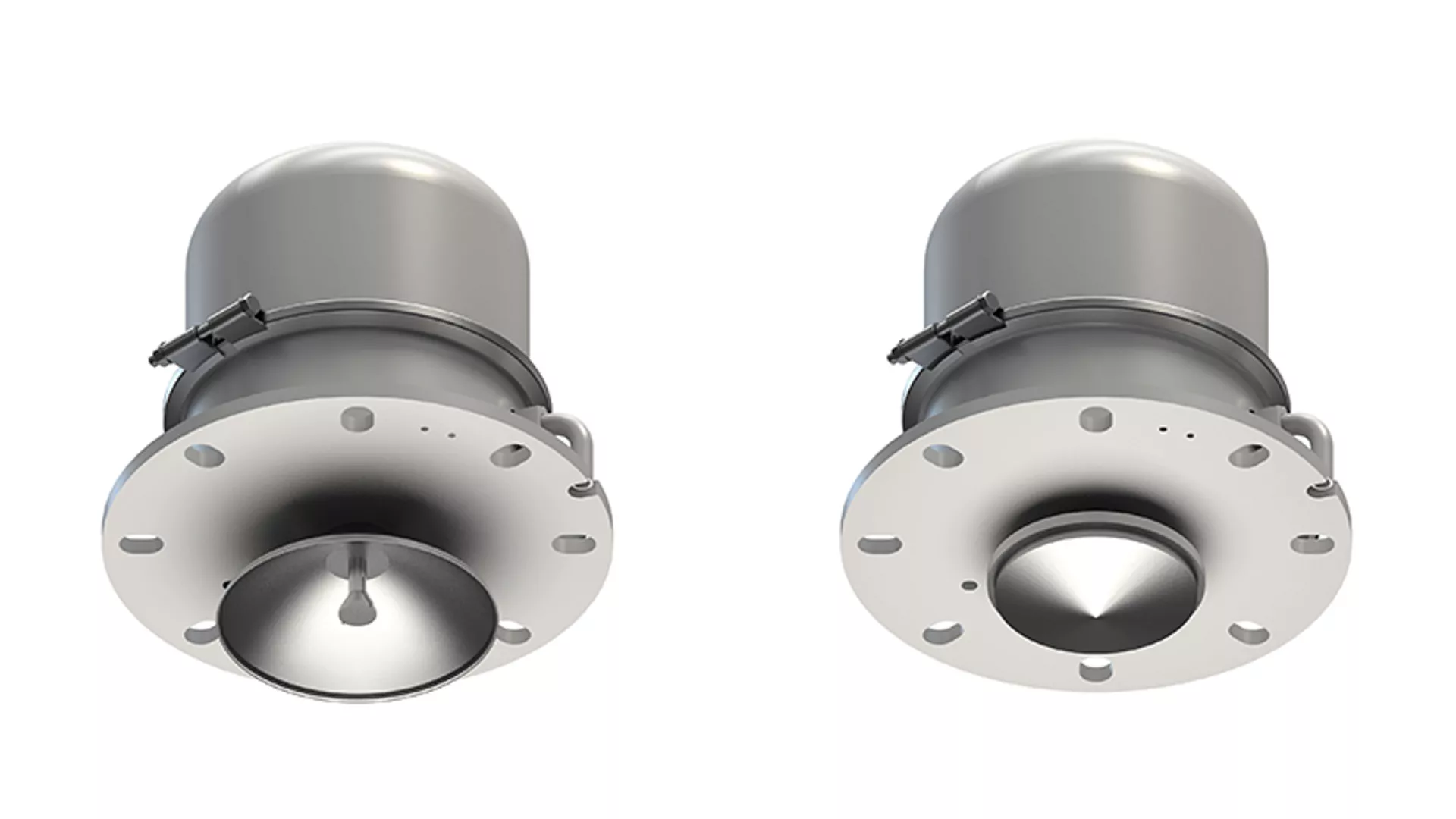
Tank radar gauge is designed for harsh conditions on tankers and offshore units, serving as the most critical part of the cargo monitoring system. FMCW technology enhances radar signal strength, providing superior level measurement reliability with a higher signal-to-noise ratio. Various antenna types and frequency bands are available, and their selection is crucial for optimizing cargo operations.
Product Applications
Resources
Video: Cargo Monitoring System
Brochure: Rosemount Cargo Monitoring System
Case Study: Shell Creates World’s First Floating LNG
Frequently Asked Questions
Our Cargo Monitoring System delivers real-time data on tank level, temperature, vapor pressure and more - ensuring compliance and efficient operations. This FAQ covers questions related to the Cargo Monitoring System.
Emerson uses advanced technology and strict quality control to ensure our instruments meet specifications with a precision of at least ±3σ (sigma), providing a confidence level of 99.73%. You can trust our instruments to work accurately and consistently, helping you run your operations smoothly and efficiently.
The International Association of Classification Societies Unified Requirement E27 focuses on the cyber resilience of onboard systems and equipment. While E26 addresses the cyber resilience of ships, targeting shipbuilders and owners/operators, E27 is aimed at individual system component vendors. Both standards should be considered together for a comprehensive assessment of a ship’s cybersecurity profile.
Our Cargo Monitoring System is compliant with E27 Cybersecurity.
Frequency Modulated Continuous Wave. Instead of measuring time, gauges using FMCW technology transmit a radar signal with a frequency increasing over time to create a signal sweep. After the signal is reflected by the liquid surface, the echo is picked up by the antenna. As the transmitted signal is constantly varying in frequency, the echo has a slightly different frequency compared to the signal being transmitted at that moment. The difference between these frequencies is directly proportional to the distance from the transmitter to the liquid surface, which enables the level to be accurately measured. An advantage of this technique is that the process variable information is in the frequency domain instead of the amplitude modulated or time difference domain, which allows more accurate signal conversion. This is the same advantage that FM radio has over AM radio. Most tank noise sources are in the amplitude domain, so FM signal processing can ignore them, and accuracy is not affected.
Emerson’s Cargo Monitoring System uses a gauge version of vapor pressure sensors, ensuring independence from a single atmospheric pressure sensor. Zero trim adjustments and sensor replacements without exposing the tank to the atmosphere is possible with the optional test valve located inside the tank radar gauge housing.
The absolute version requires atmospheric compensation, and if this sensor malfunctions, it affects all tanks.
Yes, level, high level, and overfill alarm systems can be integrated into the same tank radar gauge unit. These integrated systems can be installed as independent systems, meeting international standards. For details, refer to the type approval certificate of the respective class.