
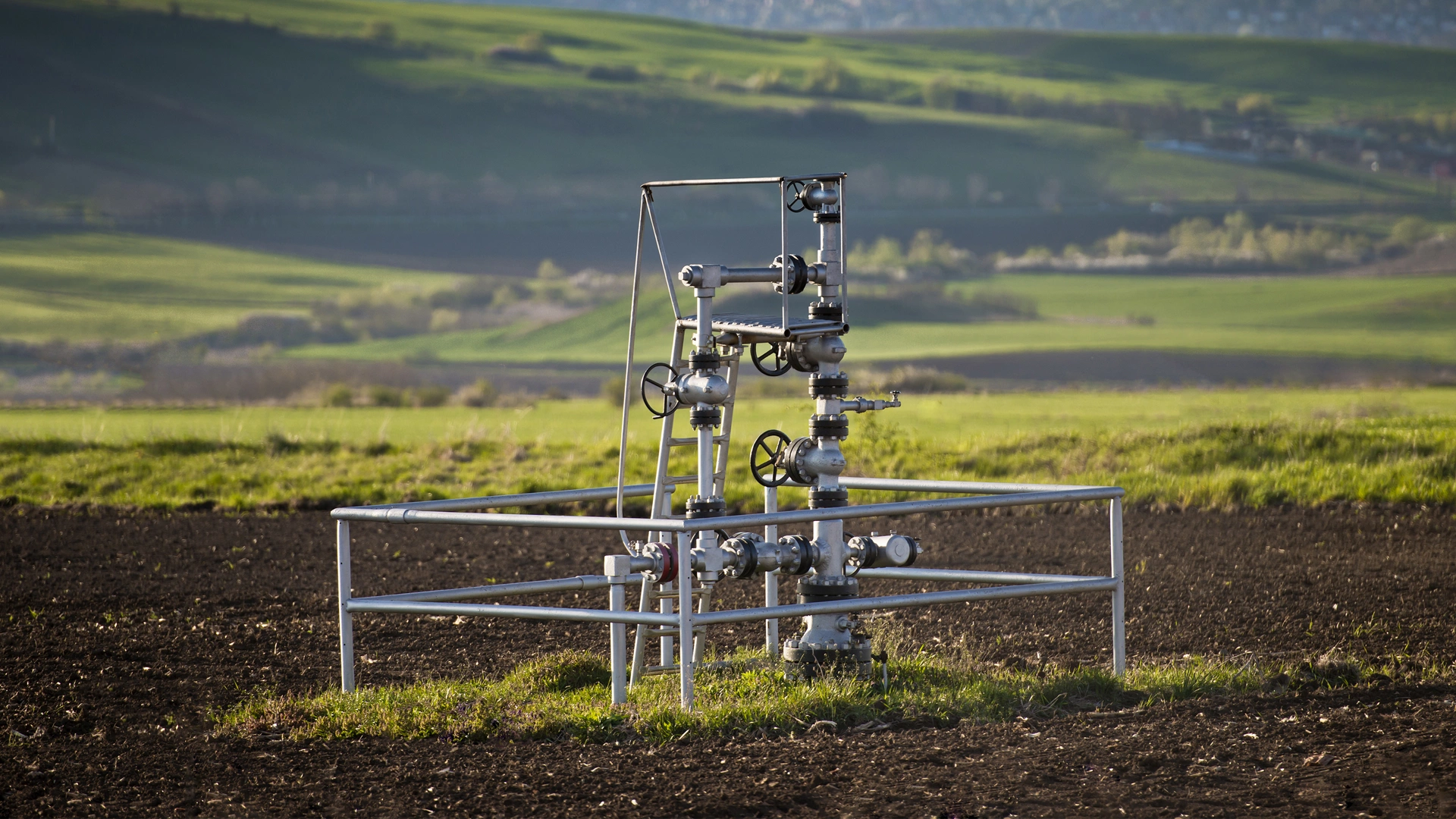
Multiple discrete transmitter options are available to suit a variety of application requirements.
Products
Product Applications
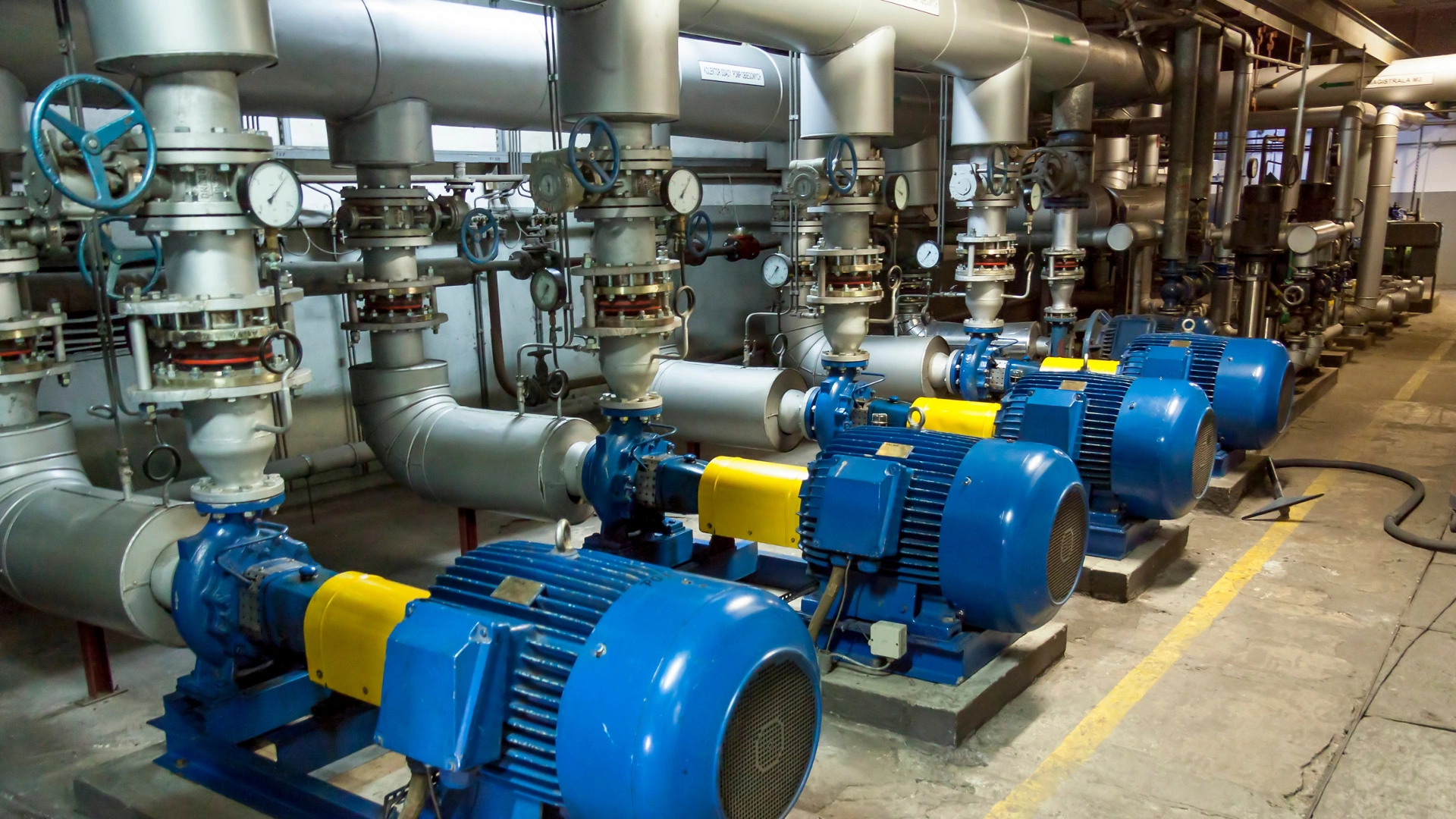
Remote Monitoring Applications
Many assets have access to electric power for actuating or driving the device itself, but providing wired control infrastructure to these points is cost prohibitive. Wireless devices offer installation flexibility. Typical assets requiring remote monitoring:
Motor operated valve control and position monitoring
Manual open/close or on/off valve monitoring and control
Pump station monitoring and control
Product Comparison
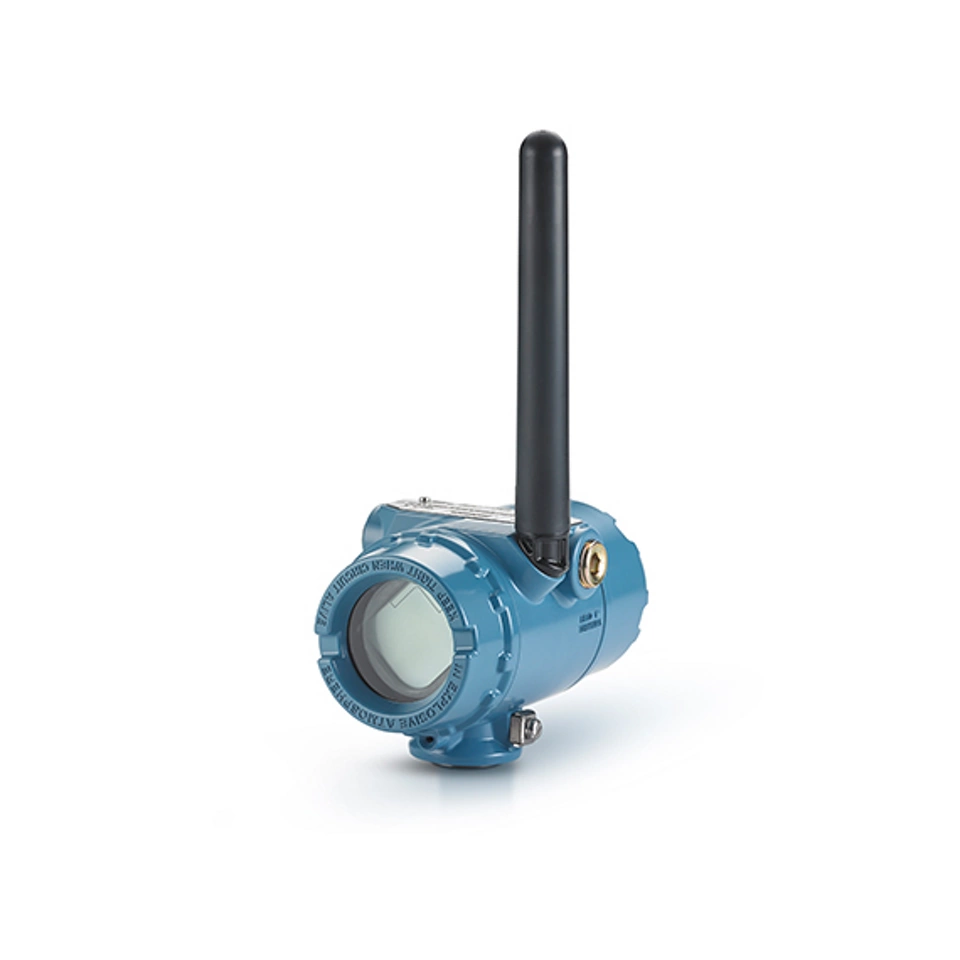
Rosemount™ 702 Wireless Discrete Transmitter
Two discrete channels, each user configurable to input or output (I/O)
Integral LCD display conveniently displays the primary switch input and diagnostics of the transmitter
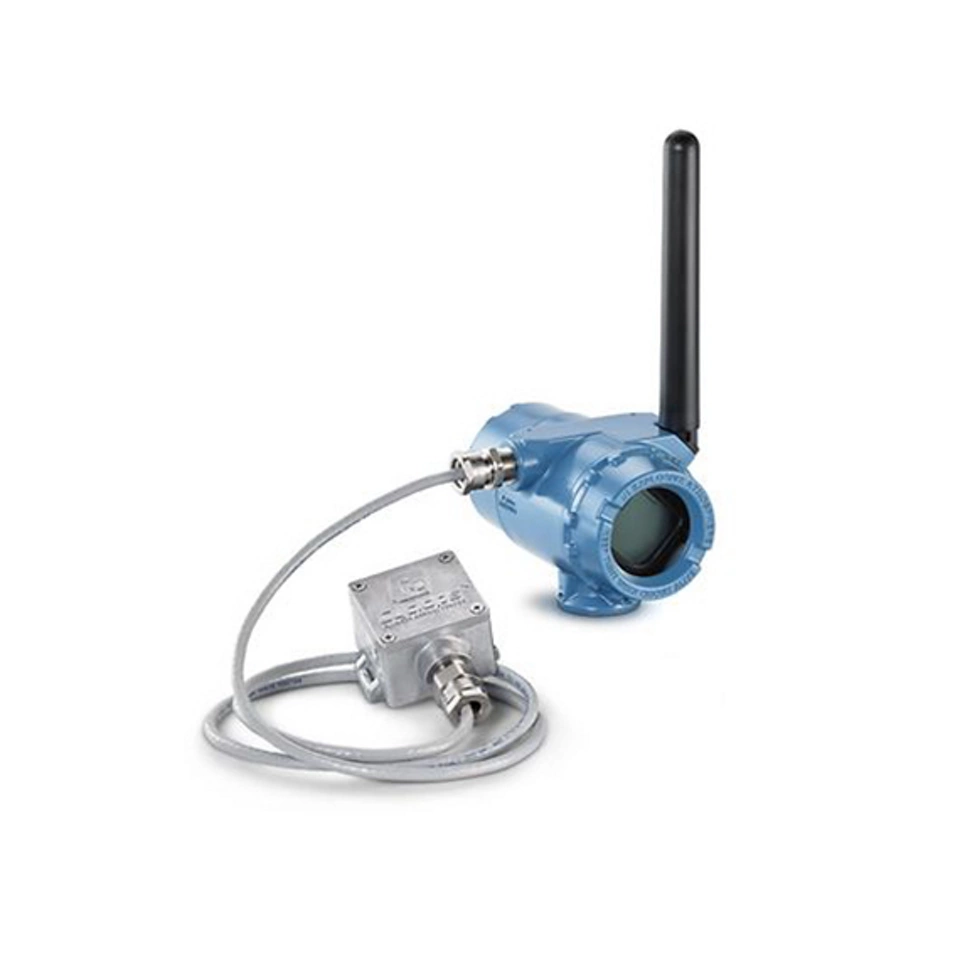
Rosemount™ 702 for Plunger Arrival Detection
Designed specifically to be used in natural gas well pads that use plungers to help with well efficiency
Designed for compatibility with the ETC Cyclops Plunger Arrival (model ET-11000)
Ability to latch plunger arrival events for a configurable duration
Optional LCD displays the latched plunger sensor state, power output state, and transmitter diagnostics
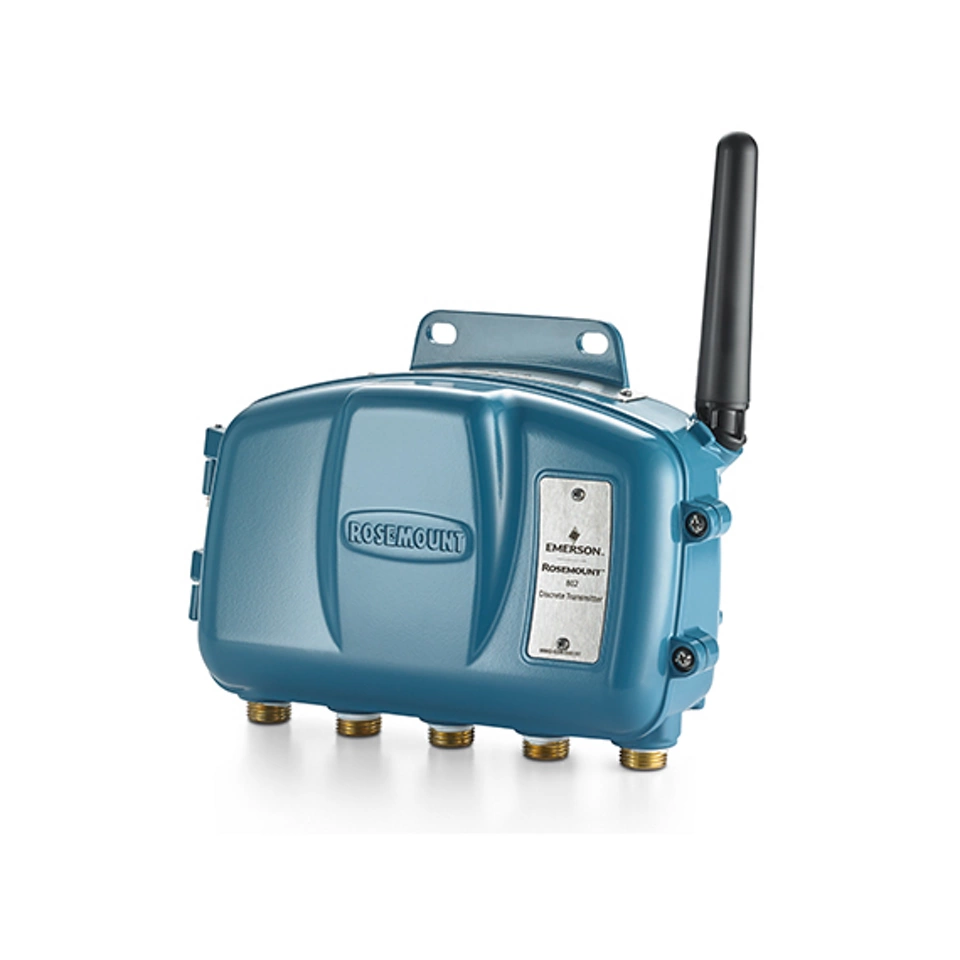
Rosemount™ 802 Wireless Discrete Transmitter
Eight discrete channels, each user configurable to input or output (I/O)
Premier choice for high-density discrete I/O applications
Hazardous-rated, environmentally protected
Versatile power options, including 701P SmartPower Module - Black or 10-30 Vdc external power
Resources
Video: Rosemount 802 Wireless Multi-Discrete I/O, Providing Flexible Discrete Control and Monitoring
Case Study: Koppers Enhances Safety and Reliability with Wireless Solutions for Pollution Control
Case Study: Bitumen Tank Farm Mitigates Risk of Overspill with Wireless Discrete Transmitters
Frequently Asked Questions
Discrete Wireless Basics
A wireless discrete transmitter digitizes on/off signals from switches, sensors, and relays and communicates their status over a secure WirelessHART® network to control or monitor a system. It is commonly used to bring visibility to remote assets, such as valve positions, pump status, safety shower activations, and well pad equipment. Emerson's wireless discrete transmitters can also provide a discrete output signal, enabling both remote monitoring and basic control from a single wireless point.
Choosing the Right Transmitter
For single or dual discrete monitoring or control, the Rosemount 702 is the most cost effective solution. The Rosemount 802 is best for high density discrete monitoring and control applications. Both transmitters can be powered by the 701PBKKF Smart Power Module, but for applications with demanding update rates, the Rosemount 802 can also be powered by 10-30 VDC external power. Additionally, the 702 has a specific model designed for oil and gas plunger lift detection. For this application, the 702 Punger Arrival Detection would be the preferred solution.
Process automation typically relies on wireless measurements such as pressure, temperature, flow, and level using devices like the 3051S Wireless Pressure Transmitter. These measurements are used for process monitoring and control as an alternative to wired monitoring points, providing visibility into process parameters while reducing signal wiring and I/O costs by communicating through a WirelessHART gateway. Discrete automation focuses on monitoring and control of discrete states and events, such as a switch status, valve position, pump run status, alarm signals, plunger arrival indication, and other equipment conditions. The Rosemount 702 and 802 Wireless Discrete Transmitters are designed specifically for these applications, enabling remote monitoring and control of digital inputs and outputs. Both process and discrete automation operate on the same WirelessHART network and communicate through the same gateway, allowing a single wireless infrastrcuture to support both process and discrete automation applications.
Applications & Safety
Wireless discrete transmitters automate safety status data that was previously manual or unmonitored:
- Safety Shower and Eyewash Stations: Alerts personnel when a safety shower or eyewash station is activated, enabling faster emergency response times. The Rosemount 702 or 802 can be paired with a TopWorx GO Switch, which features a latching mechanism. The latching mechanism ensures the incident was physically verified, and that personnel responded to the event accordingly.
- Equipment Status Monitoring: The Rosemount 702 and 802 can remotely monitor the position of valves, pumps, rupture disks, and other field equipment. This reduces the need for personnel to make routine visits to hazardous or remote locations.
- Rotating Equipment Covers and Guards: The Rosemount 702 and 802 can be paired with a TopWorx GO Switch to monitor when machine guards or covers are removed. Personnel can be alerted when a guard has been removed, helping prevent equipment startup while it is being serviced.
- Access Monitoring: The Rosemount 702 and 802 can be used to monitor when safety gates or confined space doors have been opened or closed. This provides indication when access points are opened and creates an electronic record of entry events.
All Rosemount™ 702 and 802 transmitters are intrinsically safe certified for use in hazardous areas, including FM, CSA, ATEX, and IECEx ratings.
Top applications include:
- Remote asset monitoring — well pads, tank farms, pumping stations, and other stranded assets where wiring is cost prohibitive
- Personnel safety monitoring - safety showers, eyewash stations, safety gates, machine guards, and access points where event notification or logging is required
- Wellhead automation — plunger arrival detection, valve position indication, remote shutdown verification, and equipment status monitoring
- Process switch monitoring - level, pressure, temperature, and flow switch monitoring where visibility is needed but wiring is cost prohibitive
Integration & Lifecycle
Rosemount™ 702 and 802 transmitters communicate over the same WirelessHART® network as Emerson process transmitters, connecting to your DCS, PLC, or SCADA through an Emerson™ Wireless 1410S Gateway using HART-IP, OPC UA, Modbus®, or EtherNet/IP™. Battery life is up to 10 years for the Rosemount 702, and up to 7 years with the Rosemount 802 at a 1 minute update rate. Battery life depends on the device's update rate (selectable from 1 second to 60 minutes), network position, and operating conditions. The Rosemount 702 is powered by an intrinsically safe SmartPower™ module that can be replaced in hazardous areas. The Rosemount 802 can also be powered by an intrinsically safe SmartPower module or by 10-30VDC external power. Devices also act as repeaters, strengthening the mesh network as additional WirelessHART devices are added. Learn more about Emerson SmartPower Modules.