Level Measurement Technologies Overview
For engineers and industrial professionals, understanding level measurement is crucial for process optimization and safety compliance. This page explores various level measurement technologies, offering insights into their optimal selection and use.
The term level probe, also referred to as a level sensor or level detector, in the context of level measurement refers to devices that monitor the position of surfaces inside tanks, reactors, or other vessels. These probes determine the distance between a reference point, typically the base of the container, and the surface of a liquid, the top of a solid material, or the interface between two liquids. By providing precise control over material levels, tank level probes ensure efficient management in various industrial processes and applications.
Level Measurement Instruments and Systems
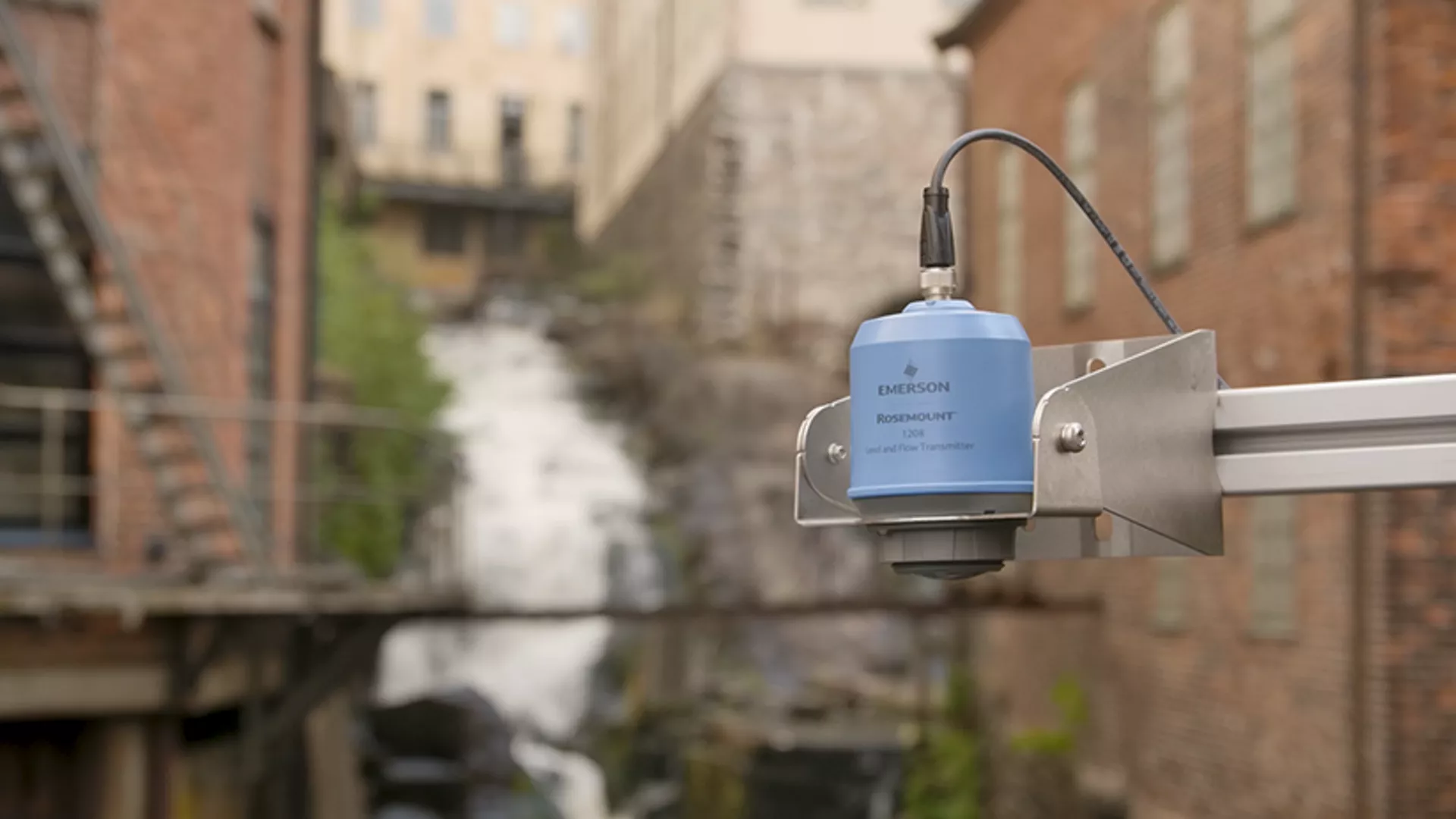
Level Sensors and Transmitters
A level sensor is a device that detects the level of substances, including liquids, slurries, granular materials, and powders. These devices help maintain correct levels in tanks and vessels to prevent overflow, reduce wastage, and support process efficiency.
In practice, level sensor is an umbrella term that can refer to:
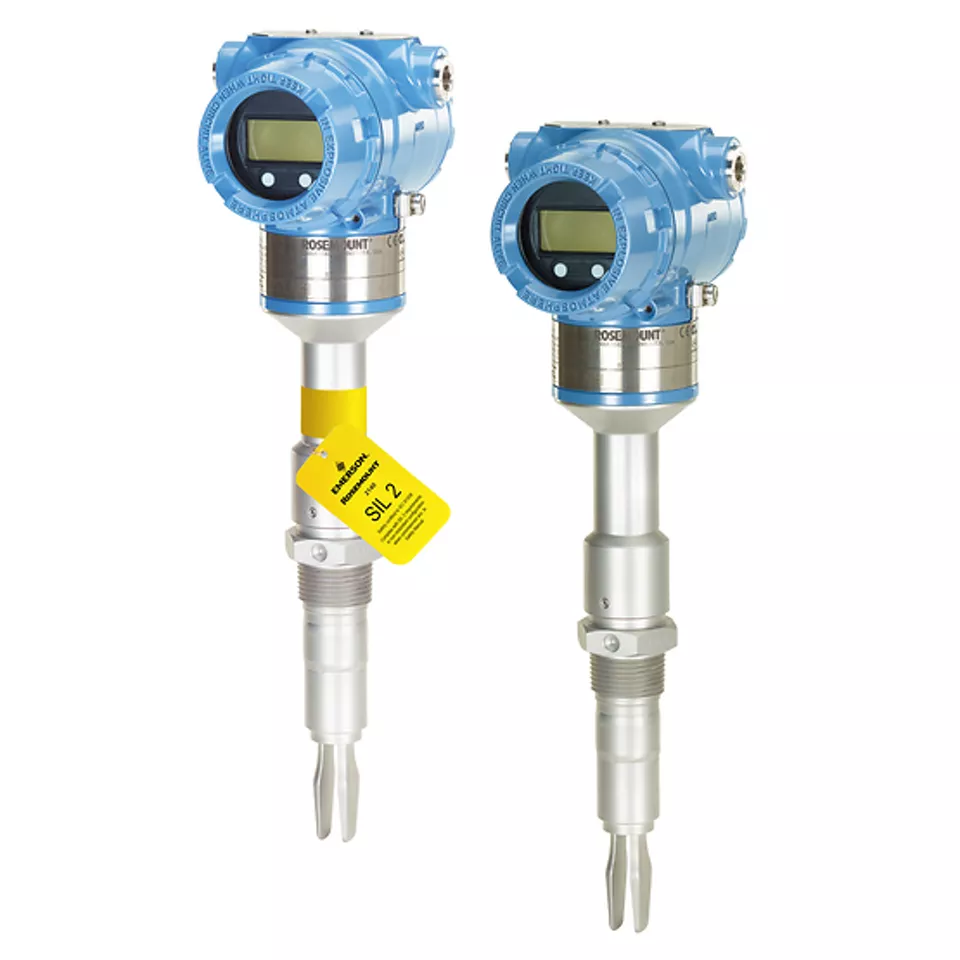
- Level switches for point level detection
- Level transmitters for continuous level measurement
Level transmitters provide continuous measurement and include:
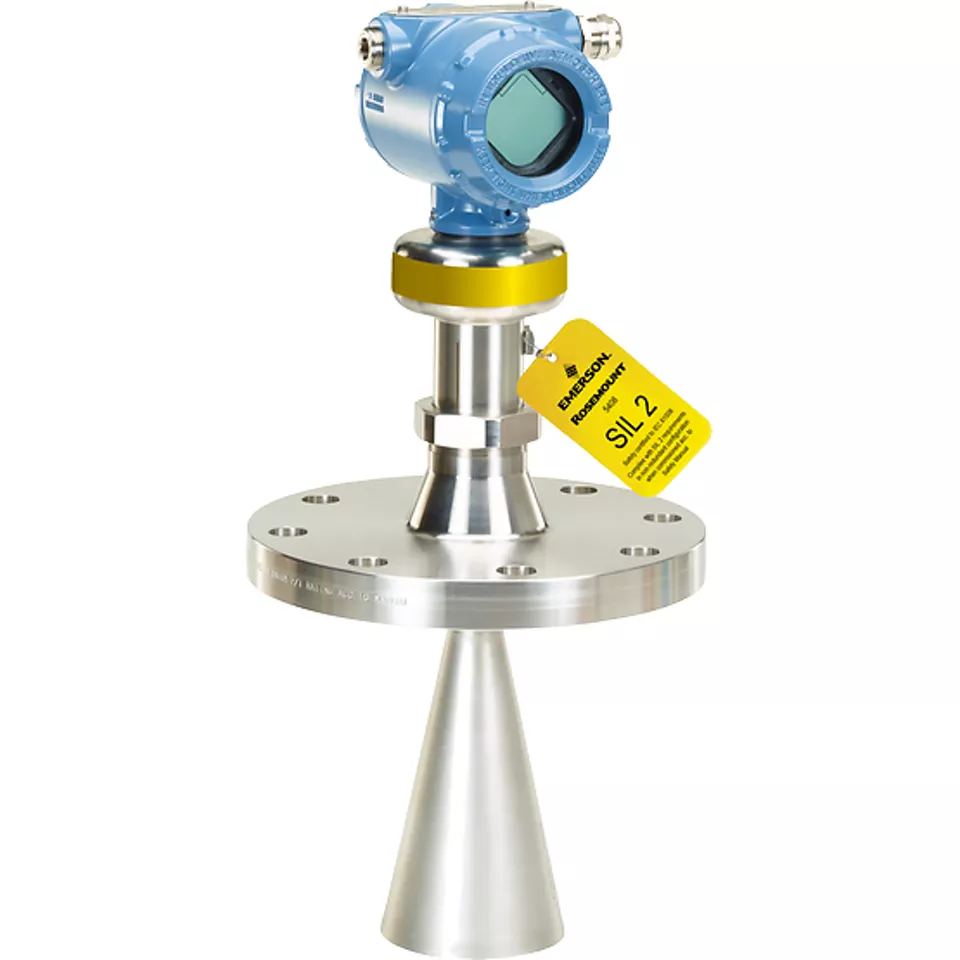
- Non‑contacting radar
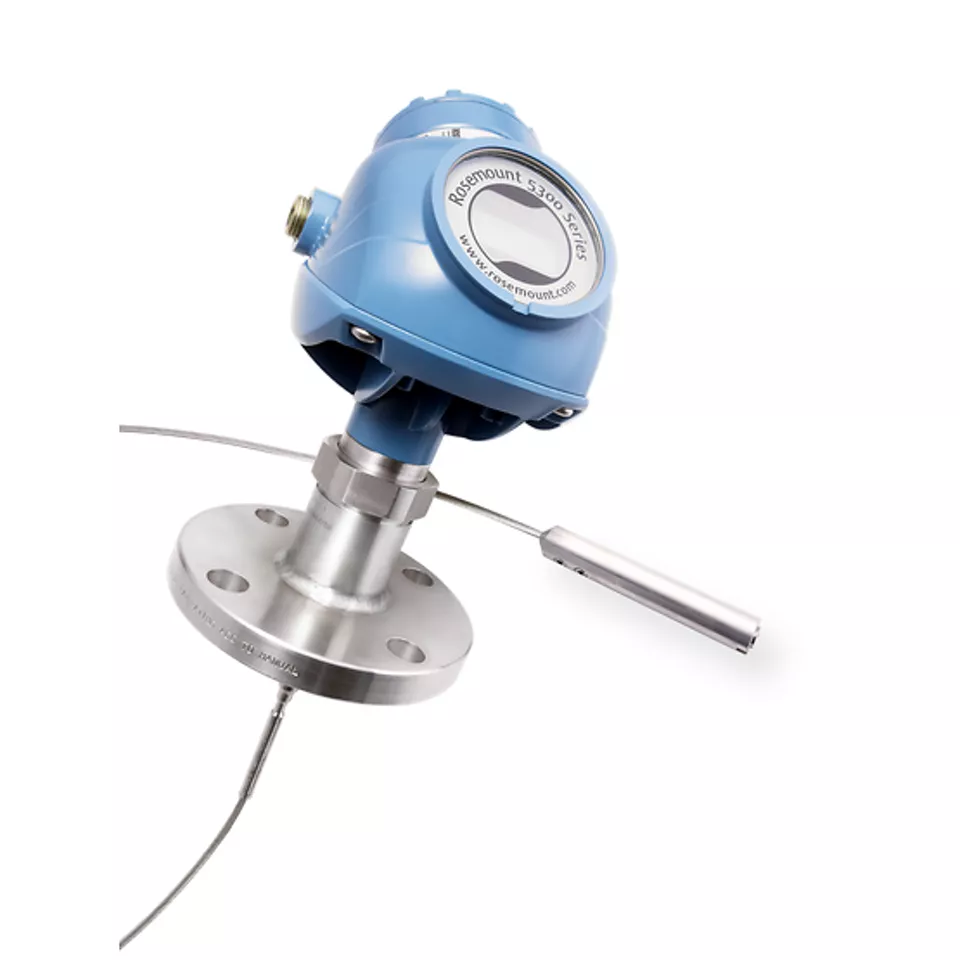
- Guided wave radar
- DP level transmitters
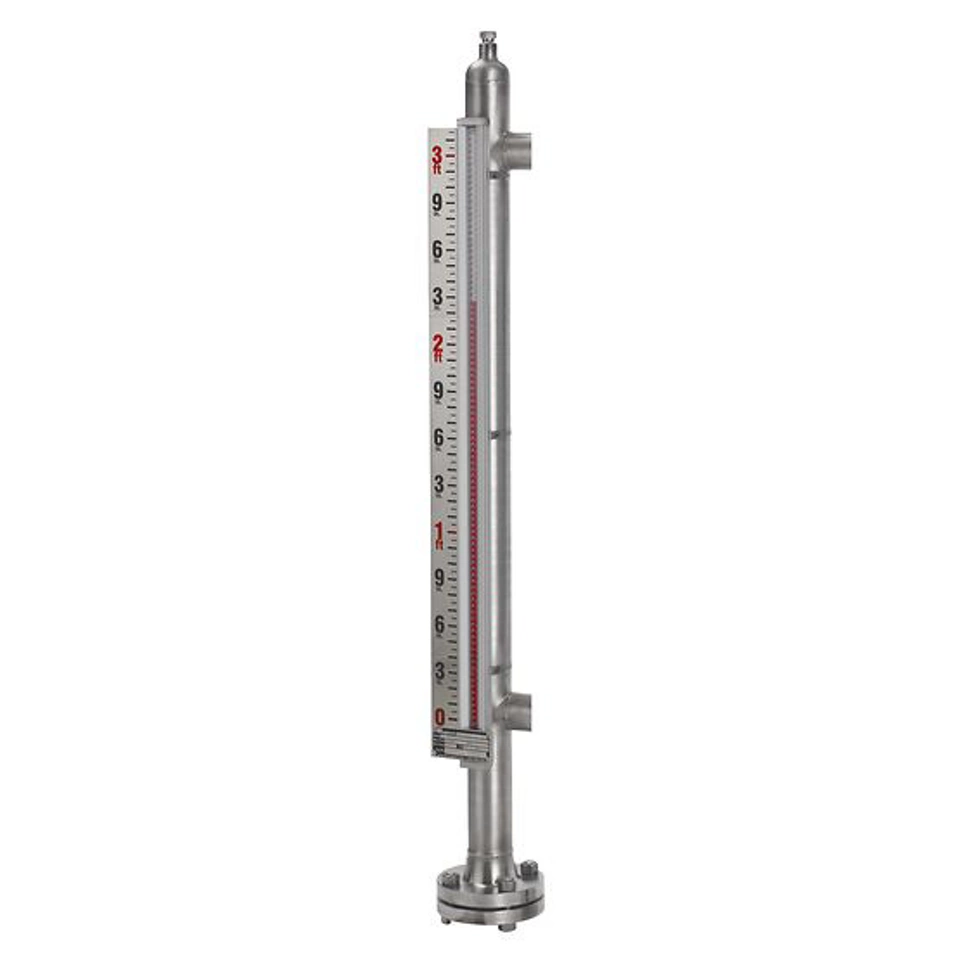
- Magnetic level transmitters
Videos
Learn more about level measurement instrumentation and technologies.
Rosemount™ Non-Contacting Radar Level Measurement Portfolio
Rosemount™ Non-Contacting Radar Level Measurement Portfolio
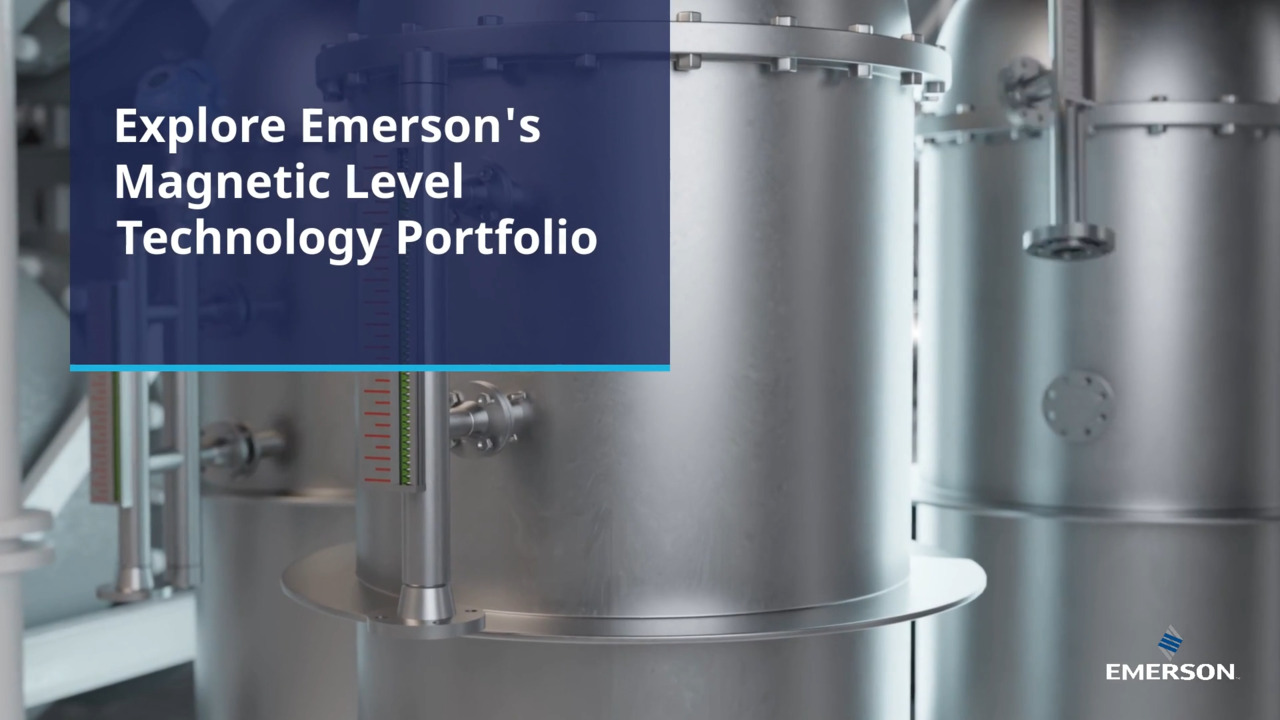
Rosemount™ Magnetic Level Instrumentation
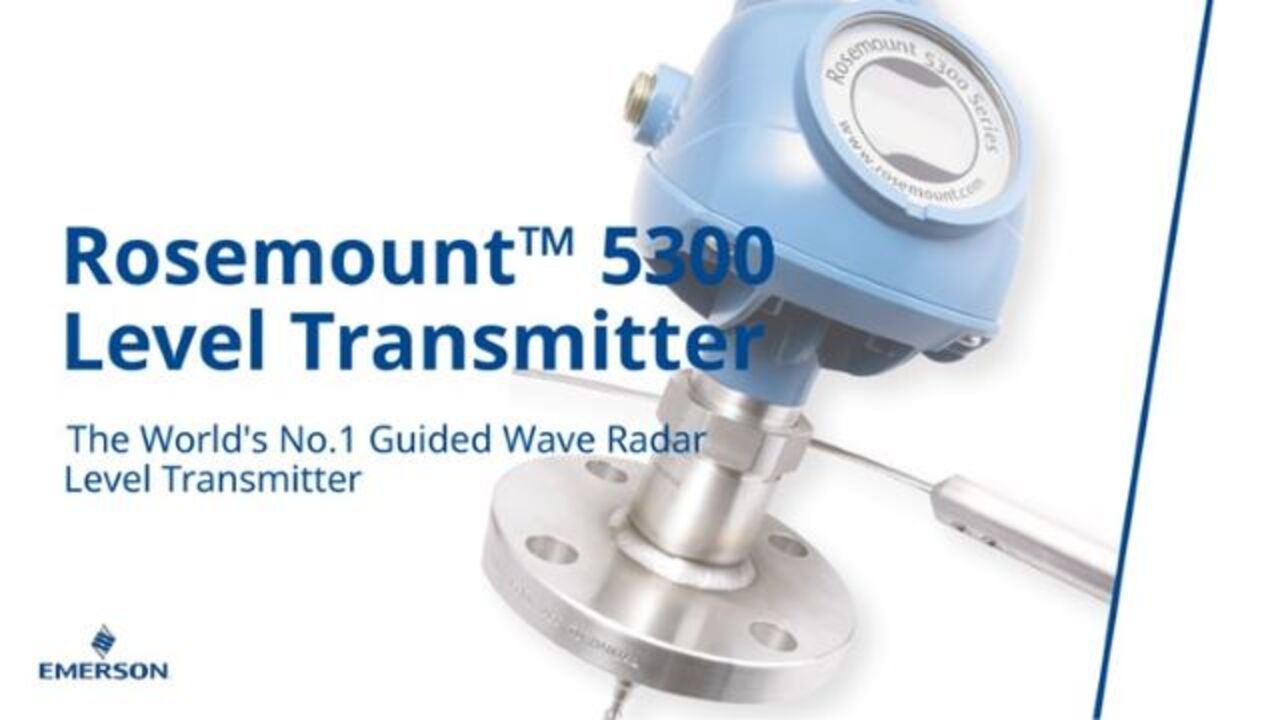
Learn why users trust the Rosemount 5300 Level Transmitter

Rosemount® Tank Gauging System Overview
Frequently Asked Questions
Radar level sensors are commonly regarded as the most accurate and cost-effective water level sensors. They are highly adaptable to various environmental conditions, require no maintenance, are unaffected by processing or environmental variables, and some models are capable of being fully submerged.
A conductivity level probe works on the principle of electrical conductivity. When a conductive liquid (such as water) contacts the probe, it completes an electrical circuit or changes resistance, signaling the presence or absence of liquid. This method is commonly used for basic liquid level detection, especially in water-based applications.
Because conductivity probes rely on the liquid’s electrical properties, their performance can vary with changes in conductivity, contamination, or coating. In applications where higher reliability or broader fluid compatibility is required, alternative level switches, such as vibrating fork or capacitance level switches, are often selected to provide more consistent point level detection across varying process conditions.
A level sensor detects and measures the amount of liquid or solid material within a designated container or vessel, providing necessary data for maintaining optimal levels or triggering alarms for process control.
Level measurement technology has evolved significantly over the past decades. As new technologies have emerged, others have become obsolete, driven by changing industrial requirements and global demands.
Emerson has consistently been at the forefront of level measurement innovation by:
- Adapting to technological advancements
- Responding to evolving industry needs
- Supporting global safety, productivity, and sustainability goals
Today, Emerson’s Rosemount portfolio offers a comprehensive range of advanced level measurement solutions, including:
- Level transmitters
- Level switches
- Complete level measurement systems
The Rosemount portfolio leverages multiple proven and advanced level measurement technologies:
Radar Level Measurement
- Guided wave radar transmitters
- Non-contacting radar transmitters
Differential Pressure (DP) Level Measurement
- Dedicated differential pressure level transmitters
Magnetic and Magnetostrictive Level Measurement
- Magnetic level indicators
- Magnetic chambers
- Level transmitters using magnetostrictive technology
Point Level Measurement with specialized point level switches for:
- Liquids
- Solids
Benefits for Industrial Applications - These level measurement solutions are designed to:
- Meet the evolving demands of diverse industries
- Enhance operational safety
- Improve productivity and process efficiency
- Support sustainability and environmental goals
With Emerson’s interactive Level Technology Advisor tool, users can pinpoint the perfect level measurement device for a specific application in just 3 steps.
How to determine which level measurement technology is best for your specific applications?
The terms level sensor and level transmitter are often used interchangeably in level measurement. In practice, they refer to different parts of the same level measurement instrument, rather than separate device types.
What Is a Level Sensor?
A level sensor refers to the sensing element of the instrument, the part that directly interacts with the process. Depending on the technology, this may include:
- An antenna (for non‑contacting radar)
- A probe or waveguide (for guided wave radar)
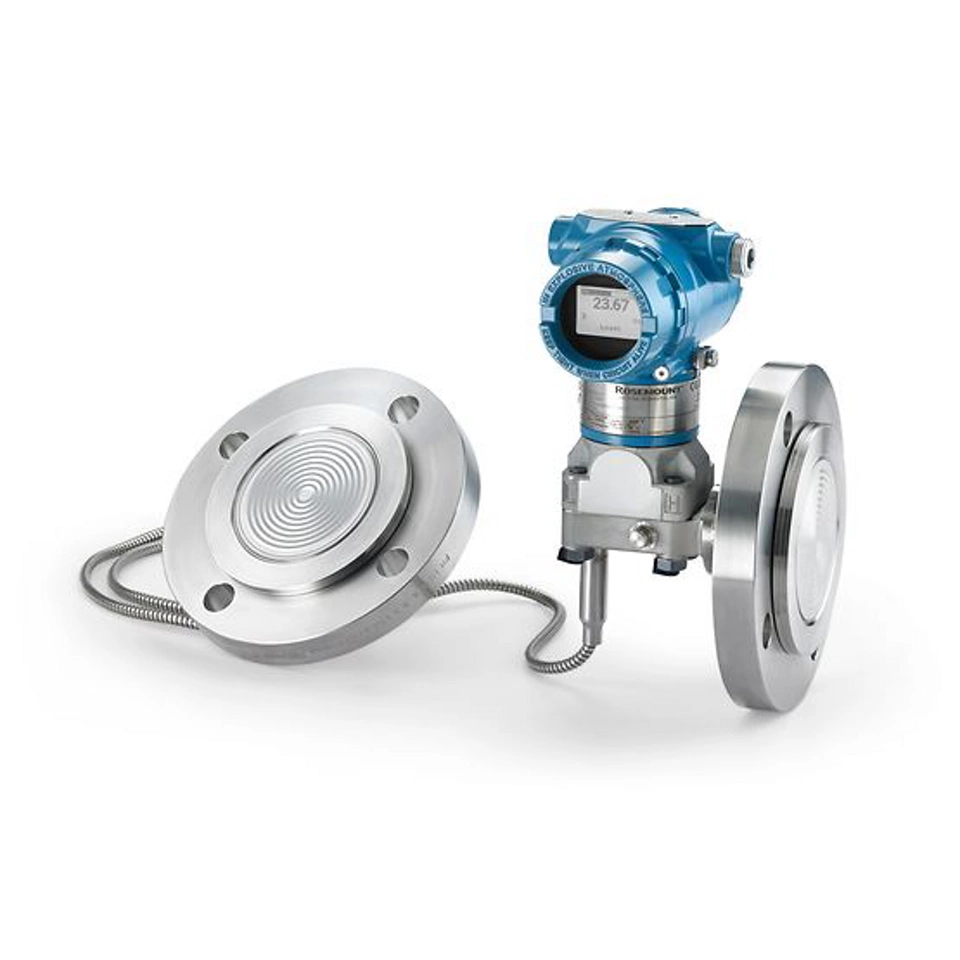
- A diaphragm or sensing element (for differential pressure applications)
- A float or magnetic element (for magnetic level measurement)
The level sensor is responsible for detecting the level of substances such as:
- Liquids
- Slurries
- Granular materials
- Powders
What Is a Level Transmitter?
A level transmitter refers to the complete measurement device, which includes:
- The level sensor (antenna, probe, or sensing element)
- The housing
- The electronics that process the signal and convert it into an output for control or monitoring systems
Level transmitters provide continuous level measurement and transmit level data using standard industrial signals.
Common Level Transmitter Technologies
Level transmitters can be classified by their measurement principle, including:
- Non‑contacting radar level transmitters
- Guided wave radar level transmitters
- Differential pressure (DP) level transmitters
- Magnetic level transmitters
Why This Distinction Matters?
While “sensor” and “transmitter” are often used as synonyms in everyday language:
- Sensor emphasizes the process‑facing measurement element
- Transmitter emphasizes the complete instrument and signal output
Both terms describe the same overall solution for maintaining correct levels in tanks and vessels to:
- Prevent overflow and product loss
- Reduce wastage
- Improve process efficiency and reliability
A level detector is typically used to identify the presence or absence of liquids at a specific point. Level detectors, such as level switches, support functions like overfill protection, dry‑run prevention, and alarm signaling in liquid applications.
A level switch is used when point level detection is required, such as identifying high or low limits. A level transmitter is used when continuous level measurement is needed. In many applications, level switches are combined with transmitters to provide both safety protection and inventory visibility.
Yes. Level switches and continuous level measurement technologies are commonly used together. Continuous measurement supports inventory monitoring, while level switches provide high‑ or low‑level protection to help improve process safety and equipment reliability.
Magnetic level instruments are used for process‑isolated, direct liquid level indication in tanks and vessels. They provide a clear, visible level reference and are commonly used as a reliable alternative to traditional sight glasses. Magnetic level instruments include:
- Magnetic level indicators for local visual indication
- Level bypass chambers that isolate the process from the indication system
- Magnetic level gauges for continuous, easy‑to‑read level display
These instruments can also be combined with continuous level measurement technologies, such as guided wave radar, to provide redundant level indication and improved reliability in critical applications.