Process Analytics by Inline Refractometry​
Refractometry, which is the technique of measuring how light bends, or refracts, when it passes through a liquid, is one of the longest serving methods for liquid analysis. It has consistently demonstrated its effectiveness as an analytical tool in laboratory settings. The PIOX R process refractometer takes the precision of laboratory measurements and applies it directly to industrial processes. Unlike typical refractometers, the PIOX R employs the transmitted light method to determine refraction.​
Products
Measurement Principle – Robustness by Design​
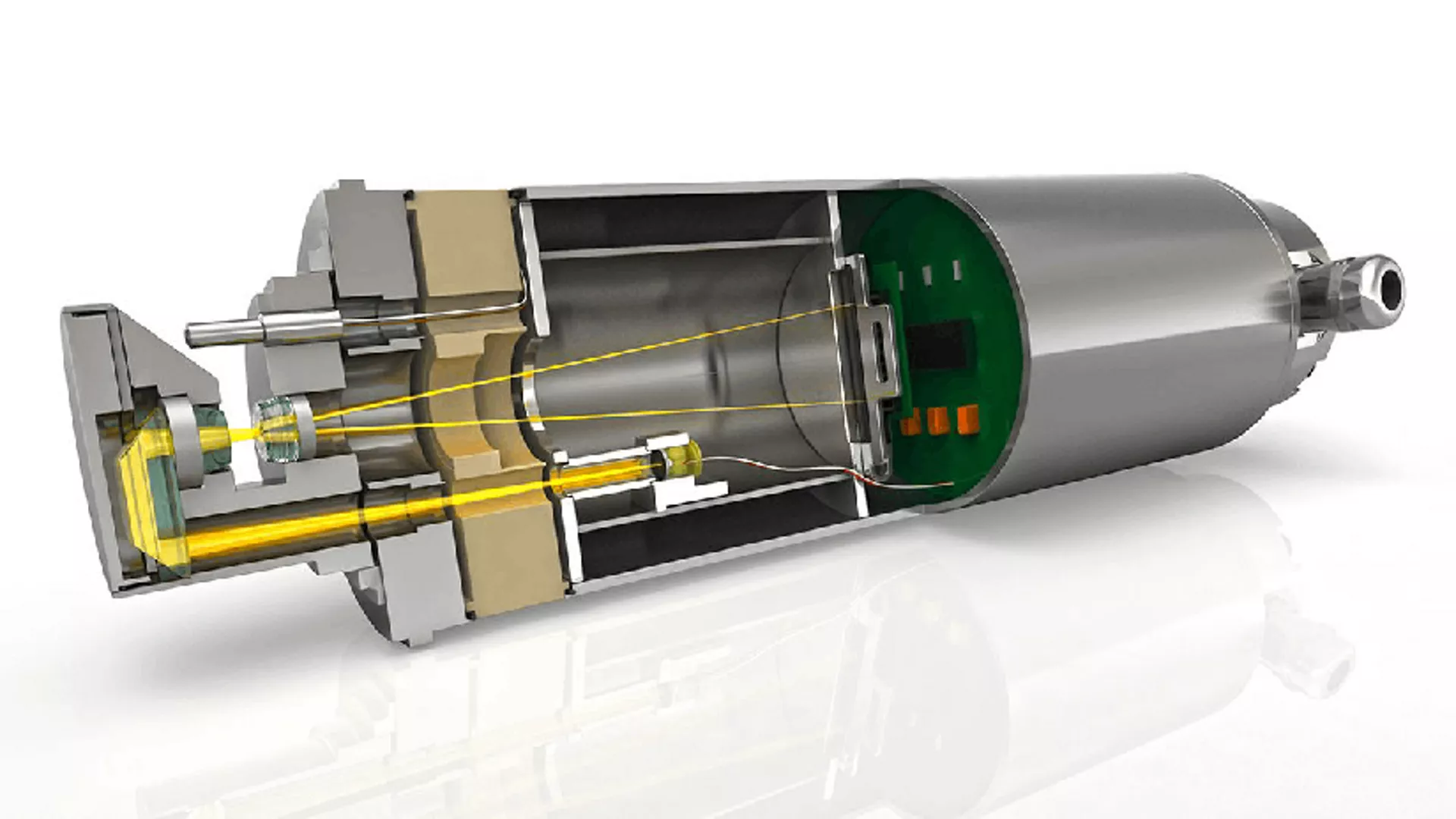
Refractometers measure light refraction through substances in labs and industries. Emerson's R500 uses a patented design letting light pass through the liquid, not just the prism surface, for more accuracy. Its sensor stays precise even if the prism is dirty, reducing cleaning. A bi-prism system splits light into two beams and measures separately, improving stability against temperature, pressure, and movement changes.​
Concentration and Density​
A refractometer primarily measures the refractive index. Emerson combines this with temperature data to calculate concentration, density, or temperature-compensated values using pre-loaded datasets. Emerson offers many standard datasets and can develop custom solutions. Our experts collaborate with clients to create tailored analytical methods for specific needs.​
Brix Scale
The Brix scale measures sugar content, with one degree Brix equal to 1 gram of sucrose per 100 grams of solution. It’s widely used across industries due to temperature-compensated readings and simple scaling. Common in food, beverages, and industrial fluids like coolants and lubricants. Emerson refractometers come preloaded with the Brix scale for easy use.​
Inline Installation​
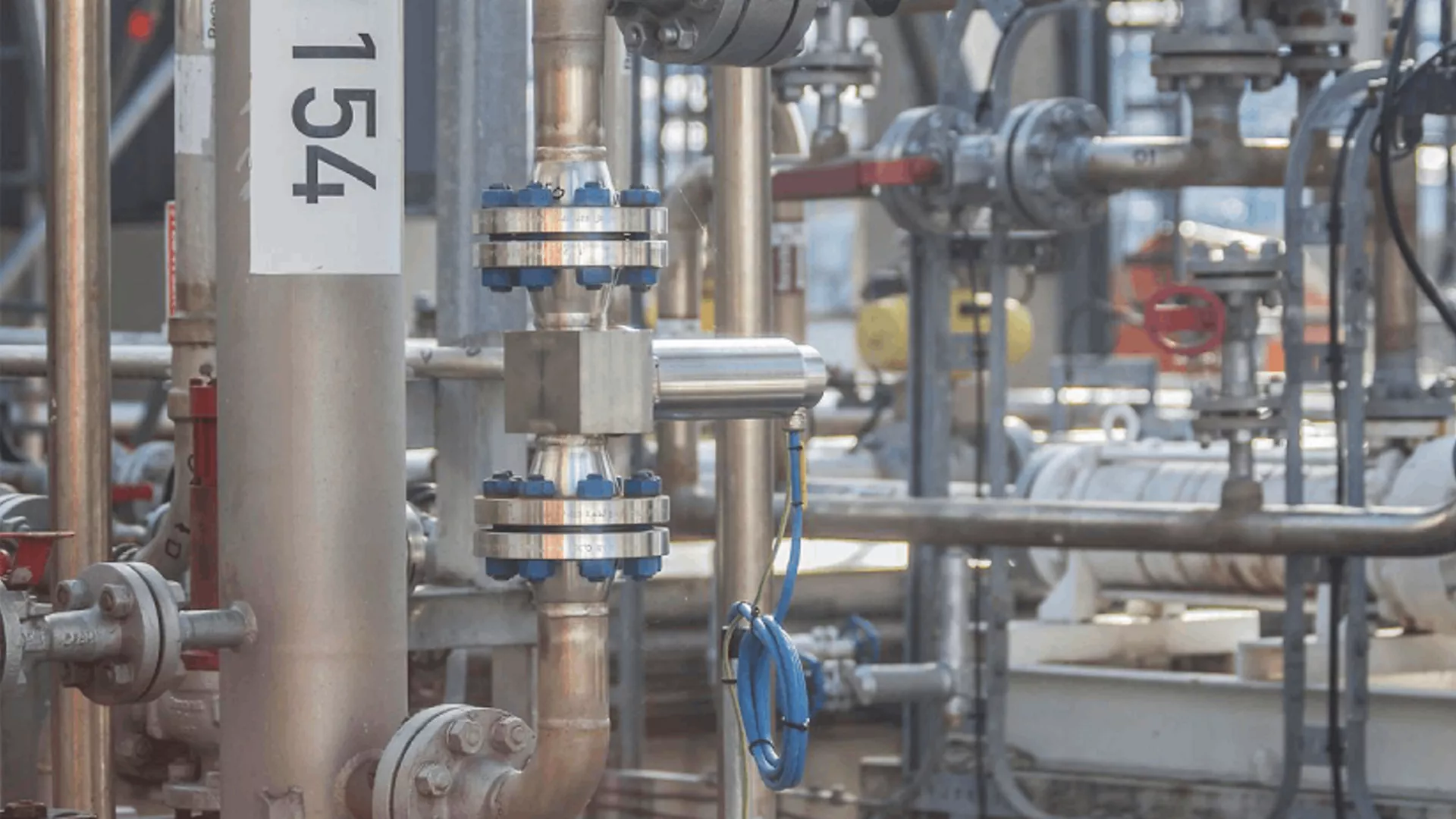
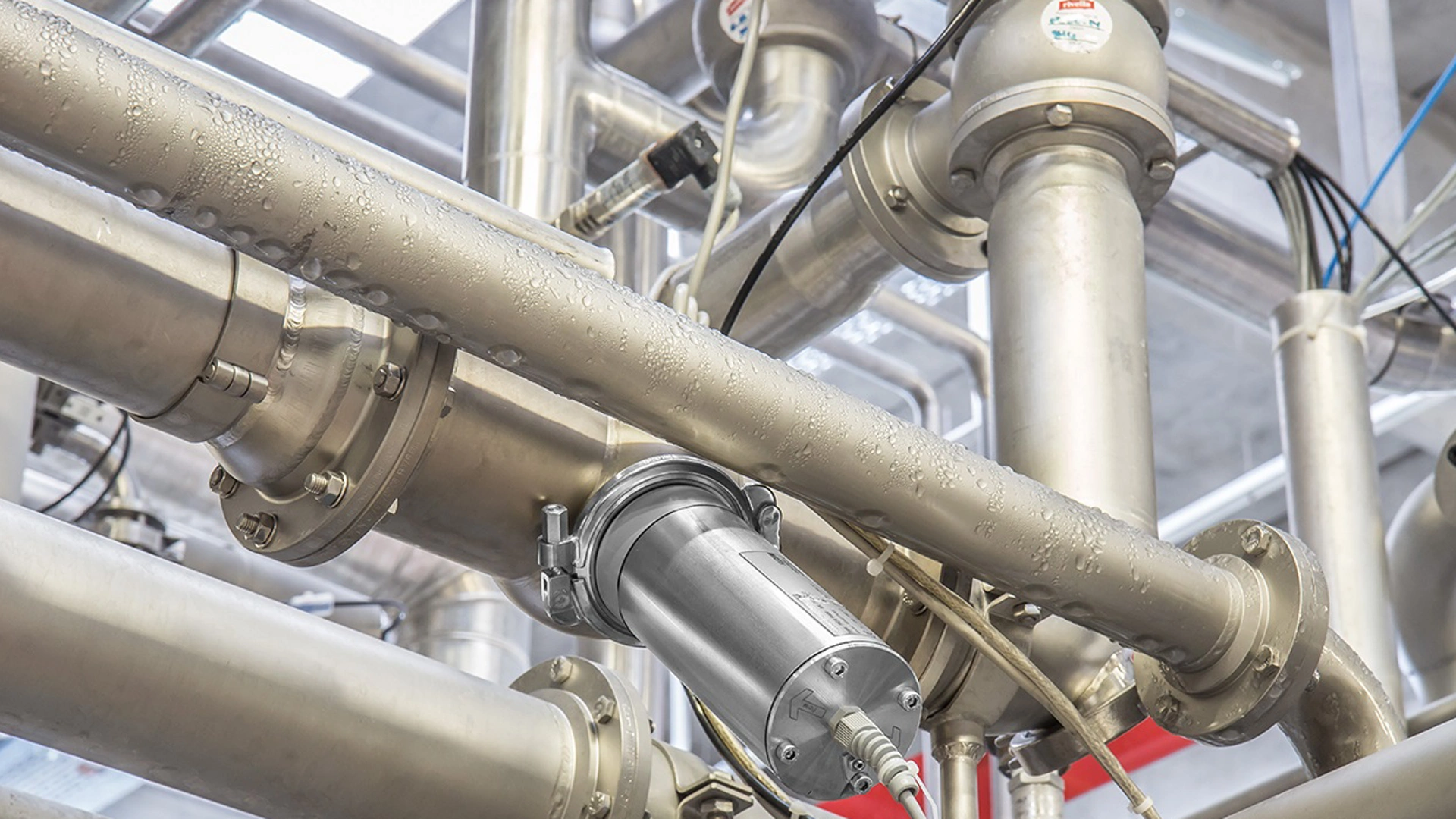
Emerson offers sensor installation options for wetted parts. For pipes 3/8" to 3" diameter, flow chambers replace a pipe segment with a slot for the sensor. Connections can be flanged, welded, or threaded. For pipes over 3" and tanks, Emerson provides sensors with extended probes and DN/ANSI flanges for T-flange setups, ensuring accurate placement and measurement.​
Diagnostics
Emerson refractometers offer advanced diagnostics to improve maintenance and process insights. The R500 includes a PT1000 temperature probe submerged in liquid for precise readings. Changes in signal amplitude, symmetry, and humidity warn of contamination, scaling, or sensor wear. These features enable predictive maintenance, reducing downtime and boosting efficiency.​
Glycol​
The R500 sensor effectively handles various glycol applications, including MEG, PEG, and TEG. Emerson offers specific solutions for each of them. Used worldwide, our refractometers check engine coolant and air conditioning fluids for top car brands, test deicing fluids at large airports, and improve glycol-based gas drying processes.​
Customized Applications​
Emerson recognizes the ongoing need for improved products and safety, which brings about new analytical challenges. We're ready to work with you to tackle these issues. Our team of scientists and engineers is available to help with lab measurements, data development, field support, and sensor modifications. We can manage complex problems that require the use of multiple sensors.​
Machining Fluids​
Controlling the Brix value of cooling and lubricant fluids is vital for machine balance, performance, and longevity. The R500 sensor, highly resistant to fouling, offers reliable, continuous monitoring without costly cleaning or manual upkeep. It delivers constant data, helping you optimize machine performance and protect output quality effortlessly.​
Oleum
Oleum is essential in the chemical sector, used both as a reactant and a means to transport sulfuric acid. Measuring its concentration accurately during processing is challenging. Refractometers are the preferred method for measurement due to their high precision across Oleum's full concentration spectrum. The R500 sensor, when used with Oleum, which aggressively reacts with polymers, utilizes specialized FFMK gaskets to greatly increase its lifespan.​
Corrosive Liquids​
The Emerson R500 C-TF sensor is built for tough conditions with wetted parts made of carbon-reinforced PTFE, combining carbon fiber strength and PTFE’s chemical resistance. It’s designed to handle corrosive substances like hydrofluoric, hydrochloric, sulfuric, and nitric acids, ensuring reliable performance in harsh environments.​
Hygienic​
When creating products intended for human consumption, it is crucial that any components in contact with the product adhere to hygienic design principles. This entails ensuring that all components have rounded edges, gasket seats that can be cleaned effortlessly, and are constructed from materials suitable for sanitary conditions. The R500 MH sensor stands out as the ideal selection for these requirements.​
Hydrogen Peroxide​ ​ ​ ​ ​ ​ ​ ​ ​ ​ ​ ​ ​ ​
Measuring the concentration of hydrogen peroxide in water can be challenging due to the minimal difference of only one hydrogen ion between the solute and the solvent. Emerson's refractometers provide exceptional accuracy along with sustained measurement stability. For enhanced safety, we provide specialized options including a stainless-steel sensor or our PTFE sensor.​
Semiconductor​
In foundries and chemical supply, where precision and no metal contamination are vital, Emerson’s R500 C-TF sensor is ideal. It keeps high accuracy using non-metallic parts for liquid contact. Its carbon-reinforced PTFE housing combines carbon fiber strength with PTFE’s chemical resistance, providing a durable, contamination-free solution for tough applications.​
Specialty Chemical Solvents​
Refractometry offers a simple and direct method for analyzing specialty chemicals and their solvents due to its linear measurement capability. The PIOX R refractometer has been effectively utilized across a variety of applications, including those involving chemicals like N-Methyl-2-pyrrolidone (NMP), Dimethylacetamide (DMA), Dimethylaminoethanol (DMAH), Dimethylformamide (DMF), and Tetramethylammonium hydroxide (TMAH).​
Resources
Strong Customer Focus
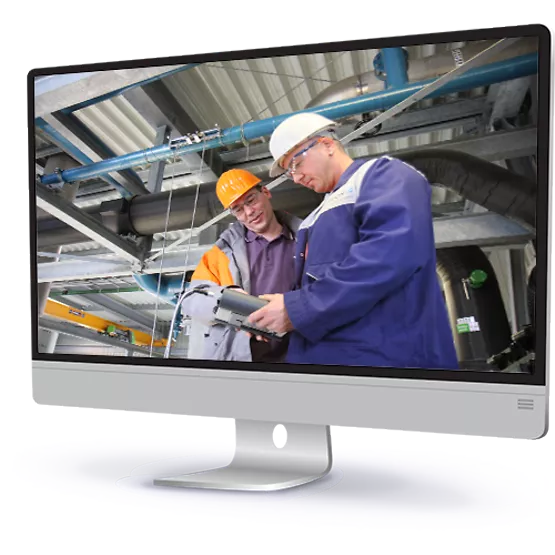
Flexim manufactures high-quality measurement instruments and offers technical and consulting services. We offer on-site measurements, lab analysis, project handling, training, commissioning, rentals, and expert consulting.
Explore our customer success stories
Emerson's Flexim non-intrusive ultrasonic flow meters and liquid analyzers are used in a wide range of applications. Our application reports provide useful insights from the customer's perspective.
Frequently Asked Questions
A process refractometer is an inline measurement device that determines the concentration of dissolved solids in liquids by assessing their refractive index (RI). The refractive index indicates how much light bends as it passes through a liquid, which correlates directly with concentration levels. Emerson’s refractometers provide real-time, continuous concentration data, enabling precise process control and quality assurance.​
Emerson’s Flexim refractometers are designed for a wide range of industries, including: ​
- Food and beverage​
- Pharmaceuticals​
- Chemical processing​
- Oil and gas​
- Pulp and paper​
- Water and wastewater treatment​
Emerson’s Flexim refractometers offer several benefits: ​
- Real-Time Measurement: Provides immediate concentration data for timely process adjustments.​
- High Accuracy: Delivers precise measurements with minimal drift.​
- Robust Design: Built to withstand harsh industrial environments, including extreme temperatures and corrosive substances.​
- No Calibration Drift: Maintains accuracy over time without frequent recalibration.​
- Versatility: Compatible with various process conditions and industries.​
Emerson’s Flexim refractometers are factory-calibrated using standard refractive index liquids, ensuring consistent and reproducible measurements. Emerson’s instruments are designed to require minimal maintenance.​