
Optimize Fired Heater Performance with Real-Time Sensing Data
The efficiency of the combustion process determines the efficiency of fired heaters. However, traditional combustion control strategies are inadequate for safe, efficient and compliant operation due to fluctuating fuel composition, leading to increased energy consumption and emissions.
Advanced measurement technologies enable better air-to-fuel ratio control and real-time optimization of fired heaters, significantly improving energy efficiency and safety, while reducing emissions and operating costs.

Fired Heater Measurement Instrumentation Solutions
Optimize Combustion Control
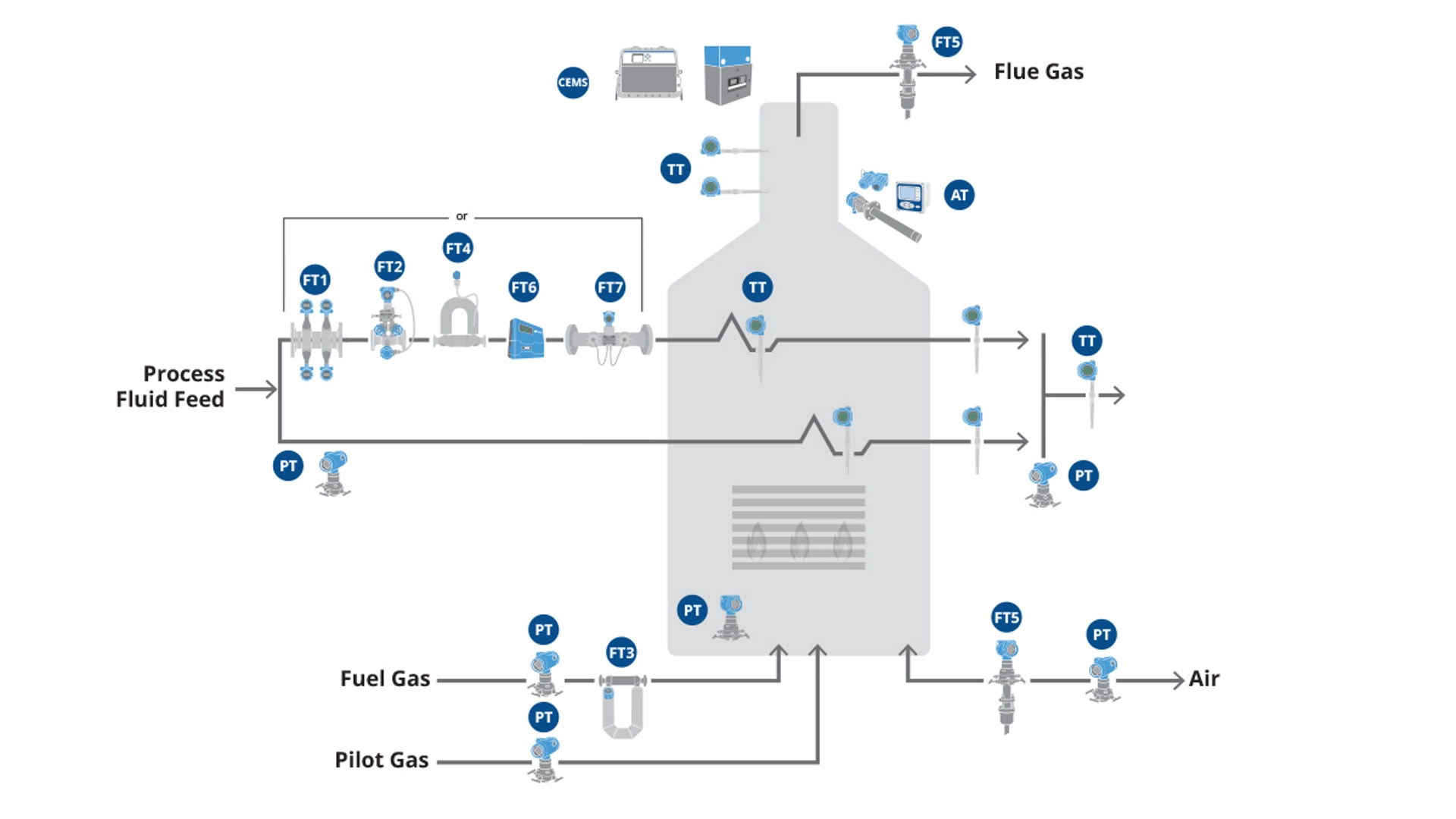
The inherent variability in fuel composition affects its heating value and the stoichiometric air requirement for efficient combustion. While excess air increases the safety margin, it reduces thermal efficiency and increases emissions. On the other hand, too little O2 risks sub-stoichiometric combustion, causing heater trips or damage. Shifting from volume- or pressure-based fuel gas control to mass-based control helps optimize air-to-fuel ratio, maximizing efficiency and reducing energy consumption and emissions.
Fuel Flow Control
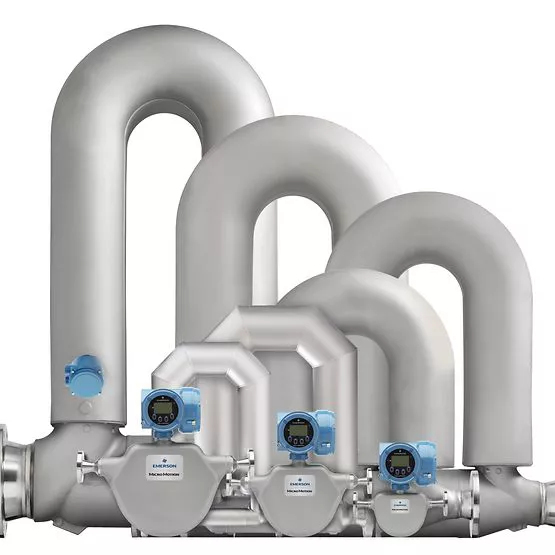
Control air-to-fuel ratio with direct, mass-based fuel flow measurement for efficient combustion.
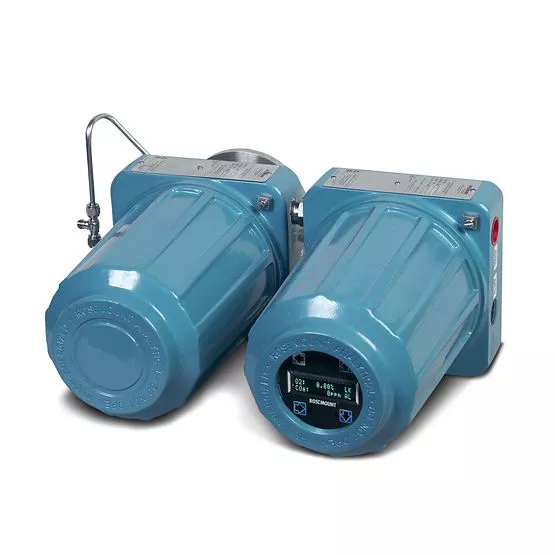
Flue Gas Oxygen Monitoring
Safely control excess oxygen and combustibles in flue gases to optimize the combustion process and minimize energy consumption.
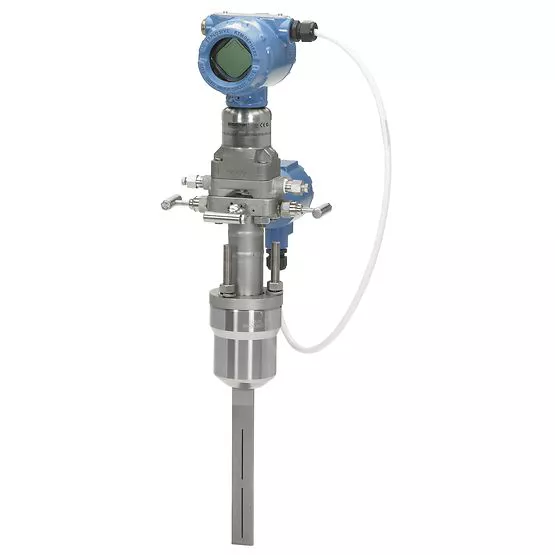
Air Flow Measurement
Optimize air flow measurement to the fired heater for tighter air-to-fuel ratio control, increasing energy efficiency and reducing emissions.
Expert Insights on Fired Heater Optimization

How to Achieve Efficient Combustion Control on Fired Heaters
How to Achieve Efficient Combustion Control on Fired Heaters
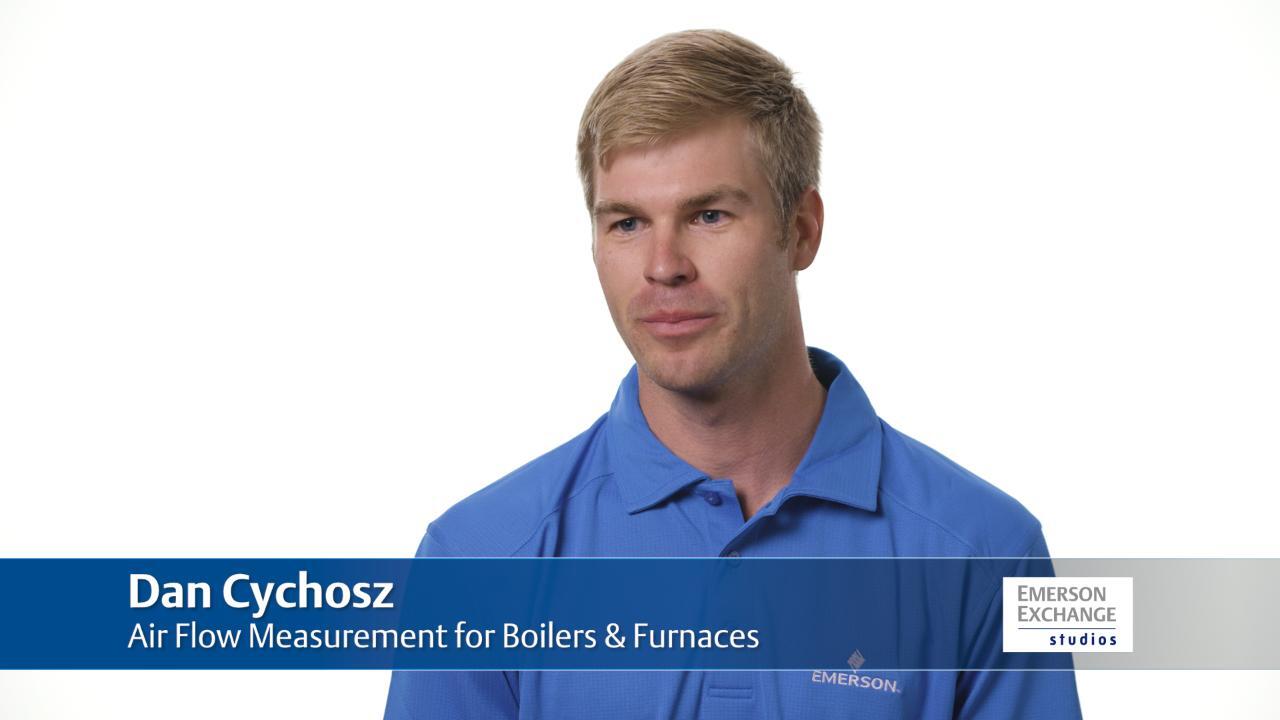
How to Optimize Boiler & Furnace Control

Improving Energy Efficiency & Lowering Emissions with Measurement Solutions
Safety and Efficiency Improvements for Fired Heaters and Boilers
Frequently Asked Questions
Measuring the concentration of oxygen in the flue gas of the stack is a key indicator of both the safety and efficiency of a fired heater. Operating with less excess air (and thus lower O2 levels) is more efficient, as it reduces energy waste. For example, reducing oxygen from 4% to 2% can lead to significant fuel savings (up to 24%). Conversely, increased oxygen levels can drastically increase NOx emissions (a 2% O2 increase can result in a 25-30% increase in NOx emissions). Maintaining optimal oxygen levels helps to stabilize combustion, reduce fuel consumption, lower emissions, and prevent unsafe fuel-rich conditions.
Fuel gas in refineries and petrochemical plants is often a mix of various off-gases, leading to constant changes in its composition. When the composition changes, so does the gross heating value and the required amount of air for complete combustion. Traditional control methods based on volume or pressure struggle to account for these changes, resulting in variability in the percentage of oxygen in the flue gas, which in turn affects safety, efficiency, and emissions. Measuring the mass flow of the fuel gas provides a more stable indication of the energy content of the fuel compared to volumetric or pressure measurements.
A mass-based flow control of fuel gas provides better stability in O2 levels. The stoichiometric air required for combustion of hydrocarbons is significantly more consistent on a mass basis than on a volume basis. Controlling based on mass flow therefore leads to more stable combustion air requirements, better fuel-to-air ratio control with changing fuel composition, and ultimately less variability in flue gas oxygen.
Undetected flame instability can lead to dangerous situations, including flame-out, which leaves unburned fuel in the firebox, or uncontrolled combustion. Leveraging flame instability detection technology is crucial to prevent these hazards. Solutions like pressure transmitters with process intelligence diagnostics can provide early detection of burner flame instability by monitoring and analyzing draft air pressure process noise, allowing for proactive intervention and preventing unnecessary safety trips.
Support Services
Lifecycle Services