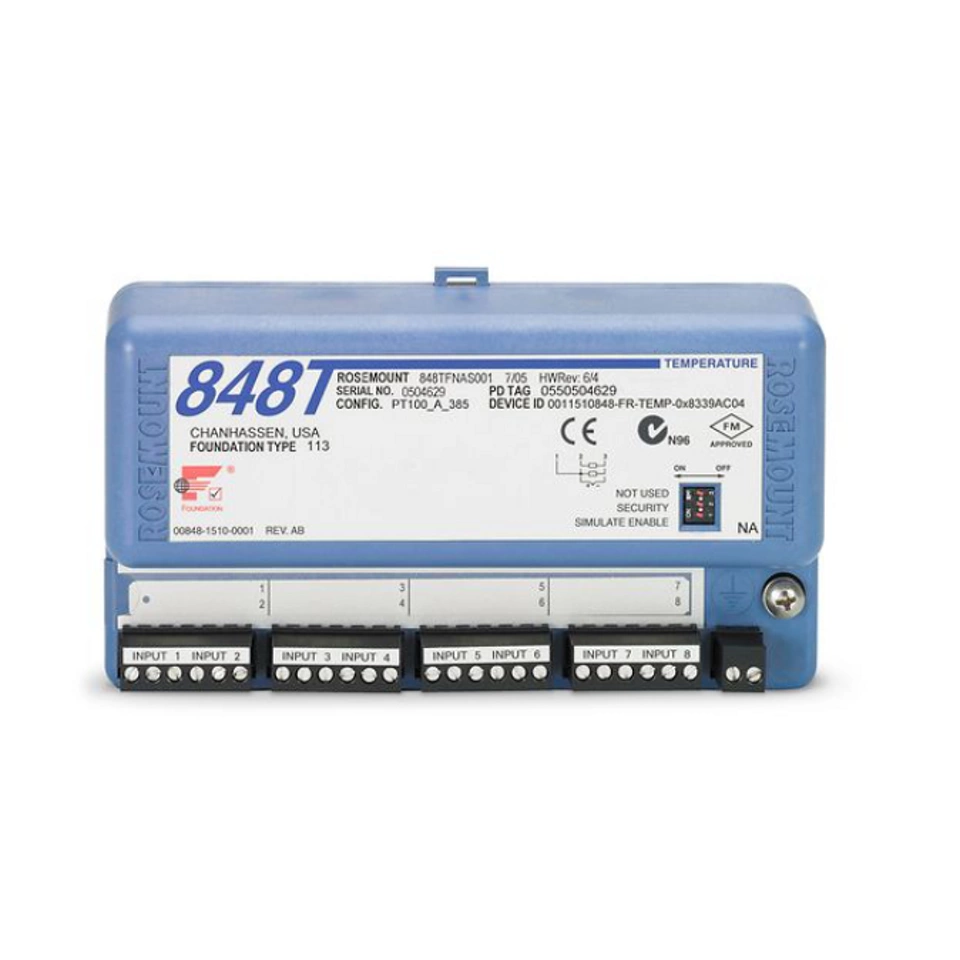

Biotech Company Reduces SIP Cycle Time by 20%, Leading to Minimized Product Contamination
Results
- SIP cycle time reduced by up to 20%
- Proven sterilization and minimized contamination
- 23% installation cost savings
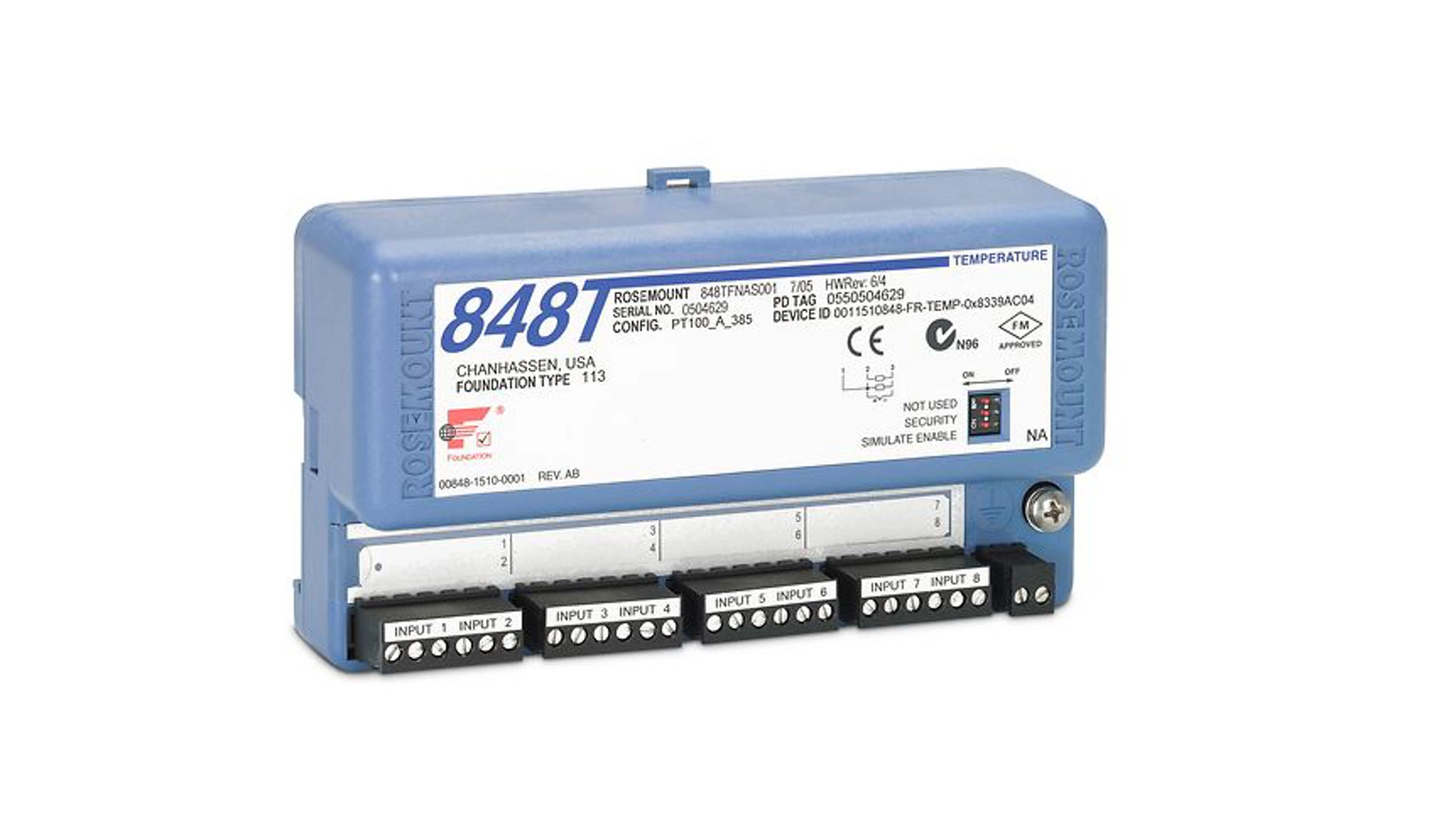
Using the Rosemount 848T instead of the manual verification process reduced SIP cycle time by 10-20%.
Customer
A Biotech Company
Application
Steam/Sterilize in Place (SIP)
Challenge
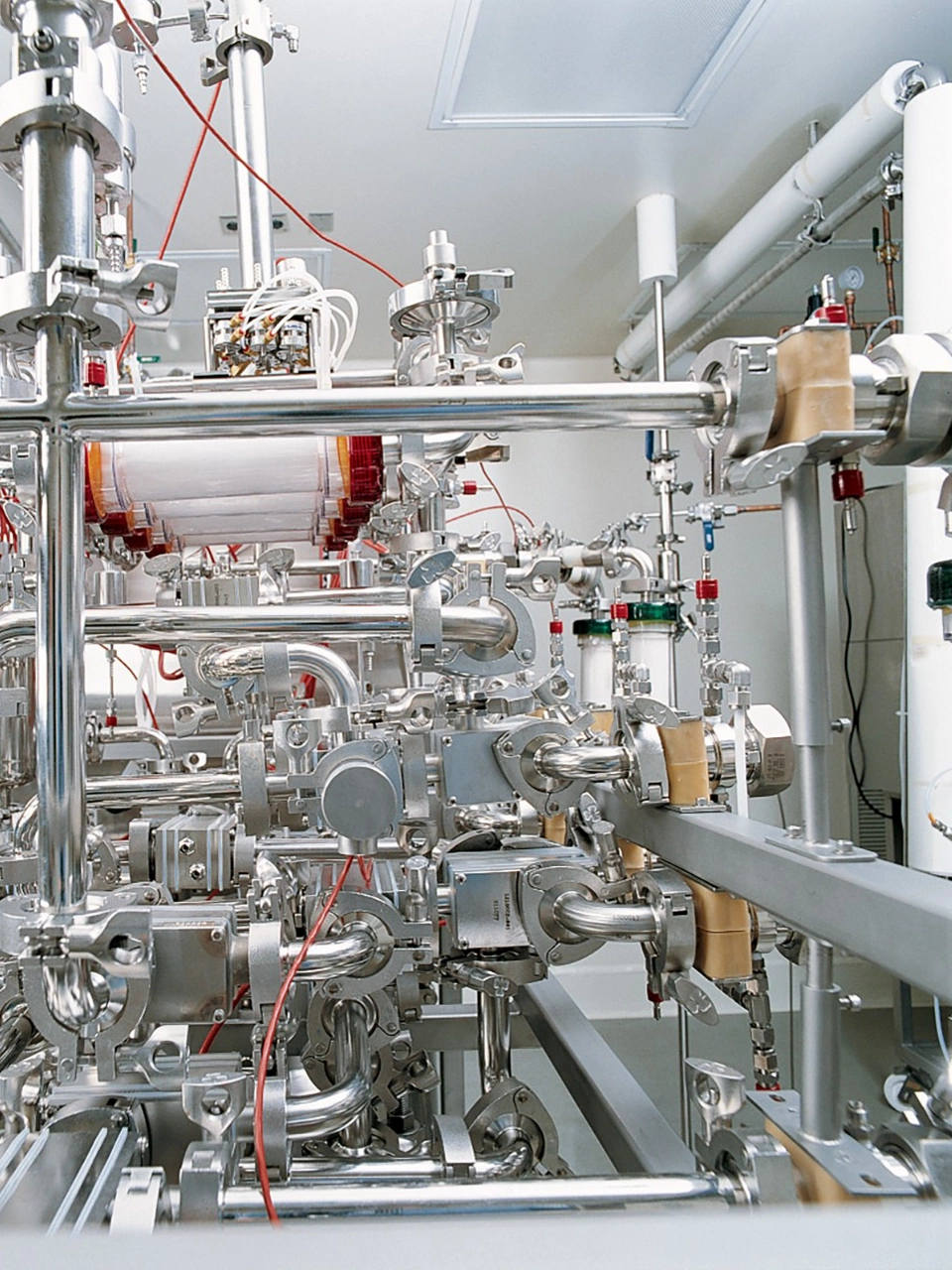
A Steam/Sterilize in Place (SIP) process is performed regularly in order to sterilize the process piping and vessels at the biotech company. The SIP process involves injecting steam and heating process piping to a kill temperature, often 121.1°C. Once the kill temperature is reached at all required points, the temperature is held for approximately 30 minutes to complete the SIP cycle.
Often no automated temperature instrumentation is used during the SIP process. Instead, a Tempilstik manual surface temperature indicator is used to manually verify that each test point on the vessel and process piping is at or above the kill temperature. Due to the frequency of SIP operations and the high density of temperature measurements (200 to 300 test points in an average site), using a manual surface temperature indicator to provide temperature verification is time-consuming. In addition, the inability to continuously monitor the temperature could result in process contamination.
Solution
The Rosemount™ 848T Eight Input Temperature Transmitter is an ideal temperature measurement solution for this high-density temperature monitoring SIP application. The Rosemount 848T provides significant accuracy improvement over the manual verification process, and it enables continuous temperature monitoring at each SIP measurement point. This improves the customer’s ability to consistently sterilize their process, thereby reducing the risk of contamination.
Using the Rosemount 848T instead of the manual verification process reduced SIP cycle time by 10-20%. This is because all temperature points are simultaneously monitored instead of each point being measured one at a time until the ideal kill temperature is reached.
Additional time savings can be achieved by using continuous automated temperature monitoring to calculate the accumulated lethality factor (F0) for each temperature measurement point. F0 accounts for kill time at temperatures lower than the kill temperature. By using F0 the user can reduce the amount of time that the system must be held at the kill temperature by accumulating lethality at temperatures below the kill temperature. On top of this, the customer now has the data available to prove that proper sterilizations were performed, since they are automatically monitoring the temperatures.
In the past, automated temperature monitoring methods such as sensors wired directly to I/O subsystems or single input transmitter architectures were not used in these applications because of the high material and installation costs associated with running hundreds of wires back to the control room.
In this application, the Rosemount 848T provided the customer with 23% installation cost savings by utilizing the FOUNDATION™ fieldbus protocol, mainly due to the reduced number of communication wires needed. The instrumentation used in this application consists of the Rosemount 848T and temperature sensors or RTDs. Temperature sensors are installed at each required temperature monitoring point, and each set of sensor lead wires is run back to a nearby Rosemount 848T. Rosemount 848T transmitters are mounted throughout the process area in small stainless steel junction boxes with each transmitter accepting eight sensor inputs. Up to 16 Rosemount 848T transmitters were strung together and run back to the control room, resulting in a single pair of wires communicating up to 128 temperature measurements.