


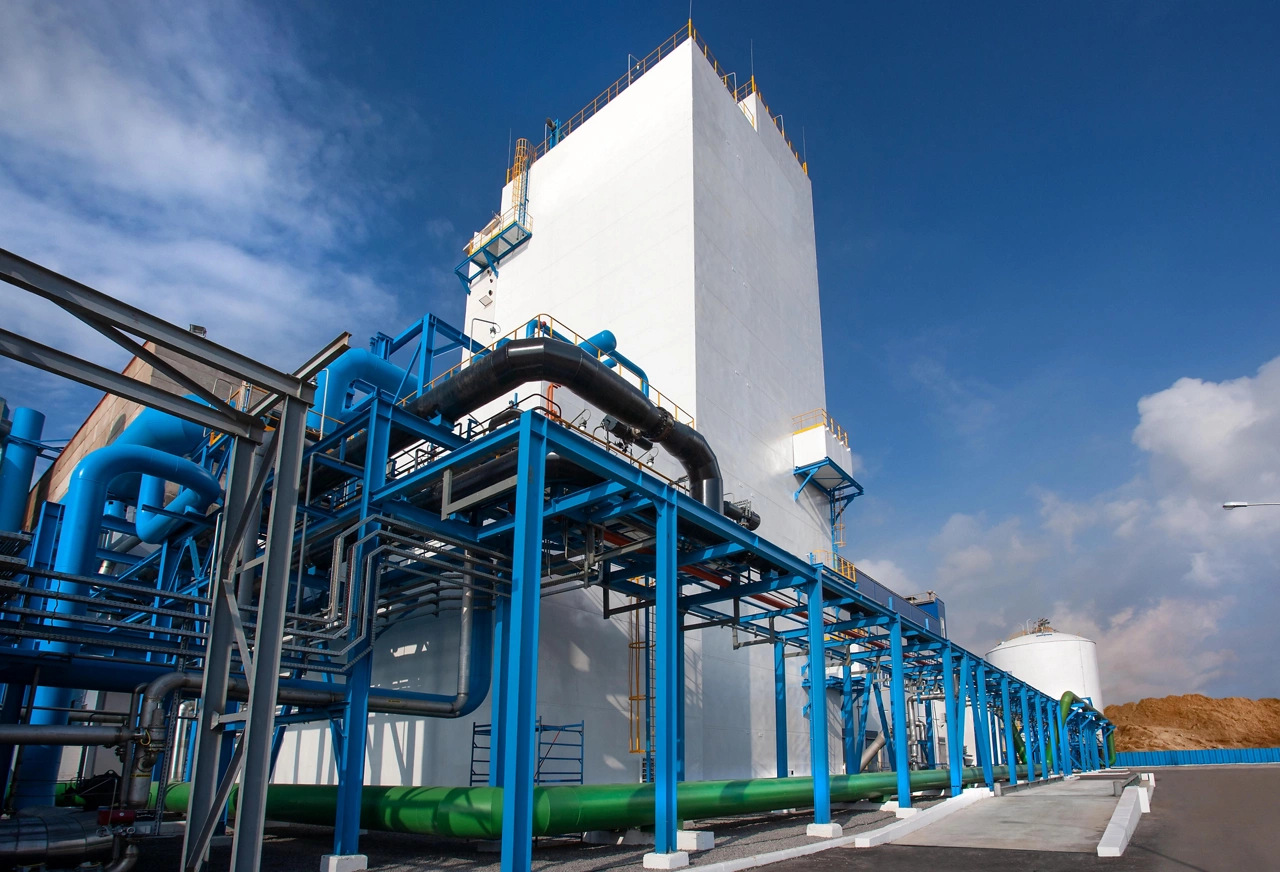

Improve throughput while maintaining tight control of purity and energy use
Whether separating gases for industrial, medical, or scientific use, consistent performance across your air separation unit is essential. By implementing high-integrity control systems, smart instrumentation, and real-time diagnostics, you can reduce process variability, monitor critical conditions, and detect issues before they escalate. Scalable technologies support flexible operations while driving long-term sustainability.
Air Separation Unit Solutions in Action
Protect your plant and people with reliable process visibility. Fluctuating feed conditions, thermal gradients, and mechanical stress pose constant challenges for ASUs. With solutions designed to monitor and manage pressure, flow, and temperature at key stages, operators can maintain the delicate balance of safety, efficiency, and yield. Wireless connectivity and predictive analytics further enhance responsiveness and reduce the risk of unplanned downtime.
Maintain Thermal Balance Across Units

Within the air separator cold box, cryogenic temperatures, nitrogen, and oxygen present safety hazards. Process leaks give rise to different abnormal operation depending on the quantity and temperature of the liquid or gases released. This can lead to hazardous mixes that can lead to an explosion. Our portfolio of innovative technologies tackles every variable in this process including proper temperature, pressure, flow monitoring and gas detection.

Monitor Critical Pressures with Confidence

Detect changes in purge gas pressures. Use wireless alerts to prevent air contaminants like O2 and access moisture while limiting trips.
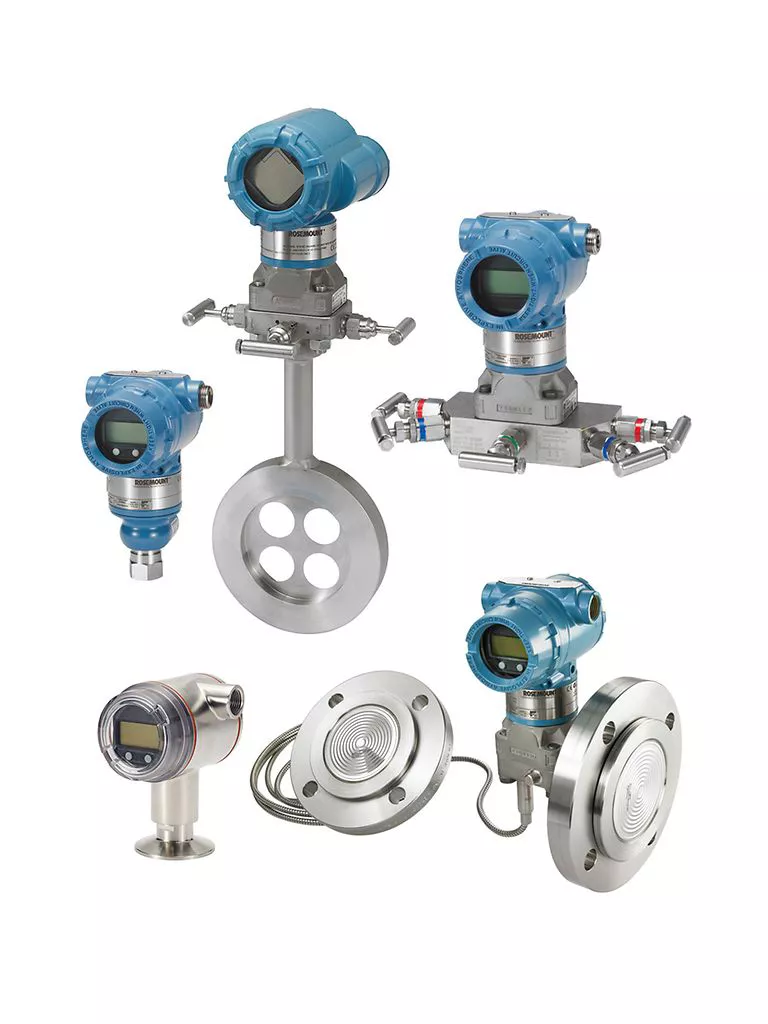
Rosemount™ Pressure Transmitters
Achieve reliable and stable readings, even under extreme conditions.
Manage Flows Across Product Streams

Reduce installation costs by 40-60% with a multivariable transmitter for more reliable measurement with easier, affordable installation.

Rosemount™ Vortex and Coriolis Flow Meters
Gain accurate, maintenance-free measurement with proven durability.
Detect Hazards Before They Escalate

Emerson's integrated flame detection and gas leak detection systems are designed to excel under the toughest conditions to help you streamline day-to-day operations and, more importantly, keep your people safe.

Rosemount Flame and Gas Detection Solutions
Monitor for gas leaks and flame presence in hazardous environments.
Leverage Proven Flow Technology

Rosemount DP flow measurement solutions provide accurate, reliable, and efficient flow measurement using differential pressure technology.

Enable Scalable, Flexible Sensing

A cost-effective solution implementing your wireless infrastructure and applications.
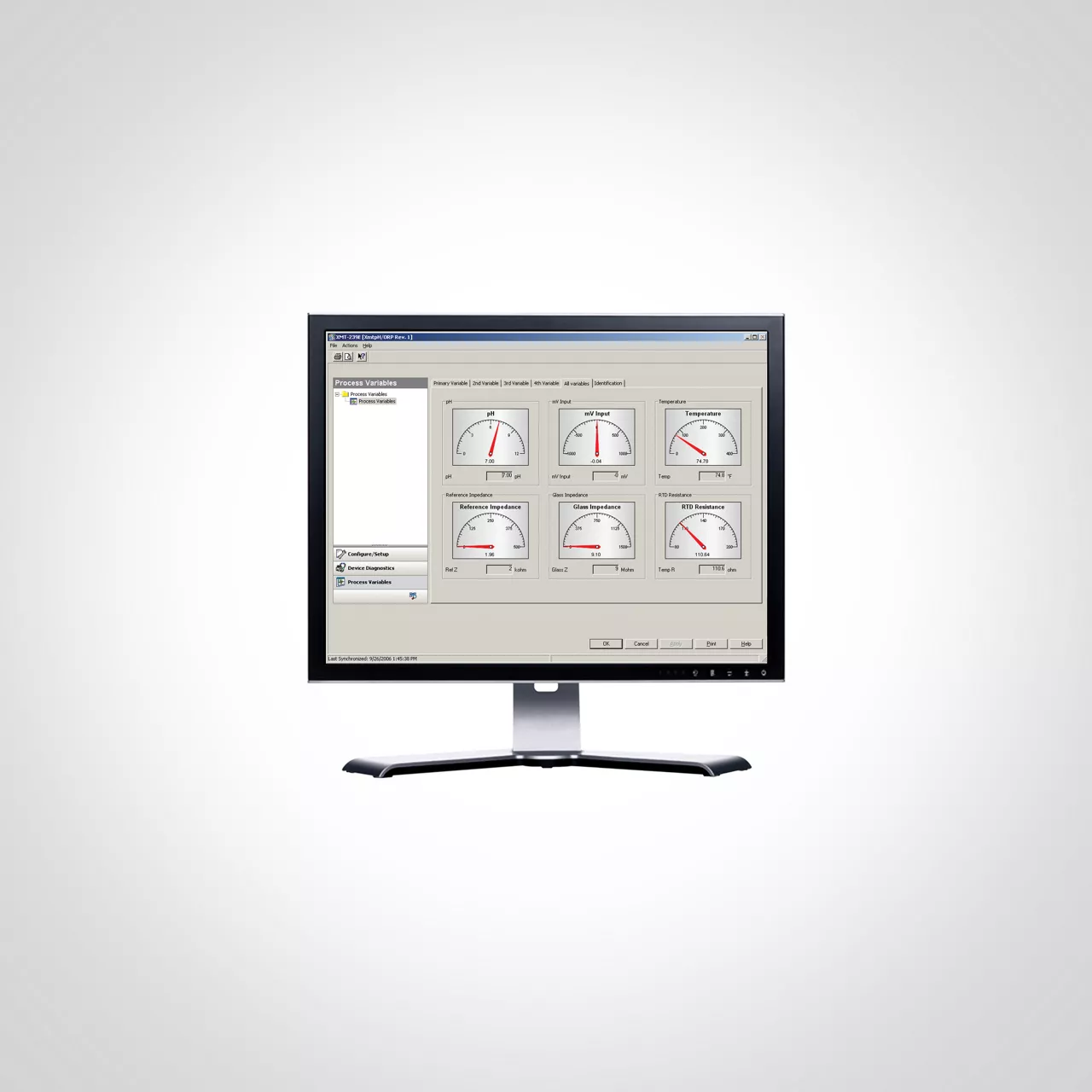
Business Groups in ASU
From precise measurement to safe final control, each business group offers deep expertise to help improve the availability, efficiency, and safety of your air separation processes. Discover how integrated technologies from across the portfolio can work together to drive long-term success in your operations.
Automation Systems
Discrete Automation
Final Control
Measurement Instrumentation
Solution-Related Documents for ASU
Access technical documentation, application notes, and engineering resources to accelerate implementation and optimize performance of your air separation unit (ASU) solutions.

Frequently Asked Questions (FAQs)
Get clarity on essential questions surrounding air separation units (ASU), from how they operate to how Emerson’s solutions can help improve safety, efficiency, and reliability. Whether you're new to ASUs or refining your process, these FAQs offer quick insights to support informed decisions.
An ASU is a facility that separates atmospheric air into its primary components—nitrogen, oxygen, and argon—using cryogenic distillation or non-cryogenic methods.
Cryogenic air separation involves cooling air to extremely low temperatures where its components liquefy at different points and can then be separated and purified.
Optimization leads to energy savings, increased production efficiency, reduced emissions, and enhanced equipment reliability.
ASUs must comply with industry safety standards such as OSHA, ANSI, and international regulations related to pressure equipment and cryogenics.
Cryogenic units use very low temperatures to separate gases and are suited for high-volume needs, while non-cryogenic methods like pressure swing adsorption are more energy-efficient for smaller-scale applications.
Yes. ASUs can support hydrogen production by supplying high-purity oxygen and can be integrated with carbon capture systems to enhance sustainability.