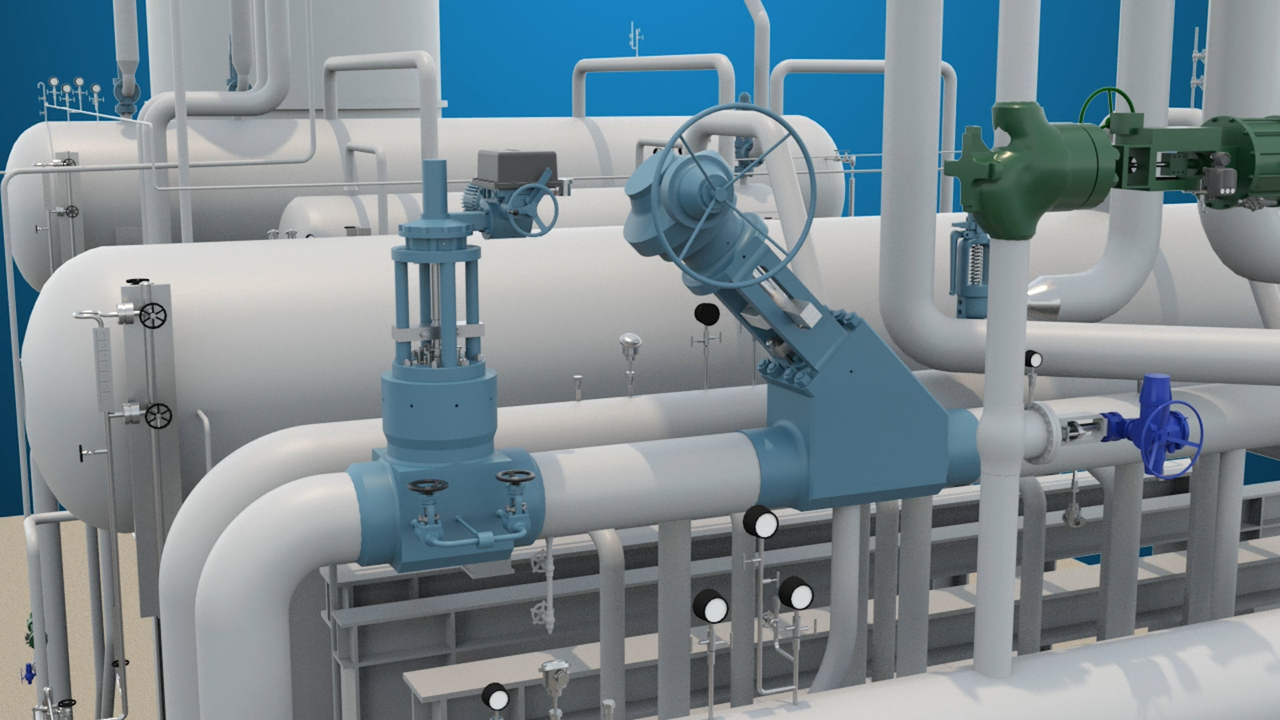


Strengthening Operational Performance in Power Generation
Power generation facilities like yours face unprecedented operational challenges. Frequent plant cycling disrupts efficiency. Evolving regulations create compliance pressures. Workforce transitions threaten operational knowledge continuity. These pressures put your plant availability, flexibility, and team proficiency at risk.
You need a partner who understands these complexities and has proven solutions. Emerson's Final Control is a trusted provider of solutions backed by decades of power generation expertise and a specialized portfolio of valves, actuators, regulators, and severe service support programs designed specifically for the industry's demanding conditions.
We can collaborate with you to boost your plant availability through reliable equipment performance, improve your operational flexibility to handle cycling demands, and elevate workforce proficiency with expert support and training.




Severe Services Power Industry Applications
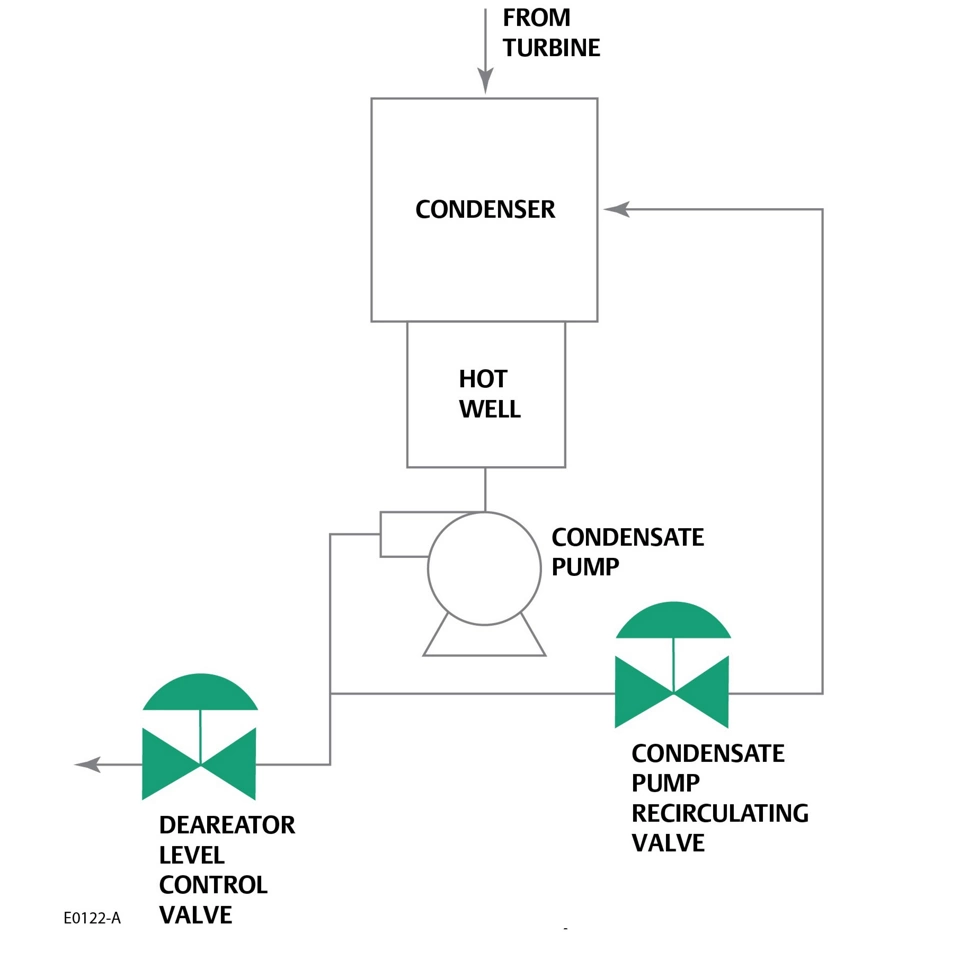
Industrial steam generation and commercial electric-power boilers must be filled with water to a required level and then that level maintained during firing or heating of the boiler to generate steam. The water flow requirements prior to steam generation are controlled by a startup valve. Filling the boiler, maintaining water level during startup, and transferring load control to the main feedwater regulator are duties of the startup control valve. Initial conditions will require cavitation and fine flow control from the startup valve over a wide range of flow and pressure conditions.
Feedwater pumps impart high energy in terms of flow and pressure to the water going to a boiler. Centrifugal pumps require a minimum flow rate to maintain stable operation and avoid internal cavitation. When system conditions limit the flow rate below the pump minimum, a control valve allows bypass flow from the pump outlet back to the system upstream of the pump. The system flow rate is accomplished and the pump health is maintained. The valve itself must be selected to control pressure drops (example 6000 psid) while preventing cavitation.
Heat transfer inside a boiler is hindered by combustion products attached to the boiler surfaces. Soot blowers utilize system steam to blow those materials off the surfaces and thus maintain boiler efficiency. These valves take main steam sources and reduce the pressure while controlling flow in order to accomplish the main task without creating damaging noise and vibration.
During startup, shutdown, and emergency conditions the steam normally sent to the turbines is bypassed through these valves to condenser or atmosphere. This allows power delivery from the turbines to be curtailed and the steam recycled. The valve must provide noise reduction, high flow and pressure drop capability, while being suitable for large temperature differences.
This valve recycles flow through the primary ethane pump when needed to prevent cavitation. It is used most commonly in commissioning and startup as the unit is brought up to full capacity. Anti-cavitation trim is nearly always required due to the elevated pressure drop across the primary pump. Micro trims may be required as well to address low flow requirements.
This valve is a high pressure vent to flare header valve that is operated under emergency conditions. If the pressure in the separator increases above the set point, it's relieved to safeguard the separator. These valves are subjected to very high pressure drops, resulting in high levels of aerodynamic noise. Globe style valves with attenuating trims are commonly required to mitigate noise and potential vibration.
Learn More About Emerson's Valve Services



Resources
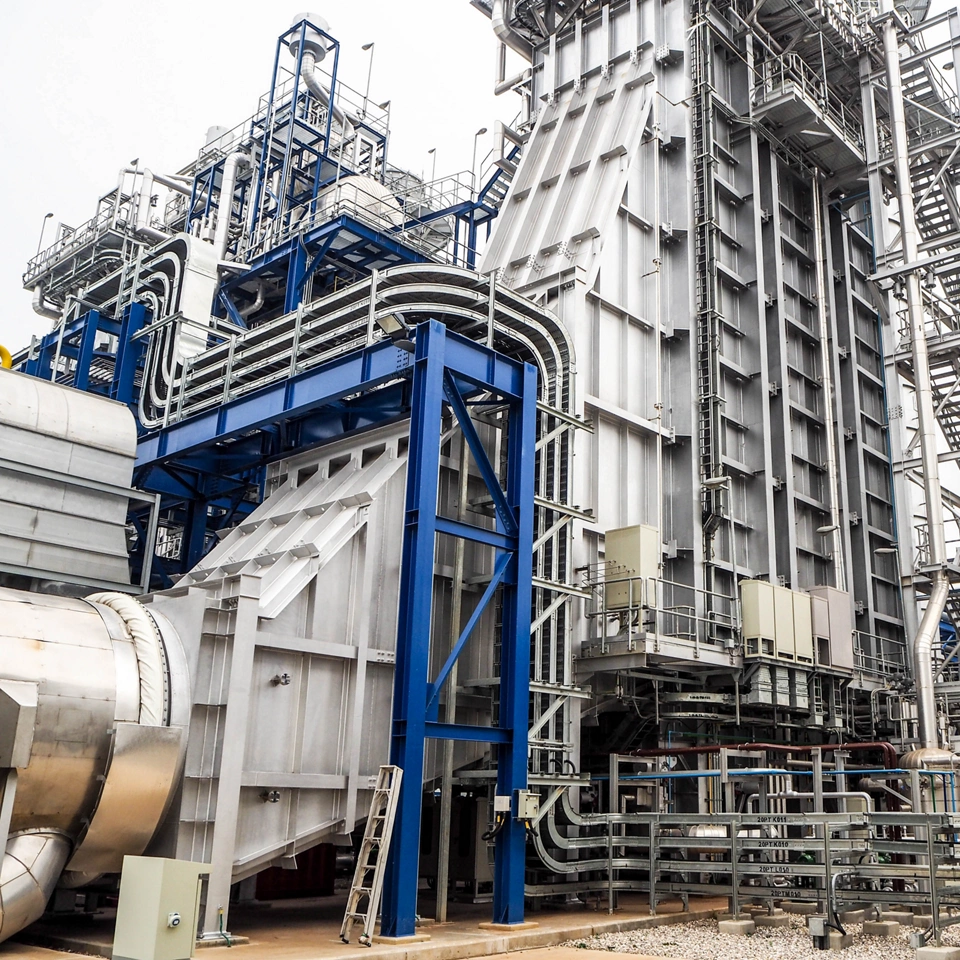




Videos
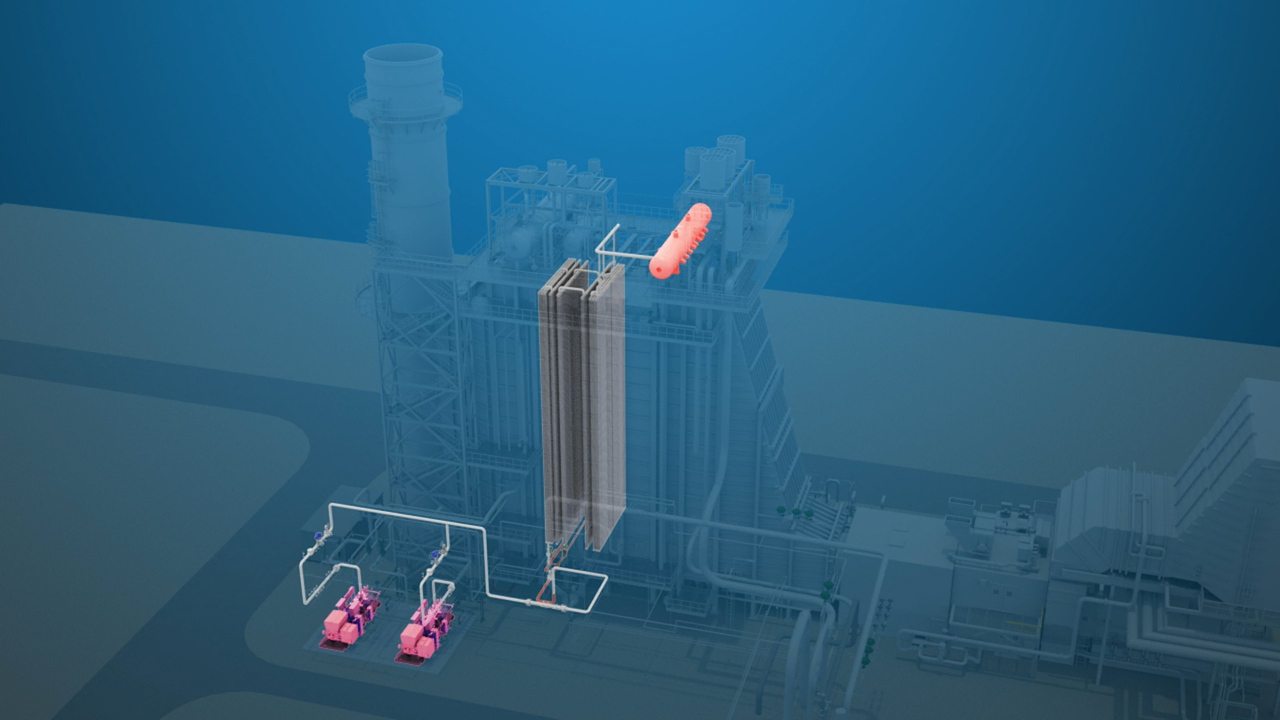
HRSG Feedwater and Steam Valve Operation Overview | Power Industry Application Series
A detailed overview of HRSG operation from the boiler feed pumps through the high pressure steam outlet with a brief discussion on critical control valve applications in each system. This covers plant startup, normal operating, and plant shutdown.
HRSG Feedwater and Steam Valve Operation Overview | Power Industry Application Series
Feedwater Startup and Regulator Valve Operation Overview | Power Industry Application Series
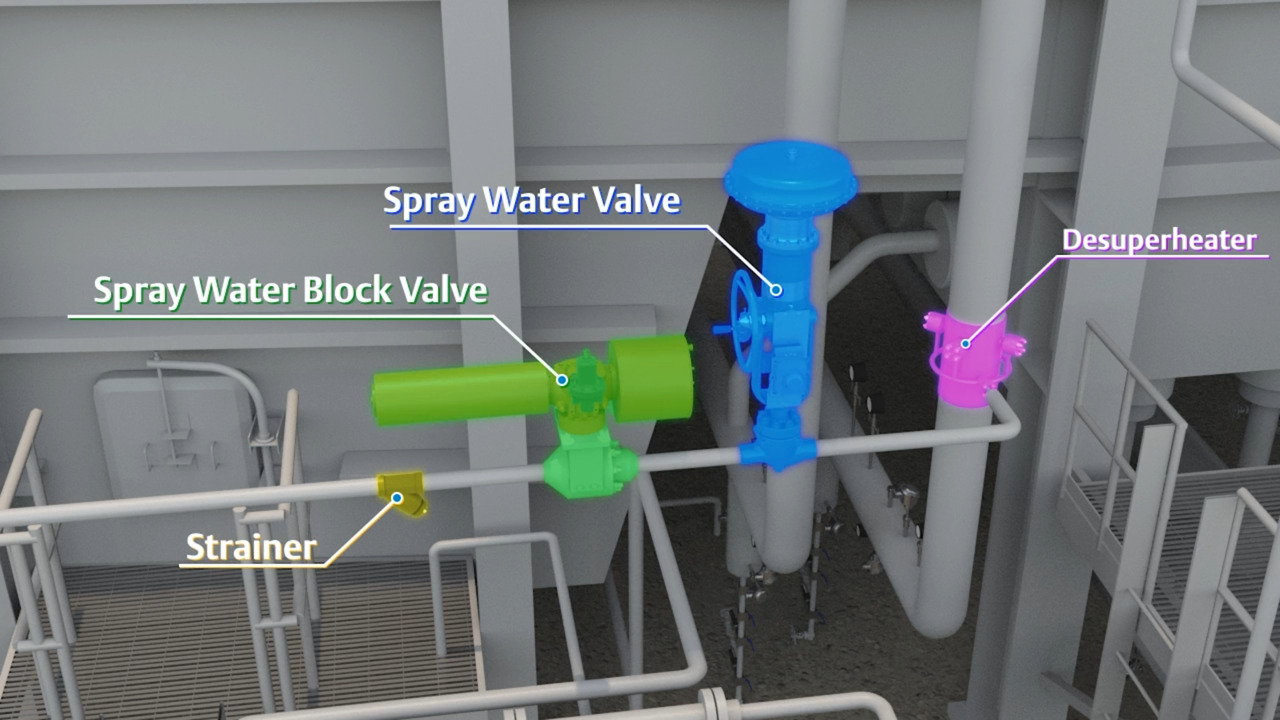
Superheat Attemperator System | Power Industry Application Series
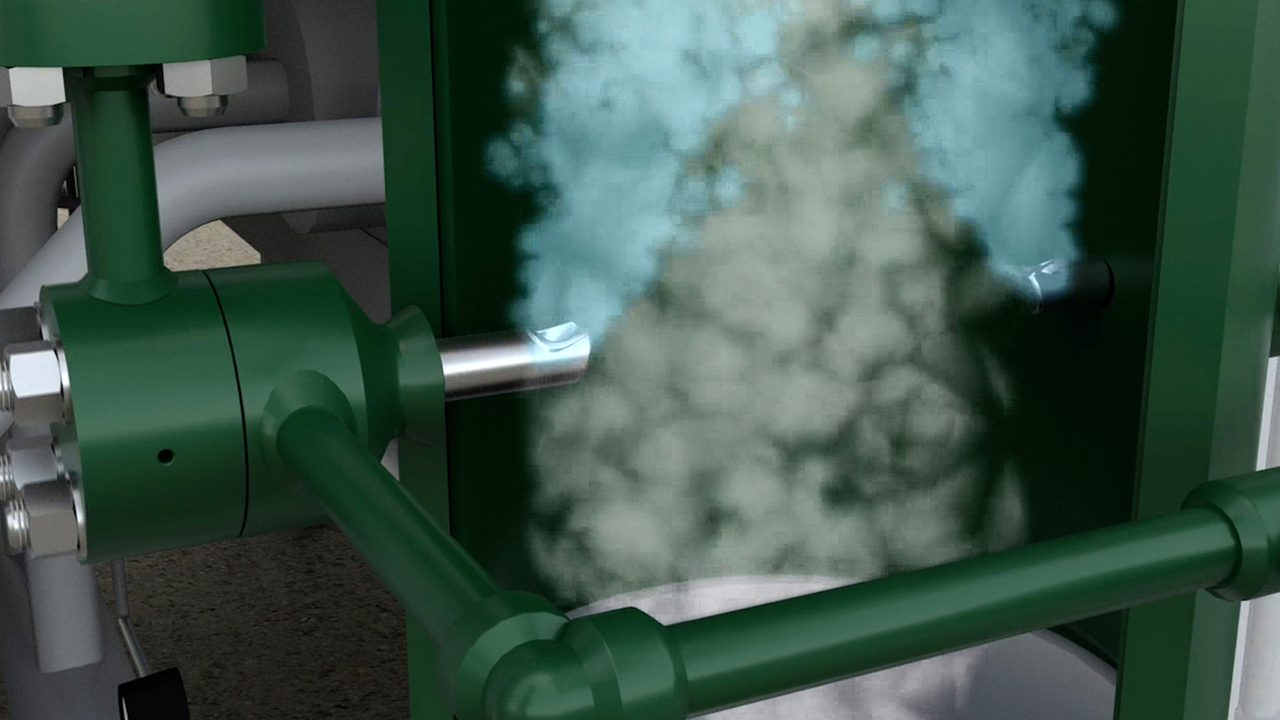
Guard Against Attemperator Overspray Damage With Fisher ATST Desuperheaters
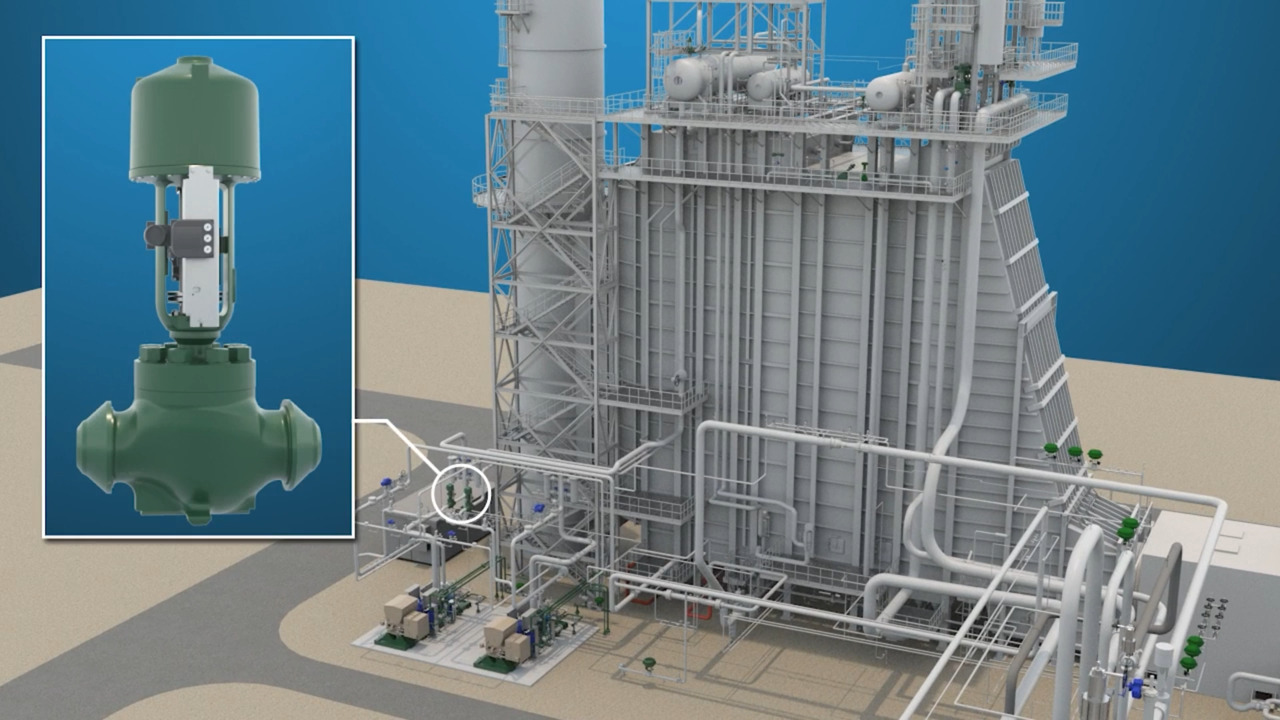
Boiler Feedwater Pump Recirculation Valve Operation Overview | Power Industry Application Series
Sky Vent Control Valve Operation Overview | Power Industry Application Series
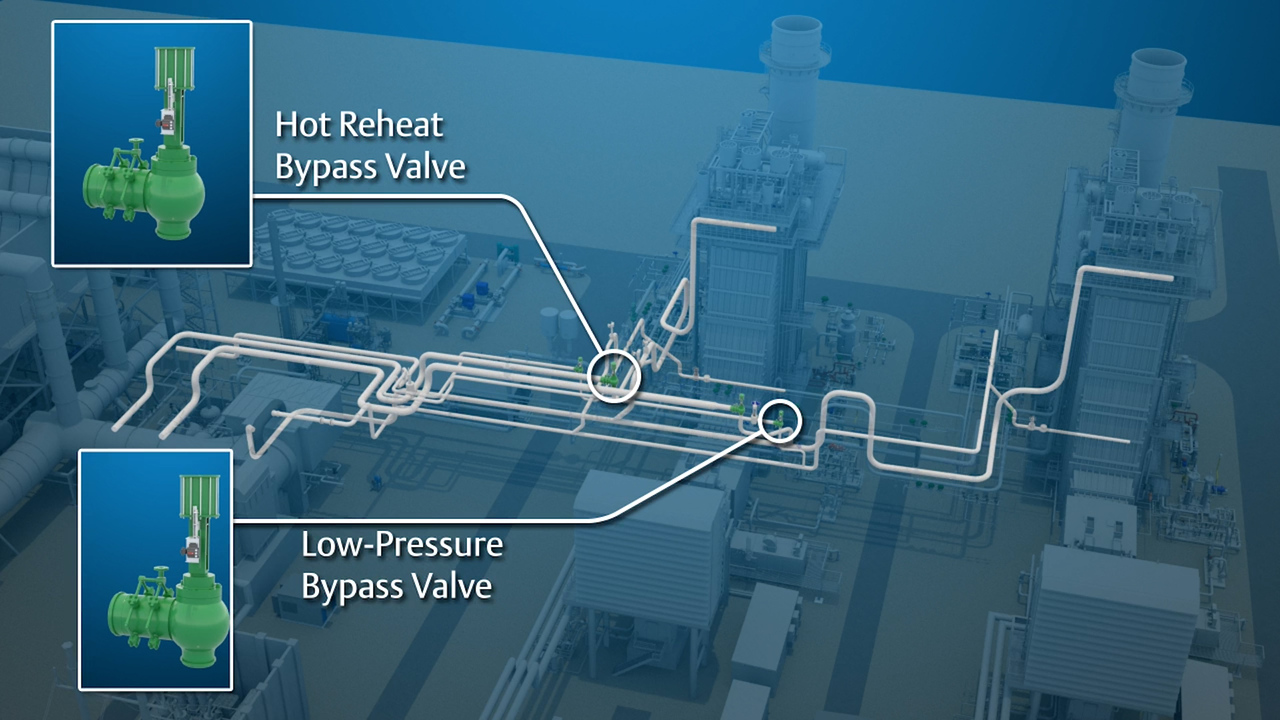
Turbine Bypass Systems Overview | Power Industry Application Series