
Steam control solutions for optimizing plant performance and maximizing uptime
We understand the importance of keeping your processes running continuously, regardless of the conditions and are dedicated to providing reliable technologies that will help you control, regulate and isolate your process with absolute certainty. When you want a partner who can help you operate safely, improve reliability and optimize plant performance, you can be sure that Emerson has the complete solution.
Solutions in Action: Steam Valves
Steam Header / Distribution

Steam mains, headers, and branches distribute steam throughout the plant to the equipment where its heat can be utilized.
It is critical to keep the steam dry throughout the distribution lines to maintain safe operation and longevity of the piping, valves, and equipment. High velocity water droplets cause the erosion of pipe walls and valves, the presence of liquid water from condensation or boiler carryover leads to corrosion, and accumulated water can be propelled by high velocity steam causing water hammer damage.
Many traditional stop valve technologies leak even when new. High velocity steam flowing past a leaking seat causes wire-draw, accelerating leakage and compromising the valve’s ability to seal when needed.
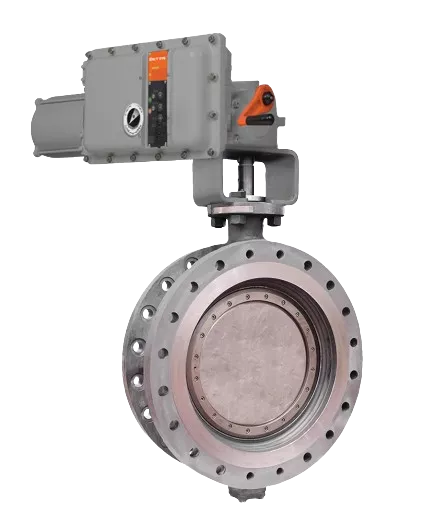
Steam Header Triple Offset Isolation Valve
Vanessa Triple offset valves outperform traditional valves with increased durability, reliability and lower ownership cost. The seat of the triple offset valve is designed to minimize wear, provide lower maintenance cost and extend service life.
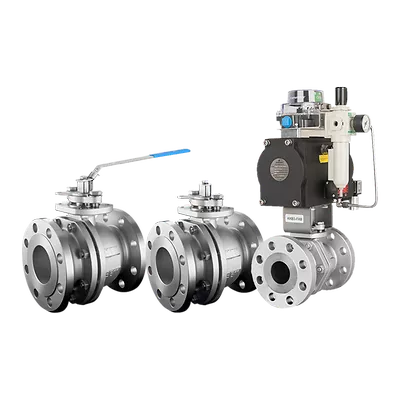
Steam Header Isolation Valve
A comprehensive range of ball, butterfly, and gate valves to suit a wide variety of industrial applications including header isolation.
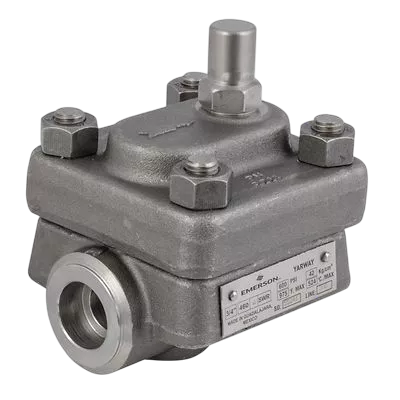
Header Steam Trap
Header steam traps must be prepared to handle surges in flow in the case of upset conditions.
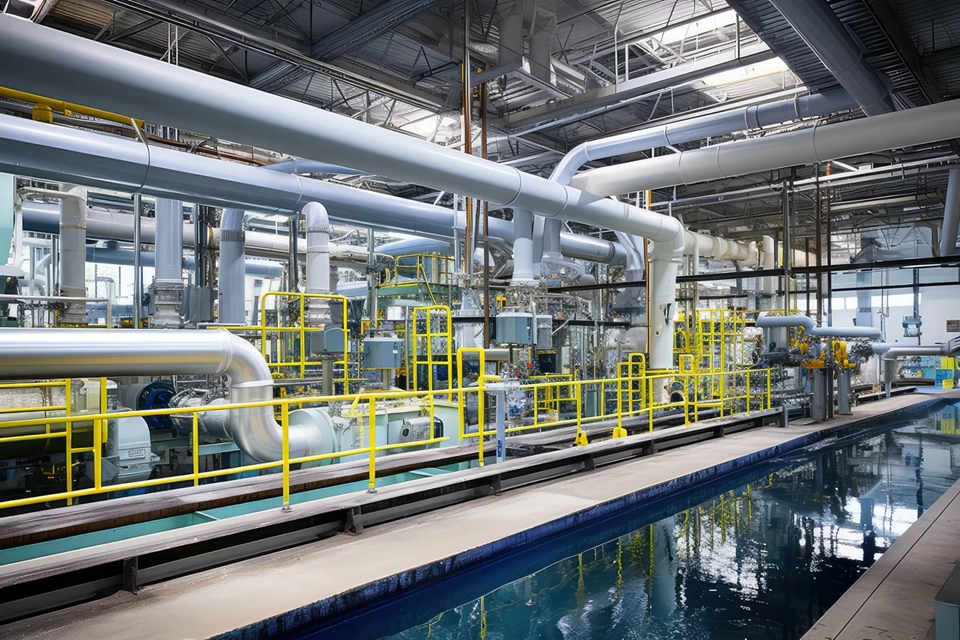
Steam Conditioning
Temperature is controlled in a variety of ways in a process plant environment. Process steam must be conditioned to a point near saturation where it is more efficient for heat transfer. Properly-selected equipment will ensure optimum plant availability, reliability, and profitability.
The desuperheater valve injects a controlled amount of water into a steam flow to lower the temperature of the steam. To achieve this efficiently, the desuperheater must be designed and selected correctly for the application.
Steam Desuperheaters
Improve the thermal efficiency and protect downstream equipment with Fisher and Sempell steam conditioning valves and desuperheaters.
Steam Control Valve
Accurately control the amount of water injected into the steam attemperator, providing optimal temperature control while minimizing the damaging effects of cavitation.
Steam Safety Valve
The Crosby J Series Section VIII safety valves have a versatile and rugged design making them a proven solution.
Pressure Reduction Stations
Pressure reduction stations are used to lower steam pressure to levels suitable for downstream equipment pressure ratings and for efficient heat transfer. Wet, high-velocity steam is erosive to valve internals which can jeopardize pressure-reducing valves’ ability to shut off.
Steam passing through a pressure reducing valve at high flowrates and pressure drops generates significant noise and vibration due to turbulence. In addition to hearing safety concerns, noise travels to downstream equipment where it can cause vibration damage.
Steam Pressure Reducing Valve
Fisher pressure reducing valves are designed to provide decades of continuous service. They maintain a steady pressure to the downstream equipment.
Steam Noise Attenuation
The source of process noise can be difficult to assess. Emerson studies process noise and tests solutions utilizing our state-of-the-art flow lab. We’re able to provide a complete portfolio of products to assist you with the right solution for your plant.
Steam Pressure Control Valve
Accurately control the amount of water injected into the steam attemperator, providing optimal temperature control while minimizing the damaging effects of cavitation.
Heat Exchangers / Reboilers
Reliability is paramount in heat exchanger applications since a singleunplanned shutdown or slowdown can have a cascading effect ondownstream processes.
In heat exchangers, steam transfers its latent heat to the process fluidand condenses. If not properly managed, condensate can accumulatewithin the heat exchanger leading to issues such as condensate stall,water hammer, reduced efficiency, and corrosion.
Variations in steam supply temperature or pressure can reduceefficiency or damage equipment so precise control of steam flow is critical.
Temperature Control Valve
Fisher and Baumann control Valves for general utility service exhibit low hysteresis and deadband, good control characteristics, tight shutoff, rugged construction, high performance packing, and easy maintainability.
Steam Safety Valve
The Crosby J Series Section VIII safety valves have a versatile and rugged design making them a proven solution.
Steam Condensate Pump Trap
The Yarway CondenSaver pump trap option uses steam to remove condensate in all conditions, eliminating heat exchanger stall.
Condensate Recovery
After steam transfers its heat to the process, it turns to condensate which is a valuable resource to return to the boiler feedtank to be continually recycled through the steam loop.
Each drop of lost condensate must be replaced by make-up water that must be heated and treated with both chemicals and boiler blowdown, decreasing the steam system’s efficiency.
Steam Condensate Pump
Efficiently conserves energy and reduces CO2/NOx emissions by collecting and returning hot condensate for reuse as boiler feedwater. Recycles treated condensate, reducing cold makeup water and chemicals and decreasing energy loss from boiler blowdown.
Condensate Pump Steam Supply Regulator
Fisher pressure reducing valves are designed to provide decades of continuous service. They maintain a steady pressure to the deaerator to prevent re-oxygenation of the feedwater resulting from spikes in deaerator vessel pressure.
Condensate Isolation Valve
Keystone K-LOK seats provide bi-directional, drop-tight shut-off in full rated differential pressure. Its unique design does not rely on pressure to assist sealing therefore seals at high and low pressures, as well as dirty services.
Clean-in-Place / Steam-in-Place / Sanitary
Unplanned asset failures, improper asset performance, poor maintenance planning, and untimely follow-through can cause shutdowns, under-utilized production equipment, deviations, or material/product
losses. Energy inefficiencies caused by inconsistent equipment operations, leaks, cleaning constraints, CIP issues, water shortages, etc. contribute to
unnecessary energy usage, avoidable utility consumption and lost production time.
Sanitary Steam Control Valve
Baumann sanitary control valves have excellent flow control, high rangeability, and compact size designed to meet the stringent demands of today’s state-of-the-art facilities. And, as an added benefit, the ability to use the FIELDVUE™ digital valve controller means that your sanitary valves can become a proactive component of your process validation protocols in the life sciences industry.
Sanitary Steam Pressure Reducing Valve
TESCOM high purity, high flow single-stage regulator offers a compact, USP Class VI and BPE compliant design suitable for biotech and pharmaceutical applications. Ideal for use in clean steam for sanitization and vessel headspace pressurization.
Sanitary Steam Regulator
Fisher types SR5/SR8 Sanitary pressure reducing and backpressure regulators reduce your downtime by satisfying high flow demand while maintaining accurate pressure control.