
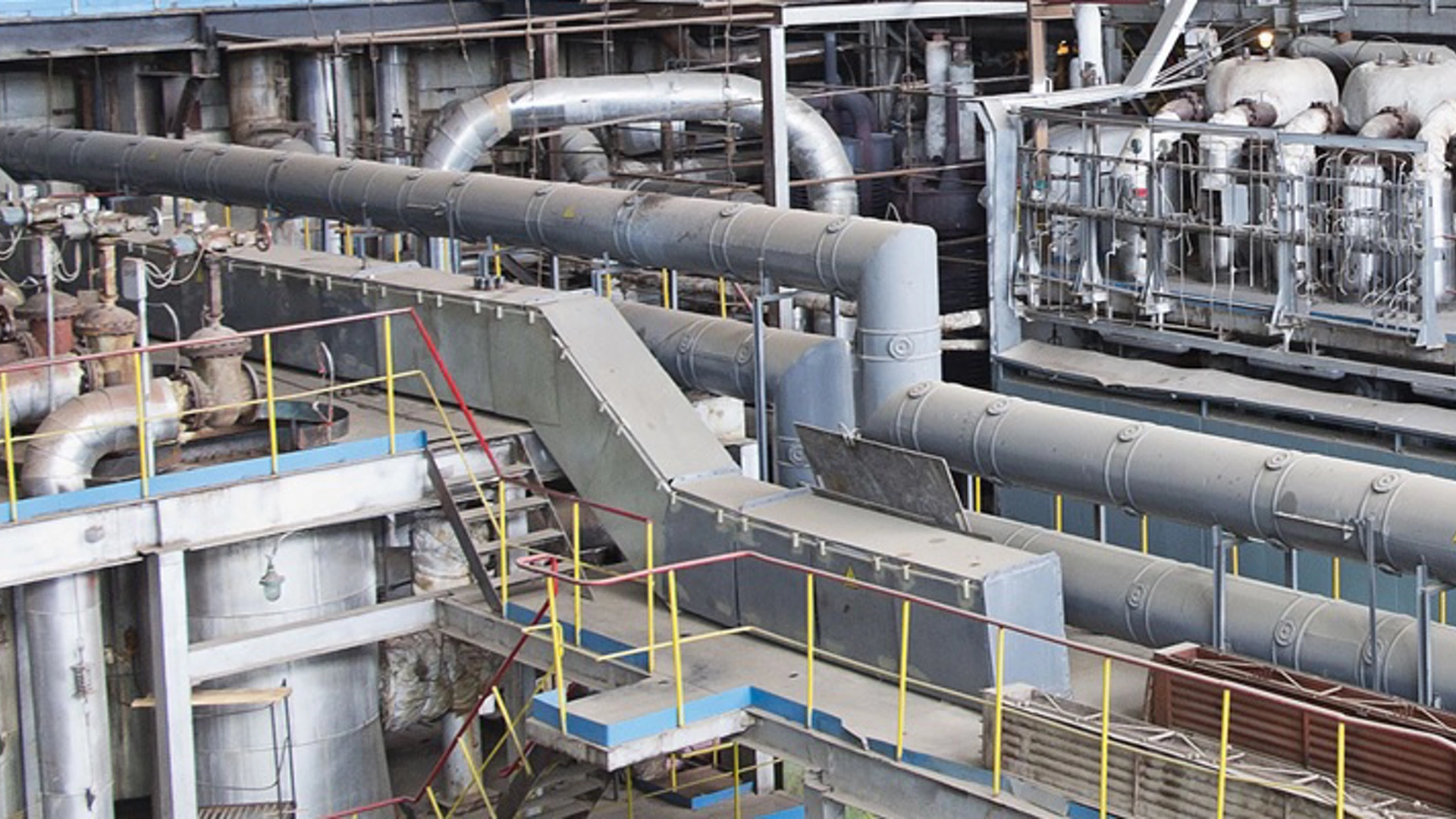
What is Steam Conditioning and Desuperheating?
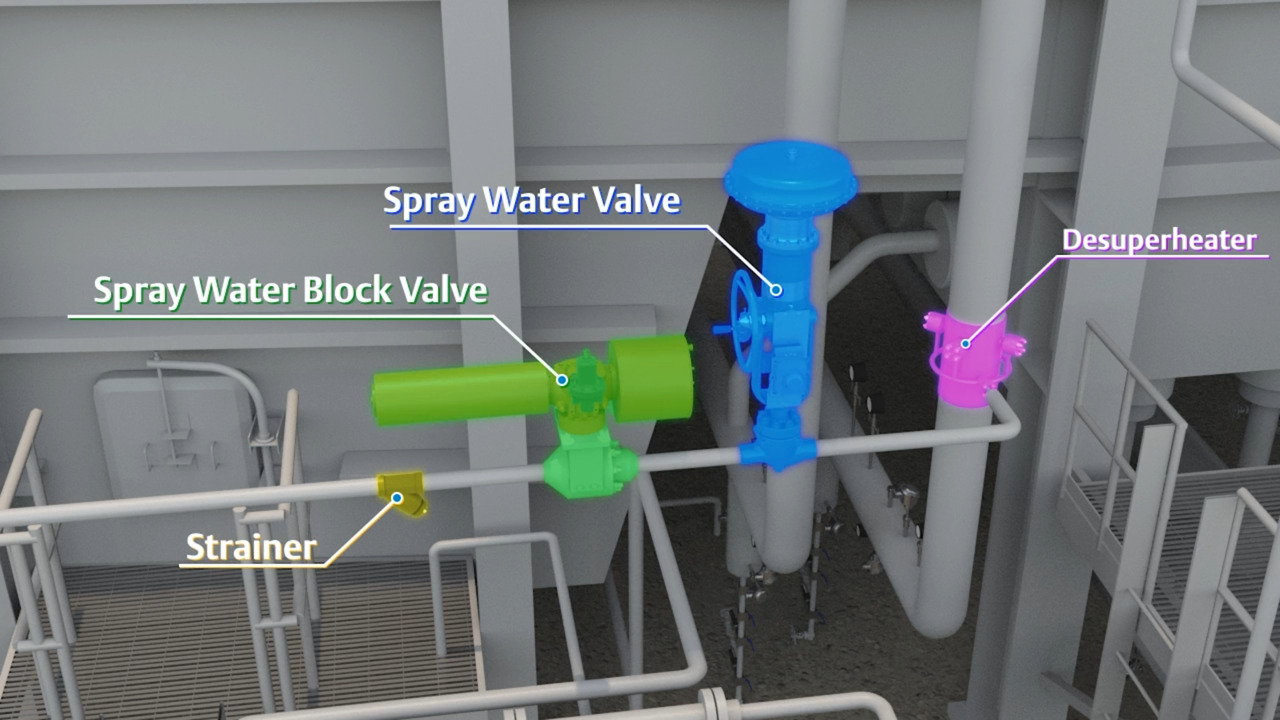
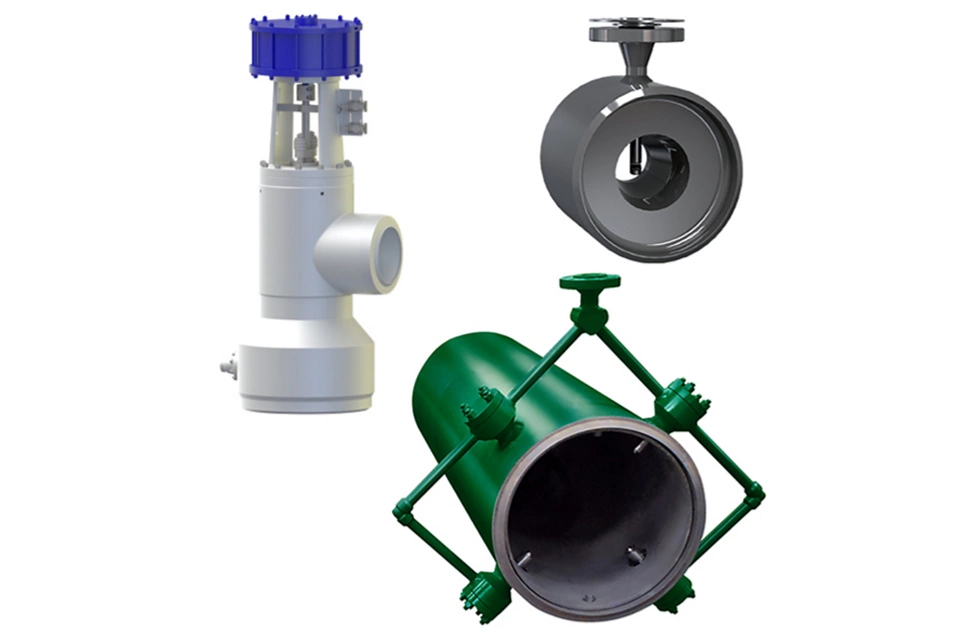
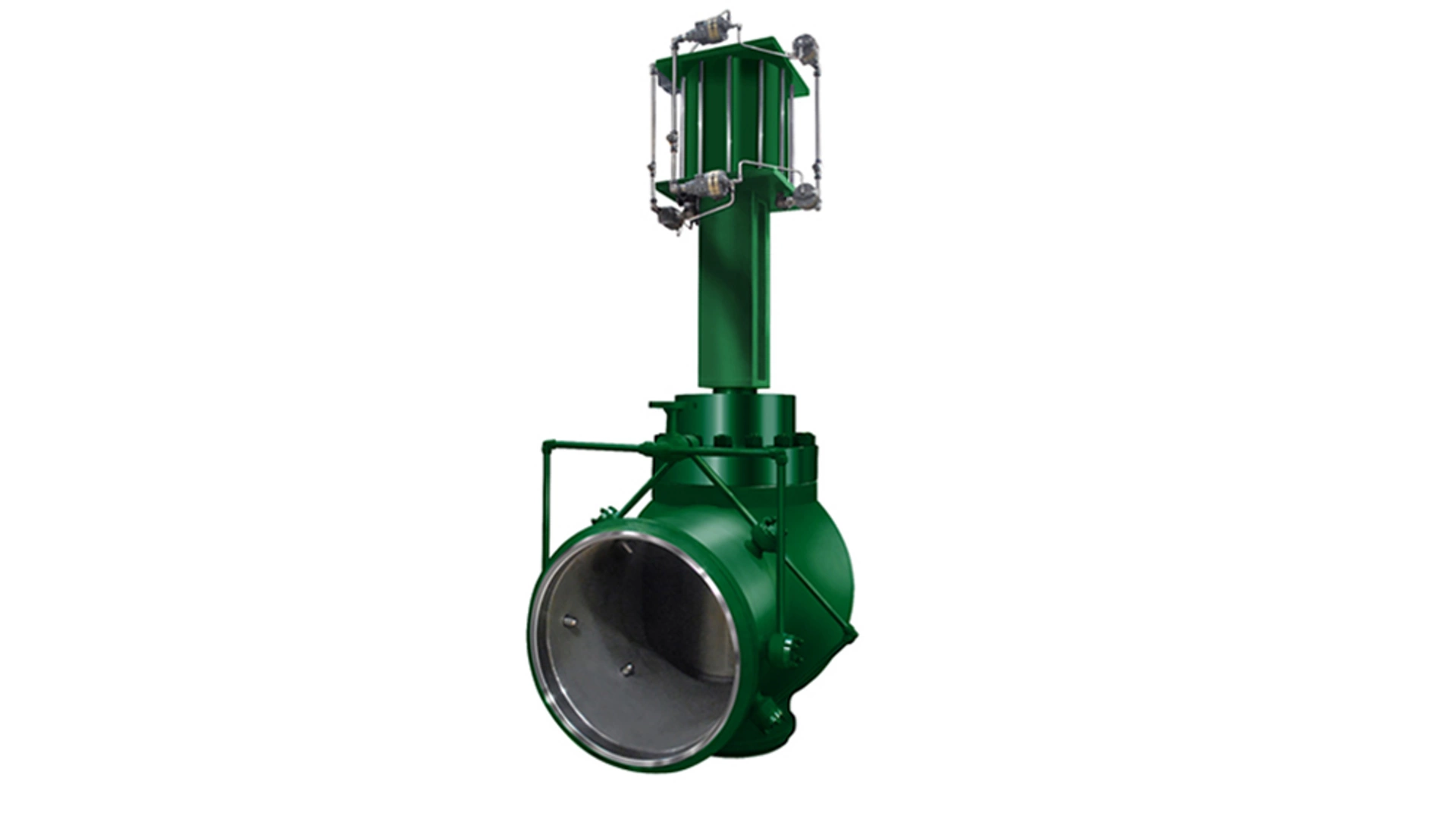
A desuperheater injects a controlled, predetermined amount of water into a steam flow to lower the temperature of the steam. To achieve this efficiently, the desuperheater must be designed and selected correctly for the application. Although it can appear simplistic in design, the desuperheater must integrate with a wide variety of complex thermal and flow dynamic variables to be effective. Steam conditioning valves control steam pressure and temperature by combining both functions within one integral control unit. These valves address the need for better control of steam conditions brought on by increased energy costs and more rigorous plant operation. Steam conditioning valves also provide better temperature control, improved noise abatement, and require fewer piping and installation restrictions than the equivalent desuperheater.
How It Works
Common Applications
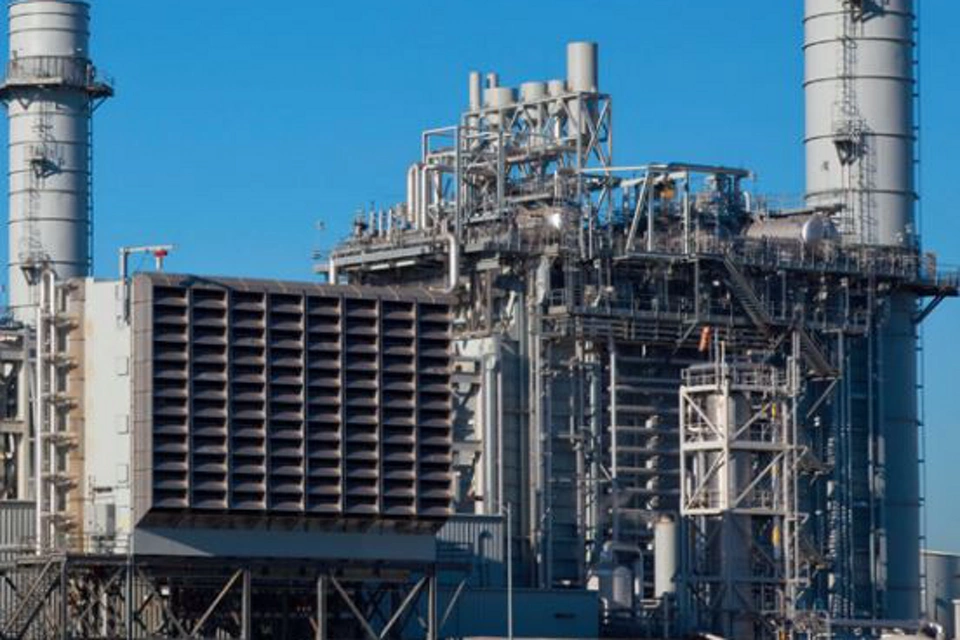
Power Generation
Competing in today’s power market requires heavy emphasis on the ability to utilize multiple strategies. Increased cyclical operation, daily start-stop, and faster ramp rates are used to ensure full load operation at daily peak hours to maximize profit and allow for plant availability.
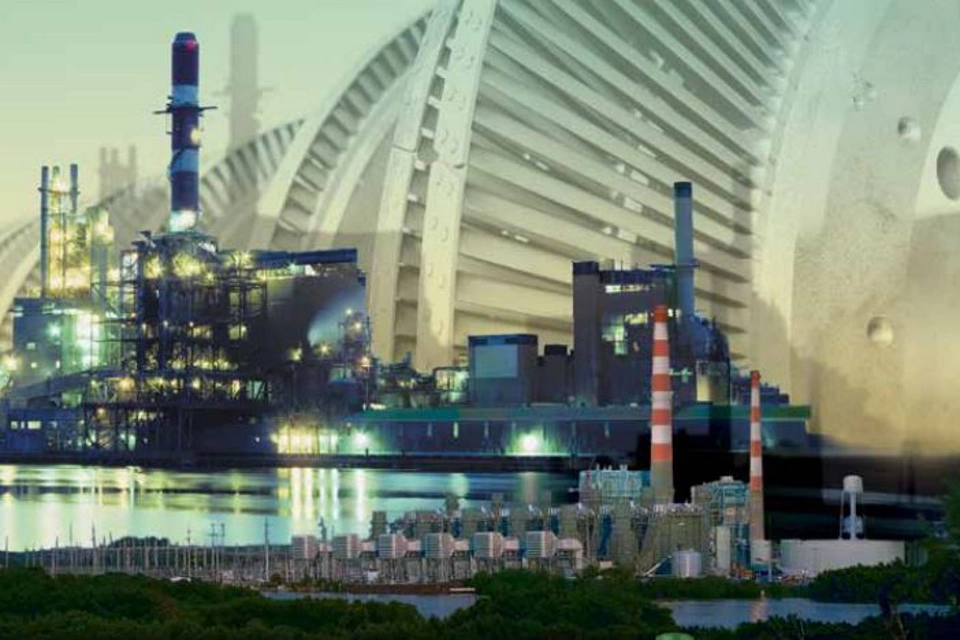
Hydrocarbon and Petrochemical Industries
Temperature is controlled in a variety of ways in a process plant environment. The most common ways to control temperature are through the use of heat exchangers and process steam. Process steam must be conditioned to a point near saturation where it is transformed into a medium that is more efficient for heat transfer. Properly selected equipment will ensure optimum plant availability, reliability, and profitability.
Steam Conditioning and Desuperheating Videos

Webinar: Desuperheating Basics - Fisher Technology Quick Talks
Webinar: Desuperheating Basics - Fisher Technology Quick Talks
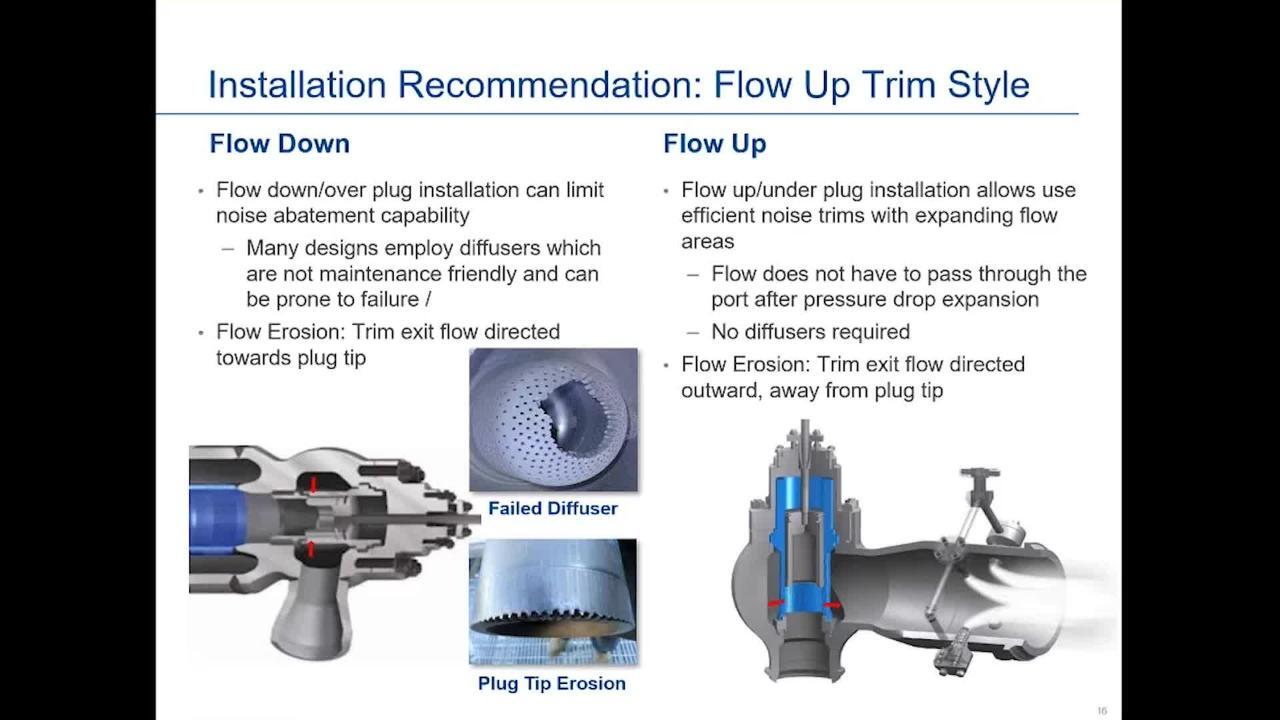
Webinar: Turbine Bypass Valves - Fisher Technology Quick Talk
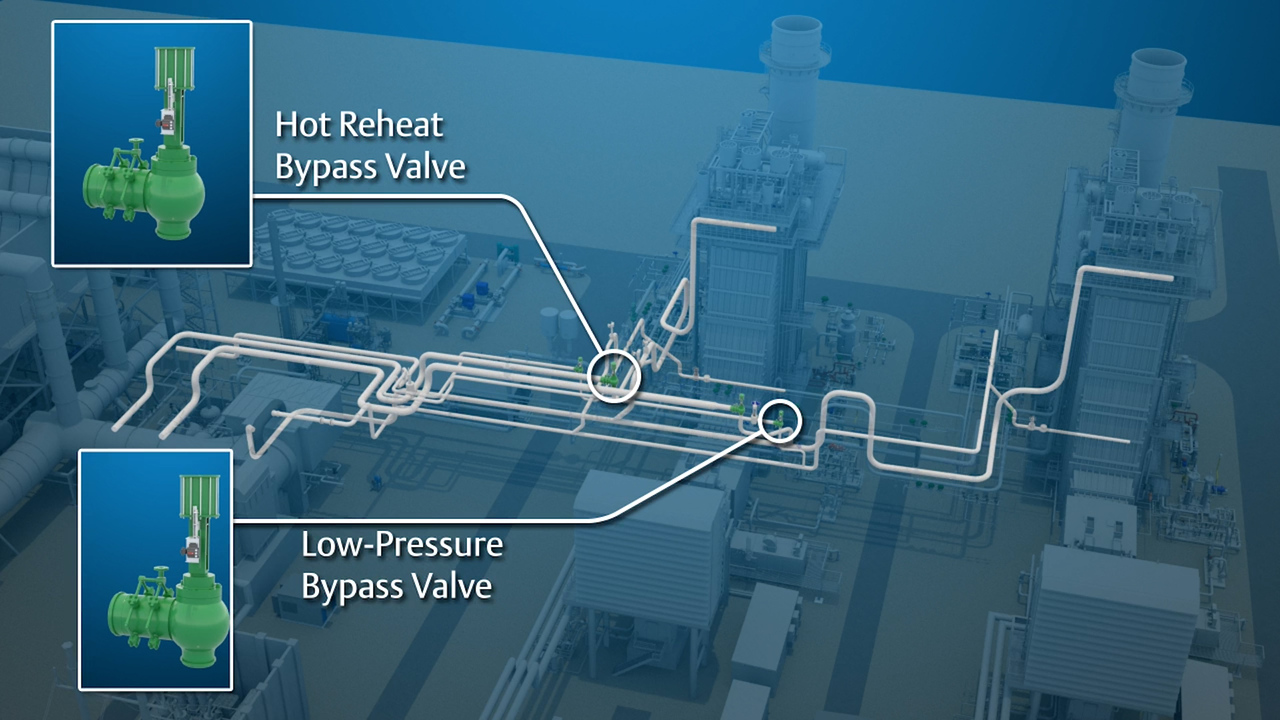
Turbine Bypass Systems Overview | Power Industry Application Series
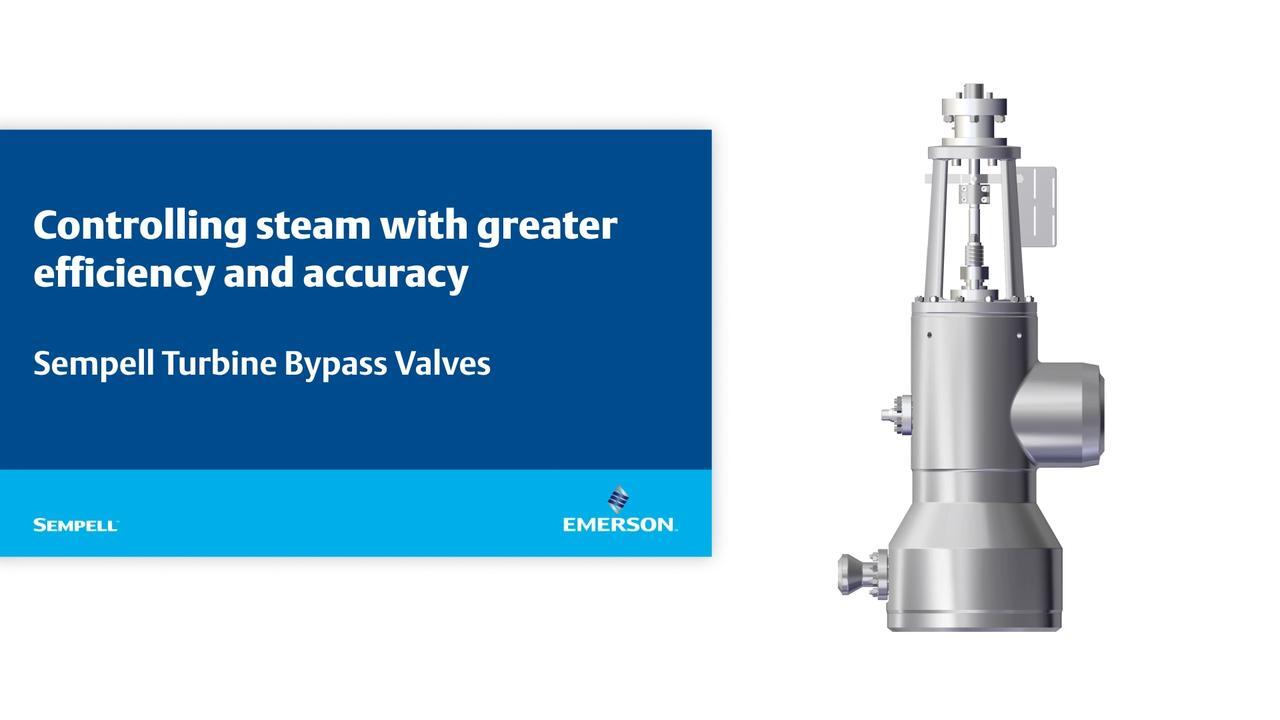
Sempell Turbine Bypass Valves