

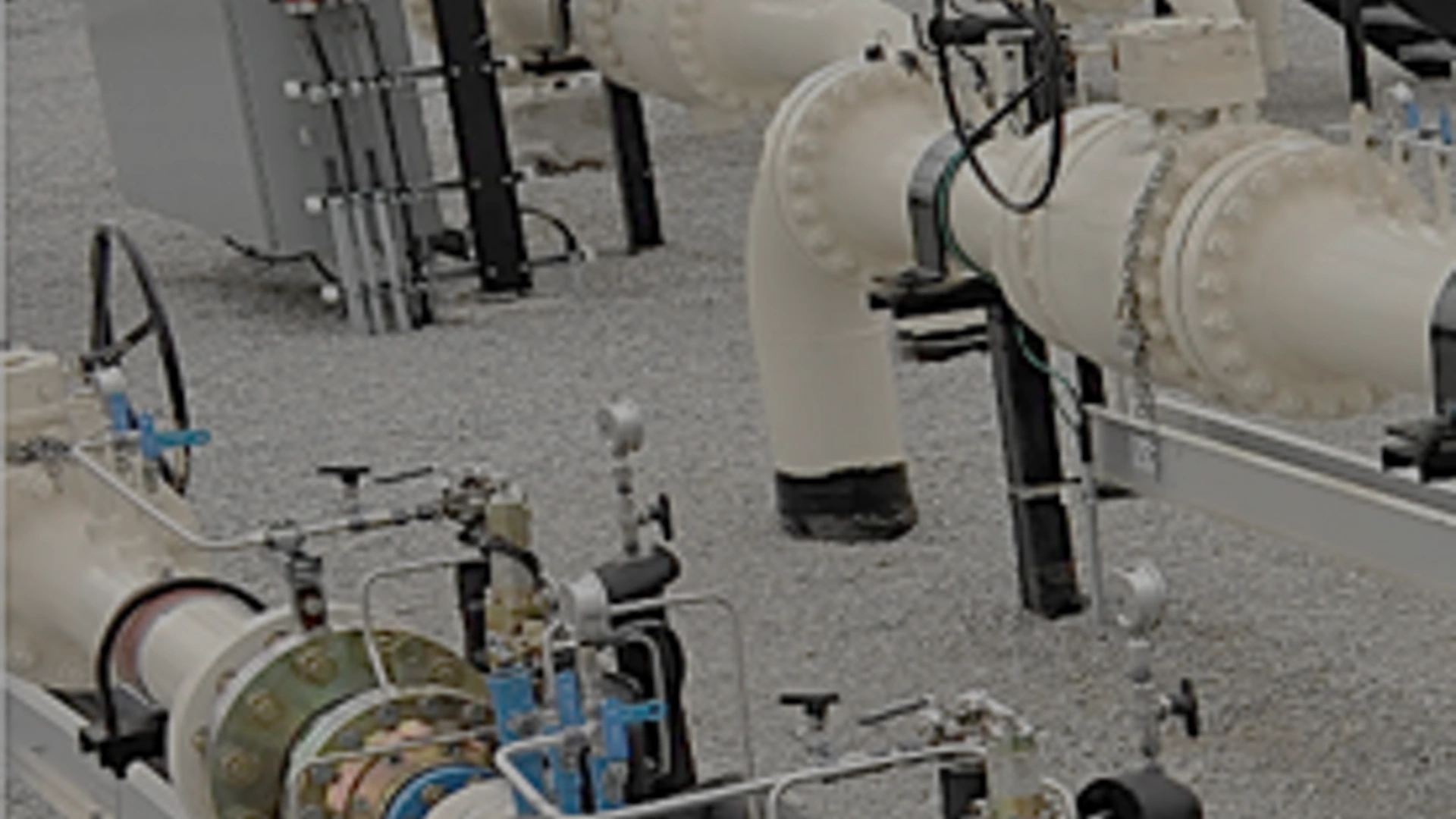
Comprehensive Pressure Control Solutions from Wellhead to Customer
For more than a century we’ve worked alongside customers to understand their challenges and design effective solutions. Our natural gas regulators ensure system reliability in gas distribution applications by providing uninterrupted, safe, and accurate gas supply. Reliable, easy-to-maintain gas regulators optimize ownership costs by reducing downtime and minimizing technician hours for installation and maintenance. We create value by delivering best-in-class pressure control equipment, solutions, and services for an unparalleled range of applications.

Natural Gas Regulator Station Solutions
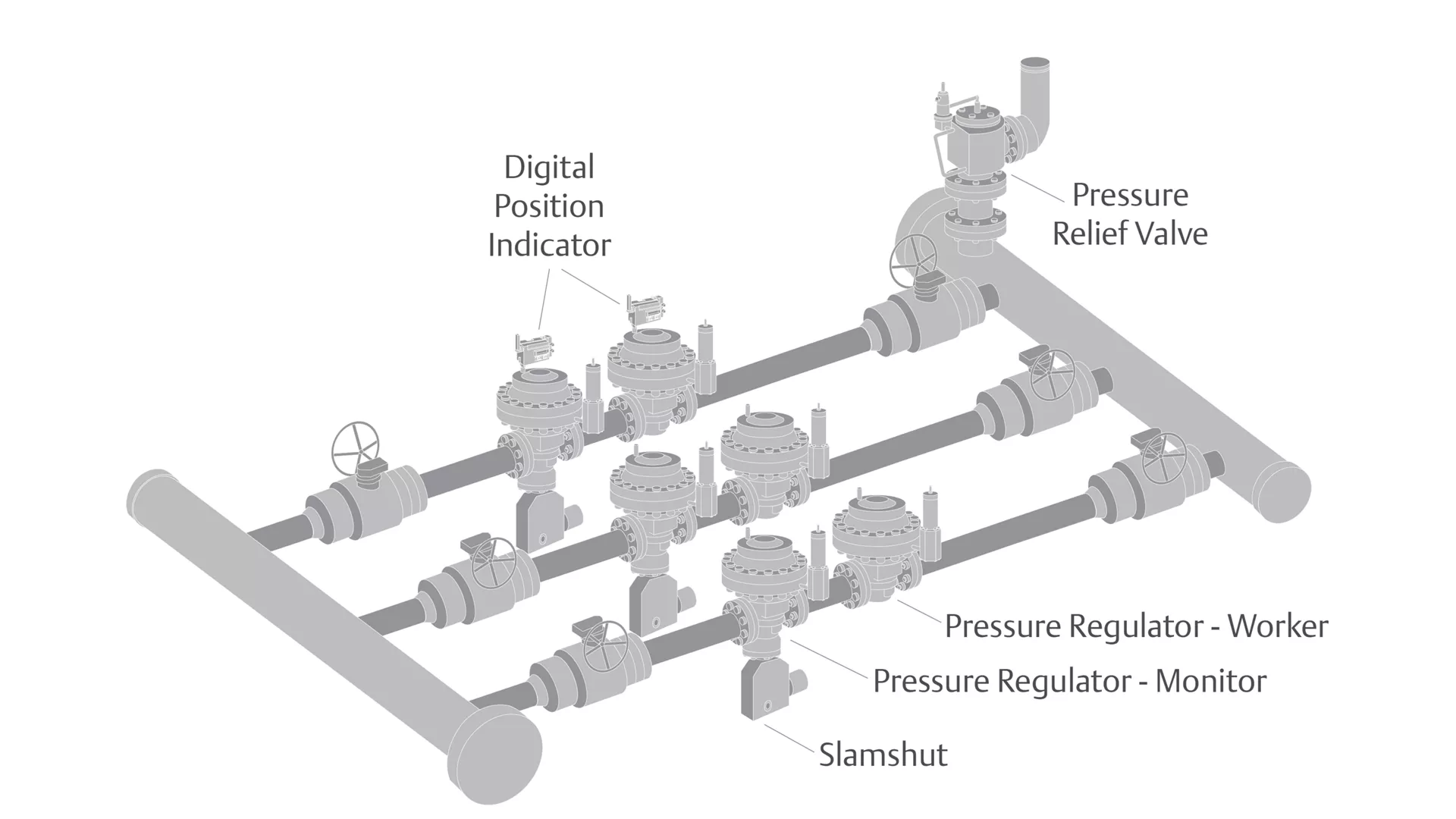
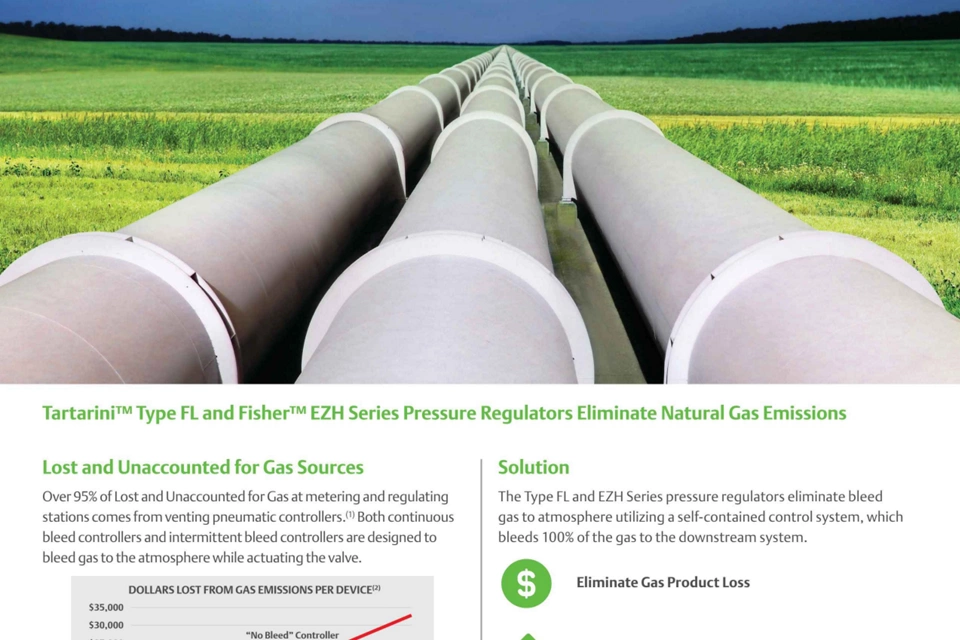
Our solutions maximize system uptime and ensure safe gas supply for your city gate stations, gas-fired turbine feed, and farm taps. Emerson’s innovative no-bleed natural gas regulators eliminate gas emissions and improve health, safety, and environmental performance. Our Whisper Trim™ noise reduction technology limits harmful noise generation at its source.
Reduce odorization maintenance costs and obtain exceptional low flow rangeability using our solenoid injection technology.
Products
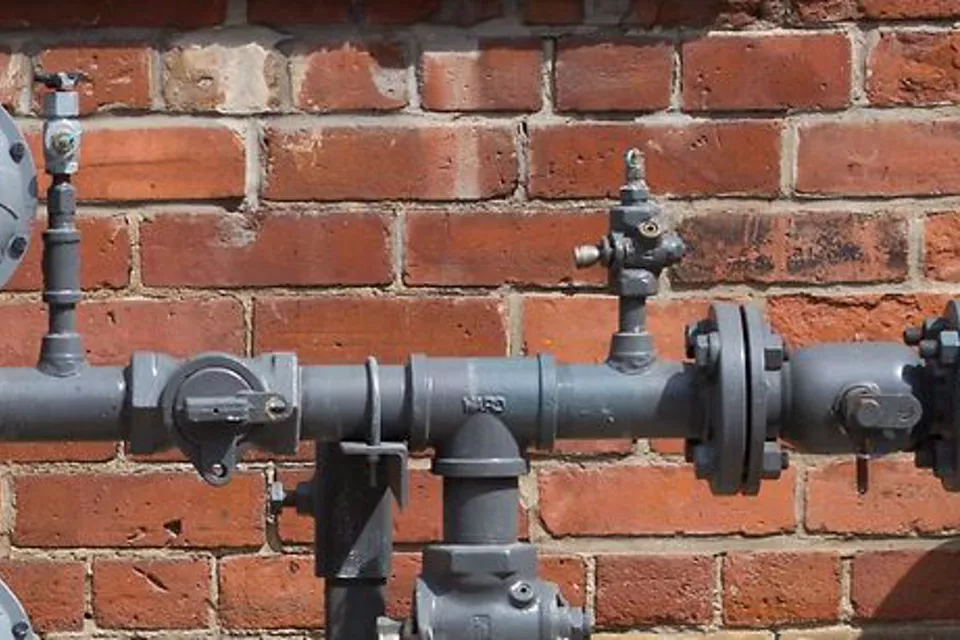
Pressure Reducing Regulators
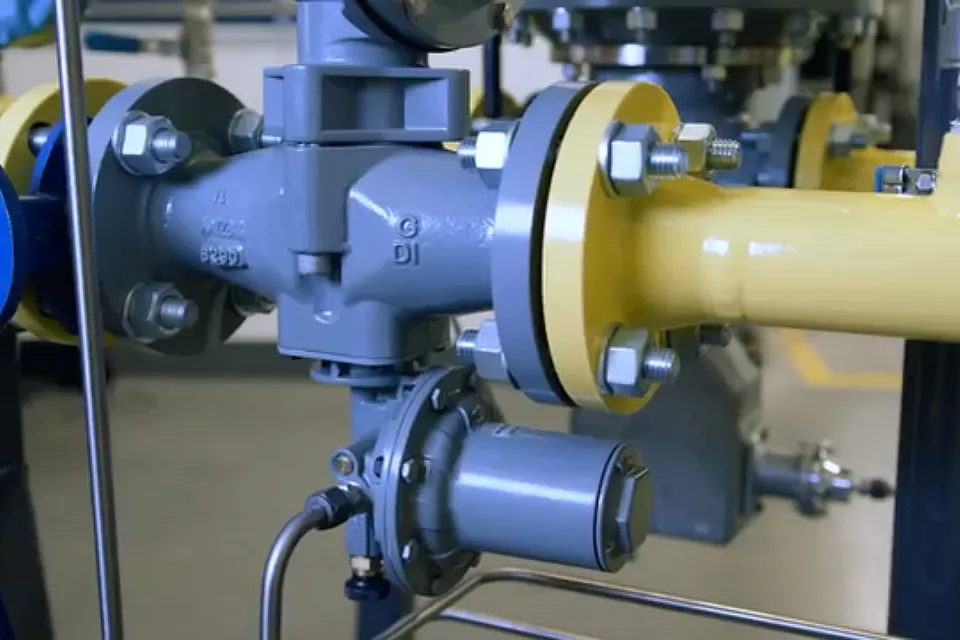
Slam-Shut Devices

Back Pressure Regulators

Pressure Relief Valves
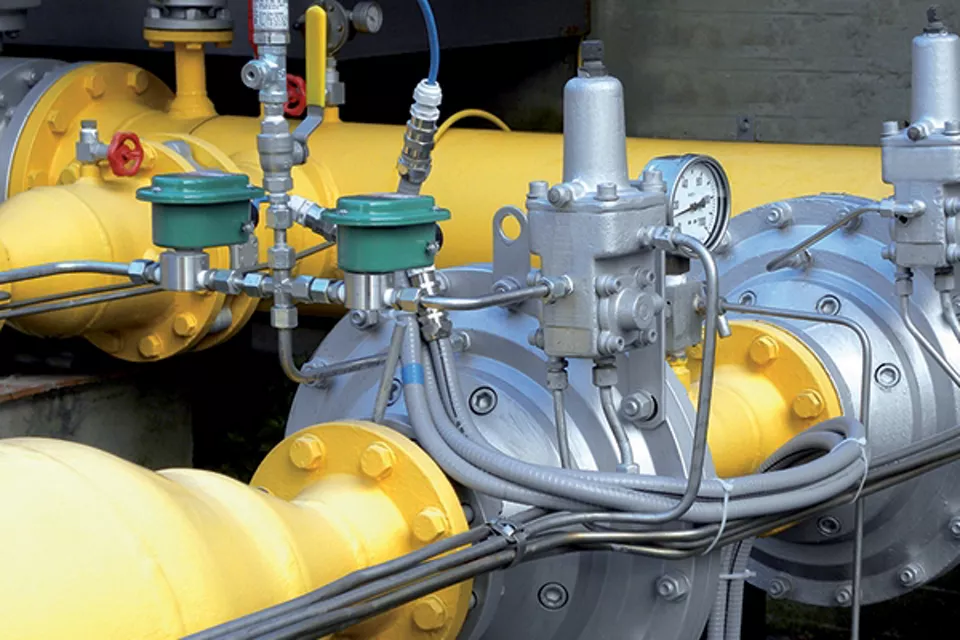
Smart Grid Management
Resources


Frequently Asked Questions – Natural Gas Regulators
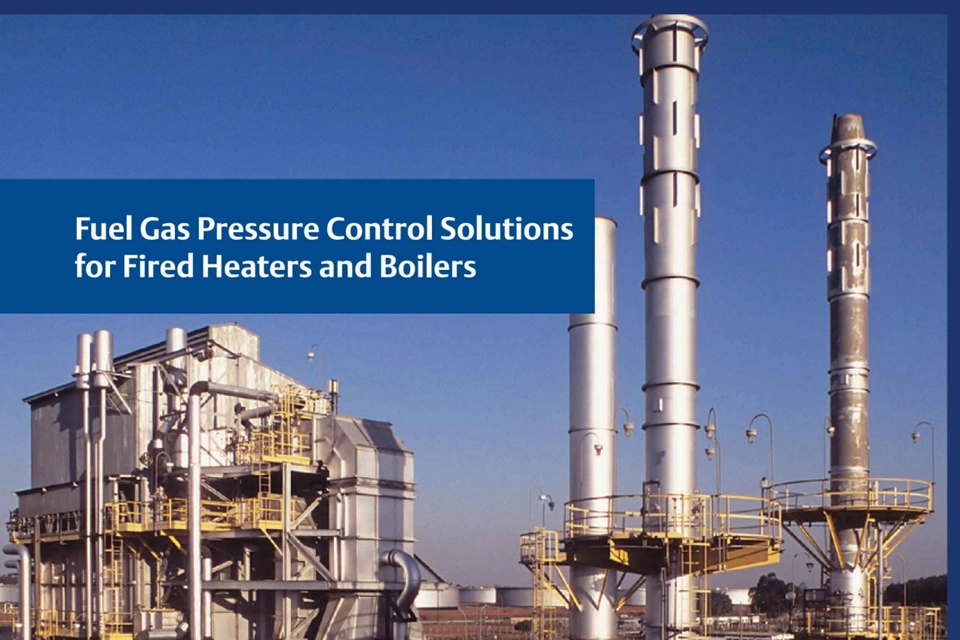
Natural gas pressure regulators, also known as pressure reducing valves, are mechanical devices which achieve automated pressure control without an external power source. Pressure regulators reduce a high, often variable upstream pressure to a lower, steady outlet pressure despite varying natural gas demand from the equipment it is supplying. To match this demand, the pressure regulator valve throttles, allowing more gas flow when demand increases and choking off gas flow when demand decreases.
Spring loaded
- Spring loaded regulators, also known as direct-operated or self-operated regulators, are the simplest type of pressure reducing regulator and are the most common due to their simplicity and economy. Spring loaded regulators are typically the first choice unless the flow or accuracy requirements of the application cannot be met.
- Spring loaded regulators utilize a force balance between a spring and the regulator’s outlet pressure pushing on a diaphragm (or piston) to operate its valve. The spring is compressed, providing the force that opens the valve while outlet pressure on the diaphragm provides the closing force. When these two forces are balanced, the regulator’s valve is open the correct amount, exactly matching flow demand from the downstream equipment. In this way, the regulator, a purely mechanical product automates pressure control.
Pilot-operated
- Pilot-operated gas regulators offer superior accuracy and larger flow capability, both critical for applications such as gate stations, gas turbine feeds, and district stations.
- The pilot acts as an amplifier, responding to slight decreases in outlet pressure with large pneumatic signals to the valve. These signals from the pilot force the main valve to respond to small outlet pressure changes maintaining outlet pressure very close to setpoint.
- Contact Emerson’s local sales partner for assistance with sizing and selection for your natural gas application.
Increase the outlet pressure setting by turning the regulator’s adjusting screw clockwise. Decrease the outlet pressure setting by turning the adjusting screw counterclockwise.