
Reduce Uncertainty with Reliable Custody Transfer Measurements
How It Works
CUSTODY TRANSFER MEASUREMENT
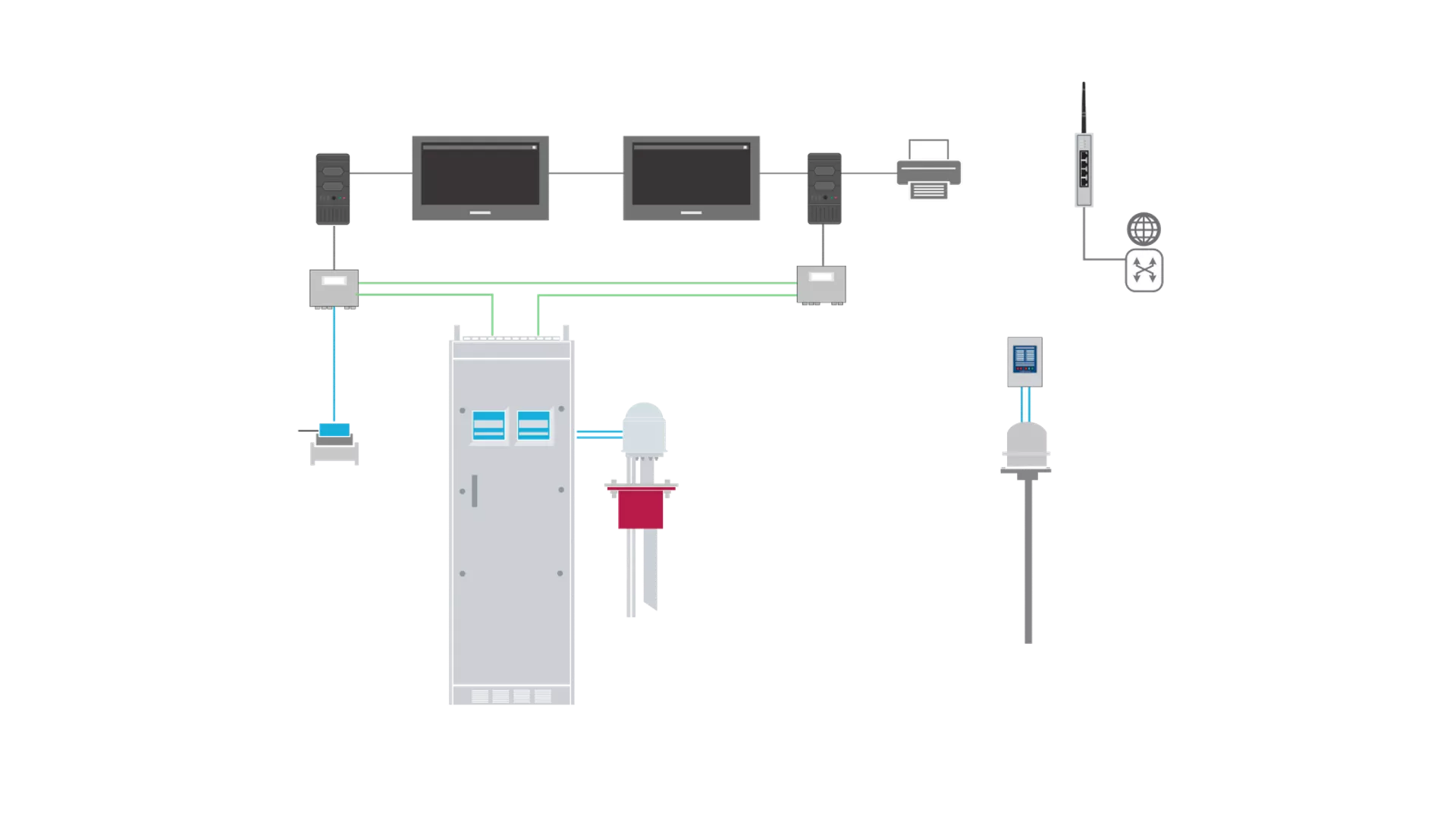
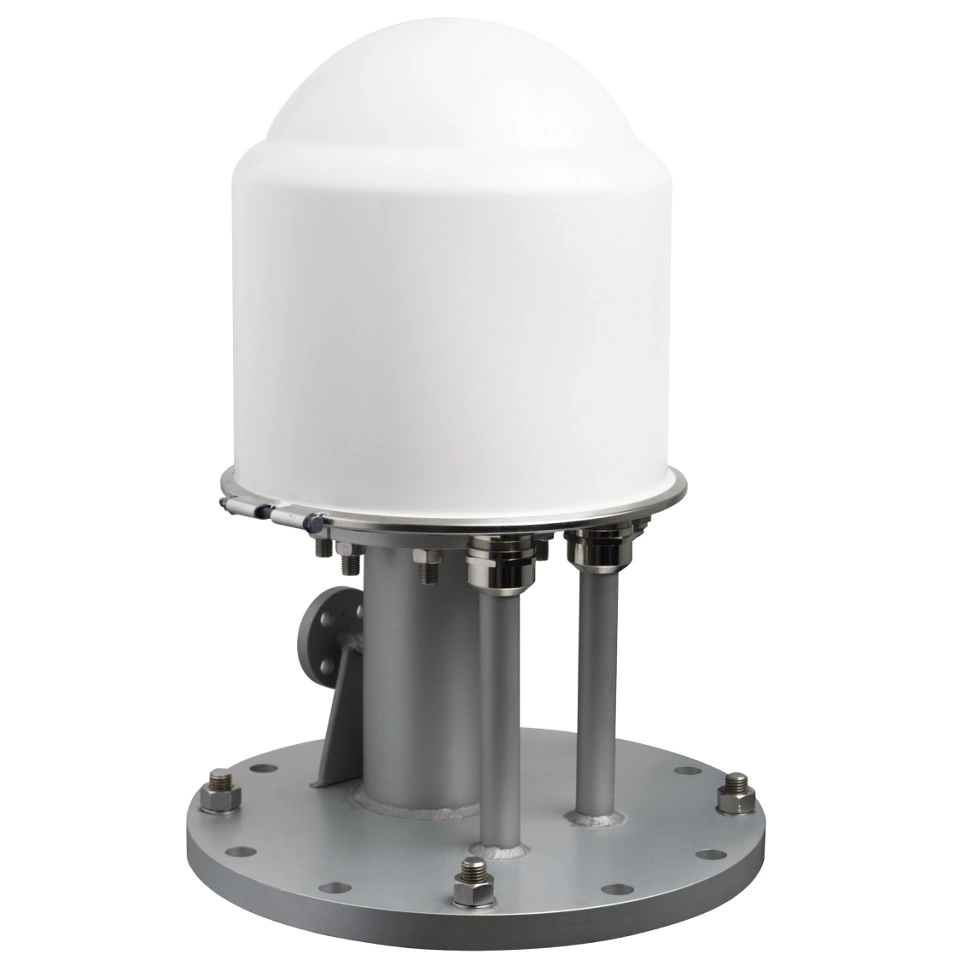
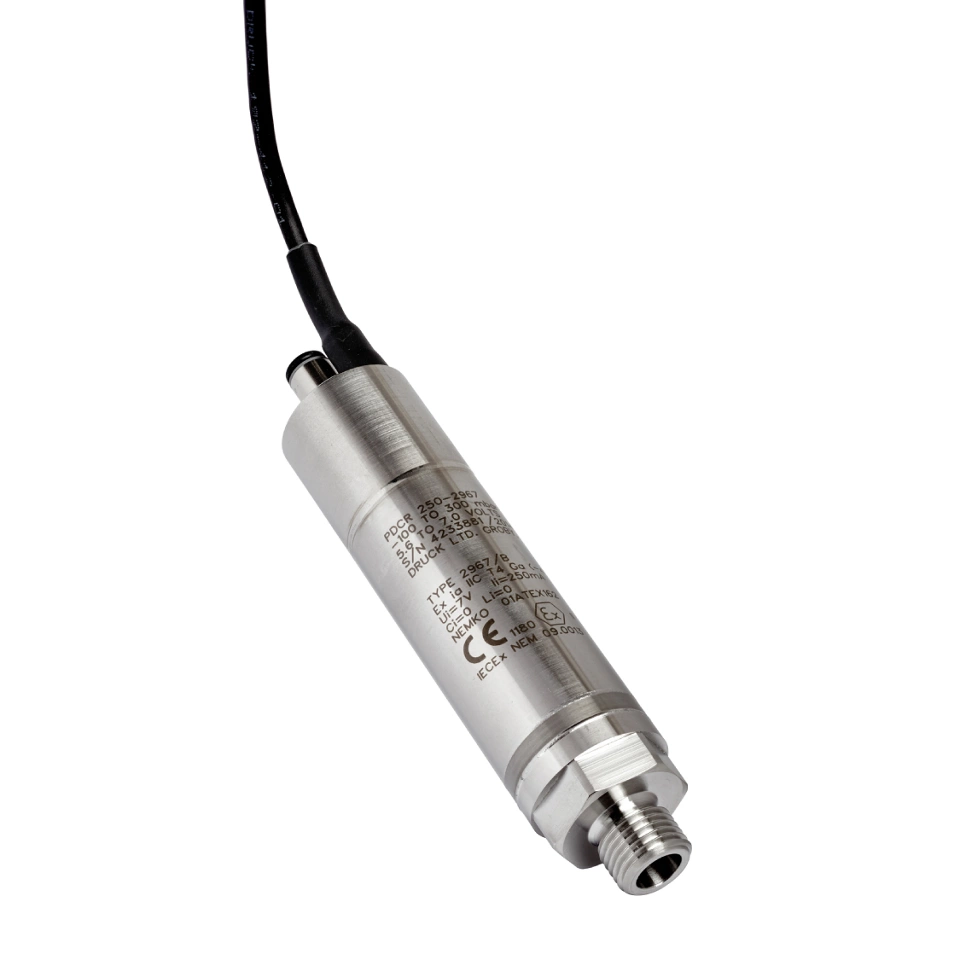
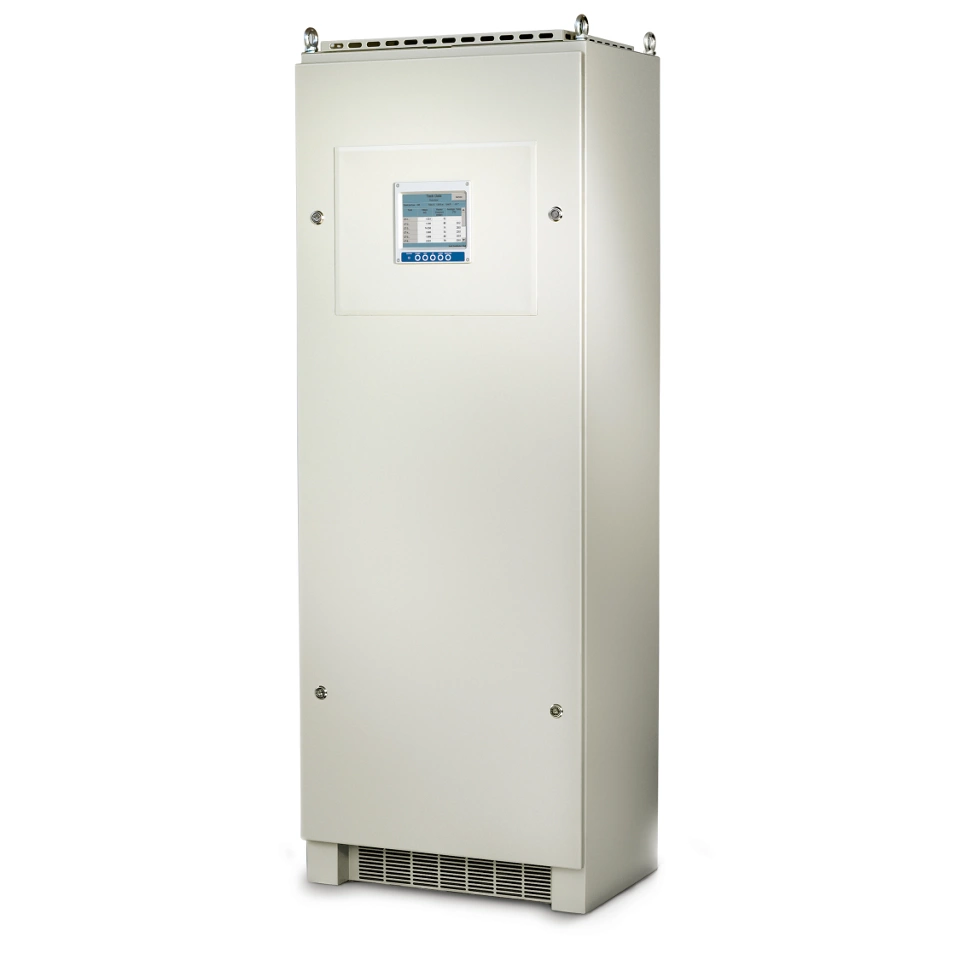
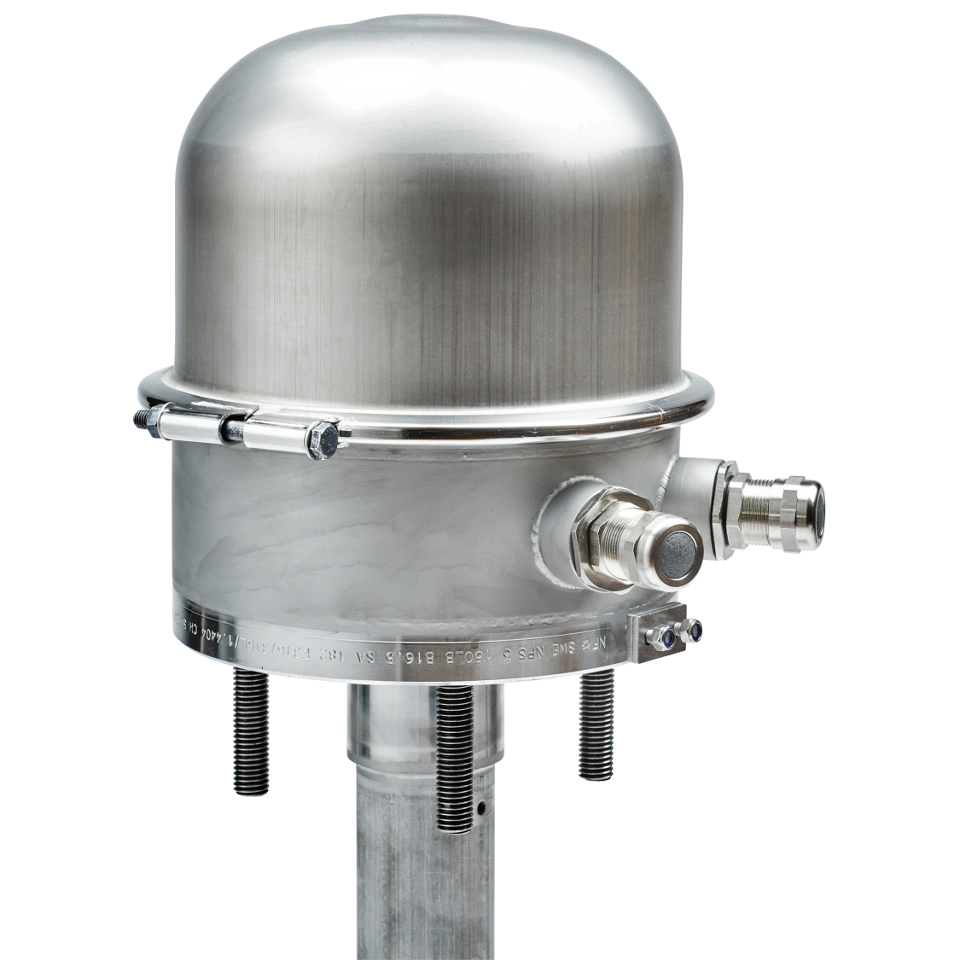
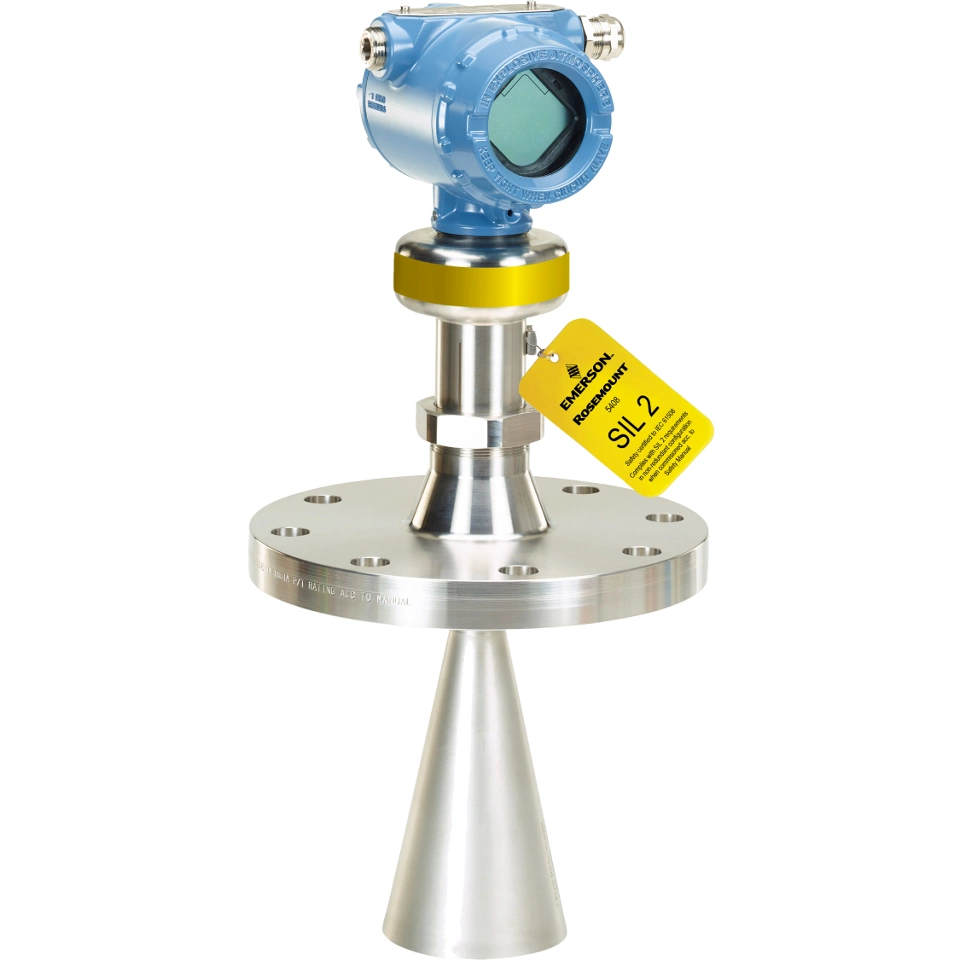
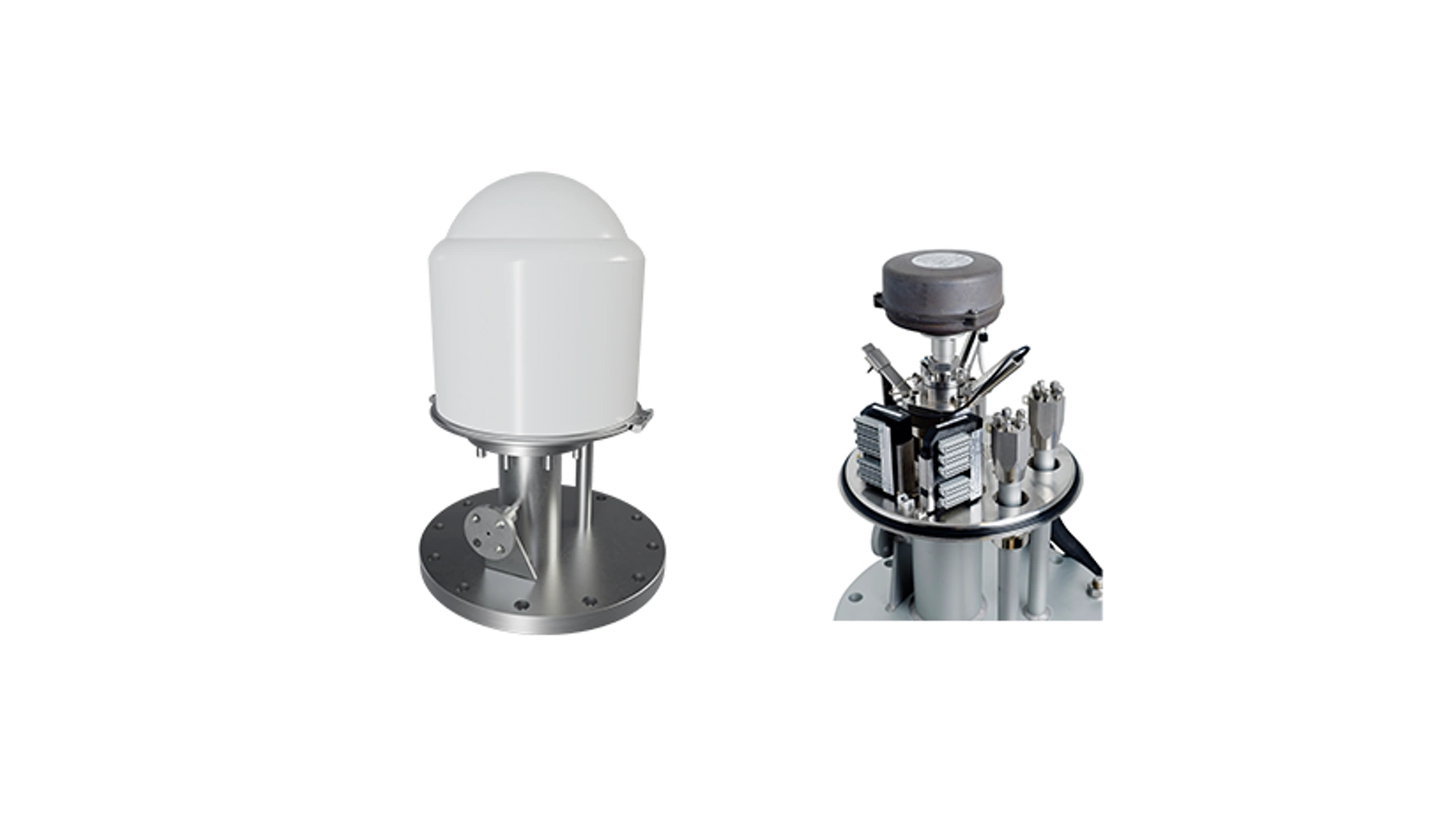
This system uses the best-in-class tank radar gauges unit, fully integrated under one housing with two independent radars, dual pressure sensors and up to 6+6 temperature spot sensors, installed in the same tank penetration. The FMCW technology and a high bandwidth digital field bus, delivers ultra-accurate, real-time measurements ensuring precision and reliability in transfer measurements.
Resources
Brochure: Custody Transfer Measurement System
Case: Shell Creates World’s First Floating LNG Production Vessel
Frequently Asked Questions
Our Custody Transfer Measurement System ensures redundant and accurate tank measurement data used in cargo reports for reliable andefficient operations. This FAQ covers questions related to the Custody Transfer Measurement System.
Emerson's Custody Transfer Measurement and Overfill Control Systems comply with industry specifications and standards. They are designed to meet rigorous measurement accuracy and operational integrity requirements, with a confidence level of 99.73% (±3σ standard). This conformance is supported by Emerson's commitment to continuous innovation, deep domain expertise, and advanced manufacturing techniques, ensuring the reliability and precision of their systems.
Frequency Modulated Continuous Wave (FMCW) technology enables precise level measurement by transmitting a radar signal with continuously increasing frequency. The reflected echo has a slightly different frequency, and this difference is proportional to the distance to the liquid surface. Operating in the frequency domain, FMCW offers more accurate signal conversion and filters out tank noise—similar to how FM radio avoids interference better than AM—ensuring reliable, noise-resistant measurements.
Independent safety systems may use radar-based sensors, float-based alarm systems, or a combination of both. While float switches are still used, they have limitations compared to radar technology, which offers higher accuracy and reliability. Emerson’s overfill control system is fully independent from the custody transfer measurement system, ensuring clear separation between safety and measurement functions. These systems comply with key industry regulations and guidelines, such as IGC Code, SIGTTO, and the US Coast Guard’s Code of Federal Regulations.
The international standard IEC 61508 defines SIL (Safety Integrity Level) using requirements grouped into two broad categories: hardware safety integrity and systematic safety integrity. A device or system must meet the requirements for both categories to achieve a given SIL.
Emerson provides comprehensive remote support for lifecycle services, including:
Remote troubleshooting of equipment and systems
Guidance during spare part replacement
Secure remote access to onboard equipment for extended diagnostics
Step-by-step support via phone, email, or video link
This approach allows thorough testing and troubleshooting without disrupting system functionality. Once the root cause is identified, Emerson delivers tailored solutions specific to the system in question.