
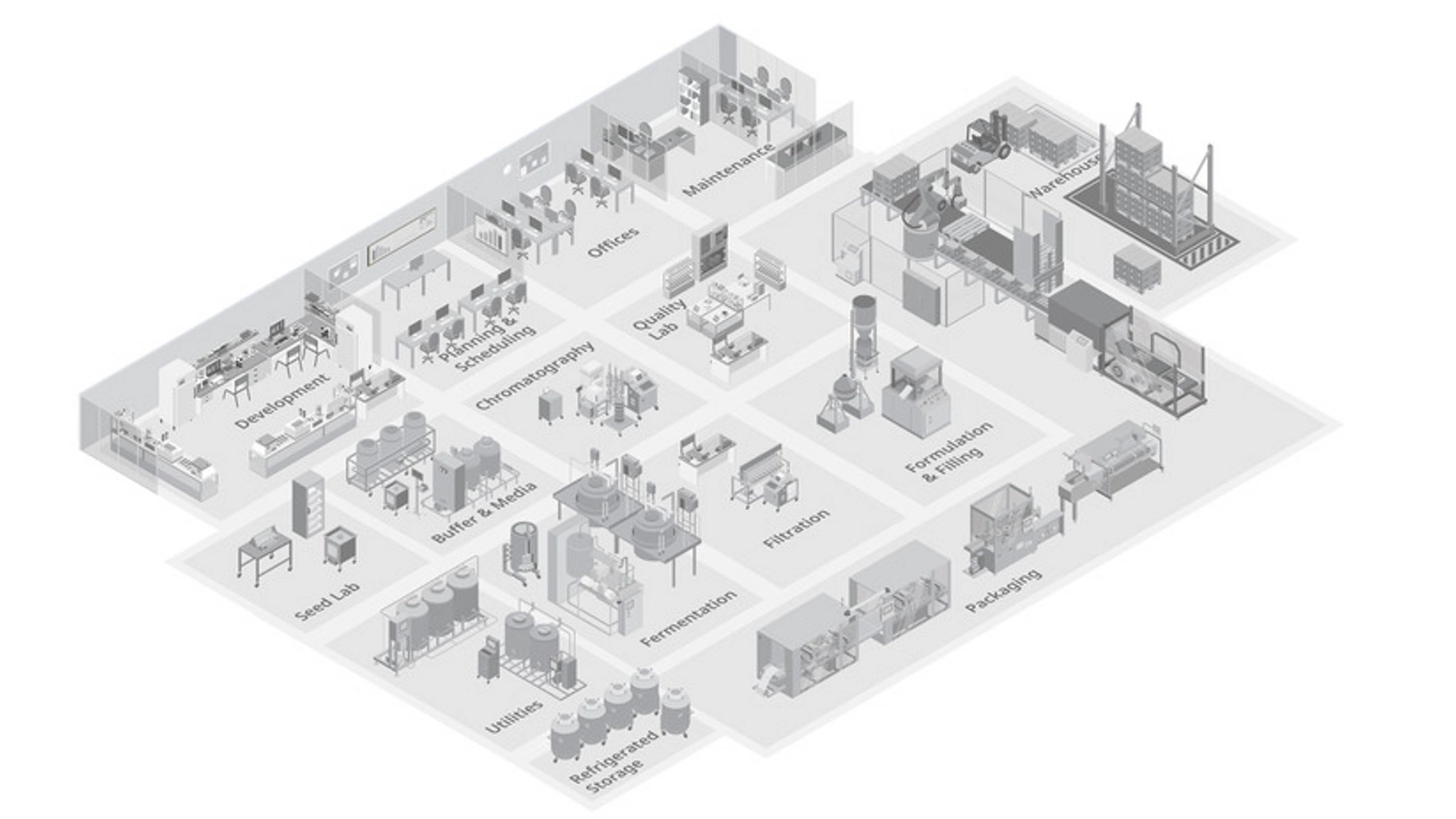
Ensuring drug safety and efficacy accross the life sciences value chain
From upstream to downstream drug manufacturing, Emerson offers innovative solutions to help you stay ahead of the evolving life sciences industry. These cutting edge technologies are designed to meet the growing demands of your operations by enhancing productivty, reducing costs, and accelerating time-to-market.
Life Sciences Segments
Pharmaceutical
Biotechnology
Product Applications
Flow
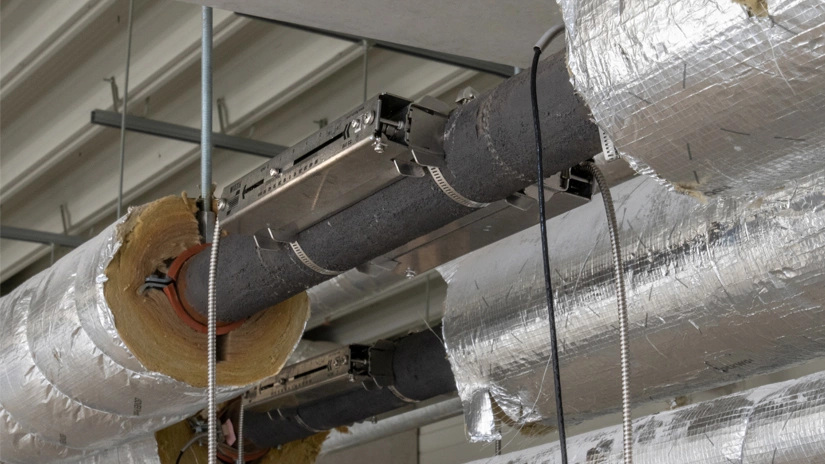
Flow Measurement of Pure Steam
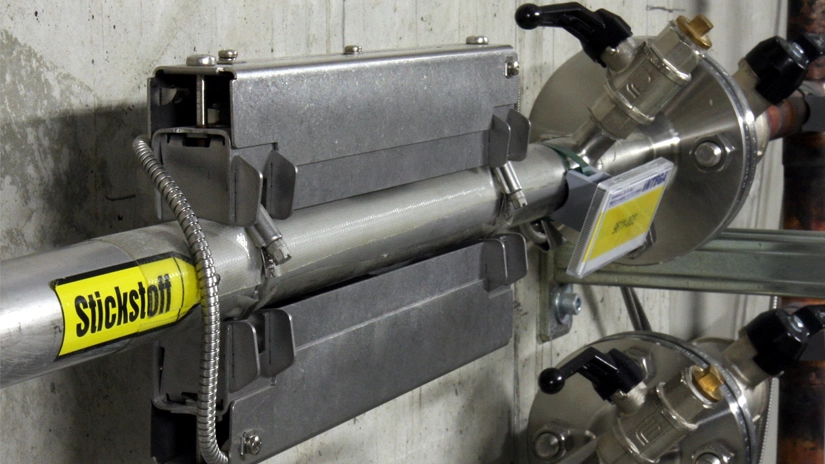
Flow Measurement of Nitrogen 5.0
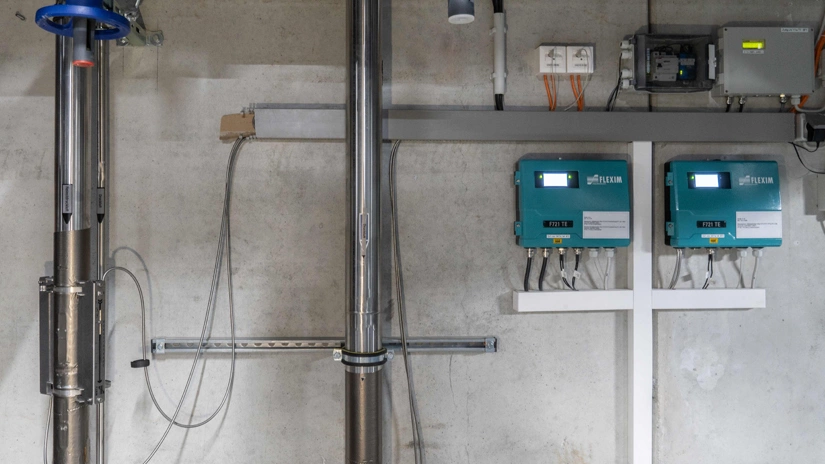
Flow Measurement of Pure Compressed Gas
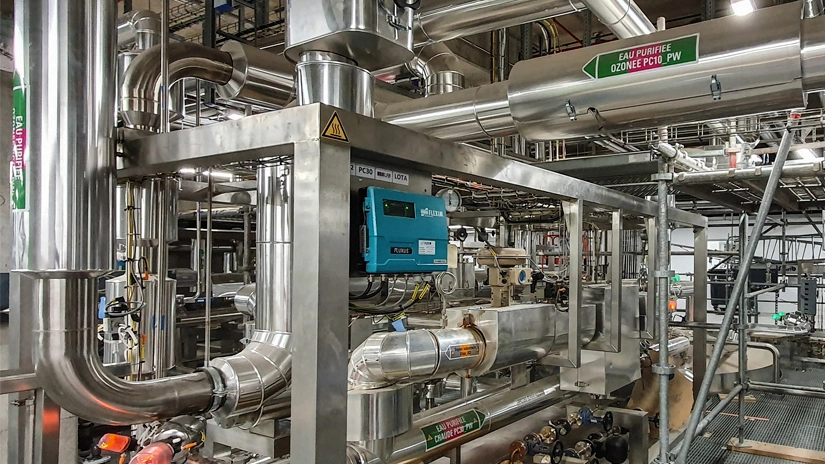
Flow Measurement of WFI
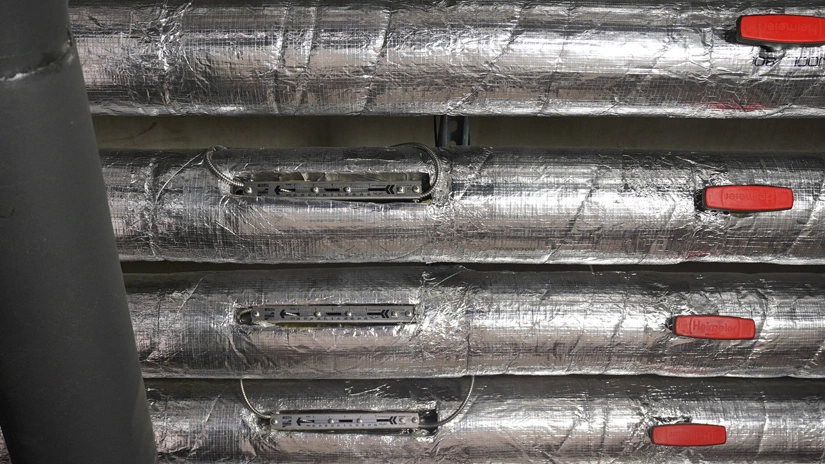
Measurement of Thermal Energy



Frequently Asked Questions
Improving reliability and uptime requires continuous measurement of critical process parameters with stable, high-accuracy instrumentation integrated into process control systems. In biopharmaceutical manufacturing, parameters such as pressure, temperature, flow, and pH must remain within defined CPP ranges to maintain batch consistency under cGMP requirements. The Rosemount™ 3051HT Pressure Transmitter provides 0.065% reference accuracy with up to 7-year stability, supporting repeatable pressure measurement across CIP and SIP cycles without frequent recalibration. The Rosemount™ 644 Temperature Transmitter enables matched sensor-transmitter configurations to reduce drift in temperature-sensitive processes such as fermentation and chromatography. In addition, Micro Motion™ H-Series Hygienic Coriolis Flow Meters with Smart Meter Verification (SMV) allow for in-situ diagnostics and scheduled calibration verification with time-stamped documentation. These measurements support control of CPPs tied to CQAs, enabling early detection of process deviations and reducing unplanned downtime in upstream bioreactors and downstream purification systems while maintaining compliance with FDA regulations. By combining high-performance instrumentation with predictive analytics and automated control, biopharmaceutical manufacturers can proactively stabilize processes, prevent deviations before they occur, and significantly improve uptime, batch consistency, and operational efficiency.
CIP and SIP effectiveness is achieved by verifying flow, pressure, temperature, and chemical concentration to ensure cleaning solutions meet required process conditions for validated sterilization and cleaning cycles. Instrumentation commonly includes Micro Motion™ G-Series Hygienic Coriolis Flow Meters for mass flow and density verification, enhanced with Smart Meter Verification (SMV) for in-situ diagnostics and continuous measurement confidence, and the Rosemount™ 403 Conductivity Sensor for confirming solution concentration and rinse completion. The Rosemount™ 403 uses wetted materials compliant with USP Class VI and 21 CFR 177 and provides a surface finish of 16 microinch (0.4 µm) Ra, supporting hygienic applications in regulated environments. By combining high-accuracy instrumentation with embedded diagnostics and real-time verification, these solutions enable automated, closed-loop control of CIP/SIP parameters to achieve sufficient turbulence, thermal exposure, and chemical composition in CIP systems used for bioreactors, process piping, and transfer lines. This supports documented validation under GMP requirements and reduces the risk of cross-contamination between batches.
Real-time production monitoring is critical because it ensures continuous verification of critical process parameters required to maintain product quality under cGMP regulations. Life sciences processes define CPPs based on CQAs, requiring continuous measurement of variables such as pressure, level, flow, and temperature throughout fermentation, filtration, and purification operations. The Rosemount™ 5408 Non-Contacting Radar Level Transmitter uses 26 GHz FMCW technology and includes a 7-day echo curve data historian for continuous level verification in media preparation and storage vessels. The Rosemount™ 644 Temperature Transmitter supports accurate measurement through transmitter-sensor matching to maintain stable process conditions. By combining high-accuracy instrumentation with embedded diagnostics, real-time monitoring systems enable closed-loop process control, continuous verification, and proactive deviation management. This reduces reliance on end-of-batch testing, supports traceable GMP compliance, and improves process robustness, batch consistency, and overall manufacturing uptime.
Condition-based monitoring for steam traps is implemented using wireless sensing and analytics to detect failure modes such as leakage, blockage, or malfunction in steam distribution systems. In life sciences facilities, this is applied to clean utilities supporting SIP processes, where steam must maintain required temperature thresholds for validated sterilization cycles. The Rosemount™ 708 Wireless Acoustic Transmitter, used with the Plantweb™ Insight Steam Trap Application, continuously detects acoustic signatures and temperature patterns associated with steam trap performance, enabling identification of abnormal discharge and detection of failures in real-time, eliminating reliance on periodic manual inspections. Monitoring is typically deployed across distribution systems and critical utilities, where steam quality directly affects process conditions and utility efficiency. By enabling continuous diagnostics and data-driven maintenance prioritization, this approach improves energy efficiency, reduces undetected failures, and ensures stable steam supply conditions required for validated GMP operation, ultimately increasing system reliability and plant uptime.