


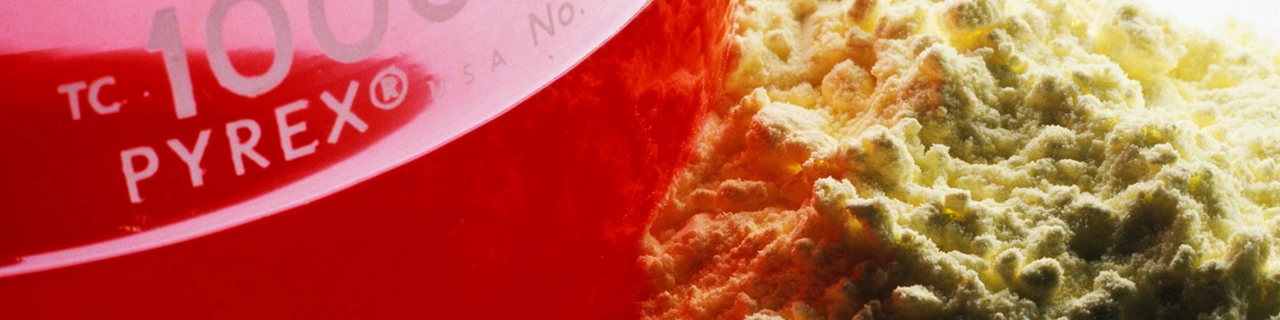

Streamline Synthesis with Integrated Technologies
Optimize control, reduce batch variability, and ensure Good Manufacturing Practice (cGMP) compliance from development through production
In pharmaceutical organic synthesis, every reaction stage matters. From temperature-sensitive reactions to solvent recovery and batch control, having a unified automation environment enhances visibility and control while reducing variability. Our flexible, integrated solutions—from control systems to reliability platforms—help you safeguard production, maintain quality, and meet evolving regulatory standards without sacrificing throughput.
Organic Synthesis Solutions in Action
Improving pharmaceutical organic synthesis starts with a strong digital foundation. Intelligent automation systems and condition monitoring tools help optimize every step of the process—from raw material handling to reaction control and purification. By connecting operators to real-time insights and automating manual tasks, these solutions drive process repeatability, lower operational risk, and accelerate time to market. The result is a more agile and efficient approach to API production that aligns with global quality standards.
Platform Technologies Supporting API Process Excellence
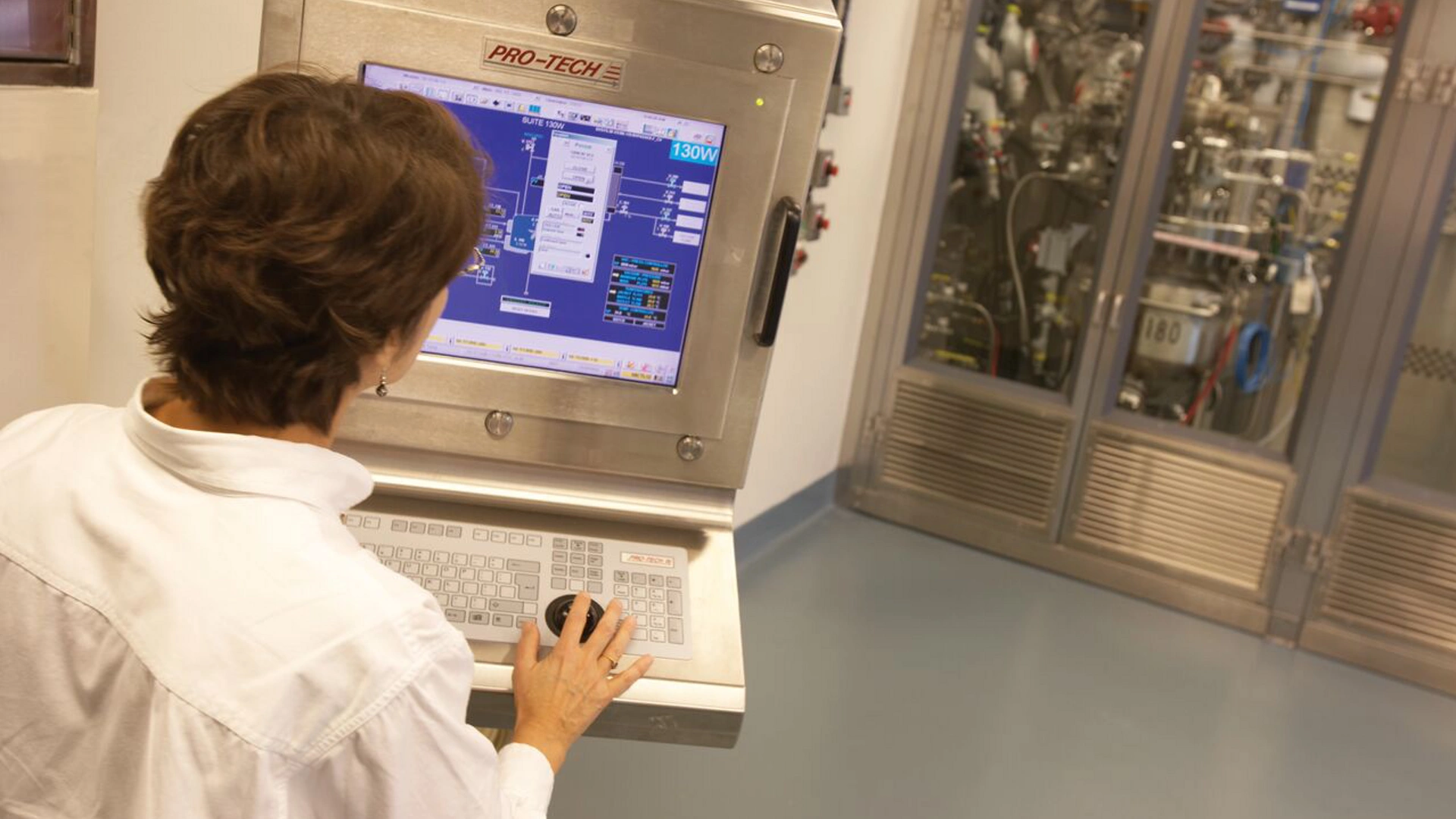
Increasing yield while reducing production costs is critical to organic synthesis operations, but when a key asset fails it could mean unsafe conditions, increased maintenance costs, and possibly the loss of an entire batch. Emerson’s process control experts and business consultants can help you create a cost-effective solution with comprehensive control and asset management systems to help improve equipment utilization, reduce unplanned downtime, increase throughput and maximize yield.
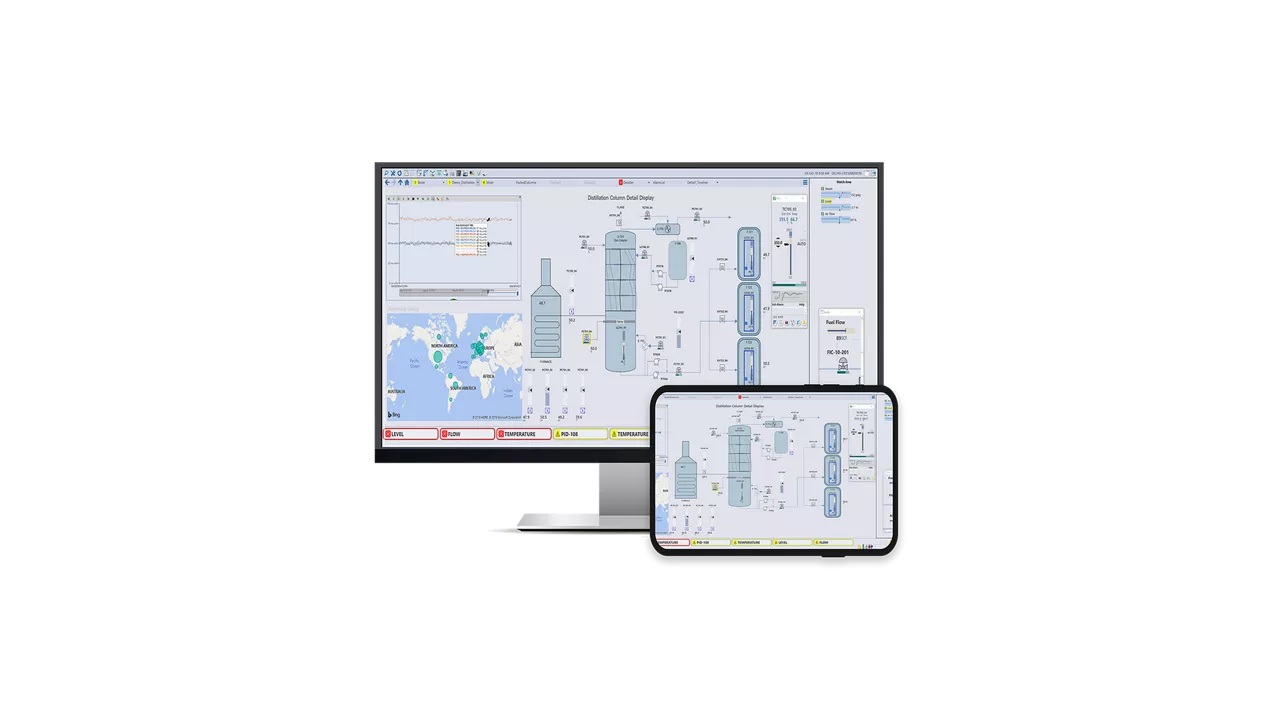
DeltaV™ Distributed Control System
This solution enables seamless management of process variables, safety interlocks, and production sequences while providing scalable batch or continuous control for API manufacturing.
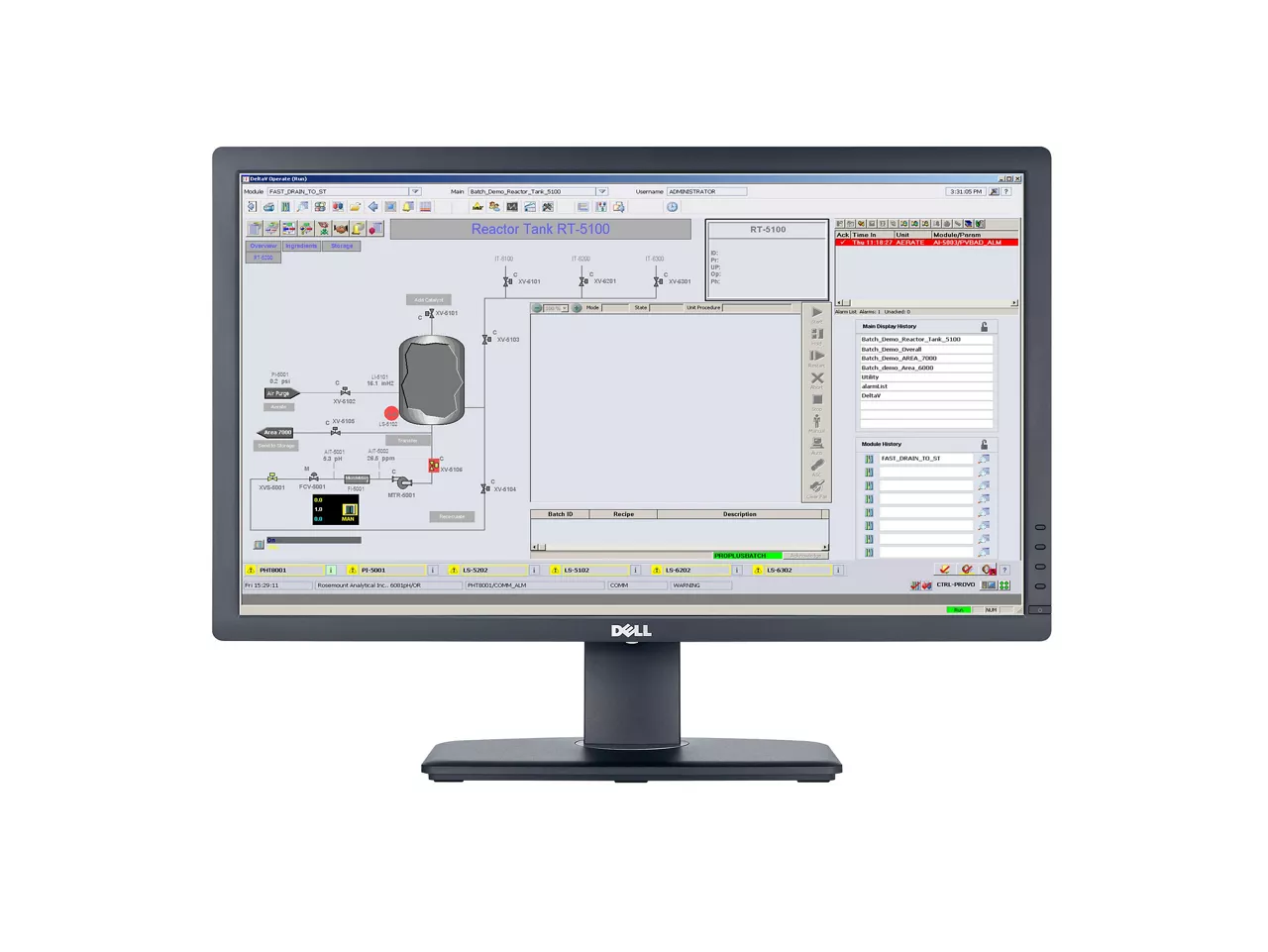
DeltaV™ Batch Executive
This technology is designed to facilitate recipe execution, dynamic batch scheduling, and real-time batch monitoring to support quality and regulatory compliance in synthesis operations.
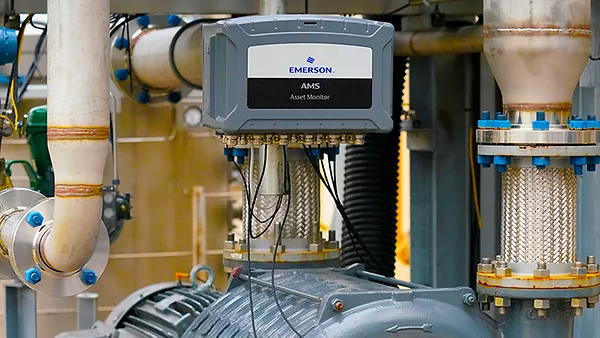
AMS Reliability
This technology provides predictive maintenance and asset health insights improve equipment reliability, reduce downtime, and ensure uninterrupted production in synthesis environments.
Solution-Related Documents for Organic Synthesis
Access a curated selection of case studies, technical papers, and solution briefs focused on organic synthesis processes. These resources highlight Emerson’s technologies that enhance reaction control, improve yield consistency, and support compliance with industry regulations—enabling optimized performance from lab scale to commercial production.

Business Groups in Organic Synthesis
Our broad portfolio of business groups brings together proven technologies that support the complete lifecycle of pharmaceutical organic synthesis—from automation and motion control to flow regulation and precise instrumentation. Discover how each group contributes to enabling consistent, safe, and traceable synthesis processes at scale.
Automation Systems
Frequently Asked Questions (FAQs)
Explore frequently asked questions about organic synthesis in pharmaceutical manufacturing. Learn how automation, process control, and advanced technologies support consistent, scalable, and compliant synthesis of active pharmaceutical ingredients (APIs).
Organic synthesis is the process of constructing complex chemical compounds from simpler ones. In the pharmaceutical industry, it's used to produce active pharmaceutical ingredients (APIs) through precise, controlled chemical reactions.
Process control ensures that each step of the chemical synthesis is executed under tightly controlled conditions, improving product quality, yield, and batch consistency while reducing variability and risk.
Automation enhances repeatability, reduces human error, improves data collection, and supports compliance with GMP regulations. It also enables real-time monitoring and control for optimized reaction conditions.
Scaling up can introduce variability in mixing, heat transfer, and reaction time. Advanced process control, modeling, and simulation tools help mitigate these risks and ensure successful scale-up from lab to production.
Continuous flow synthesis enables constant reactant input and product output, offering improved reaction control, heat management, and safety. It complements traditional batch synthesis for certain pharmaceutical applications.
PAT tools enable real-time monitoring of critical parameters such as concentration, temperature, and pH, supporting better control of reaction kinetics and quality attributes.