


Enhance Reactor Performance with Integrated Control
Integrated solutions for precise and reliable reactor operations
Modern batch reactor systems require seamless integration of control, measurement, and safety components. By leveraging advanced technologies, manufacturers can achieve precise control over reaction parameters, ensure safety compliance, and optimize production efficiency.
Driving Efficiency in Batch Reactions
Implementing real-time control and monitoring systems in batch reactors allows for immediate adjustments to process variables, ensuring optimal reaction conditions. This leads to improved product quality, reduced waste, and enhanced operational safety.
Accurate Material Handling
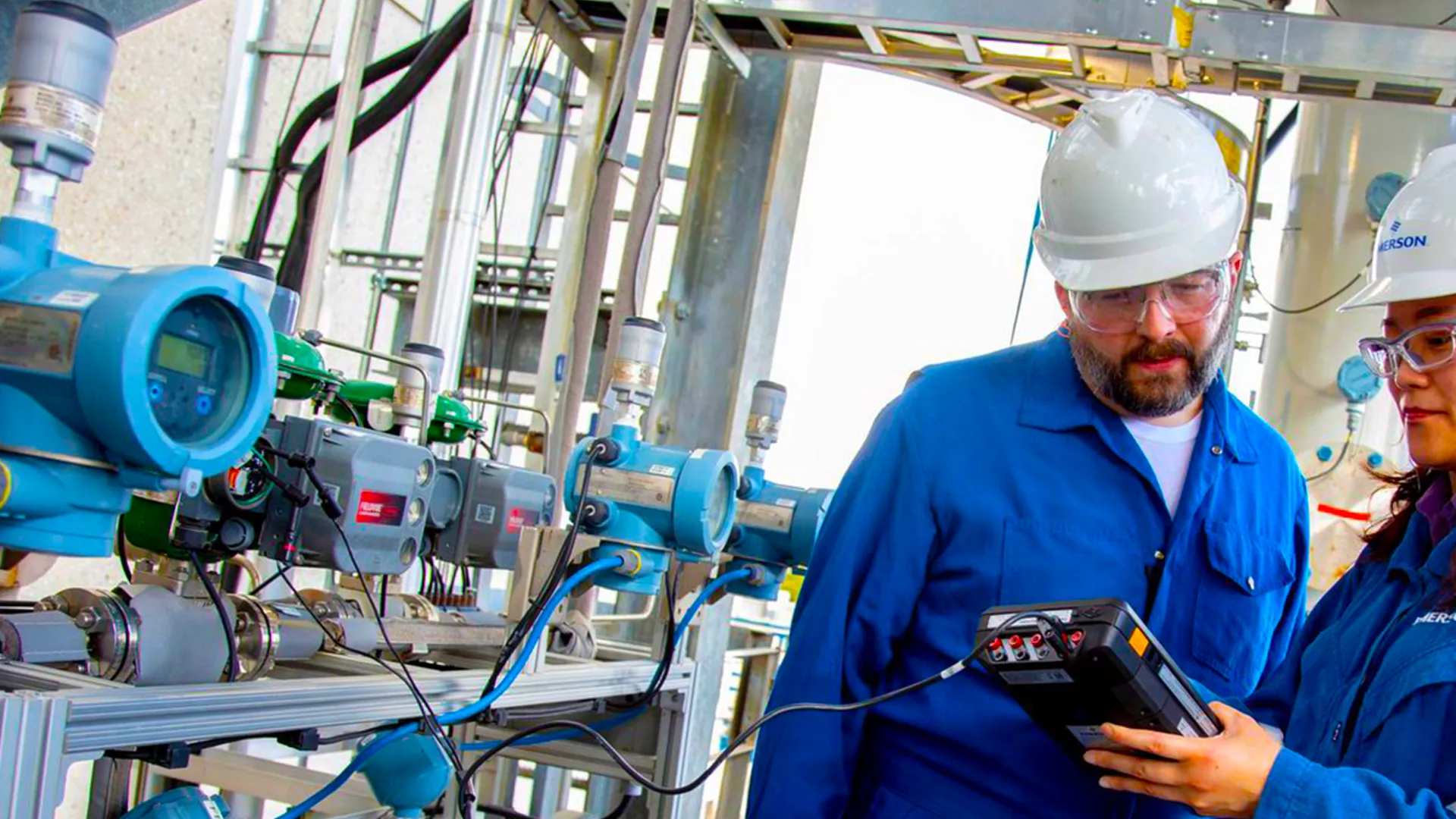
A cost-effective solution implementing your wireless infrastructure and applications.
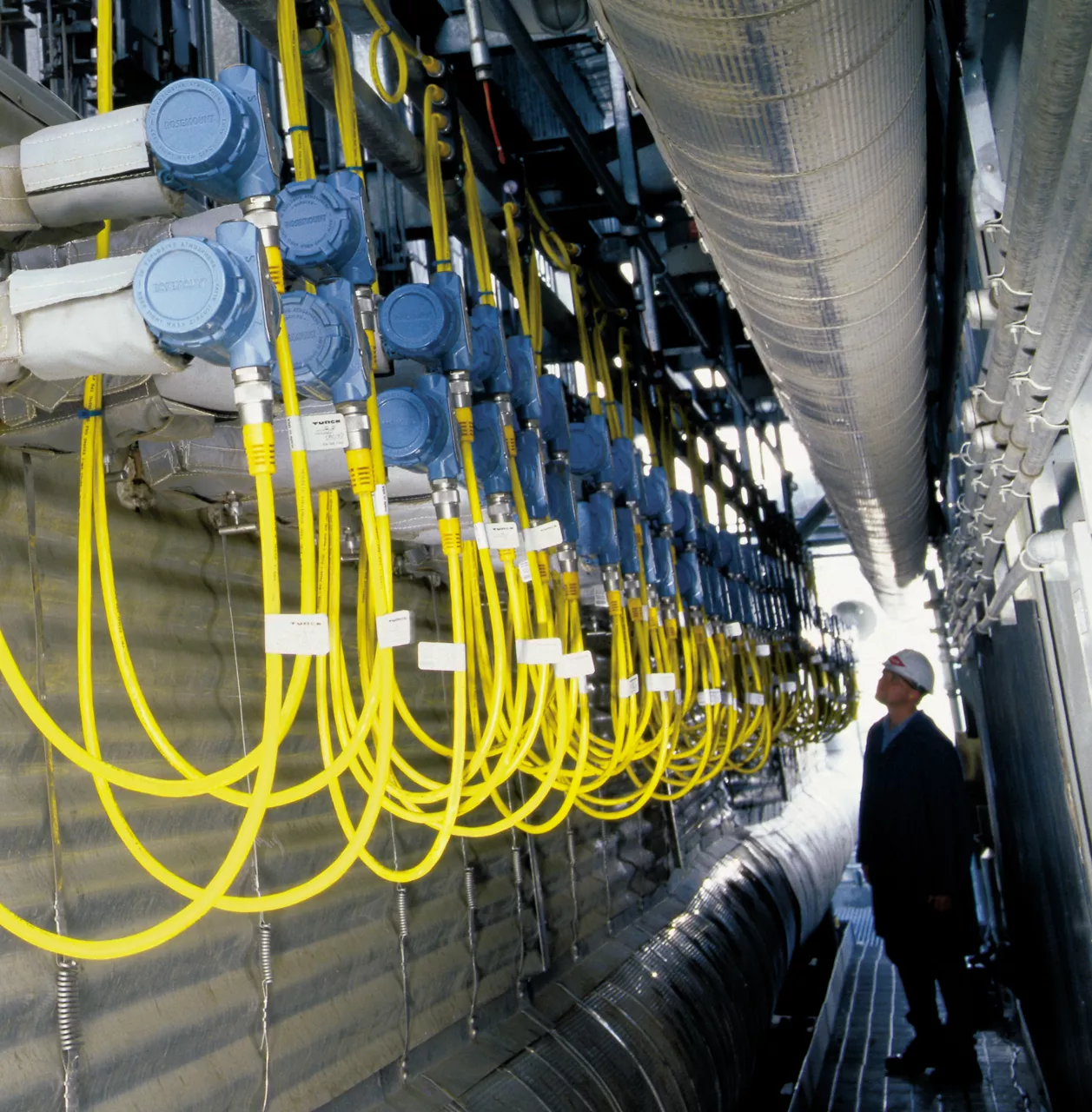
Field Device Management
Streamline device configuration and maintenance to ensure accurate material additions.
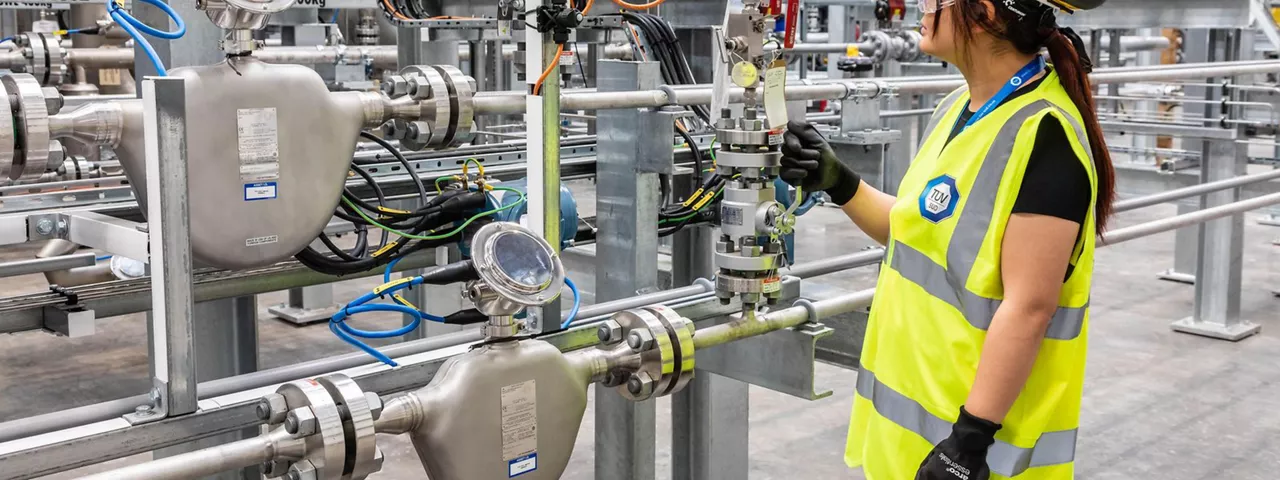
Micro Motion™ Coriolis Flow and Density Meters
Deliver precise mass flow and density measurements for accurate feed control.
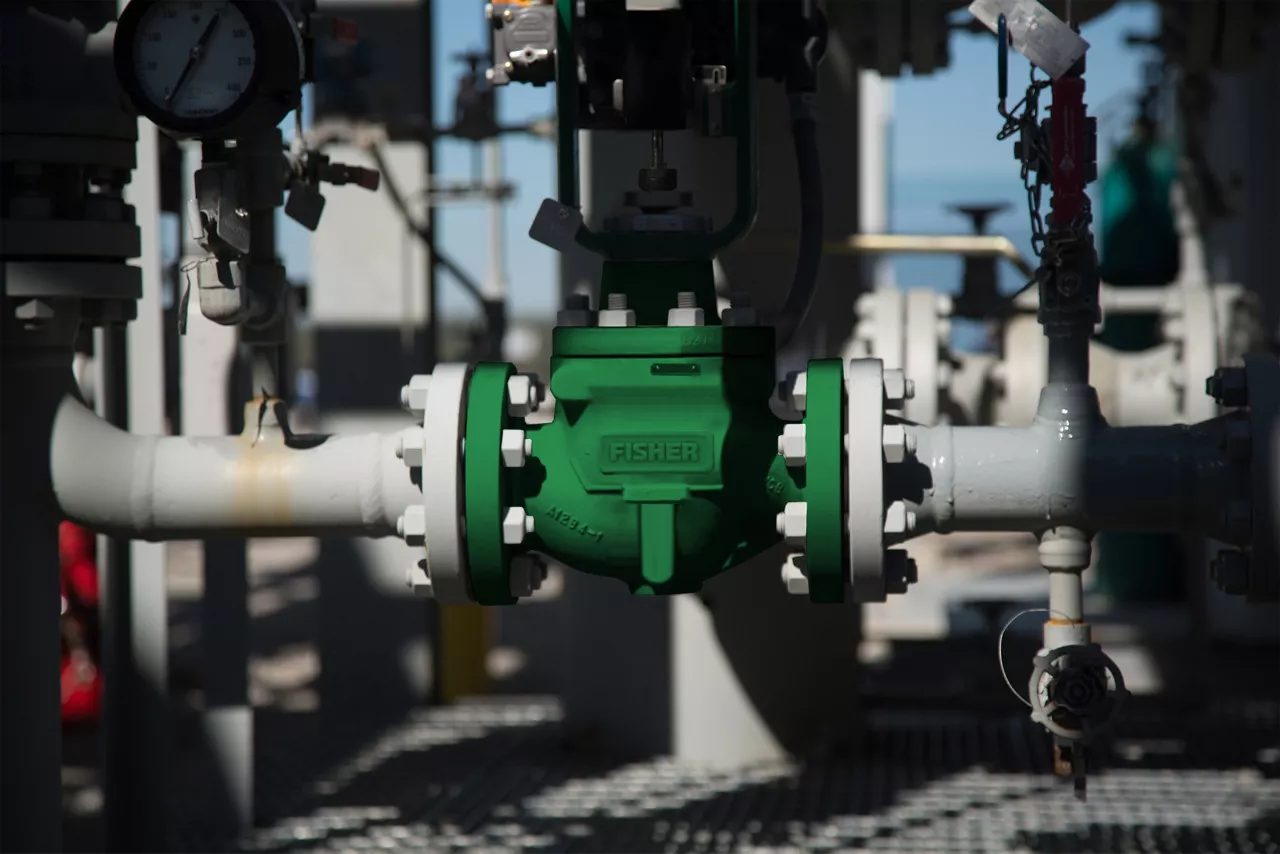
Fisher™ Control Valves
Provide reliable flow control to maintain desired feed rates.
Optimized Temperature Control
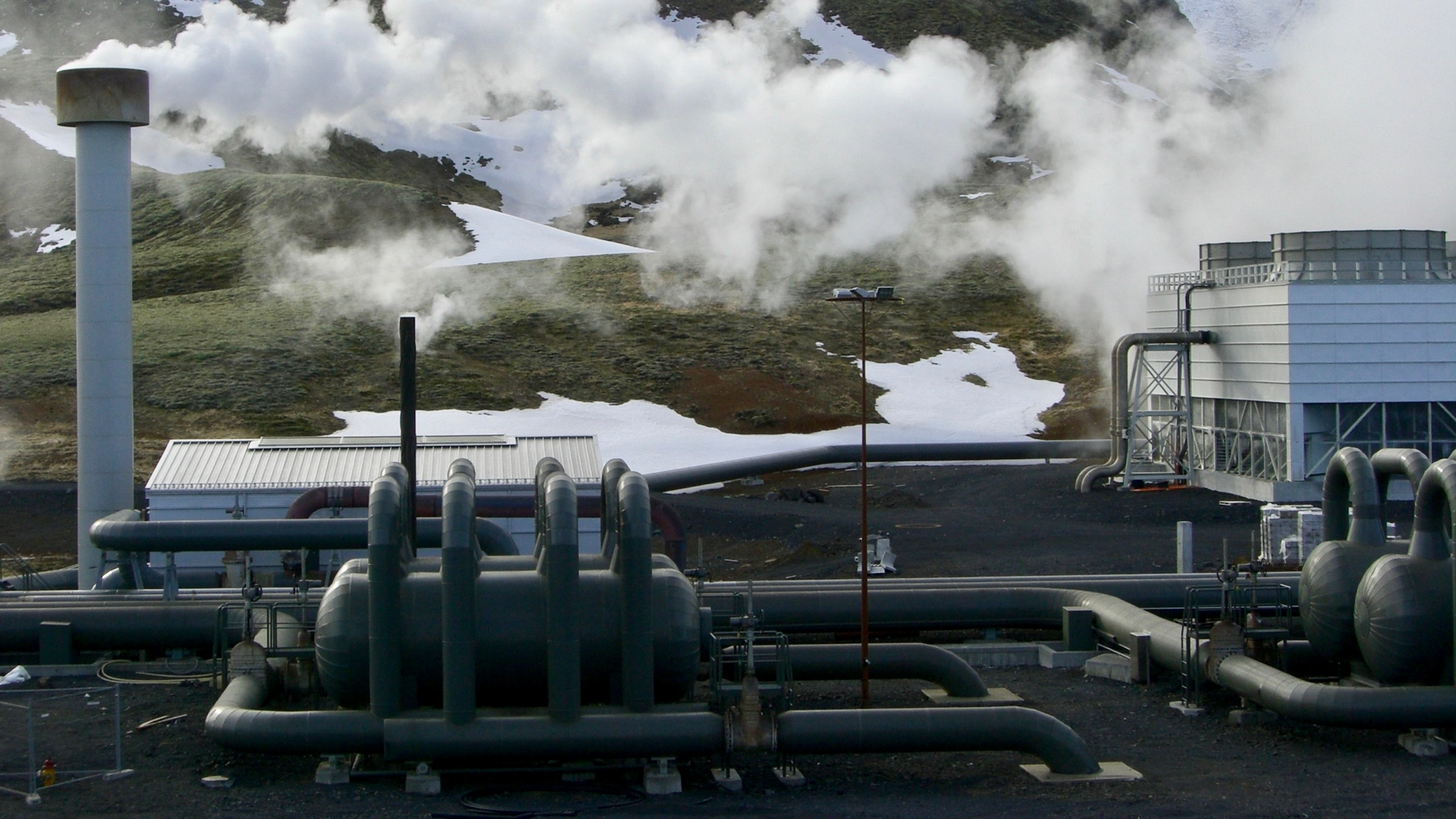
Temperature control is critical for repeatable on-spec production in both batch and continuous reactors. Emerson has a wide variety of temperature measurement solutions covering all manner of reactions. Accurate control is also a safety concern given the energy exchange in chemical reactions. For exothermic reactions, temperature spikes can lead to thermal runaway. For endothermic reactions, insufficient heat addition can cause the reaction to stall. Precise automated control ensures safe, productive, and efficient operations, whether it is switching from heating to cooling on a batch reactor, measuring heat input/takeaway, or controlling valves to run closer to temperature constraints.
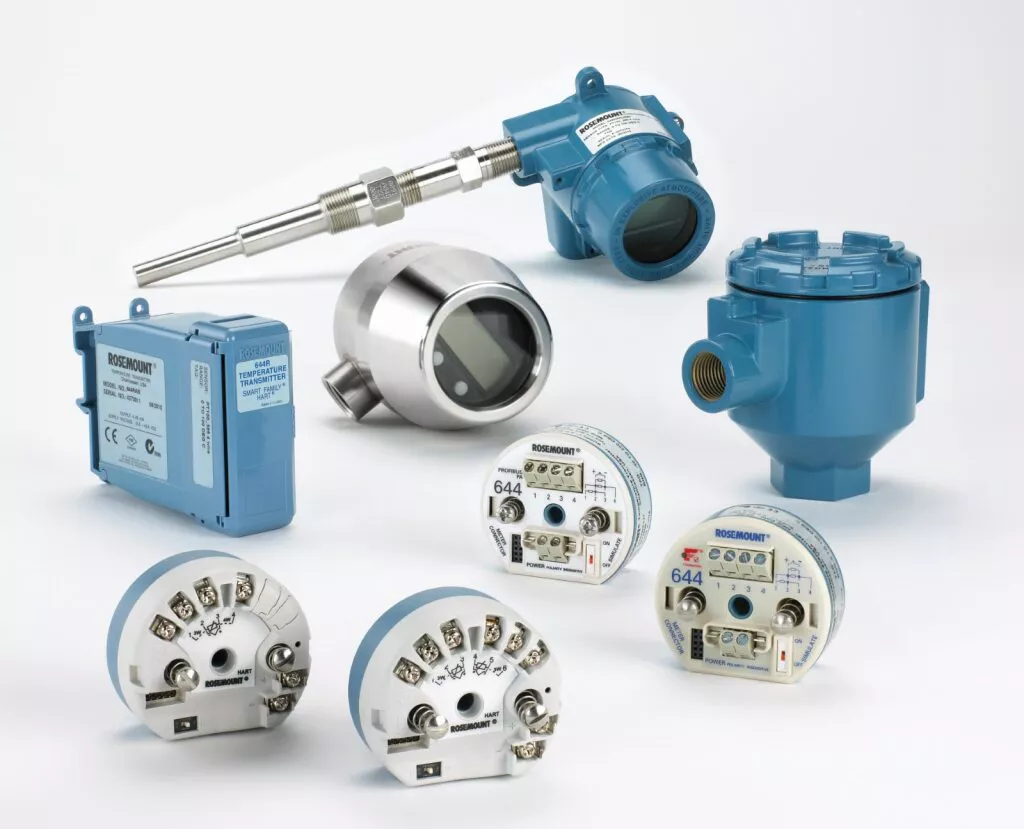
Rosemount™ Temperature Sensors and Transmitters
Provide accurate temperature measurements for effective thermal control.
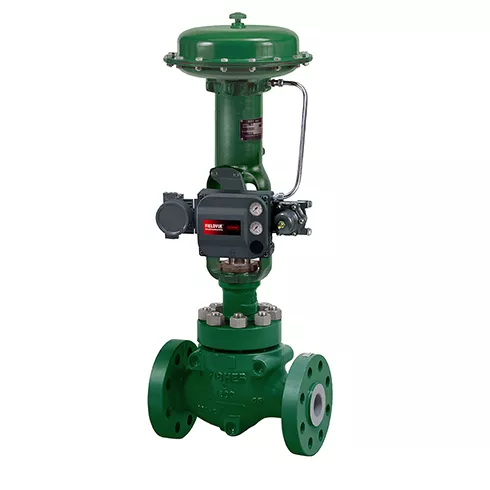
Fisher™ Control Valves
Regulate heating and cooling media flow to maintain desired temperatures.
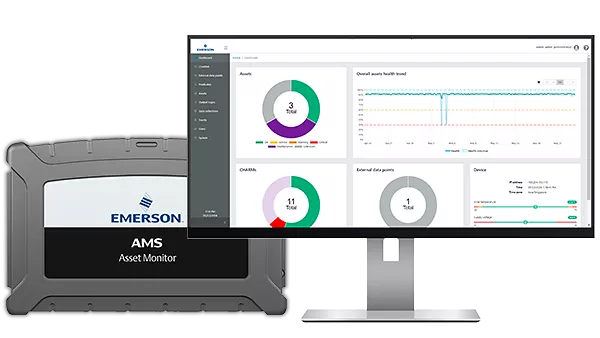
AMS Optics Software Platform
Monitor thermal system performance to detect and address issues promptly.
Comprehensive Reactor Management

In a batch when reaction rates are unstable, operators typically run at less-than-optimal conditions to maintain safety and product quality. This limits them from operating at the optimal upper limit for high production levels. Emerson’s measurement, data analysis, advanced control, and final control technologies enable you to accurately measure key reactor process variables, predict the best setpoint trajectory, and manipulate the process to maximize conversion efficiency and improve profitability by operating closer to constraints.
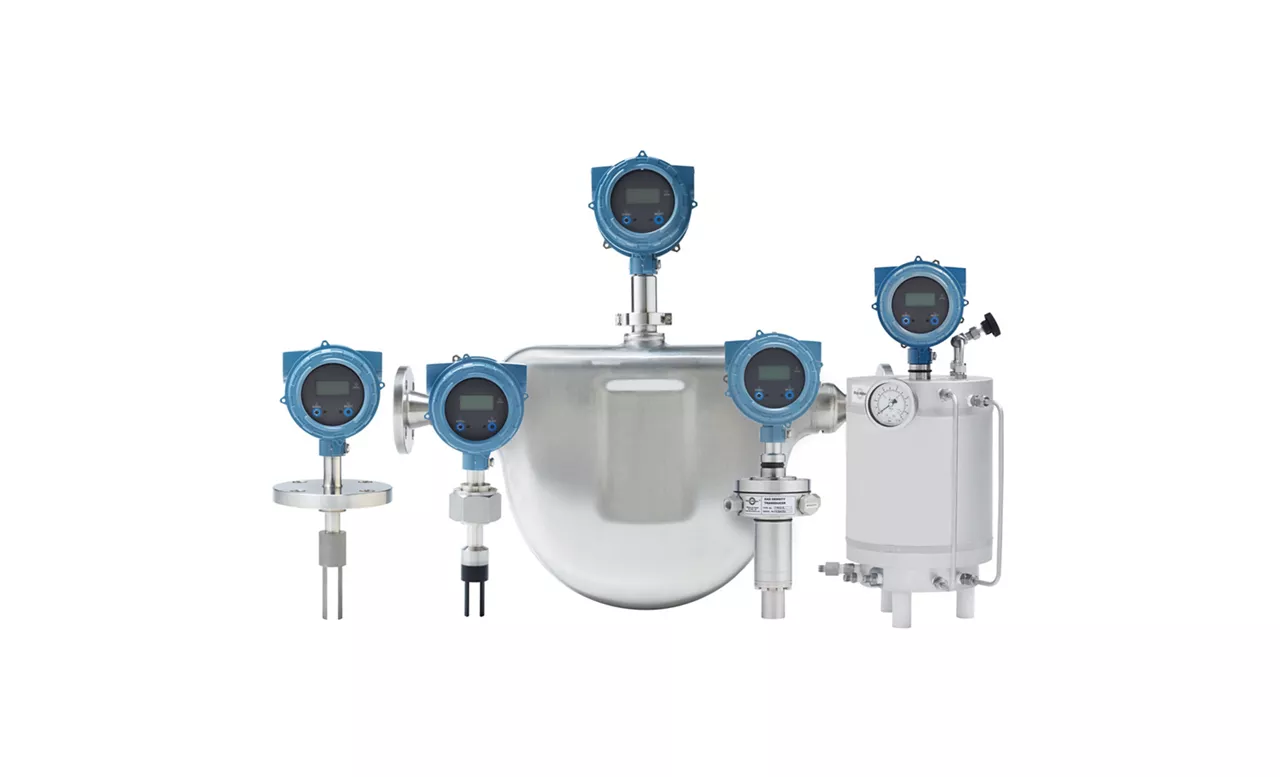
Micro Motion™ Density and Viscosity Meters
Monitor reaction mixture properties to ensure process consistency.
Fisher™ Control Valves
Enable precise control of reactant flows and pressure within the reactor.

Field Device Management
Facilitate efficient management of reactor instrumentation and control devices.
Protecting People and Assets

Process upsets and excess feedstock variability can lead to environmental and safety hazards that put property and personnel at risk. Considerations include minimizing overfill, manual sampling and corrosion risks. Automated procedural control ensures proper operations during startups, shutdowns, product changes, and other abnormal conditions. The correct process measurements, with conditional interlocking strategies, help operators with early detection of abnormal situations.
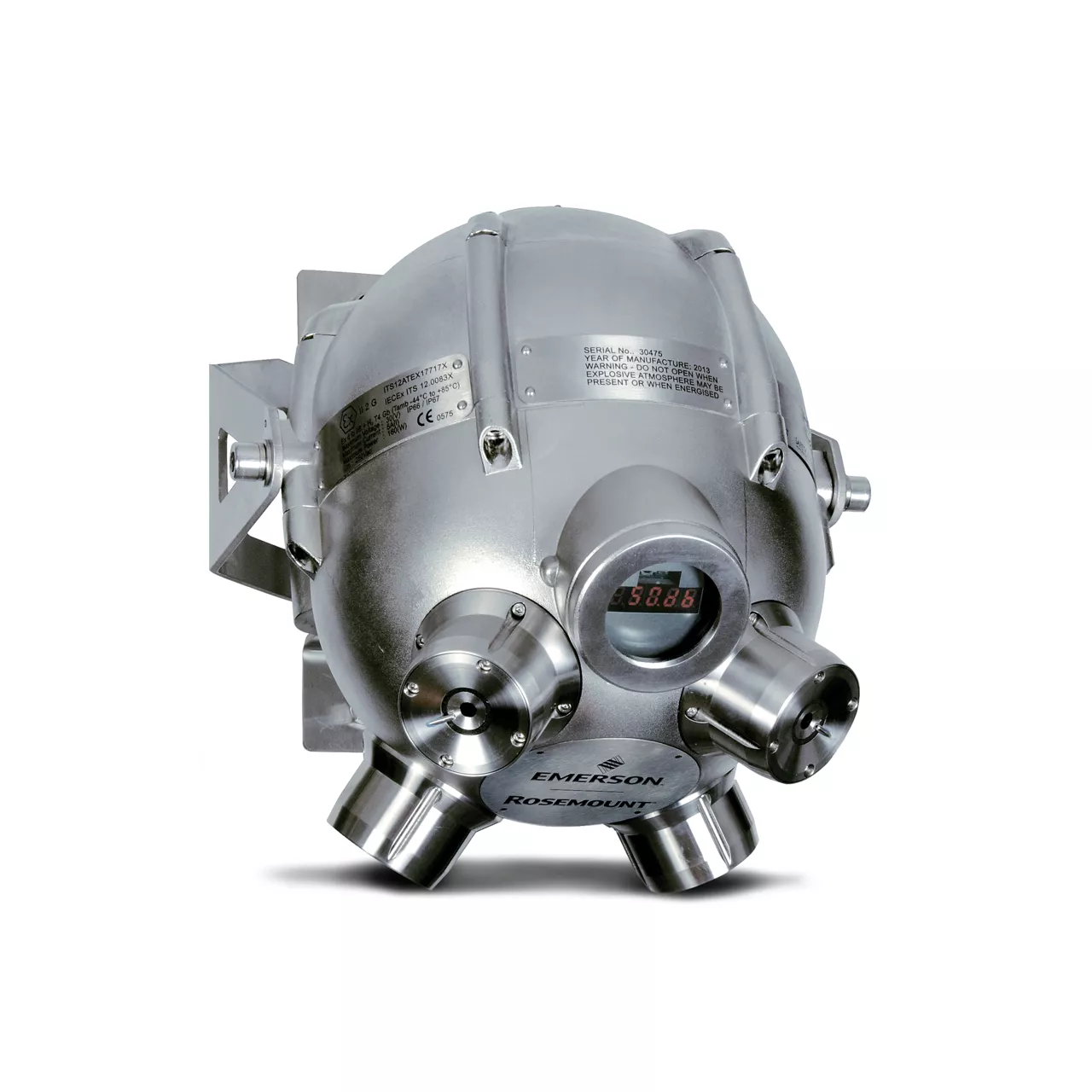
Rosemount™ Incus Ultrasonic Gas Leak Detector
Detect gas leaks promptly to prevent hazardous situations.
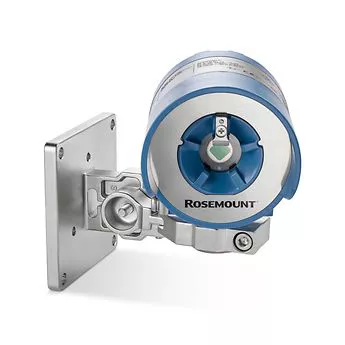
Rosemount™ Flame Detectors
Identify flames quickly to initiate safety protocols.
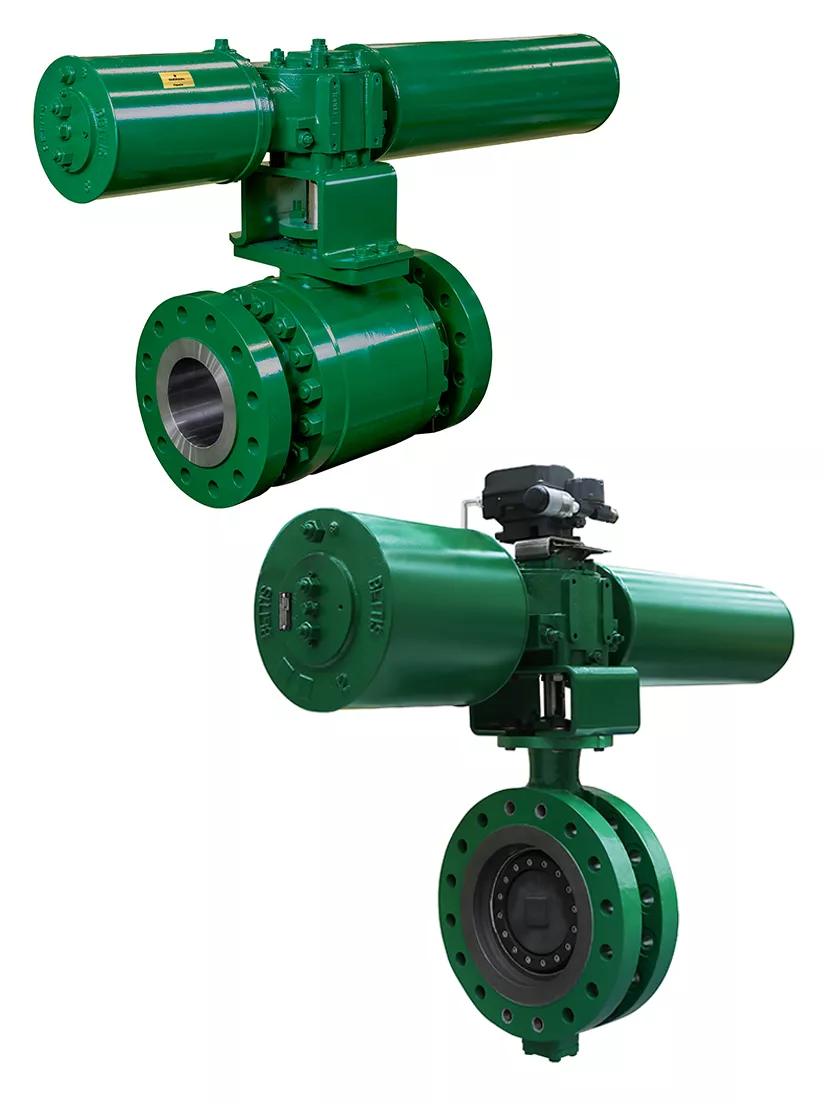
Fisher™ Digital Isolation Solutions
Provide reliable isolation of process streams during emergencies.
Business Groups in Batch Reactor


Solution-Related Documents for Batch Reactor
Explore a comprehensive library of resources designed to support batch reactor performance and reliability. These documents provide strategic guidance and practical insights to help drive continuous improvement, operational consistency, and long-term value. Leverage Emerson’s proven expertise to optimize reactor-based processes, enhance productivity, and support smarter, data-informed decision-making.
Frequently Asked Questions (FAQs)
Explore frequently asked questions about batch reactor design, operation, and control. Learn how Emerson technologies help improve batch consistency, enable recipe flexibility, and support regulatory compliance across a wide range of industries.
Controlling batch reactors in chemical processes presents challenges due to variable reaction rates, heat transfer variations, mixing and mass transfer complexities, safety concerns, measurement limitations, and the need for process flexibility. Achieving consistent product quality and reaction completion time can be difficult due to the dynamic nature of batch reactions. Batch reactors often require frequent process changes and adjustments for different products or recipes. Optimizing the process parameters and cycle times to maximize production efficiency and yield can be complex. Managing heat transfer, ensuring proper mixing and mass transfer, and maintaining safe operating conditions are crucial. Addressing these challenges typically involves the use of advanced control strategies, such as model-based control, adaptive control, and optimization techniques. Continuous monitoring, automation, and the integration of sensors and actuators can also help improve control and overall performance in batch reactors.
Things to consider when ensuring the safety of a reactor include: pressure management, temperature control, handling of corrosive, explosive, and flammable products, vessel containment, and ventilation. All of this requires the proper monitoring and control that is typically done in a safety system.
In chemical engineering, various reactor types are employed depending on the reaction specifics and operational requirements. These include batch reactors operating as a closed system where the reaction happens over time with no inflow or outflow of substances. Continuous stirred-tank reactors (CSTR) and plug flow reactors (PFR) are open systems where reactants and products flow continuously, with the former involving immediate mixing of inputs and the latter having a “plug” flow mechanism. Semi-batch reactors combine features of both batch and continuous systems, allowing either continuous inflow of reactants or outflow of products. Packed bed reactors (PBR) and fluidized bed reactors involve solid catalyst particles to enhance reaction rates, with PBRs having reactants flow over packed catalysts and fluidized bed reactors suspending catalysts in a fluid. Membrane reactors allow simultaneous reaction and separation of products, while photochemical reactors enable reactions using light energy.