

From Wellhead to Market, Every Barrel Optimized
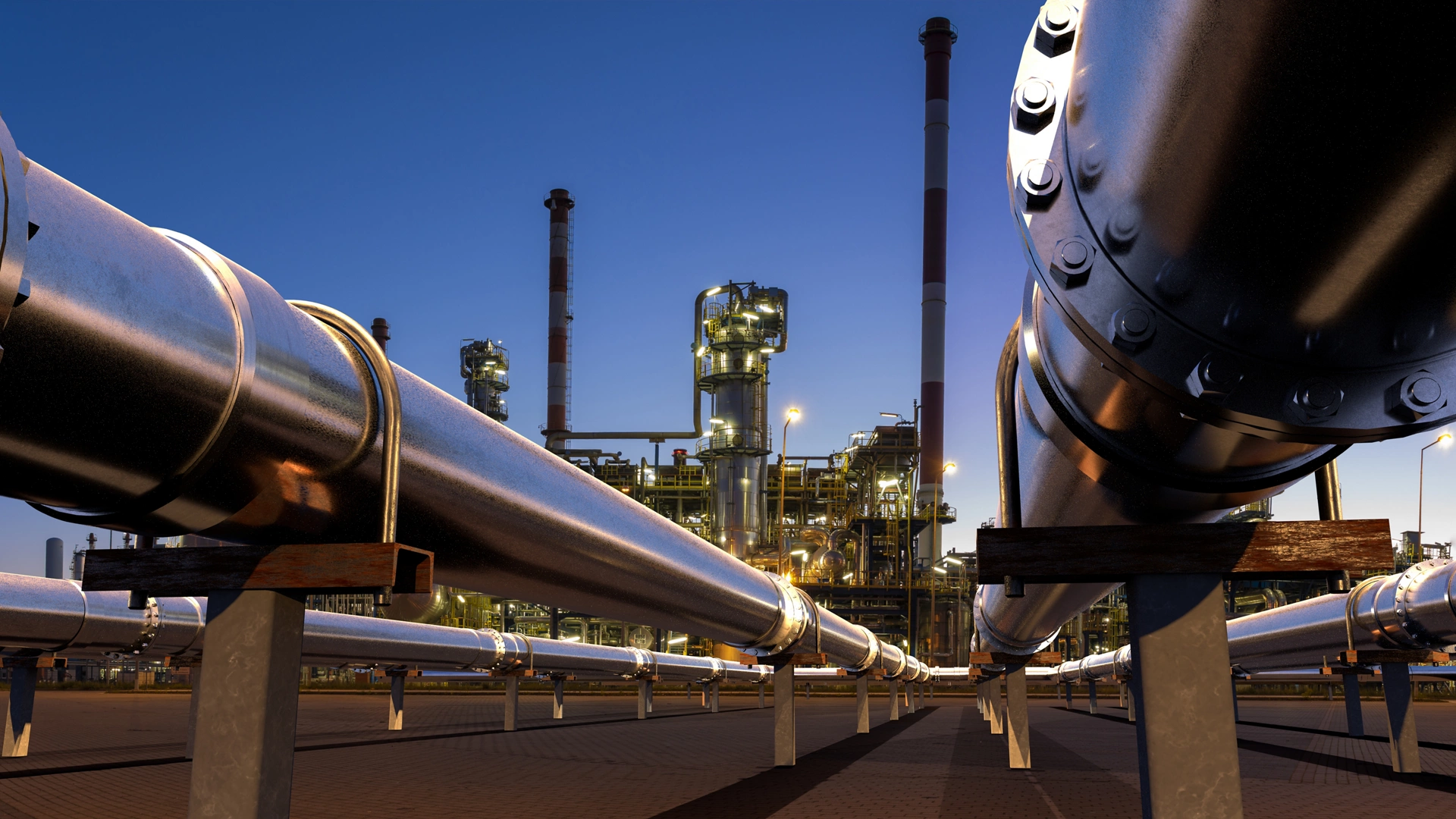
From gathering lines at the wellhead to cryogenic LNG export terminals on the coast, midstream infrastructure is the indispensable link in global energy supply — and the pressure to operate it better has never been greater. Aging assets, tightening emissions mandates, workforce transitions, and the relentless demand for throughput are forcing a fundamental shift from manual oversight to intelligent, automated operations. Emerson partners with midstream operators to deploy the automation, measurement, and control technologies that turn complexity into competitive performance.
Pipelines
Thousands of Miles of Pipeline. One Unified View.
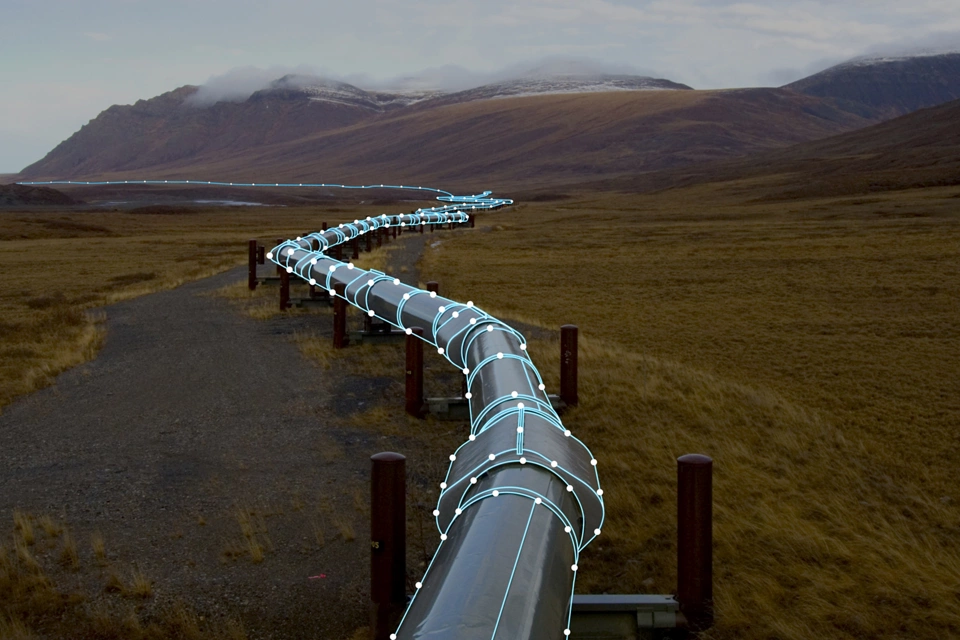
High-pressure networks, multi-phase fluids, remote compressor stations, and rigid commercial contracts leave no room for fragmented data or reactive management. Emerson's automation solutions unify your entire pipeline network into a single, intelligent system built for maximum throughput, compliance, and safety.
Solutions for Pipelines
Emerson equips pipeline operators with the automation, monitoring, and safety systems to maximize throughput and manage full network complexity with confidence.
Maximizing Throughput with Advanced Flow and Pressure Control
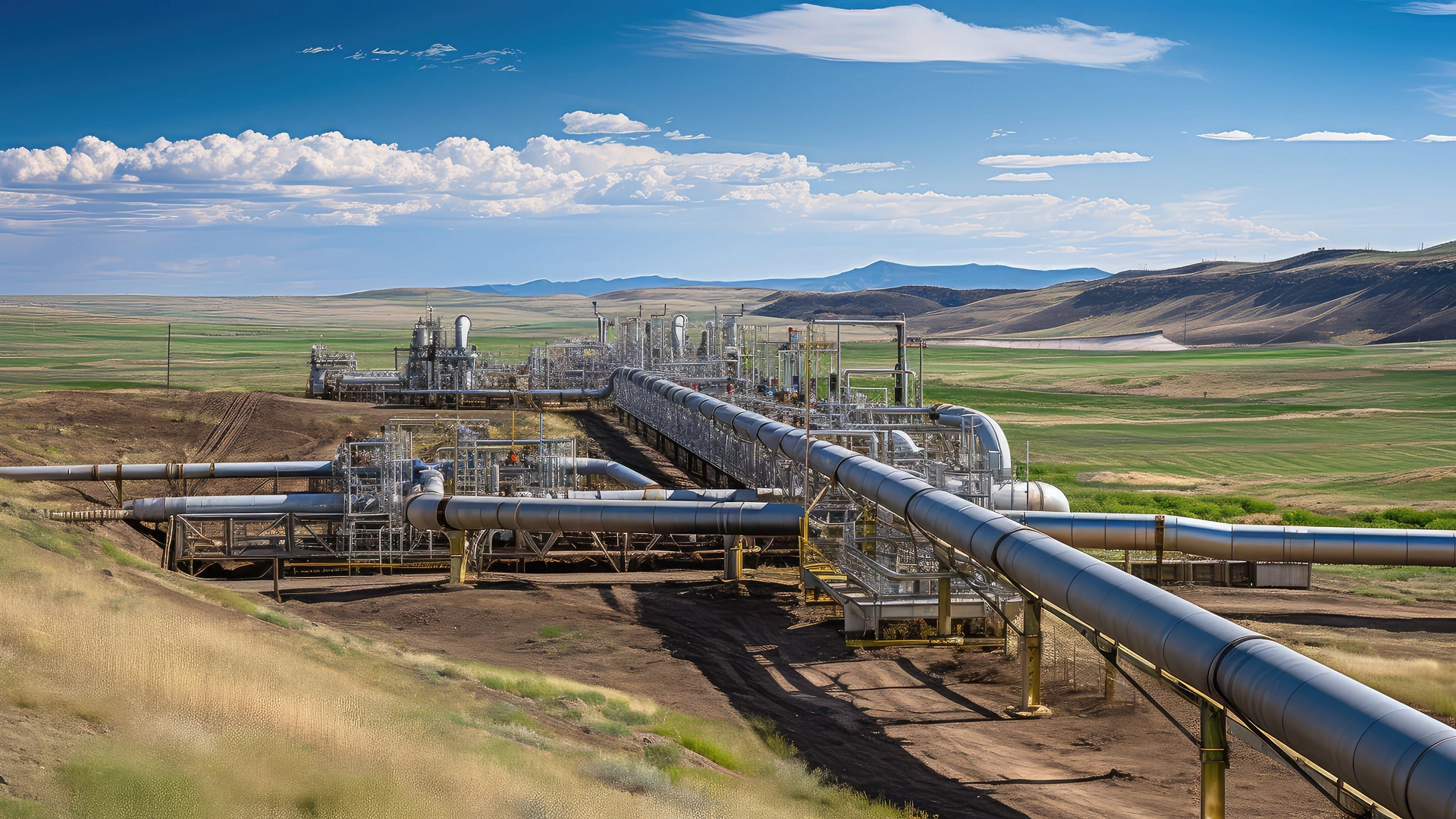
Precise flow and pressure control is the foundation of safe, profitable pipeline operations. Emerson's Coriolis and ultrasonic flow meters deliver real-time accuracy across the entire network — maximizing throughput, preventing over-pressurization, and ensuring every barrel and cubic foot is accounted for at custody transfer.
Measurement Instrumentation for Oil & Gas
Comprehensive measurement portfolio — covering flow, pressure, temperature, level, gas analysis, and corrosion monitoring — trusted across the oil and gas value chain to maximize production, ensure safety, and reduce costs.
Pressure Regulators
Fisher™ and Tartarini™ pressure regulators for natural gas, compressed air, steam, hydrogen, and specialty fluids — delivering industry-proven accuracy and overpressure protection across the energy network.
Software for Energy Transportation & Storage
Advanced operations, scheduling, and commercial software that integrates pipeline and terminal management into a single, intelligent platform — maximizing throughput, compliance, and profitability.
Liquid Storage Terminals
From Tank Farm to Bill of Lading, Fully Automated.
In today's volatile commodities markets, storage terminals can't afford blind spots. Emerson integrates radar tank gauging, precision custody transfer measurement, and terminal automation software into a unified system — giving operators real-time inventory visibility, faster truck and marine loading, and the measurement accuracy that protects revenue at every product transfer.
Solutions for Liquid Storage Terminals
Emerson's end-to-end portfolio of tank gauging, flow measurement, terminal management software, and safety systems eliminates the data silos and manual processes that cost operators time, product, and profit.
Precision Inventory Management and Storage Capacity Optimization
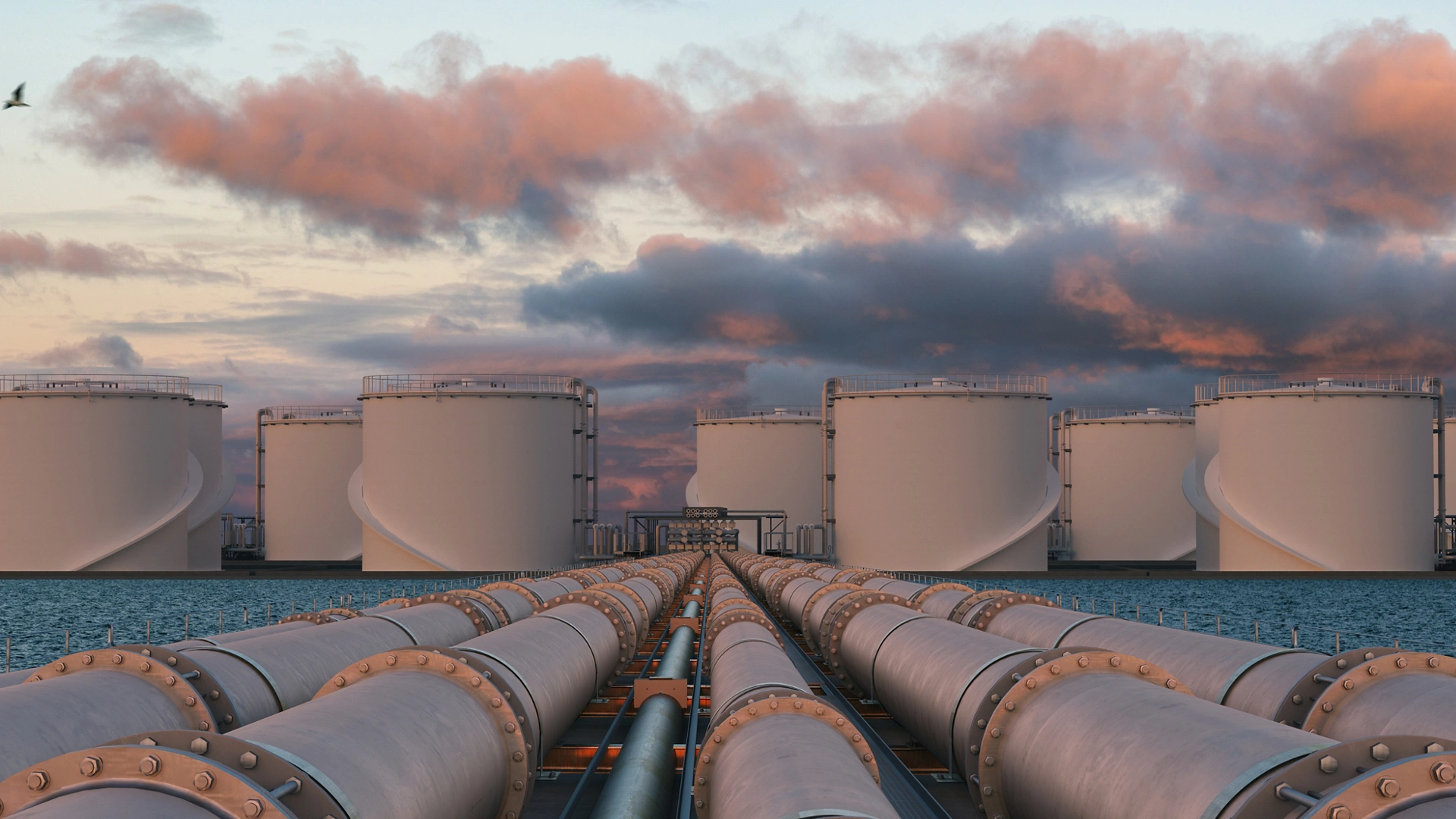
Emerson's radar tank gauging systems replace manual measurement with continuous, non-contact level monitoring — delivering precise volumetric and mass data unaffected by temperature, pressure, or vapor dynamics. Real-time inventory visibility lets operators safely maximize tank utilization and optimize blending and movement strategies without additional capital expenditure.
Tank Gauging
Rosemount radar tank gauging systems deliver real-time, high-accuracy level, temperature, and pressure measurements for custody transfer, inventory control, overfill prevention, and safe storage of bulk liquids.
Tank Pressure and Flame Protection
Integrated tank protection solutions — including blanketing regulators, pressure vacuum relief valves, and flame arrestors — safeguard storage tanks from overpressure, vacuum, and ignition hazards.
Gas Processing and Fractionation
Push Your Processing Plant to Its Optimal Operating Point.
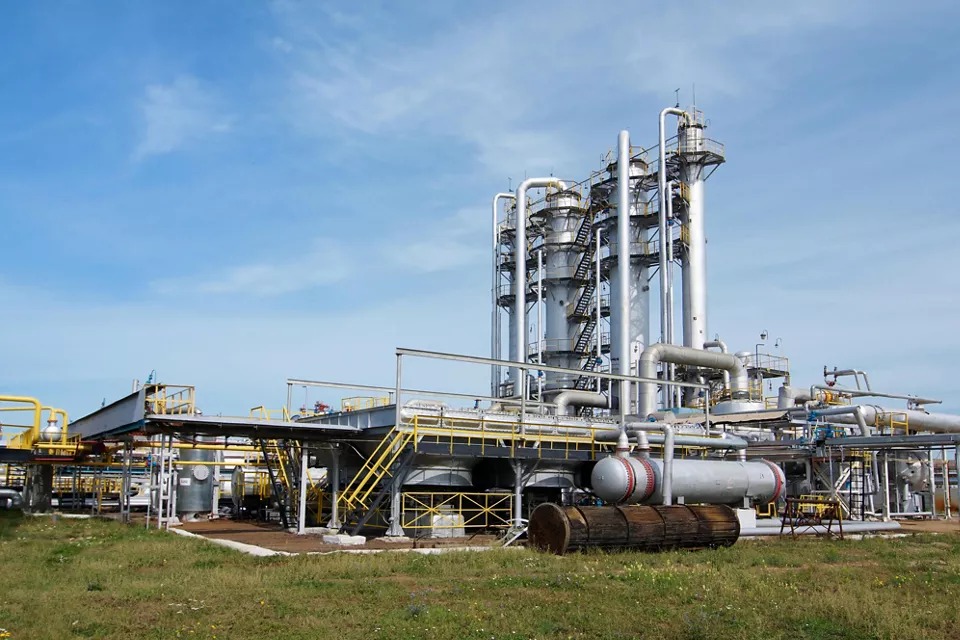
Raw natural gas is only as valuable as your ability to process it. From cryogenic NGL recovery and fractionation trains to amine sweetening and dehydration, every stage of gas processing is a margin decision. Emerson's measurement instrumentation, control valves, DCS, and advanced process control and software give operators the precision and real-time visibility to maximize ethane and propane recovery, cut fuel gas consumption, and keep plants running reliably — all at once.
Solutions for Gas Processing & Fractionation
Emerson integrates precision sensing, advanced process control, and predictive diagnostics into a unified automation architecture built to optimize every stage of the natural gas processing lifecycle.
Real-Time Monitoring and Advanced Process Control

Emerson's Advanced Process Control (APC) uses predictive modeling and high-fidelity instrumentation — Coriolis flow meters, guided wave radar, and gas chromatographs — to push fractionation columns closer to their operational limits safely. Real-time chromatographic analysis dynamically optimizes reflux ratios and reboiler duty to maximize ethane and propane recovery, while smart combustion control, optimized heat exchanger networks, and compressor anti-surge management drive down fuel gas consumption across the plant.
Process Gas Analytical Solutions
Customized process gas analytical systems engineered for LNG, refining, petrochemical, and emissions monitoring applications — integrating gas chromatography, laser spectroscopy, and sample handling for high-accuracy compliance measurements.
Flow Measurement
Industry-leading portfolio of Coriolis, differential pressure, magnetic, vortex, ultrasonic, and multiphase flow meters delivering precise, real-time flow data for custody transfer, process control, and safety across oil and gas operations.
Measurement Instrumentation for Oil & Gas
Comprehensive measurement portfolio — covering flow, pressure, temperature, level, gas analysis, and corrosion monitoring — trusted across the oil and gas value chain to maximize production, ensure safety, and reduce costs.
Liquified Natural Gas (LNG)
Maximize LNG Throughput Across the Entire Value Chain.
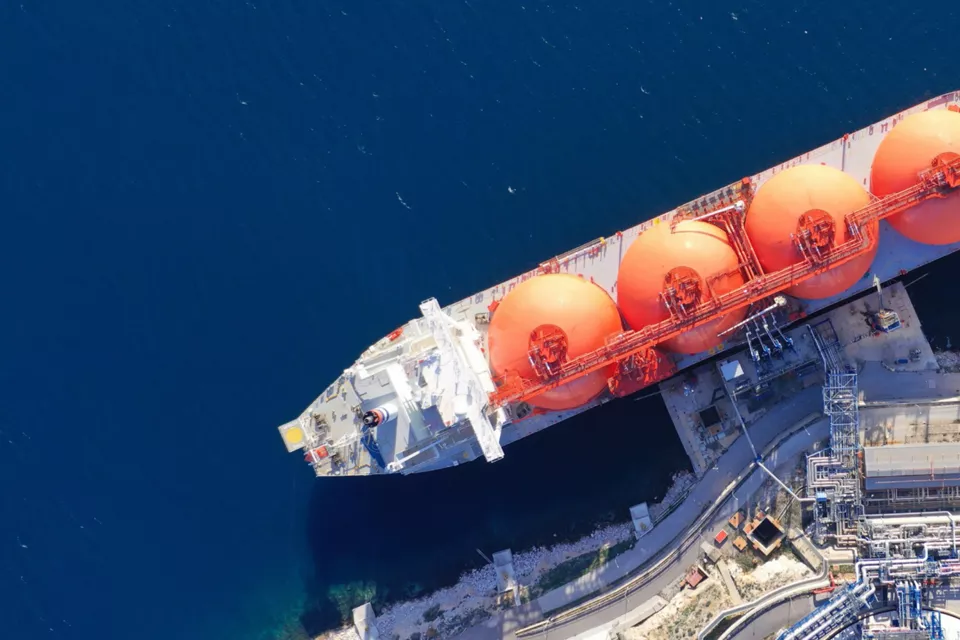
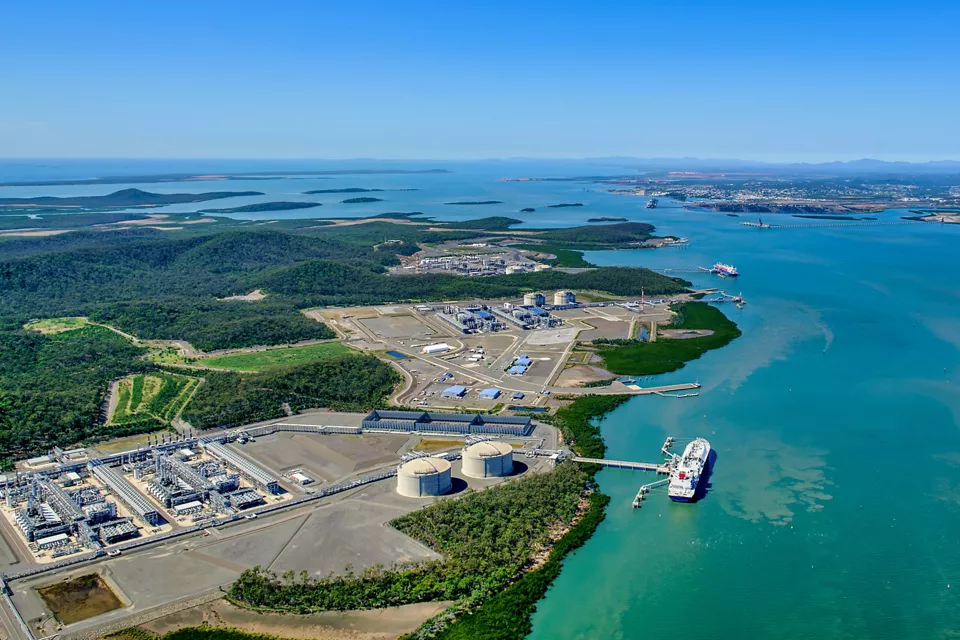
As natural gas anchors the global energy transition, the pressure on LNG operators to run facilities safely, efficiently, and sustainably has never been greater. Emerson's end-to-end automation, measurement, and control solutions optimize every stage of the LNG value chain — from liquefaction and storage to regasification — giving decision-makers and engineers the visibility and control to drive performance across the entire facility.
Solutions for Liquified Natural Gas (LNG)
Emerson's advanced automation, precision instrumentation, and safety systems give LNG operators the real-time control and predictive intelligence needed to improve process efficiency, protect critical assets, and keep every stage of the value chain running at peak performance.
Comprehensive Operational Visibility Across LNG Facilities
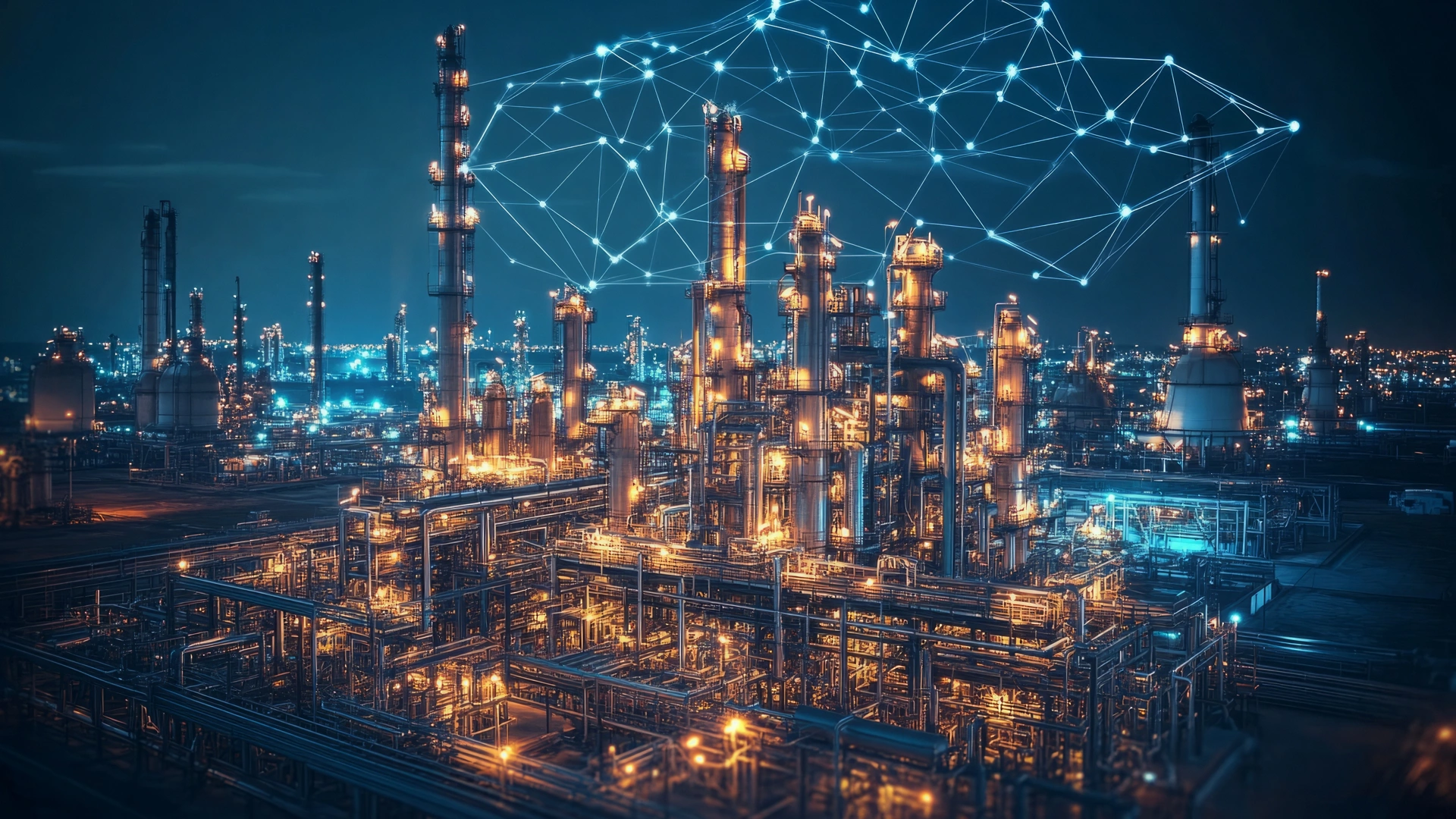
Emerson unifies LNG plant data into a single, actionable framework — giving operators real-time visibility across liquefaction, storage, and regasification from a centralized control room. Advanced HMIs translate field measurements into contextualized intelligence, enabling operators to anticipate process deviations, reduce downtime, and extend critical asset lifecycles before disruptions occur.
AspenTech Inmation™ — The Industrial Data Fabric
Industrial data fabric that unifies operational data from diverse sources into a single, contextualized platform — enabling real-time visibility, analytics, and decision support across LNG and midstream operations.
DeltaV™ Distributed Control System
Modern, flexible DCS that enhances productivity and operational efficiency — delivering scalable automation with modular architecture, seamless I/O connectivity, insight-driven operator experience, and built-in cybersecurity for process facilities of all sizes.
DeltaV™ IQ Controller
Software-defined controller that runs multiple virtual controller instances on a single pair of servers — delivering greater flexibility, scalability, and operational efficiency while minimizing hardware footprint and reducing capital expenditure.
Media, Case Studies, & Success Stories
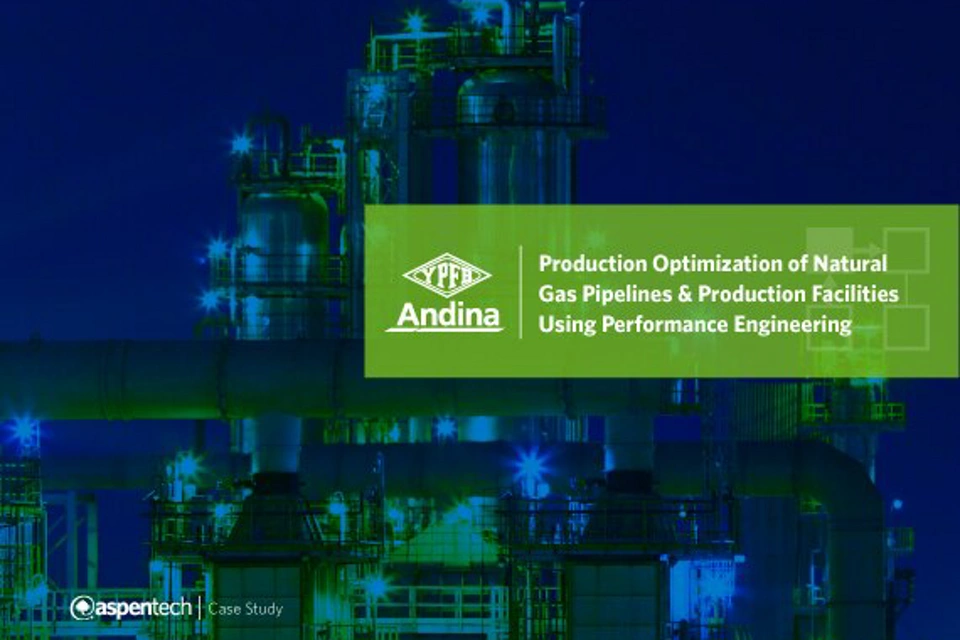
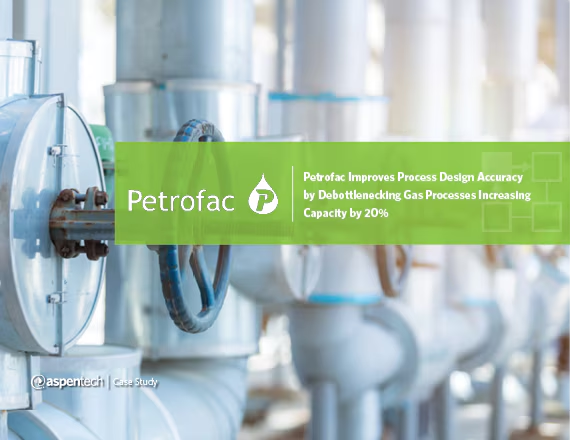
Explore content that highlights how operators are applying automation, control, and sensing technologies to solve real-world challenges in midstream operations. From reducing emissions to increasing throughput, these stories showcase measurable impact across the energy network.

Discover Emerson Expertise Across the Midstream Value Chain
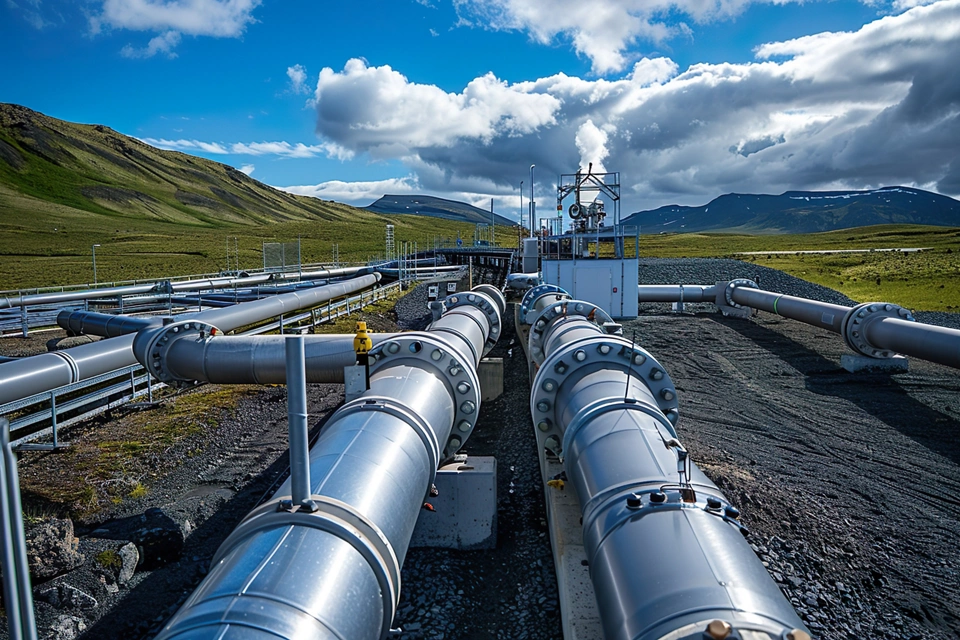
Discover how Emerson's business groups help midstream operators improve throughput, enhance pipeline integrity, optimize terminal and storage operations, strengthen safety and compliance, reduce emissions, and drive operational efficiency across the value chain.

AspenTech
Automation Systems
Discrete Automation
Final Control