


Powering the Future of Green Hydrogen with Scalable, Safe, and Intelligent Automation Solutions
Integrated solutions purpose-built for performance, safety, and scalability
Emerson delivers a distinct competitive advantage for green hydrogen production through intelligent automation, control, and safety solutions that scale with demand and drive measurable outcomes. From front-end engineering to long-term operations, we empower producers with:
- Proven expertise in automation and control.
- Real-time, end-to-end process insight.
- Optimized energy use and advanced safety layers.
- Modular, scalable systems for rapid deployment.
- Global reach backed by localized, in-market support.
Accelerate your path to low-carbon hydrogen with a technology partner built for what’s next.
Hydrogen Solutions in Action
Emerson solutions harness automation technology, software, and services to help industries achieve greater efficiency, enhanced safety, and sustainable operations in hydrogen production, transport, and usage.
Scalable, Safe, and Profitable Hydrogen Electrolyzer Production with Advanced Technologies
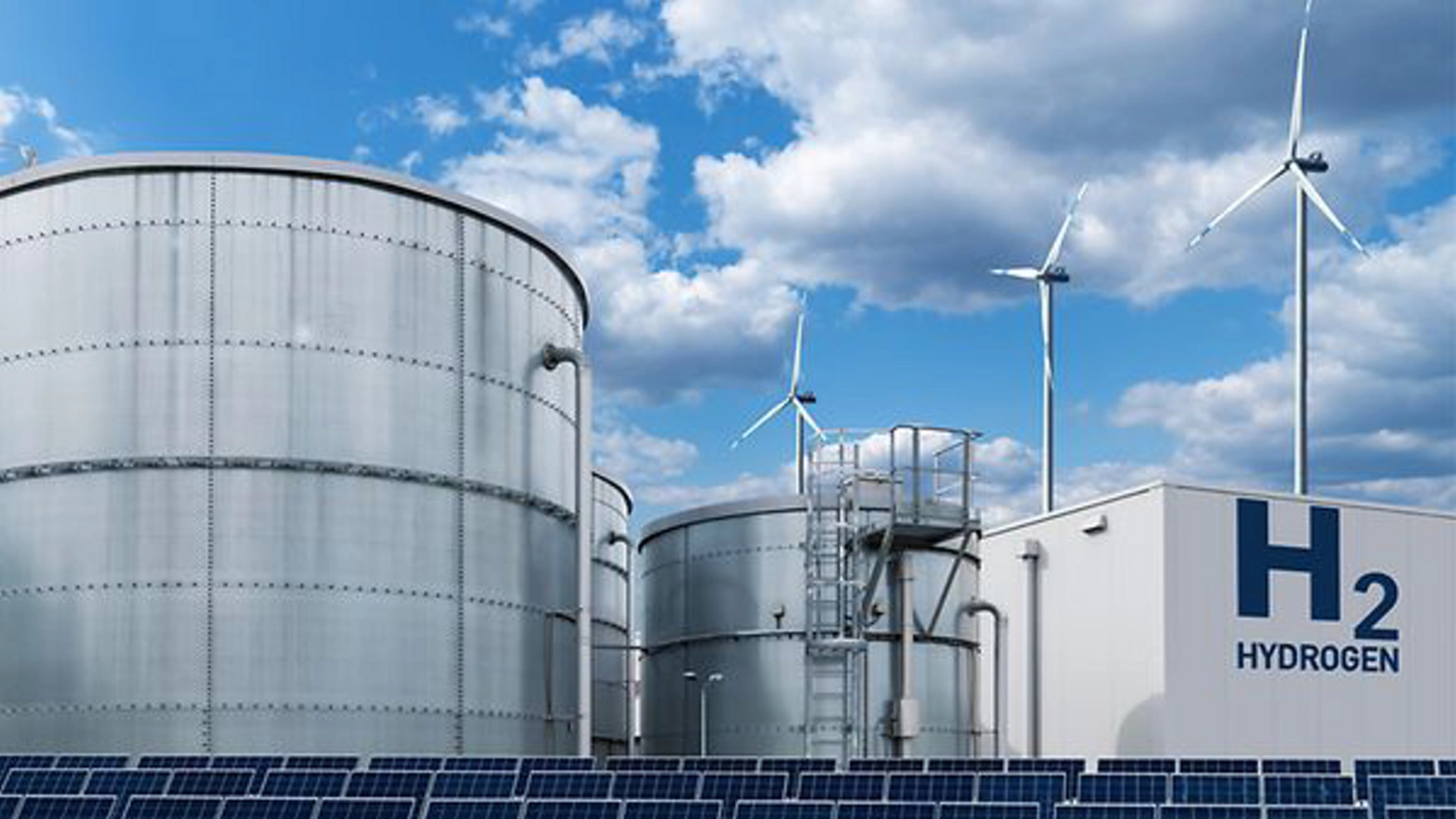
Hydrogen electrolyzer production requires scalable designs and capacity to respond to market demand. Manufacturers must execute projects on time, on budget with low complexity, yet, operate safely, reliably, and profitably using the most advanced technologies.
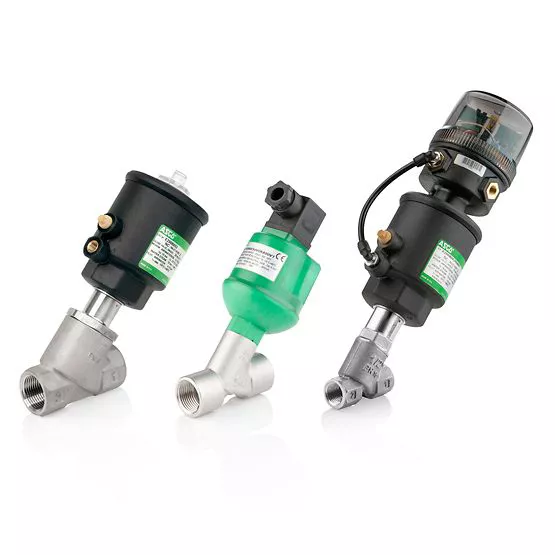
ASCO 290 Angle-Body Piston Valve
The ASCO Series 290, also known as 8290, is a pressure-operated, direct acting angle-body piston solenoid valve built for demanding applications.
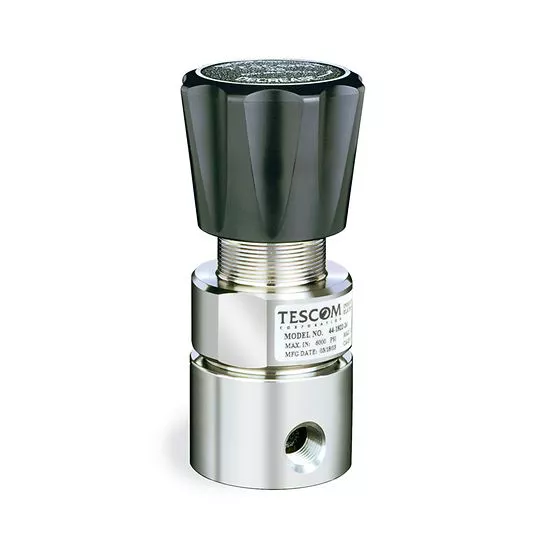
TESCOM Back-Pressure Regulators
Highly accurate, high-flow, low-pressure backpressure regulators for use in pressure control of electrolysis cell and pump discharge pressure control.
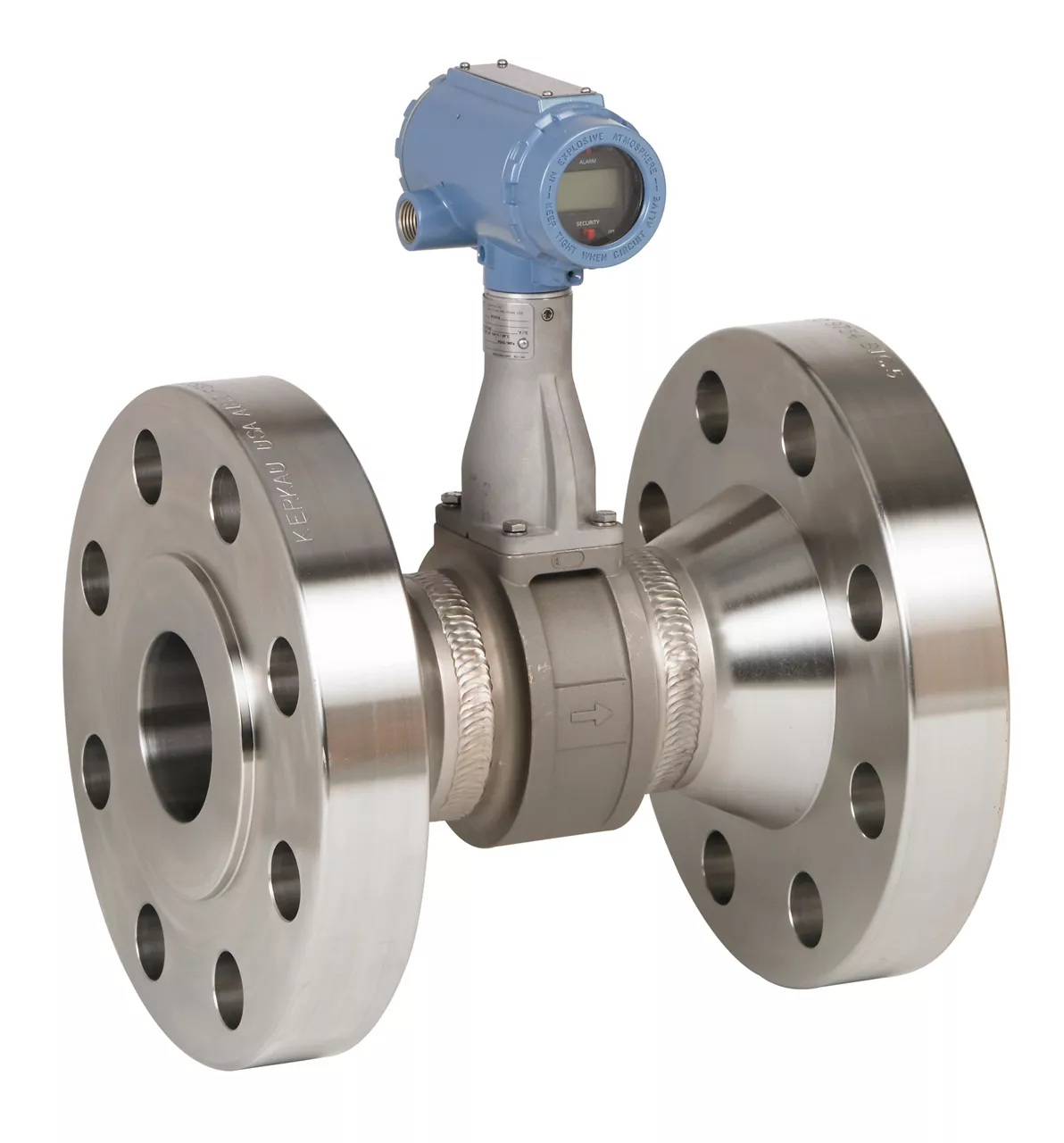
Rosemount 8800 Series Vortex Flow Meters
Learn about the Vortex flow meter theory of operation and why they are valuable for flow measurement and common applications.
Frequently Asked Questions (FAQs)
As green hydrogen gains momentum as a clean energy solution, we know that navigating the complexities of production, regulation, and scalability can raise important questions. Our team has compiled answers to frequently asked questions to help clarify the technology, accelerate decision-making, and demonstrate how Emerson’s automation expertise supports safe, scalable, and efficient green hydrogen projects.
Simply put, green hydrogen is renewable hydrogen. The color refers to the different raw energy sources used to produce the hydrogen, which today are almost exclusively coal and natural gas due to their abundance and low cost. The production of this fossil fuel-based “grey” hydrogen from steam methane reforming or gasification always generates a positive net level of CO2 emissions, even when carbon capture technology is used downstream to make cleaner “blue” hydrogen.
Renewable (green) hydrogen earns its name by using an entirely different production method, electrolysis, which can be powered by electricity from carbon-neutral or renewable energy sources, such as wind, solar, and biomass, with only oxygen as a byproduct. With the development of increasingly efficient electrolysis and fuel cell technologies, green hydrogen could supplement and eventually replace natural gas, petrol, diesel, and other fossil-based fuels across the global economy in the next 20 years.
Electrolysis is an electrochemical process by which an electrical current is applied to water, splitting the hydrogen and oxygen atoms in the molecules and releasing them as pure gases. Hydrogen is collected and transported or stored for later use as a fuel or raw material. The necessary electrical current can be pulled from the existing power grid or from renewable energy sources, as is the case with green hydrogen.
The issue facing engineers today is two-fold: scaling up electrolysis technology so that the capacity per unit is high enough to meet growing regional, and eventually global, demand; and making them more efficient so that they consume less power and operational resources to generate the same amount of H2 gas of the necessary purity. Further investment in research and development to solve these problems is needed before the global economy can fully benefit from the commercialization of green hydrogen as a fuel.
Automation technologies increase the capacity, reliability, and efficiency of electrolyzers, and the potential of a green hydrogen economy, in several ways—from handling fluctuating power loads and measuring and controlling water flow with greater precision to using digital analytics for energy management applications. Automation can also improve safety, equipment lifespan, and regulatory compliance while lowering materials and workforce costs.
Another critical step in reaping the benefits of a green hydrogen-powered energy market is developing fuel cells that are small and lightweight, but also durable and dependable enough for transportation applications that require high power-density systems. Because they are rated to operate in extreme temperatures and very high pressures, advanced digital solutions—namely automated pressure regulators, flow sensors, and solenoid valves—make it possible to build and use the kind of cost-effective fuel cells that offer the reliability in a compact footprint that the industry needs to get moving.